

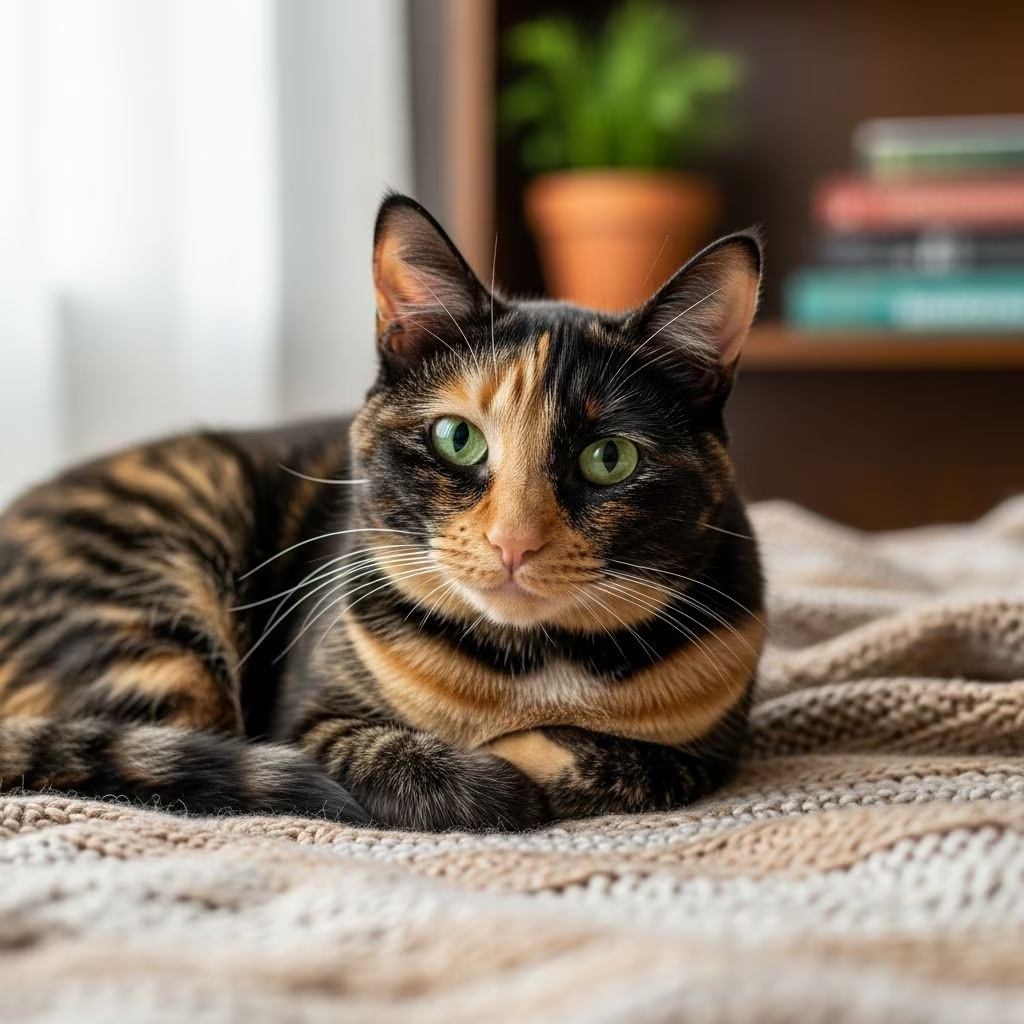
Tortoiseshell cats, affectionately known as torties, are beloved for their stunning multicolored coats and vibrant personalities. Not a breed but a coat pattern featuring black, orange, and cream hues blended in a mottled design, torties appear across breeds like American Shorthair and Persian. Understanding their unique needs ensures these feisty felines live long, healthy lives spanning 12 to 16 years on average.
What Is a Tortoiseshell Cat?
Tortoiseshell refers to a specific coat coloration caused by genetics, particularly the X-chromosome linked orange gene. Nearly all torties are female due to this; males are rare (about 1 in 3,000) and often carry XXY chromosomes, potentially leading to fertility or health challenges. The pattern, called brindle or mottled, creates a patchwork of colors without white (distinguishing from calicos, which have white patches). Torties can be short-haired, long-haired, or even hairless, influencing grooming demands.
Tortoiseshell Cat Personality
Torties earn a reputation for bold, sassy behavior dubbed “tortitude.” They are highly intelligent, talkative, and interactive, often vocalizing with chirps, meows, and trills to communicate. Independent yet affectionate, torties demand attention on their terms, displaying spirited energy, playfulness, and occasional attitude. They thrive with mental stimulation like puzzle toys and perches to prevent boredom-induced mischief. Socialization from kittenhood fosters friendliness with family and other pets.
- High energy: Loves chasing toys and climbing.
- Talkative: Communicates extensively with owners.
- Intelligent: Excels at learning tricks and problem-solving.
- Strong-willed: May ignore commands but responds to positive reinforcement.
Tortoiseshell Cat Grooming and Coat Care
Grooming varies by coat length. Short-haired torties need weekly brushing to remove loose fur and distribute oils, reducing shedding. Long-haired varieties require daily sessions to prevent mats, using a wide-tooth comb. Bathe rarely, only if necessary, with cat-safe shampoo. Check ears weekly for wax buildup, clean gently with vet-approved solutions, and trim nails biweekly. Dental hygiene is crucial; brush teeth 2-3 times weekly and provide dental treats.
| Coat Type | Grooming Frequency | Tools Needed |
|---|---|---|
| Short-haired | Weekly | Slicker brush, nail clippers |
| Long-haired | Daily | Comb, detangling spray |
| All types | Biweekly nails, weekly teeth | Toothbrush, enzymatic paste |
Health Issues Common in Tortoiseshell Cats
Torties are generally hardy but prone to certain conditions. Common issues include:
- Urinary tract problems: FLUTD, kidney stones from diet, stress, or dehydration; symptoms: straining, blood in urine.
- Obesity: Leads to diabetes, joint issues; monitor weight closely.
- Dental disease: Plaque buildup causes pain, organ damage.
- Kidney disease: Age-related; encourage hydration.
Male torties may face genetic issues like infertility. Indoor living reduces risks from fights, parasites. Spaying/neutering extends lifespan and curbs cancers.
Veterinary Care for Tortoiseshell Cats
Annual vet visits for exams, vaccines, parasite checks are essential; seniors need biannual. Early detection via bloodwork catches issues. Discuss dental cleanings under anesthesia if needed. Lifespan boosters: reputable breeder selection for healthy lines, vaccinations from kittenhood.
Diet and Nutrition for Tortoiseshell Cats
As obligate carnivores, torties need high-protein diets with named meats first (chicken, fish). Choose AAFCO-approved complete foods avoiding fillers like corn/soy. Wet food aids hydration, preventing urinary/kidney woes; mix with kibble. Portion control prevents obesity—use scales, adjust for activity. Taurine supports heart/eyes.
- Protein: 40%+ from animal sources.
- Hydration: Fountains, wet food.
- Treats: Dental, low-cal sparingly.
Exercise and Play for Tortoiseshell Cats
Torties’ high energy demands daily play: 20-30 minutes of wand toys, lasers, balls. Vertical spaces like cat trees satisfy climbing instincts. Puzzle feeders engage minds, curbing overeating. Rotate toys to maintain interest.
Creating a Tortoiseshell Cat-Friendly Environment
Provide scratching posts, multiple litter boxes (stainless steel preferred), quiet retreats. Safe plants, no toxic access. Interactive time bonds owner-cat.
Litter Box Training and Maintenance
One box per cat plus one, scooped daily, fully cleaned weekly. Clumping litter; position privately. Issues signal health problems—consult vet.
Tortoiseshell Kitten Care
Kittens need frequent meals of kitten food, socialization, early vet for deworming/vaccines. Gradual weaning, litter training from 3 weeks.
Senior Tortoiseshell Cat Care
Ages 11+: Senior diets for kidney/joint support, ramps for mobility, more water checks. Monitor for arthritis, hyperthyroidism.
Frequently Asked Questions (FAQs)
Are tortoiseshell cats hypoallergenic?
No, no cat is truly hypoallergenic, but short-haired torties shed less than long-haired.
Why are most torties female?
Orange gene on X-chromosome; males need two X’s, often with anomalies.
How long do tortoiseshell cats live?
12-16 years with proper care; indoor life extends it.
Do torties get along with other pets?
Yes, with proper introductions; their bold nature suits confident companions.
What causes ‘tortitude’?
Likely genetic/personality mix; high intelligence fuels spirited behavior.
References
- Tortoiseshell Cat: Characteristics and Care Tips — Uahpet. 2024. https://www.uahpet.com/blogs/hydration-health/tortoiseshell-cat-characteristics-and-care-tips
- Tortoiseshell Cat Lifespan and Care Tips — Pet Insurance Review. 2024. https://www.petinsurancereview.com/blog/tortoiseshell-cat-lifespan-and-care-tips
- Diet Essentials for a Healthy Tortoiseshell Cat — Tortie Catz (Beehiiv). 2024. https://tortiecatz.beehiiv.com/p/diet-essentials-for-a-healthy-tortoiseshell-cat
- The Best Care Tips for Tortoiseshell Cats, Devon Rex, and More — Mallypet. 2024. https://mallypet.com/en/blog/the-best-care-tips-for-tortoiseshell-cats–devon-rex–and-more
- A Fun Guide to Tortoiseshell Cats — PrettyLitter. 2024. https://www.prettylitter.com/blog/a-fun-guide-to-tortoiseshell-cats



