

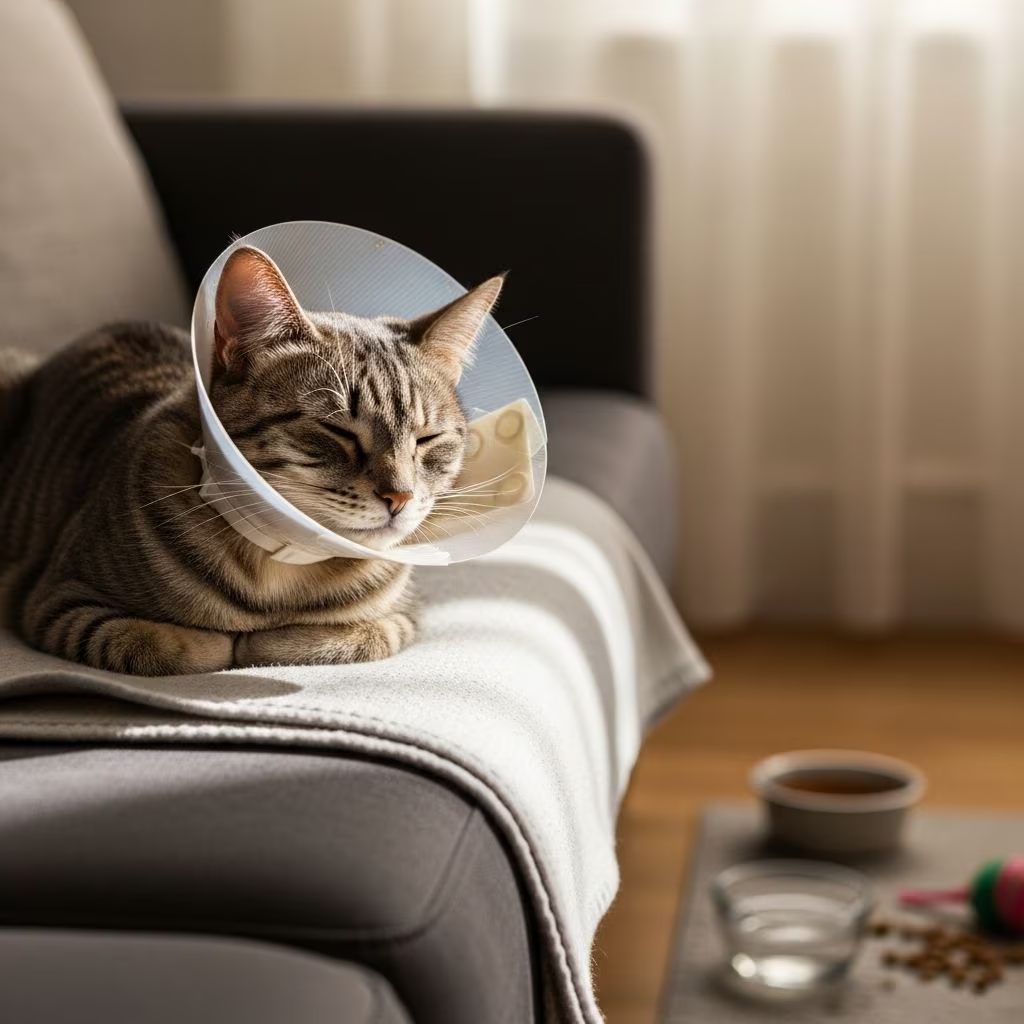
Spaying or neutering your cat is a responsible decision that prevents unwanted litters, reduces certain health risks, and often improves behavior. However, the surgery requires diligent aftercare to ensure proper healing and prevent complications. This guide covers everything from immediate post-op care to long-term adjustments, drawing on veterinary best practices for both male and female cats.
Why Post-Op Care Matters
After spaying (females) or neutering (males), cats need time to recover from anesthesia and surgery. Females undergo abdominal surgery to remove ovaries and uterus, while males have testicles removed via scrotal incisions. Proper care minimizes infection risk, promotes healing, and helps cats return to normalcy. Most males recover in 2-7 days, while females may need 10-14 days of monitoring.
Bringing Your Cat Home: First 24 Hours
Your cat will be groggy from anesthesia, possibly wobbly, with reduced appetite. Create a quiet, confined space like a crate or small room with soft bedding, food, water, and a low-sided litter box. Monitor closely for the first day.
- Rest:** Keep in a warm, draft-free area away from other pets and children.
- Hydration and Food:** Offer small amounts of water first, then bland food. Appetite often returns within 12-24 hours.
- Bathroom Help:** Females may struggle to enter litter boxes; assist gently if needed.
Recovery Timeline: Day-by-Day Expectations
Healing varies by sex and procedure complexity. Use this table for guidance:
| Day | Neutered Males | Spayed Females |
|---|---|---|
| Day 0 (Surgery Day) | Groggy, wobbly, low appetite | Same, plus abdominal soreness |
| Day 1-2 | Mild swelling, licking risk; confine | Crated, help with litter; monitor incision |
| Day 3-4 | Energy up, appetite normal; scab forms | Sensitive incision; restrict all activity |
| Day 5-7 | Light play OK; cone if licking | Healing internally; no jumping |
| Day 10-14 | Normal activity | Vet recheck; lift restrictions if healed |
Males often act normal by day 2-3, females up to 14 days.
Incision Care and Monitoring
Check sites twice daily. Males: Scrotum may bruise/swale mildly, heals open. Females: Abdominal line 1-2 inches, with absorbable sutures.
- Normal:** Mild redness, small scab, light bruising.
- Cone Collar:** Use 5-7 days for males, 10-14 for females to prevent licking.
- Cleaning:** Wipe gently with vet-approved saline if dirty; keep dry.
Signs of Infection or Complications
Contact vet immediately if:
- Swelling, redness, pus/discharge, or bleeding from site.
- Fever (over 102.5°F), lethargy beyond day 2.
- No urination in 24 hours, vomiting, diarrhea.
- Excessive panting, hiding, aggression.
Preventing Licking and Scratching
Cats instinctively lick wounds, risking infection. Options:
- Elizabethan Collar (Cone):** Standard; wear full time initially.
- Alternatives:** Recovery suits, inflatable collars if cat tolerates.
- Distraction:** Toys, perches in confined area.
Remove cone only for eating under supervision after 3-5 days if no licking.
Activity Restrictions
Limit movement to prevent suture dehiscence or hernia.
- Males:** No jumping/stairs for 5-7 days.
- Females:** 10-14 days full restriction; no running, playing, outdoors.
- Outdoor Cats:** Keep indoors 10-14 days min; enrich with scratching posts, windows.
Pain Management and Medications
Vets prescribe pain meds (e.g., buprenorphine). Give as directed, even if cat seems fine—pain masks symptoms.
- Dosage:** Follow exactly; never skip.
- Side Effects:** Watch for drowsiness, appetite loss.
- Antibiotics:** If prescribed, complete course.
Diet and Weight Management
Appetite surges post-op; neutering slows metabolism 20-30%.
- Immediate:** Small, frequent meals; vet diet if advised.
- Long-Term:** Measure portions, transition to low-cal food, increase play.
- Water:** Ensure access to prevent constipation.
Behavior Changes After Surgery
| Behavior | Normal? (Short/Long-Term) |
|---|---|
| Increased sleeping (1-2 days) | Yes |
| Hiding/aggression | Yes, short-term |
| Reduced spraying/roaming (males) | Yes, long-term improvement |
| Appetite/weight gain | Yes, manage proactively |
| Calmer demeanor | Yes, common |
Personality core remains; benefits peak 4-6 weeks.
Special Considerations
Lactating or Pregnant Cats
Hold lactating mothers 24-48 hours max; return to kittens ASAP. Pregnant: 72 hours recovery.
Feral/Community Cats (TNR)
Males: 24 hours recovery. Females: 48-72. Quiet, warm trap area; monitor blood spotting (light OK).
Multiple Pets Household
Separate 7-14 days; supervise intros.
When to Call the Vet
Err on caution:
- Non-healing incision after 7 days.
- Refusal to eat 48 hours.
- Swollen belly, labored breathing.
- Seizure-like activity (rare anesthesia reaction).
Follow-up recheck standard for spays at 10-14 days.
Frequently Asked Questions (FAQs)
Q: How long does cat spay/neuter recovery take?
A: Males: 5-7 days. Females: 10-14 days full healing.
Q: Do cats need a cone after neutering?
A: Yes, 5-7 days typically to prevent licking.
Q: When can my cat go outdoors again?
A: Minimum 10-14 days indoors post-op.
Q: Will my cat’s personality change?
A: Often calmer, less territorial; ingrained traits persist.
Q: How do I stop my cat from jumping during recovery?
A: Confine to single room, block furniture access, use baby gates.
Q: Is weight gain inevitable after neutering?
A: No—control with diet and exercise.
Long-Term Benefits and Tips
Spay/neuter reduces cancer risks (mammary in females, testicular in males), eliminates pyometra, curbs roaming/fights. Schedule annual checkups; microchip if indoor-outdoor. With attentive care, your cat thrives post-recovery.
References
- Cat Spay & Neuter Recovery Guide — Bliss Animal Hospital. 2023. https://blissanimalhospital.com/blog/what-to-expect-after-cat-spay-or-neuter-surgery/
- Cat Neuter Recovery Tips — Black Mountain Animal Hospital. 2024. https://sandiegovets.com/cat-neuter-recovery-tips/
- Feral Cat Spay/Neuter Recovery — Animal League. 2022-11-01. https://www.animalleague.org/wp-content/uploads/2022/11/Feral-Cat-Spay-and-Neuter-Recovery.pdf
- Cat Neutering Aftercare: Everything You Need to Know — PetMD. 2024. https://www.petmd.com/cat/general-health/cat-neutering-aftercare-everything-you-need-know
- Post-Surgery Care — Alley Cat Allies. 2024. https://www.alleycat.org/community-cat-care/post-surgery-care/
- After Surgery Instructions — ASPCA Spay/Neuter Alliance. 2024. https://www.aspca.org/aspca-spay-neuter-alliance/after-surgery-instructions



