

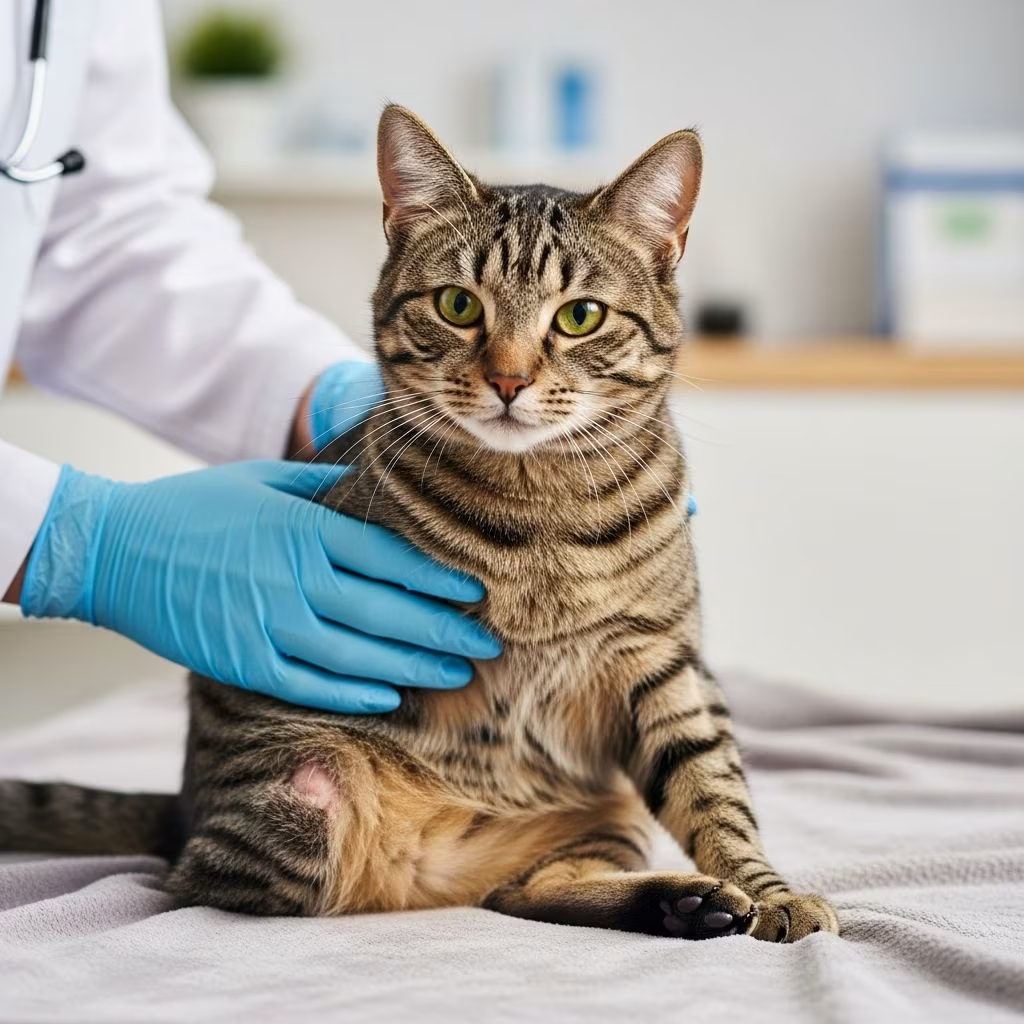
How to Care For Your Three-Legged Cat
Discovering that your beloved feline companion has lost a leg can be an emotionally challenging experience. Whether your cat has recently undergone amputation surgery or you’ve decided to adopt a three-legged cat from a rescue organization, you may find yourself wondering how to provide the best possible care. The good news is that three-legged cats, often affectionately called “tripod cats,” can live happy, healthy, and fulfilling lives with some thoughtful adjustments and proper care strategies. With the right approach, your three-legged cat can enjoy the same quality of life as any four-legged feline friend.
1. Keep Your Kitty Fit
One of the most critical aspects of caring for a three-legged cat is maintaining a healthy weight. Every cat parent understands the importance of keeping their fur baby at an optimal weight to prevent future health complications. However, for a tripod cat, this becomes significantly more important because gaining even a single extra pound can have serious consequences on their mobility and overall quality of life.
Weight management is not merely about appearance; it directly impacts your cat’s ability to move comfortably and maintain their independence. When a three-legged cat carries excess weight, the strain on their remaining limbs increases dramatically. The three legs must distribute the weight that would normally be spread across four limbs, which can lead to premature joint wear and reduced mobility.
Beyond weight management, veterinarians emphasize the importance of maintaining adequate muscle mass in three-legged cats. Strong muscles are essential for supporting the joints in your cat’s back and other limbs that may be under extra strain due to the missing leg. This muscle support helps stabilize the spine and reduces the risk of secondary injuries or complications.
Keep in mind that your tripod cat may tire more quickly than their four-legged peers. This is perfectly normal and expected. It’s important to let them rest between exercise and playtime sessions to prevent overexertion and maintain their overall health and happiness.
2. Ask a Vet About the Best Diet
While exercise is crucial for weight management, proper nutrition plays an equally important role. Whether your cat has recently undergone amputation surgery or you’ve adopted them with one missing leg, their dietary needs may differ from those of a four-legged cat.
Your veterinarian can help determine the best nutritional plan for your specific three-legged cat. Some tripod cats may require more protein to build and maintain strong muscle mass, while others might benefit from fewer calories during their recovery and rehabilitation period. A veterinarian can assess your cat’s individual needs, taking into account their age, activity level, overall health status, and any other medical conditions they may have.
Maintaining consistent food and water bowls in easily accessible locations is essential. Your three-legged cat should never have to struggle or search far to find nourishment and hydration. Make sure both resources are placed in convenient spots that your cat frequents regularly.
Additionally, three-legged cats should not be allowed to become obese because they have fewer limbs on which to distribute their weight. This makes weight management through diet even more critical than it would be for a fully-limbed feline.
3. Providing Supplements for Your Cat’s Joint Health
Because three-legged cats place additional stress on their remaining joints, joint health becomes a significant consideration in their long-term care plan. Although most physical problems are similar for three-legged pets compared to their four-legged counterparts, joint problems can be more pronounced and problematic in tripod cats.
To help keep your tripod’s joints supple and healthy, your veterinarian may suggest a fish oil supplement. The omega-3 fatty acids found in fish oil may reduce the signs of osteoarthritis, though it’s worth noting that nearly all research has been conducted in dogs rather than cats. Nevertheless, many veterinarians recommend these supplements as a preventive measure to support long-term joint health and mobility.
Before starting any supplement regimen, consult with your veterinarian to ensure it’s appropriate for your cat’s specific health situation and won’t interact negatively with any other medications or treatments your cat may be receiving.
4. Exercise and Physical Activity
Regular, gentle exercise is vital for your three-legged cat’s physical and mental wellbeing. In the beginning, your cat might need short, supervised exercise sessions as they adapt to moving with three legs. These initial sessions should be gentle and low-impact to prevent injury and allow your cat to build confidence.
As your cat becomes more comfortable and gains strength in their remaining limbs, you can gradually allow them to become more active. This progressive approach helps your cat develop the muscle strength needed to move confidently through their environment. Exercise also helps prevent boredom, reduces stress, and keeps your cat’s weight in check.
Interactive toys that can be enjoyed from a fixed position, such as a Kong filled with peanut butter or cheese, are excellent choices for three-legged cats. Avoid toys that require continuous hopping or rapid stop-and-start movements, such as treat balls filled with kibble, as these place excessive strain on the remaining limbs and can cause injury or overexertion.
Home Modifications for Three-Legged Cats
Creating a Safe Environment
Your home environment plays a crucial role in your three-legged cat’s safety and comfort. Making thoughtful modifications can prevent accidents and help your cat navigate their living space with confidence and ease.
Non-slip surfaces: Consider using runners or other non-slip surfaces in areas where your cat likes to move. This will help prevent any slips or falls that could cause further damage or injury. Carpets and runners provide both traction and padding, which becomes increasingly important as your tripod cat ages.
Blocking high cabinets: Block access to high cabinets or similar locations where your cat might jump. Cats don’t always land on their feet when they fall, and this is especially true for three-legged cats that have lost their ability to compensate for falls as effectively as four-legged cats.
Ramps and mobility aids: To make your cat’s favorite places more accessible, install ramps or other mobility aids. For example, if the windowsill is a favorite spot for your cat, place a chair nearby or install a ramp for easy access. Pet ramps can allow your cat to easily access favorite spots on furniture without the need for risky jumping.
Furniture arrangement: Move furniture around or adjust perches to make them more accessible to your cat. You can be creative and find unique ways to make your home safer and more comfortable for your three-legged friend. Consider creating stepping stones using chairs or other stable furniture that allows your cat to reach higher spots gradually.
Litter Box Considerations
Proper litter box setup is essential for maintaining your three-legged cat’s dignity and independence. Switch to a litter box with low sides that your cat can easily access without struggling. Immediately post-surgery, you may need to fill it with newspaper-based litter, which is gentler on sensitive areas and easier to manage as your cat heals.
Monitor your cat’s movements after surgery closely, and give them short periods of freedom on non-slip surfaces such as carpeted areas. For the first month after surgery, limit their movement, monitor them closely, and consider using a crate to avoid additional injury during the critical healing period.
Managing Post-Amputation Recovery
The first few weeks and months after amputation are critical for your cat’s recovery and adaptation. While it’s tempting to carry your cat everywhere to protect them, resist this urge. Your cat must learn to compensate for the missing leg, and this can only be done by building strength in the other limbs. Overprotectiveness can actually hinder your cat’s rehabilitation and recovery process.
Ask your vet to teach you how to do rehabilitation exercises for your cat if needed. Professional guidance can help ensure you’re supporting your cat’s recovery in the most effective way possible. Your veterinarian may recommend specific exercises or physical therapy techniques tailored to your cat’s individual situation.
Grooming and Personal Care
At first, your cat might need assistance with grooming areas that would normally be groomed by the now-missing leg. Cats are resourceful creatures, though, so your three-legged cat might devise new ways of grooming over time.
Be cautious when touching your cat near the stump of the missing leg, as this area can be very sensitive and even tender to the touch. Approach grooming sessions gently and watch for signs of discomfort. You may want to assist with grooming using a long-handled grooming tool to scratch those hard-to-reach spots on your cat’s head that are now difficult for them to reach independently.
Outdoor Considerations
Never let your three-legged cat outside unsupervised. Their condition makes them more vulnerable to outdoor dangers including traffic, predators, and environmental hazards. If you want your cat to enjoy outdoor time, teach them to walk with a harness and leash, or consider constructing a secure cattery that enables your cat to enjoy the outdoors safely while remaining protected.
Special Considerations Based on Which Leg Is Missing
Missing Front Leg vs. Missing Hind Leg
The challenges your three-legged cat faces may vary depending on which leg is missing. A cat with a missing foreleg may have trouble landing properly when jumping down from high places, so place plenty of soft cushions around for safe landings. These cats may need more assistance with balance and may benefit from lower perches and ramps.
Conversely, a cat with a missing hind leg may not be able to jump up very high and will need different environmental modifications. For such a cat, a multi-level cat perch with a staggered-level design may work better than one with a vertical post design. This allows them to climb gradually rather than attempting large jumps.
Building Strength and Confidence
Helping your three-legged cat build strength and confidence in their new reality is an ongoing process. Provide plenty of gentle exercise in the beginning, then gradually allow your cat to become more active as they adapt to using three legs. This progressive approach prevents injury while building the muscle strength necessary for long-term mobility.
Patience is essential during this adjustment period. Every cat adapts at their own pace, and some may take longer than others to fully adjust to life with three legs. Celebrate small victories and provide plenty of encouragement and positive reinforcement.
Final Thoughts
Caring for your tripod cat doesn’t have to be a burden or overwhelming challenge. By making just a few minor changes to your home, keeping their diet in check, ensuring they aren’t gaining weight, and having regular veterinary checkups, three-legged cats can enjoy life just as much as their four-legged peers.
Many three-legged cats adapt remarkably well to their new circumstances and continue to display the playfulness, affection, and personality that make cats such wonderful companions. With proper care, attention, and love, your three-legged cat can have a healthy, happy, and fulfilling life.
Frequently Asked Questions
Q: Can three-legged cats still play and exercise normally?
A: Yes, three-legged cats can play and exercise, but they may tire more quickly than four-legged cats. Start with gentle exercise and gradually increase activity as your cat builds strength and confidence in their remaining limbs. Interactive toys and structured play sessions work best.
Q: How long does it take for a three-legged cat to adapt after amputation?
A: Adaptation timelines vary by individual cat. Most cats show significant improvement within the first month, but full adaptation may take several months. Patience, consistent care, and positive reinforcement help speed the adjustment process.
Q: Is it safe for three-legged cats to go outside?
A: Three-legged cats should not be allowed outside unsupervised due to increased vulnerability to dangers. If you want your cat to enjoy outdoor time, use a secure harness and leash, or construct a protected cattery where they can safely experience the outdoors.
Q: What should I feed my three-legged cat?
A: Consult your veterinarian about the best diet for your specific cat. They may recommend higher protein for muscle building or adjusted calories depending on your cat’s activity level and recovery stage. Weight management through proper nutrition is essential.
Q: Do three-legged cats need special veterinary care?
A: In general, tripod cats don’t require special veterinary care after initial amputation and rehabilitation. However, regular veterinary checkups are important to monitor joint health and ensure overall wellness. Your vet may recommend supplements to support joint health.
Q: Should I carry my three-legged cat around to protect them?
A: No, resist the urge to carry your three-legged cat everywhere. Your cat must learn to compensate for the missing leg by building strength in remaining limbs. Carrying them too often can actually hinder their rehabilitation and confidence-building process.
Q: What home modifications are most important for a three-legged cat?
A: Key modifications include providing non-slip surfaces for traction, installing ramps to accessible spots, using low-sided litter boxes, ensuring food and water are easily accessible, and removing hazards from walkways and high perches.
References
- Three-Legged Dog and Cat FAQs — Best Friends Animal Society. https://bestfriends.org/pet-care-resources/three-legged-dog-and-three-legged-cat-faqs
- How to Care For a Three-Legged Cat: Expert Tips & Advice — Catster. https://www.catster.com/cat-health-care/how-to-care-for-a-three-legged-cat/
- Tips for Adopters of Three-Legged Dogs and Cats — Nashville.gov. https://www.nashville.gov/sites/default/files/2025-09/30-ThreeLeggedDogsandCats.pdf
- Caring for Three-Legged Dogs and Cats, aka “Tripawds” — PetMD. https://www.petmd.com/dog/general-health/caring-three-legged-dogs-and-cats-aka-tripawds
- 7 Things To Know About Living With a Tripod Cat — Fear Free Happy Homes. https://www.fearfreehappyhomes.com/7-things-to-know-about-living-with-a-tripod-cat/



