

How to Care for Hairless Cats: A Comprehensive Guide
Hairless cats like the Sphynx, Donskoy, Peterbald, and Ukrainian Levkoy are striking felines that capture attention wherever they go. Despite their unique appearance and the assumption that lack of fur means minimal care, these cats actually require specialized attention and consistent grooming to thrive. Understanding the specific needs of hairless cat breeds is essential for any owner considering or currently caring for one of these distinctive pets. This comprehensive guide covers all aspects of hairless cat care, from bathing to temperature regulation and health monitoring.
Understanding Hairless Cat Breeds
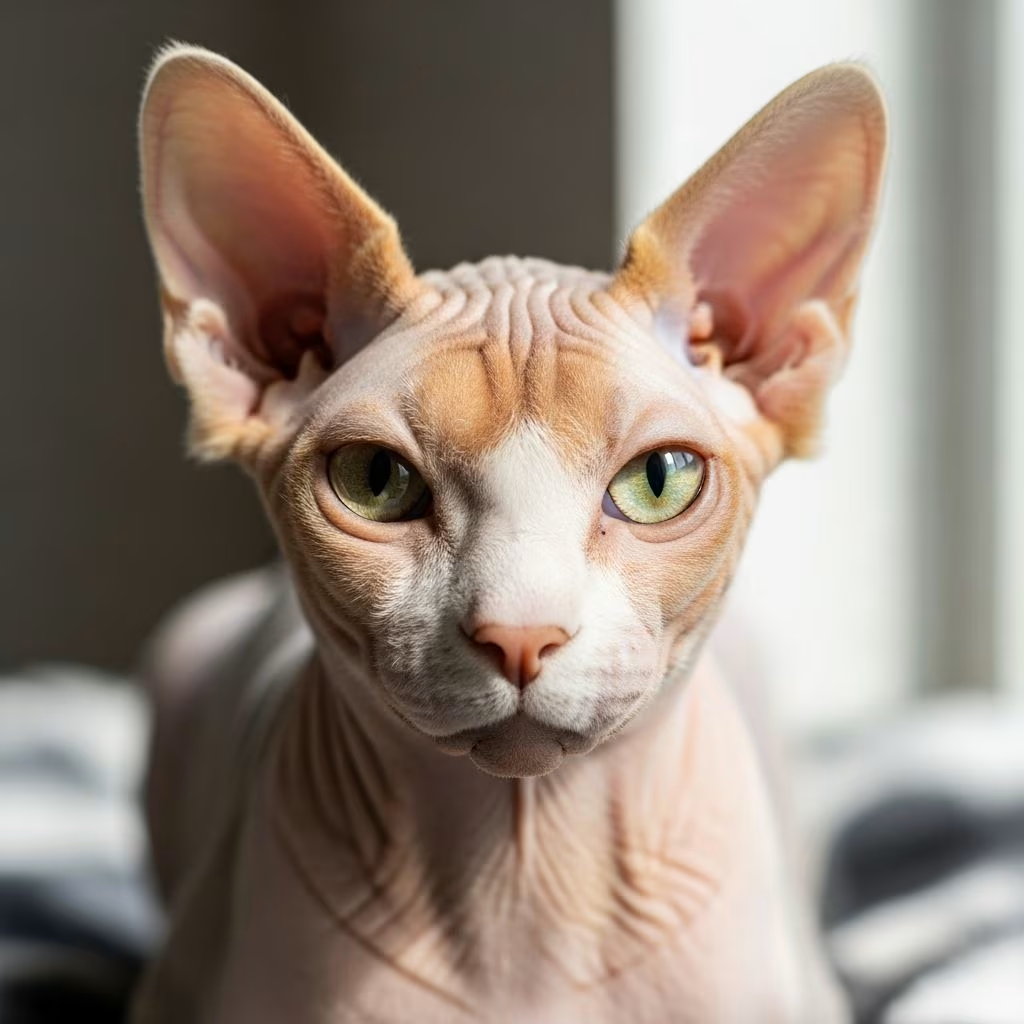
Hairless cats aren’t completely devoid of hair—they possess a fine, downy coat that feels soft and warm to the touch. The Sphynx, the most well-known hairless breed, feels like chamois leather, making these cats pleasantly warm and perfect for cuddling. While some hairless cats may have whiskers and eyebrows, others lack these features entirely. Different breeds have varying characteristics: Donskoy cats come in four varieties (rubber bald, flocked, velour, and brush), while Peterbalds range from completely bare to fuzzy or curly-haired.
The genetic mutation responsible for hairlessness differs among breeds. The Sphynx’s hairlessness results from a recessive genetic mutation, whereas the Donskoy breed’s hairlessness comes from a dominant gene. Understanding your specific breed’s characteristics helps you provide better care tailored to their unique needs.
Regular Bathing and Skin Care
One of the most important aspects of hairless cat care is regular bathing. Because hairless cats lack the protective fur that other cats have, oils accumulate on their skin more readily. This buildup can lead to skin irritation and infection if not properly managed.
Establish a bathing routine that works best for your cat:
- Bathe your hairless cat weekly or bi-weekly, depending on how quickly oils accumulate on their skin
- Use lukewarm water and gentle, hypoallergenic cat shampoos specifically formulated for sensitive skin
- Thoroughly dry your cat after bathing to prevent moisture from sitting on their skin
- Pay special attention to skin folds and wrinkles where moisture and oils can trap bacteria
- Consider using cat wipes between baths to maintain skin cleanliness
The wrinkled skin characteristic of breeds like the Sphynx requires extra attention during cleaning. These folds can harbor bacteria and yeast if not kept clean and dry, potentially leading to infections.
Sun Protection is Essential
Without the protection of fur, hairless cats are extremely vulnerable to sunburn and UV damage. This is perhaps one of the most critical aspects of their care that owners must understand.
Implement these sun protection strategies:
- Keep your hairless cat indoors during peak sun hours (typically 10 AM to 4 PM)
- Apply veterinary-approved sunscreen with SPF 30 or higher to exposed areas if your cat goes outside
- Use lightweight, breathable clothing designed for hairless cats when outdoors
- Ensure window blinds and curtains are available to provide shade from direct sunlight
- Avoid prolonged exposure to direct sunlight even through windows
- Monitor your cat’s skin regularly for signs of sunburn, including redness or peeling
Sunburn can cause immediate discomfort and long-term skin damage in hairless cats. In severe cases, repeated sun exposure increases the risk of skin cancer, making sun protection a non-negotiable aspect of care.
Temperature Control and Climate Considerations
Hairless cats cannot regulate their body temperature as effectively as furred cats. They are sensitive to both heat and cold, requiring careful environmental management.
Cold Weather Care:
- Maintain indoor temperatures between 75-85°F (24-29°C) as an ideal range
- Provide heated beds, blankets, and cozy hiding spots
- Use cat sweaters or clothing during winter months or when temperatures drop
- Avoid exposure to cold drafts from windows or air conditioning units
- Use heating pads (on low settings) to create warm resting areas
Warm Weather Care:
- Maintain cool indoor environments with air conditioning
- Provide adequate shade and cool surfaces for resting
- Ensure constant access to fresh, cool water
- Avoid overheating, which can lead to heat stroke
- Consider cooling mats or air-conditioned spaces during extremely hot weather
Hairless cats may seek out warm spots obsessively during cool months and need multiple comfortable resting options maintained at appropriate temperatures throughout your home.
Nutrition and Diet Requirements
While hairless cats don’t have fundamentally different nutritional needs than other cats, their higher metabolic rate due to temperature regulation efforts may require slightly higher caloric intake. Consult with your veterinarian to determine appropriate portion sizes and feeding schedules.
Key nutritional considerations include:
- Choose high-quality, protein-rich cat foods appropriate for their age and activity level
- Ensure adequate moisture intake to support skin health
- Consider foods with omega-3 and omega-6 fatty acids for optimal skin condition
- Monitor weight carefully, as hairless cats’ lack of fur makes weight changes more visible
- Provide fresh water at all times, potentially supplementing with wet food
Ear Care and Hygiene
Many hairless cat breeds feature exceptionally large ears, such as the Peterbald and Elf breeds. These prominent ears require regular cleaning and monitoring.
Establish an ear care routine:
- Clean ears weekly with veterinary-approved ear cleaning solution
- Use cotton balls or soft cloths to gently remove debris and wax buildup
- Check for signs of infection, including redness, odor, or excessive discharge
- Avoid inserting foreign objects deep into the ear canal
- Monitor for ear mites, which can be more problematic without protective fur
Nail Care and Paw Attention
Hairless cats often have visible nails and may have fine hair on their feet that requires attention. Regular nail trimming is essential.
Implement these nail care practices:
- Trim nails every two to three weeks using cat-specific nail clippers
- Check paw pads for dryness, cracks, or signs of irritation
- Provide scratching posts and pads to naturally maintain nail length
- Apply paw balm if pads appear dry or cracked
- Inspect between toes for any signs of infection or debris
Regular Veterinary Care and Health Monitoring
Hairless cats require regular veterinary check-ups more frequently than some other breeds. Establish a relationship with a veterinarian familiar with hairless cat health needs.
Schedule veterinary visits that include:
- Annual comprehensive health examinations, or bi-annual for senior cats
- Skin condition assessments and discussions of any changes
- Preventative care against parasites and infections
- Vaccinations appropriate for your cat’s lifestyle and breed
- Discussion of breed-specific health concerns
The Ukrainian Levkoy breed, being relatively new (established in 2004), still has limited long-term health data, though breed predispositions similar to Scottish Folds suggest potential joint and cartilage concerns.
Personality Traits and Social Needs
Beyond physical care requirements, understanding the personality of hairless cats helps owners provide appropriate environmental enrichment. Hairless cats are typically very vocal, intelligent, and social creatures. They often display dog-like characteristics, including loyalty and a desire to follow their owners throughout the home.
Meet their social and emotional needs by:
- Providing regular interactive playtime and mental stimulation
- Engaging in games like fetch, which many hairless cats enjoy
- Creating vertical spaces for exploration and exercise
- Offering puzzle feeders and interactive toys
- Ensuring they aren’t left alone for extended periods, as they can develop separation anxiety
Common Health Issues in Hairless Cats
While properly bred hairless cats can be genetically sound, certain health concerns are more prevalent in these breeds:
- Skin infections: Bacterial and yeast infections from accumulated oils or moisture in skin folds
- Heart conditions: Some hairless breeds have predispositions to hypertrophic cardiomyopathy (HCM)
- Respiratory issues: Sensitivity to temperature extremes can exacerbate breathing problems
- Joint problems: Particularly in breeds descended from Scottish Folds
- Sunburn and skin cancer: From inadequate sun protection
Regular veterinary monitoring helps catch these issues early when they’re most manageable.
Creating a Suitable Living Environment
The ideal home for a hairless cat balances comfort with safety. Consider these environmental factors:
- Install blackout curtains or window treatments to control sun exposure
- Maintain humidity levels between 30-50% to prevent skin dryness
- Keep your home free of sharp objects that could scratch delicate skin
- Provide soft bedding in various locations throughout your home
- Consider creating a dedicated grooming station with all necessary supplies
- Ensure temperature-controlled spaces in different areas of your home
Frequently Asked Questions
Q: Do hairless cats shed?
A: Hairless cats shed minimally or not at all, depending on their coat type. This is one advantage of owning a hairless breed, though they require more intensive skin care to compensate.
Q: Are hairless cats hypoallergenic?
A: While hairless cats produce fewer airborne allergens due to their lack of fur, they still produce allergens through saliva and skin cells, so they aren’t completely hypoallergenic for all allergy sufferers.
Q: How long do hairless cats live?
A: Hairless cat lifespan varies by breed, typically ranging from 9 to 15 years with proper care. Some individuals have been known to live into their late teens or early twenties.
Q: Can hairless cats go outside?
A: Hairless cats can go outside briefly with proper protection, including sunscreen and clothing, but they are best suited as indoor pets due to their sensitivity to temperature and sun exposure.
Q: How often should I bathe my hairless cat?
A: Most hairless cats benefit from weekly to bi-weekly baths, though frequency depends on individual skin oil production and should be adjusted based on your cat’s needs.
Q: What temperature should my home be for a hairless cat?
A: Maintain indoor temperatures between 75-85°F (24-29°C) as optimal. Provide additional warmth in winter with heated beds and clothing, and cooling options during warm months.
References
- 6 Types of Hairless Cats and How to Care For Them — PetMD. 2025. https://www.petmd.com/cat/general-health/hairless-cats
- The Top Hairless Cat Breeds — Chewy Education. 2025. https://www.chewy.com/education/cat/general/behavior-breeds-10-things-to-know-about-hairless-cats
- Sphynx — The Cat Fanciers’ Association Breed Standards. https://cfa.org/breed/sphynx/
- Sphynx Cat Breed — Hill’s Pet Nutrition. https://www.hillspet.com/cat-care/cat-breeds/sphynx



