

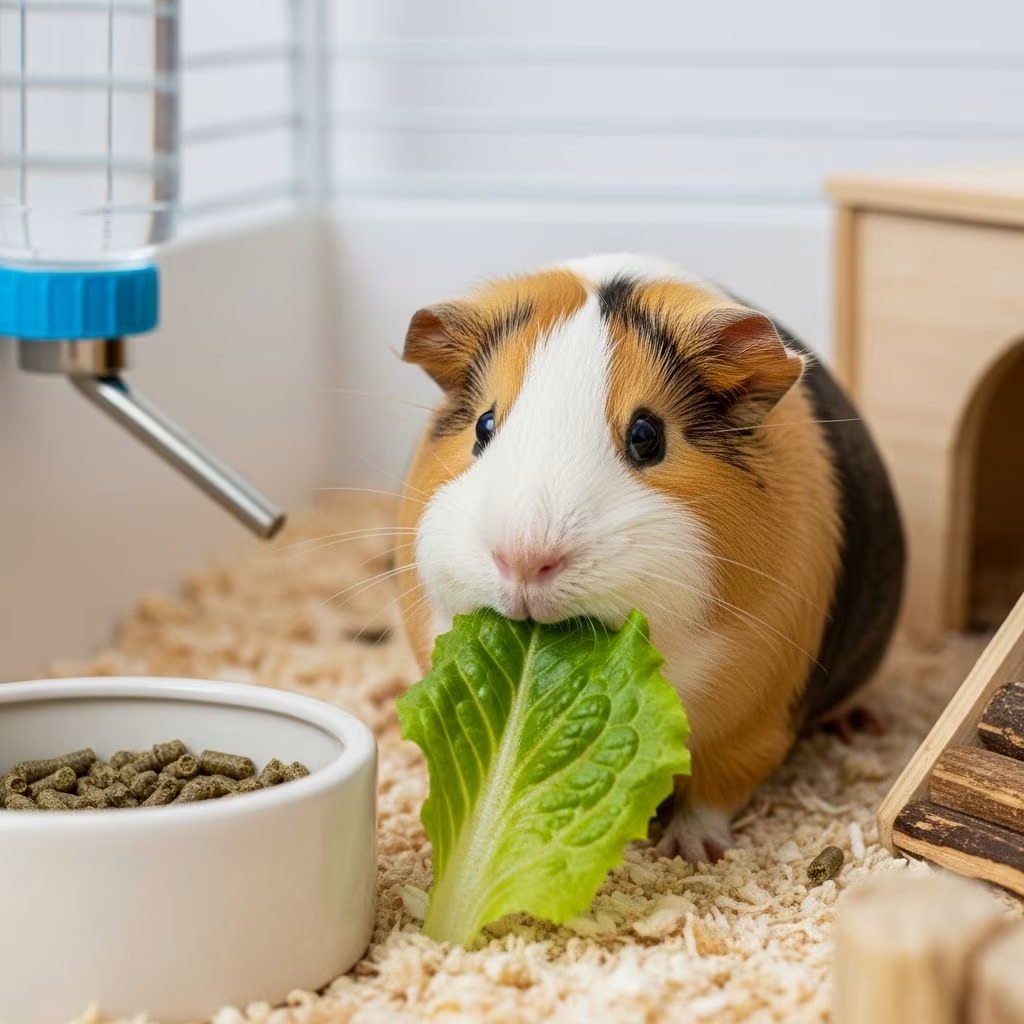
Guinea pigs, also known as cavies, make wonderful companions for pet owners of all experience levels. These social, gentle rodents can live 5-10 years when provided with proper care and attention. Whether you’re a first-time guinea pig owner or looking to improve your current care routine, understanding the fundamentals of guinea pig husbandry is essential for ensuring your pet thrives. This comprehensive guide covers everything you need to know about caring for your guinea pig.
Understanding Guinea Pig Basics
Before bringing a guinea pig home, it’s important to understand what these animals need. Guinea pigs are social creatures that require dedicated daily care, including feeding, habitat maintenance, and interaction. Unlike some other small pets, guinea pigs are active animals that spend up to 20 hours per day foraging and playing, sleeping only 4 hours daily. They cannot produce their own vitamin C and require specialized nutrition to prevent serious health issues like scurvy.
Guinea pigs typically live 5-10 years, making them a long-term commitment. This lifespan means you should be prepared to provide consistent care for several years before getting a guinea pig. The time commitment alone requires a minimum of 30 minutes daily for feeding, cleaning, and interaction.
Preparing Your Home Before Bringing Your Guinea Pig Home
Preparation is crucial before your new guinea pig arrives. Taking time to set up the proper environment and establish care routines will make the transition smoother for both you and your pet.
Setting Up the Ideal Environment
Guinea pigs require a spacious, comfortable living environment. The enclosure should be large enough to allow multiple areas for hiding, eating, and playing. A solid-bottomed cage with a soft base prevents foot injuries and infections like bumblefoot. Use guinea pig-friendly fleece liners over a foam mat as bedding, which should be changed every 2-3 days.
Temperature control is critical for guinea pig health. Never place the enclosure in direct sunlight or near drafts, as guinea pigs cannot sweat and are prone to overheating, which can be fatal. Maintain temperatures between 65°F and 75°F, never exceeding 80°F. Keep your guinea pigs in a quiet room that’s visited regularly but doesn’t experience heavy foot traffic, as they are easily stressed by loud noises and disruptions.
Creating a Daily and Weekly Care Schedule
Before your guinea pig arrives, establish a care schedule that fits with your existing commitments. Write down specific times for feeding, cleaning, and bonding activities. Project this schedule over the next 5-7 years to ensure you can dedicate the necessary time to develop a lifelong bond with your pet. A well-planned routine prevents missed care tasks and helps your guinea pig thrive.
Daily Care Routine
Feeding Schedule and Nutrition
Proper nutrition is fundamental to guinea pig health. Guinea pigs require unlimited fresh hay, quality pellets, fresh vegetables, and vitamin C supplementation daily.
Morning Feeding (8-9 AM):
– Add a generous pile of fresh hay- Provide 1 tablespoon of guinea pig pellets- Refill water bottles completely
Evening Feeding (6-7 PM):
– Repeat the morning feeding routine- Add ½-1 cup of fresh leafy greens and vegetables per guinea pig- Rinse and refill water bottles again
Guinea pigs should receive approximately 1-1.5 cups of fresh vegetables daily per pig, adjustable based on their weight. Use feeding times as bonding opportunities by hand-feeding greens and vegetables, which builds trust and familiarity.
Hay must be available at all times, as it’s essential for digestive health. Guinea pigs enjoy burrowing in large hay piles, which also provides enrichment. Always provide fresh, clean water in bottles rather than bowls to prevent contamination.
Habitat Maintenance
Morning and Evening Tasks:
– Remove uneaten hay and replace with fresh hay- Sweep or vacuum loose hay and droppings to maintain hygiene- Tidy the enclosure if using fleece liners or bedding (15 minutes)- Check water bottles for leaks or contamination
Guinea pigs produce large amounts of urine that can soak into bedding and cause ulcers or skin infections if not cleaned properly. Daily spot cleaning is essential for maintaining a hygienic environment.
Daily Health Check
Perform a quick health assessment daily by checking:
– Eyes and ears for discharge or abnormalities- Teeth for proper alignment- Bottoms of feet for cuts or sores- Nails for overgrowth- Fur for matting, hair loss, or skin issues- General body condition and energy levels
Keeping a close eye on your guinea pig’s physical condition helps catch signs of illness early, ensuring timely veterinary attention. Getting a pet scale and weighing your guinea pigs weekly is highly recommended. Maintain a detailed log and discuss any weight changes with your veterinarian. Most healthy guinea pigs weigh 800-1000 grams.
Weekly Care Tasks
Deep Cleaning the Enclosure
Once a week, perform a thorough deep cleaning of the entire enclosure. Remove all liners or bedding and wipe down the bottom with diluted vinegar or a safe cage cleaner. Use diluted vinegar and paper towels to clean hideys and litter boxes. Plastic hideys can be rinsed in the sink for thorough cleaning. Examine all toys and accessories for wear and tear, replacing damaged items as needed.
Laundry and Bedding Management
If using fleece liners, launder them once weekly, which typically takes 1-2 hours including drying time. If using paper bedding, replace 100% of bedding weekly. Ensure you have at least two sets of liners so one set is always clean while the other is in use. Disinfect all liners, wash water bowls and bottles thoroughly, and clean bottle spouts with a small brush or cotton swab.
Health Monitoring
Check your guinea pig’s weight weekly and record it in a tracker. Weight loss is often the first sign that something is wrong, making weekly monitoring crucial for early disease detection. Perform a visual overall health inspection, looking for any changes in behavior, appearance, or physical condition.
Monthly Grooming and Health Care
Nail Trimming
Trim or file your guinea pig’s nails once monthly. The frequency may vary based on age, diet, and activity level. You’ll need small animal nail clippers and styptic powder to address any accidental bleeding. Identify the quick (the pink part inside the nail) and trim only the clear tip, avoiding the quick to prevent bleeding. If you accidentally cut the quick, apply styptic powder immediately to stop the bleeding.
Offer treats during and after nail trimming sessions to create positive associations with grooming.
Coat Care and Bathing
Guinea pigs are generally low-maintenance when it comes to grooming. Most cavies require minimal brushing, though long-haired breeds benefit from regular grooming to prevent matting. For long-haired guinea pigs, monthly hair trims help maintain coat health.
Guinea pigs are self-cleaning animals and generally do not require frequent baths. Bathing too often can lead to skin irritation, dryness, and stripping of natural oils. Over-bathing also causes stress, potentially leading to health issues. Only bathe your guinea pig when absolutely necessary and always use gentle products designed for small animals. Anti-fungal baths should only be done every two months or as needed if a fungal infection is present.
Specialized Care
Monthly care also includes gentle ear cleaning and boar cleanings (for male guinea pigs). Preventative ivermectin treatments may be recommended by your veterinarian every two months or as needed.
Nutrition and Diet
Essential Dietary Components
A proper guinea pig diet consists of four main components: unlimited hay, quality pellets, fresh vegetables, and vitamin C supplementation. Hay should form the foundation of their diet and must be available at all times for digestive health.
Vitamin C Requirements
Guinea pigs cannot synthesize their own vitamin C, making dietary supplementation essential to prevent scurvy and other serious ailments. Fortified pellet food provides a source of vitamin C, but fresh vegetables should also be included in their daily routine. Vegetables rich in vitamin C, such as bell peppers, kale, and parsley, should be offered regularly.
Vegetable and Pellet Guidelines
Provide approximately ½ cup of greens per 1 pound of body weight daily. Most guinea pigs weighing 2 pounds need about 1 cup of greens daily. This amount can be divided between morning and evening feedings. Offer 1 tablespoon of pellets in the morning and evening, adjusting portions as needed based on your guinea pig’s individual needs and weight.
Housing and Environmental Enrichment
Cage Setup
Guinea pigs require spacious enclosures with multiple areas for hiding, eating, and exercise. A solid floor prevents foot injuries, while soft fleece bedding provides comfort. Include multiple hideouts, as guinea pigs feel more secure with several refuge options throughout their living space.
Environmental Controls
Maintain optimal temperature between 65°F and 75°F, avoiding drafts and direct sunlight. Keep the environment quiet and away from high-traffic areas. Guinea pigs are social animals and require daily interaction, but excessive noise and activity can cause stress-related illness.
Enrichment Activities
Guinea pigs are social and active animals that become depressed and bored with little interaction. Provide daily enrichment through floor time, lap time, toys, and bonding activities. Rotate toys regularly to maintain interest and encourage natural behaviors like burrowing and foraging.
Common Health Issues and Warning Signs
Guinea pigs’ health can deteriorate quickly, and by the time problems become apparent, illnesses may already be life-threatening. Watch for these warning signs:
| Health Condition | Symptoms | Action |
|---|---|---|
| Bloat | Swollen abdomen, not pooping | Contact vet immediately |
| Ear Infection | Head tilt, loss of balance | Seek veterinary care |
| Upper Respiratory Infection (URI) | Lethargy, hunched posture, refusal to eat/drink, crusty eyes, sneezing, wheezing, rough coat, labored breathing | Contact vet immediately |
| Giardia/GI Stasis | Soft or runny poop | Stop vegetables for 24 hours, seek vet care |
| Mites/Mange/Fungal Infection | Hair loss, red flaky skin, excessive scratching | Consult veterinarian |
| Ovarian Cysts (Females) | Changes in behavior, constant chasing/mounting, crusty nipples, hair loss on sides, vaginal bleeding | Seek veterinary care |
Any refusal to eat or drink should prompt immediate veterinary contact, as these signs may indicate URI, teeth issues, or pain. Begin hand feeding if your guinea pig stops eating on their own.
Is Guinea Pig Care Difficult?
Guinea pigs are very easy to care for, although they require consistent daily attention. Unlike dogs, you won’t need to walk or train your guinea pig. You must, however, offer fresh food and water daily, remove waste and uneaten food, and ensure a comfortable environment with adequate toys and enrichment. Once you establish a routine, guinea pig care becomes manageable and rewarding.
Frequently Asked Questions
Q: How long do guinea pigs live?
A: Guinea pigs typically live 5-10 years, with some reaching over 10 years in age with proper care. This long lifespan represents a significant commitment before bringing a guinea pig home.
Q: How much time do guinea pigs require daily?
A: Guinea pigs require a minimum of 30 minutes daily for feeding, cleaning, and interaction. This includes spot cleaning the habitat, providing fresh food and water, and spending quality time with your pet.
Q: Do guinea pigs need baths?
A: No, guinea pigs are self-cleaning animals and generally do not require frequent baths. Over-bathing can cause skin irritation, dryness, and stress. Only bathe when necessary using products designed for small animals.
Q: What temperature should guinea pigs be kept at?
A: Guinea pigs should be kept at temperatures between 65°F and 75°F, never exceeding 80°F. They cannot sweat and are prone to fatal overheating.
Q: How often should I weigh my guinea pig?
A: Weigh your guinea pig weekly and maintain a detailed log. Weight loss is often the first sign of illness, making weekly monitoring crucial for early disease detection. Most healthy guinea pigs weigh 800-1000 grams.
Q: Can guinea pigs be housed alone?
A: Guinea pigs are highly social animals and can become depressed and bored without regular interaction. While they can be housed individually, they thrive with social companionship and daily human interaction.
Q: What vegetables can guinea pigs eat?
A: Guinea pigs can eat a variety of leafy greens and vegetables including bell peppers, kale, parsley, and other vitamin-C-rich options. Provide approximately 1-1.5 cups of fresh vegetables daily per guinea pig, divided between morning and evening feedings.
References
- Guinea Pig Care Guide — Penny & Wild – Smalls of South Florida. 2024. https://pennyandwild.org/resources/guinea-pig-care-guide/
- Guinea Pig Care — Southern California Guinea Pig Rescue. 2024. https://www.socalguineapigrescue.org/guinea-pig-care
- How to Care for Your Guinea Pig: A Guide for Pet Parents — PetMD. 2024. https://www.petmd.com/exotic/how-to-care-for-your-guinea-pig
- Guinea Pig Care: Tips From A Veterinarian — Aloha Animal Hospital. 2025-01-15. https://alohavegasvets.com/2025/01/15/guinea-pig-care-tips-from-a-veterinarian/
- Guinea Pigs 101: Care Resource Guide — Small Pet Select. 2024. https://shop.smallpetselect.com/blogs/care-resources/guinea-pigs-101-care-resource-guide



