

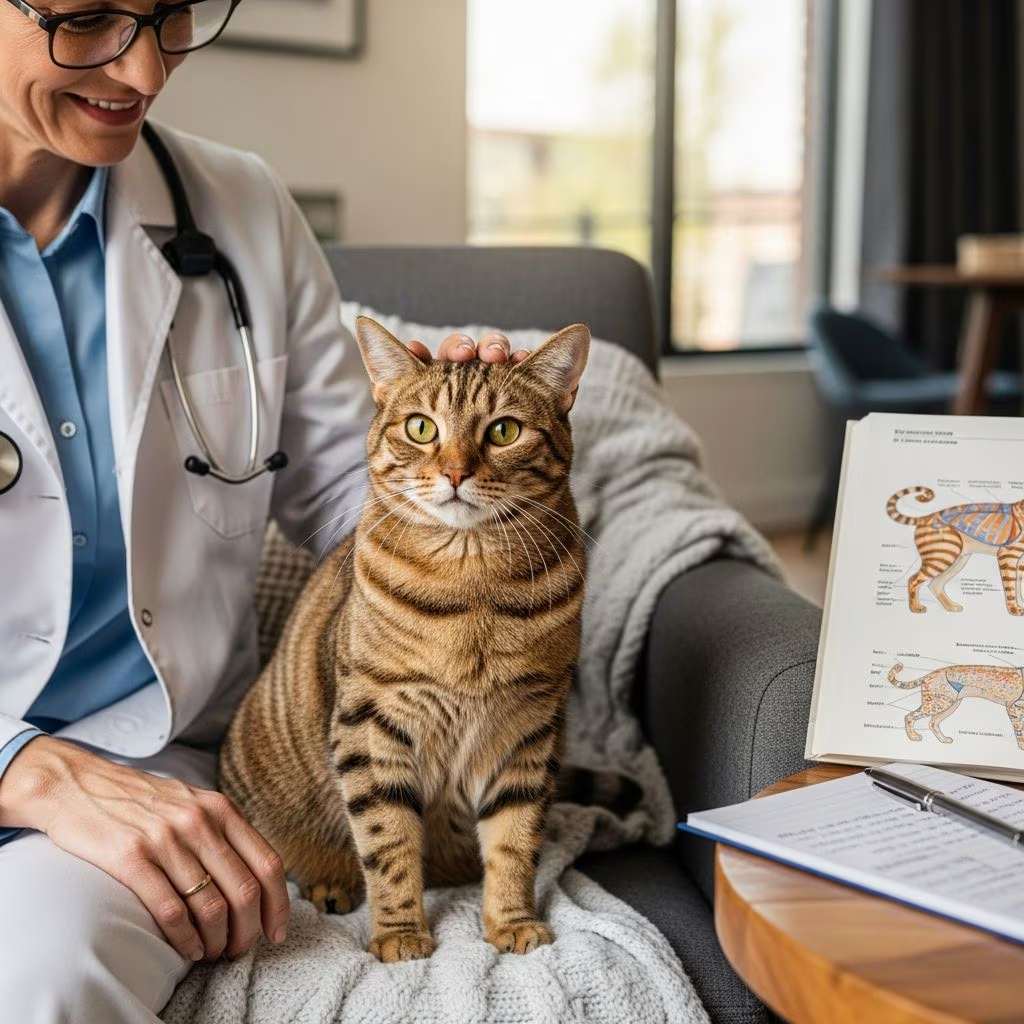
A diagnosis of Feline Immunodeficiency Virus (FIV) can feel overwhelming, but it doesn’t mean your cat’s life is over. With proper care and attention, FIV-positive cats can live happily for many years, often matching the lifespan of uninfected cats. The key is understanding how to manage this condition and making informed decisions about your cat’s living environment, nutrition, and healthcare. This comprehensive guide provides eight vet-verified tips to help you care for your FIV-positive cat and ensure they enjoy the best quality of life possible.
Understanding FIV in Cats
Before diving into care strategies, it’s important to understand what FIV is. Feline Immunodeficiency Virus attacks the immune system of infected cats, making them more vulnerable to secondary infections and illnesses. However, FIV is not a death sentence. Many cats with FIV can live normal, healthy lives when provided with appropriate care and regular veterinary monitoring. The virus is transmitted primarily through deep bite wounds, which is why outdoor cats and those who fight frequently are at higher risk.
1. Keep Your Cat Inside
One of the most important steps you can take is keeping your FIV-positive cat indoors exclusively. Outdoor environments expose cats to numerous diseases, parasites, and other threats that can be particularly dangerous for cats with compromised immune systems. An indoor cat has significantly fewer opportunities to encounter pathogens that could trigger secondary infections.
Additionally, keeping your cat inside protects other cats in your community. If your FIV-positive cat escapes or has contact with other felines, they could transmit the virus through bite wounds. Indoor housing is one of the most straightforward and effective ways to safeguard both your cat’s health and the health of other cats around you.
2. Spay or Neuter Your Cat
If your FIV-positive cat hasn’t been spayed or neutered, consult your veterinarian about scheduling the procedure. Intact cats, particularly unneutered males, are significantly more prone to fighting with other cats. For FIV-positive felines, this is especially problematic because their weakened immune systems struggle to heal wounds and fight off infections that result from these confrontations.
Spaying or neutering also reduces roaming behavior, which decreases the likelihood of exposure to other infected cats or diseases. Additionally, unspayed female cats risk developing pyometra, a life-threatening uterine infection that can be devastating for FIV-positive cats. Neutering also prevents transmission of FIV through mating, though this is a less common route of transmission compared to bite wounds.
3. Lower the Stress Levels
Stress is particularly harmful for cats with FIV, as it can further compromise their already weakened immune systems and trigger behavioral or medical problems. Creating a calm, low-stress environment is essential for their wellbeing. Many FIV-positive cats do best as only pets in their household, though if they’re already accustomed to living with other cats, gradual introductions and careful monitoring can work.
To minimize stress in your home, provide abundant resources including multiple litter boxes, comfortable beds, engaging toys, and separate food and water bowls. This prevents competition and territorial disputes, which are sources of stress for cats. Limit household changes as much as possible, maintain a consistent routine, and monitor your cat for stress-related behaviors such as inappropriate urination, excessive hiding, or overgrooming. These behaviors are signals that your cat needs adjustments to their environment.
4. Choose the Right Diet
Nutrition plays a crucial role in maintaining immune health for FIV-positive cats. Feed your cat a high-quality, nutritionally balanced commercial diet that contains all essential nutrients, vitamins, minerals, and amino acids. Commercial feline diets are formulated to meet these requirements and are superior to most home-cooked alternatives, which often lack critical nutrients despite good intentions.
Never feed raw or undercooked foods to FIV-positive cats. Their weakened immune systems cannot effectively combat the bacteria and parasites found in raw diets, putting them at serious risk of foodborne illness. This applies to raw meat, raw fish, and unpasteurized dairy products. Stick with high-quality commercial cat foods and consult your veterinarian if you’re interested in specialized dietary options for your FIV-positive cat.
5. Maintain Excellent Dental Health
Dental disease can be a significant concern for cats with compromised immune systems. Establish a dental care routine to prevent infections and maintain your cat’s overall health. Start by gradually acclimating your cat to having their mouth handled. Use a cat toothbrush with feline-friendly toothpaste, and reward your cat with treats for allowing you to brush their teeth.
If brushing proves challenging, explore alternative dental care options. Dental treats, water additives formulated for oral health, and specialized dental diets can all contribute to maintaining healthy teeth and gums. Discuss these options with your veterinarian to determine which products would be most beneficial for your specific cat. Regular professional dental cleanings may also be recommended by your vet to prevent serious dental infections.
6. Don’t Neglect the Preventatives
Even though your FIV-positive cat lives indoors, they still need regular monthly parasite prevention. Fleas can enter your home through other pets or even on your clothing or shoes, and they can transmit diseases and parasitic infections that pose serious risks to immunocompromised cats. Select a preventative medication that protects against fleas, ear mites, intestinal worms, and heartworms.
Oral or topical preventative products are more effective than collars or shampoos, and your veterinarian can recommend the best option for your cat based on their specific needs and health status. Consistent use of parasite prevention is a non-negotiable aspect of caring for FIV-positive cats. Additionally, ensure your cat receives all recommended vaccinations and has regular veterinary check-ups to catch and treat any health issues early.
7. Schedule Regular Veterinary Check-Ups
FIV-positive cats require more frequent veterinary monitoring than healthy cats. Your veterinarian should see your cat at least every six months, though more frequent visits may be necessary depending on your cat’s age and health status. These visits typically include blood and urine tests to assess overall health, monitor immune function, and detect potential secondary infections before they become serious problems.
During these appointments, your veterinarian will monitor your cat’s weight, as weight loss is often one of the first signs of declining health in FIV-positive cats. Provide your veterinarian with detailed information about your cat’s clinical signs, lifestyle, vaccination history, and any behavioral changes you’ve noticed. This comprehensive information helps ensure accurate diagnosis and tailored care for your cat’s individual needs. Your vet can also recommend appropriate treatments or supplements to support immune health.
8. Deal with Infection or Illness Immediately
FIV-positive cats are susceptible to secondary infections and illnesses that can quickly become serious. Any signs of illness—including lethargy, loss of appetite, sneezing, coughing, diarrhea, or skin issues—warrant immediate veterinary attention. Prompt treatment is essential to prevent minor infections from developing into serious complications that could compromise your cat’s health or quality of life.
While there is currently no cure for FIV, supportive care and timely treatment of secondary conditions can significantly improve your cat’s quality of life and lifespan. Some antiviral therapies like interferons or AZT may be prescribed for symptomatic cats, though these do not cure FIV and may come with side effects. The focus should be on maintaining overall health, preventing complications, and ensuring your cat remains comfortable and happy.
Preventing FIV Infections
If you don’t currently have an FIV-positive cat, prevention is paramount. The best way to protect your cat from FIV is to keep them indoors. If your cat spends time outdoors, discuss FIV vaccination with your veterinarian, though vaccine availability varies by region. Regular testing for FIV and feline leukemia virus (FeLV) is also recommended for at-risk cats.
When adopting a new cat, always ensure they test negative for both FIV and FeLV before allowing them to interact with your existing cats. Quarantine new cats for at least two weeks before full introductions. If your cat is exposed to FIV through an escape or accident, contact your veterinarian immediately to discuss post-exposure options.
Can FIV-Positive Cats Live With Other Cats?
A common misconception is that FIV-positive cats cannot live with uninfected cats. However, research shows that FIV-positive cats can safely cohabitate with FIV-negative cats during normal day-to-day interactions. The virus is only transmitted through deep bite wounds that allow infected blood to come into contact with open wounds. Casual contact—sharing food bowls, litter boxes, or grooming each other—does not transmit FIV.
That said, careful management is important. Minimize the risk of fighting by keeping cats separated during tense moments, providing abundant resources, and considering spaying or neutering to reduce aggressive behavior. Monitor their interactions closely and be prepared to separate them if conflicts arise. Many FIV-positive cats thrive in multi-cat households when proper precautions are taken.
Frequently Asked Questions
Q: Is FIV in cats a death sentence?
A: No. With proper care, many FIV-positive cats live long, healthy lives that match the lifespan of uninfected cats. Euthanasia is not necessary following an FIV diagnosis.
Q: How is FIV transmitted between cats?
A: FIV is primarily transmitted through deep bite wounds. It can also be transmitted through sexual contact or from mother to kittens, but casual contact such as sharing food bowls or grooming does not spread the virus.
Q: Can my FIV-positive cat go outside?
A: It’s not recommended. Outdoor exposure increases your cat’s risk of secondary infections and parasites that their immune system cannot effectively fight. Additionally, outdoor access increases the risk of transmitting FIV to other cats.
Q: What should I feed an FIV-positive cat?
A: Feed a high-quality, nutritionally balanced commercial feline diet. Avoid raw or undercooked foods, as FIV-positive cats’ immune systems cannot combat bacteria and parasites in raw diets. Consult your veterinarian about the best diet for your specific cat.
Q: How often should I take my FIV-positive cat to the vet?
A: FIV-positive cats should visit the veterinarian at least every six months, though more frequent visits may be necessary. Regular check-ups help catch secondary infections early and monitor overall health.
Q: Is there a cure for FIV?
A: Currently, there is no cure for FIV. Treatment focuses on managing secondary infections, maintaining quality of life, and preventing the virus’s spread to other cats.
Conclusion
A diagnosis of FIV is no longer the devastating prognosis it once was. Many FIV-positive cats can live normal, happy lives with appropriate care and management. By following these eight vet-verified tips—keeping your cat indoors, spaying or neutering, reducing stress, providing proper nutrition, maintaining dental health, using preventatives, scheduling regular vet visits, and addressing illnesses promptly—you can give your FIV-positive cat the best possible quality of life. If you’re interested in adopting an FIV-positive cat, contact special needs rescue groups in your area. These dedicated organizations can help match you with a cat that needs a loving home and provide additional support and guidance throughout your cat’s life.
References
- How to Care for a Cat with FIV: 8 Vet-Verified Tips for Better Feline Health — Catster. 2024. https://www.catster.com/cat-health-care/how-to-care-for-a-cat-with-fiv/
- Can FIV+ Cats Live With Other Cats? Our Vet Explains the Science — Catster. 2024. https://www.catster.com/ask-the-vet/can-cats-with-fiv-live-with-other-cats/
- FIV in Cats (Feline Immunodeficiency Virus): Vet Explained Causes, Symptoms, and Treatment — Catster. 2024. https://www.catster.com/ask-the-vet/fiv-in-cats/
- Feline Immunodeficiency Virus (FIV) — International Cat Care. https://icatcare.org/articles/feline-immunodeficiency-virus-fiv
- Vet Insights: Don’t Believe This Myth About FIV in Cats — Zumalka. https://www.zumalka.com/blogs/blog-pet-health/vet-insights-fiv-in-cats-myth-busted



