

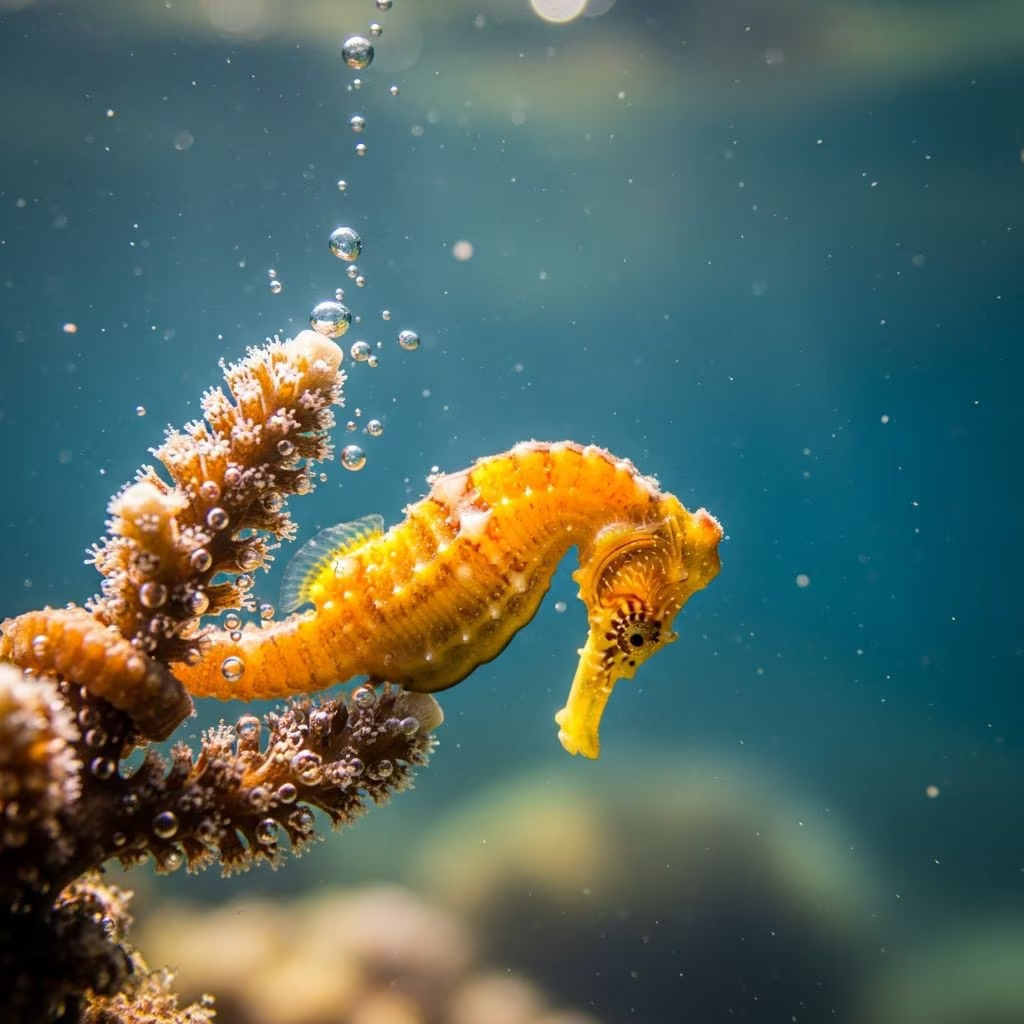
How to Care for a Pet Seahorse
Seahorses are fascinating and unique marine creatures that can make wonderful additions to a saltwater aquarium when provided with proper care and attention. These delicate, slow-moving fish require specific environmental conditions and dedicated maintenance to thrive in a home aquarium. Unlike many other fish species, seahorses have specialized needs that demand careful consideration before bringing them home. This comprehensive guide will walk you through everything you need to know to successfully maintain healthy and happy pet seahorses.
Understanding Seahorse Basics
Before setting up your seahorse aquarium, it’s essential to understand what makes these creatures special. Seahorses are sedentary fish that spend most of their time anchored to seagrass or coral using their prehensile tails. They are slow swimmers and docile by nature, preferring calm environments with gentle water flow. Their unique appearance and breeding behaviors, where males carry eggs in a brood pouch, make them particularly interesting to observe.
Seahorses are generally peaceful and can coexist with other non-aggressive tank mates, though they do best in species-specific tanks or with carefully selected companions. Their small mouths and slow feeding habits mean they require a different approach to feeding than most other aquarium fish. Understanding these fundamental characteristics will help you create an optimal environment for their long-term health.
Setting Up Your Seahorse Tank
Tank Size and Configuration
The minimum tank size for seahorses depends on the species and number of individuals. Experts recommend a tank of at least 30 gallons for a pair of seahorses, with an additional 10 gallons for each additional pair. This generous sizing ensures adequate water volume for maintaining stable water parameters and provides sufficient space for the seahorses to move and anchor to decorations.
Tank configuration is equally important as size. A taller tank is often better than a wide one, as seahorses prefer vertical spaces where they can anchor at various heights. Avoid tanks with powerful currents or high-flow filtration systems, as seahorses are poor swimmers and can become exhausted trying to navigate strong water movement.
Substrate and Decoration
A properly prepared substrate provides essential benefits for your seahorse tank. A live sand bed measuring 3/4-inch to 1-inch deep works well for the main tank. This depth allows beneficial bacteria to establish while providing a natural appearance. However, avoid adding live rock or live sand to dwarf seahorse tanks, as small organisms in these materials, particularly hydroids and parasites, can be harmful to these miniature species.
Decorations should include plenty of anchoring points for your seahorses. Sea grass, artificial plants, and stable corals allow seahorses to hold onto their environment using their tails. These structures also help create natural feeding stations and provide visual interest. Ensure all decorations are securely positioned so they won’t shift or topple, potentially injuring your seahorses.
Water Parameters and Maintenance
Critical Water Conditions
Maintaining pristine water conditions is absolutely essential for seahorse health. These sensitive creatures require precise parameter ranges to thrive:
| Parameter | Ideal Range | Notes |
|---|---|---|
| Temperature | 72-78°F | Some species prefer cooler temperatures; maintain consistency |
| pH Level | 8.1-8.4 | Critical for maintaining proper water chemistry |
| Salinity | 1.021-1.025 (28-32 ppt) | Use reef-specific salt mix for optimal balance |
| Alkalinity | Balanced | Support calcium and pH stability |
| Nitrates | Low levels | Regular maintenance keeps levels in check |
Filtration and Flow
Gentle, consistent water flow is crucial for seahorse tanks. A filtration rate of approximately 4 times per hour ensures adequate water circulation without creating strong currents that stress your seahorses. Avoid powerful powerheads or wave makers that generate high-flow conditions. Instead, use gentle circulation pumps and position filter outlets to create minimal disturbance.
Incorporate a refugium into your system if possible. This separate chamber allows macroalgae to grow, consuming excess nutrients naturally. Maintain gentle flow through the refugium to prevent detritus buildup while allowing nutrient exchange. Regularly prune macroalgae to prevent overgrowth and maintain optimal nutrient export.
Monitoring and Testing
Regular water testing is non-negotiable when keeping seahorses. Check temperature daily to ensure consistency. Perform comprehensive water quality tests weekly, measuring pH, salinity, alkalinity, and nitrate levels. If any parameters fall outside the ideal range, increase testing frequency until conditions stabilize.
An auto top-off system is highly recommended to maintain constant salinity as water evaporates. This device automatically adds fresh water to replace evaporative loss, preventing the salinity from fluctuating. Consistent salinity protects your seahorses’ delicate osmoregulatory systems.
Routine Cleaning and Maintenance
Establish a regular maintenance schedule to keep your seahorse tank in peak condition. Perform partial water changes of 20-25% every two to four weeks using dechlorinated water that matches the tank’s temperature and salinity. Avoid large water changes that remove too many beneficial bacteria.
Use a gravel vacuum to clean the substrate during water changes, removing detritus and waste products. Regularly remove algae from tank walls and decorations using algae scrapers. Clean filter media monthly to ensure efficient filtration, replacing pads as needed and rinsing mechanical filters without damaging beneficial bacteria. Inspect all equipment, including heaters and pumps, to verify proper function.
Feeding Your Seahorses
Dietary Requirements
Seahorses are carnivorous and require a diet of small, meaty foods. Their small mouths and slow eating habits mean they need appropriately sized prey items. High-quality frozen foods form the foundation of a proper seahorse diet, with mysis shrimp being the gold standard. These nutrient-rich crustaceans provide excellent nutrition and are readily accepted by most seahorse species.
A varied diet ensures complete nutrition. Include enriched brine shrimp, plankton, and other small crustaceans to provide dietary diversity. Seahorses have small stomachs and high metabolisms, requiring frequent feedings to maintain their energy levels and health.
Feeding Frequency and Techniques
Feed seahorses at least 2-3 times daily, adjusting frequency based on appetite and individual health status. Smaller, more frequent meals ensure they receive adequate nutrition without overwhelming their digestive systems.
Three proven feeding methods work well for seahorses:
- Hand Feeding: Offer food directly by hand, allowing seahorses to become accustomed to your presence. This interactive method enables you to monitor individual health closely and works particularly well for smaller colonies. Hand feeding also helps transition seahorses from live to frozen foods by mimicking natural prey movement.
- Feeding Stations: Create designated feeding areas using low bowls or platforms. Most seahorses learn to return to feeding stations within weeks. Use a turkey baster to add food directly to the station, making cleanup easier and maintaining better water quality.
- Free Feeding: Pour food into the tank and remove uneaten portions later. While convenient for large colonies, this method can allow food to spoil and degrade water quality if not carefully monitored.
Nutritional Enhancement
Incorporate vitamin-enriched foods to prevent nutritional deficiencies and support immune function. Many frozen foods come pre-enriched with essential vitamins. Additionally, soak frozen or live foods in liquid vitamins or marine supplements designed for fish before offering them to your seahorses.
Monitor your seahorses regularly for signs of vitamin deficiencies, including weight loss, lethargy, or color changes. Adjust their diet and supplementation regimen as needed. For breeding seahorses, provide nutrient-rich foods and consider supplementing with small amounts of marine algae to support reproductive health.
Acclimation and Quarantine
Proper acclimation is crucial when introducing seahorses to your aquarium. If you’ve purchased wild-caught or net pen-raised seahorses, quarantine them for a minimum of 9 weeks in a separate tank. This extended quarantine allows for de-worming treatment and enables you to observe the seahorses for signs of disease before introducing them to your main display tank.
During acclimation, gradually introduce your seahorses to the aquarium by floating the transportation bag in the tank for 15-20 minutes to equalize temperatures. Then slowly add small amounts of aquarium water to the bag over 30 minutes before gently releasing the seahorses into the tank. This gradual process prevents osmotic shock and reduces stress.
Understanding Seahorse Behavior
Feeding Habits and Characteristics
Seahorses are slow, deliberate eaters that use their elongated snouts to suction in small prey items. They require food to be delivered directly to them rather than hunting actively. Position your feeding station in a low-flow area to ensure food reaches your seahorses before being swept away. Their feeding style means they may miss food moving too quickly or placed too far away.
Breeding and Courtship
One of the most remarkable seahorse behaviors is their unique reproductive system. Males carry eggs in a brood pouch, incubating them until they’re ready for independence. Observing courtship behaviors provides fascinating insights into seahorse biology. Breeding pairs perform synchronized swimming dances as part of their courtship ritual.
If you observe courtship behaviors, be prepared to support breeding seahorses with increased feeding frequency and nutrient-rich foods to meet their elevated nutritional demands. Provide ample spawning sites and maintain stable tank conditions to support successful breeding.
Health Monitoring and Disease Prevention
Common Health Issues
Seahorses are susceptible to various illnesses when kept in suboptimal conditions. Preventative care through regular water changes, proper filtration, and avoiding overcrowding minimizes stress, which is a primary threat to seahorse health. Stress weakens their immune system and makes them vulnerable to infections and parasitic infestations.
Monitor water parameters regularly to identify and address issues such as ammonia spikes or pH fluctuations before they cause health problems. Regular observation allows you to catch illness early, when treatment options are most effective.
Signs of Good Health
Healthy seahorses display active behavior, maintain consistent coloration, and eat regularly. Their body should appear full rather than emaciated, and their bony plates should appear smooth without lesions. Regularly inspect your seahorses for any unusual spots, discoloration, or behavioral changes that might indicate illness.
Special Considerations for Dwarf Seahorses
Dwarf seahorses require daily attention and close monitoring. These miniature species are more fragile than larger seahorse varieties and are particularly sensitive to water quality fluctuations. Avoid live rock and live sand in dwarf seahorse tanks, as small organisms in these materials pose significant risks.
Enrichment is absolutely critical for dwarf seahorses. While baby brine shrimp provide adequate calories, they lack nutritional density without enrichment. Purchase liquid or powdered enrichments, or use spirulina powder to boost nutritional value. Aerate enrichment containers to ensure proper distribution before feeding.
Frequently Asked Questions
Q: What is the minimum tank size for seahorses?
A: A minimum of 30 gallons for a pair of seahorses is recommended, with an additional 10 gallons for each additional pair. Larger tanks provide more stable water parameters and better accommodate seahorse behavior.
Q: How often should I feed my seahorses?
A: Feed seahorses at least 2-3 times daily. They have small stomachs and high metabolisms, requiring frequent feedings to maintain optimal health and energy levels.
Q: Can seahorses live with other fish?
A: Seahorses can coexist with peaceful, non-aggressive species that won’t outcompete them for food or harass them. Species-specific tanks are ideal, especially for dwarf seahorses.
Q: What temperature should I maintain for seahorses?
A: Maintain temperatures between 72-78°F, with some species preferring slightly cooler water. Consistent temperature is more important than hitting the exact middle of the range.
Q: How do I transition wild-caught seahorses to captivity?
A: Quarantine wild-caught or net pen-raised seahorses for a minimum of 9 weeks. During this period, provide de-worming treatment and gradually train them to accept frozen foods before introducing them to your display tank.
Q: What are the best foods for seahorses?
A: High-quality frozen mysis shrimp form the foundation of a seahorse diet. Supplement with enriched brine shrimp, plankton, and other small crustaceans. Use vitamin-enriched foods or soak foods in supplements to ensure complete nutrition.
Q: How do I know if my seahorse is healthy?
A: Healthy seahorses are active, maintain consistent coloration, eat regularly, and have full bodies without lesions. Regularly inspect them for unusual spots, discoloration, or behavioral changes.
References
- Ultimate Guide to Successfully Taking Care of Seahorses — Top Shelf Aquatics. 2024. https://topshelfaquatics.com/blogs/news/aquarium-for-seahorses
- Guide To Keeping Healthy Pet Seahorses — PetMD. 2024. https://www.petmd.com/fish/guide-keeping-healthy-pet-seahorses
- Rules You Should Follow To Keep Your Seahorse Aquarium Thriving — Bulk Reef Supply. 2018. https://www.bulkreefsupply.com/content/post/md-2018-06-secrets-for-success-rules-you-should-follow-to-keep-your-seahorse-aquarium-thriving
- Keeping Dwarf Seahorses — Instructables. 2024. https://www.instructables.com/Keeping-Dwarf-Seahorses/
- A Beginner’s Guide to Keeping Seahorses — Chewy. 2024. https://www.chewy.com/education/fish/saltwater-fish/a-beginners-guide-to-keeping-seahorses
- Basic Marine Seahorse Care Guide — Pisces Pet Emporium. 2024. https://piscespets.com/blogs/news/basic-marine-seahorse-care-guide



