

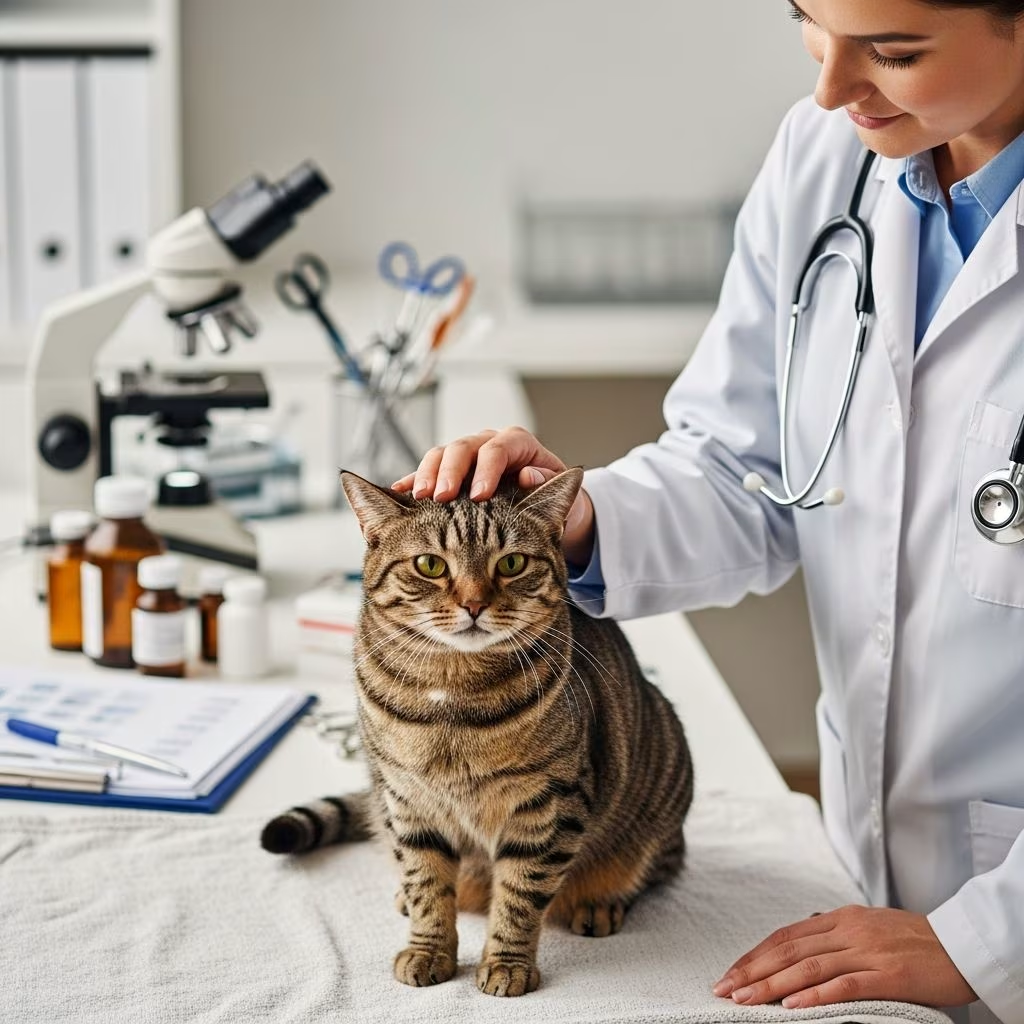
Feline Immunodeficiency Virus (FIV) compromises a cat’s immune system, making them prone to infections, but with diligent care, many FIV-positive cats enjoy normal lifespans and high quality of life. Unlike the myths that once surrounded it, FIV is manageable through lifestyle adjustments, preventive measures, and regular veterinary oversight. This guide outlines eight essential, vet-recommended strategies to support your cat’s well-being, drawing from clinical insights on nutrition, environment, and health maintenance.
How to Care for a Cat with FIV
Caring for an FIV-positive cat focuses on bolstering their immune defenses, minimizing risks, and addressing secondary issues promptly. Key practices include environmental control, nutritional support, and vigilant monitoring to prevent opportunistic infections.
1. Keep Your Cat Inside
The simplest yet most impactful step is transitioning your FIV-positive cat to exclusive indoor living. Outdoor exposure heightens risks of parasites, diseases, and fights—primary transmission routes for FIV via deep bite wounds. Indoor cats face fewer pathogens, reducing strain on their weakened immunity. Additionally, keeping FIV+ cats inside prevents spreading the virus to neighborhood felines during territorial scuffles.
To enrich indoor life, provide vertical spaces like cat trees, window perches for bird-watching, and interactive toys. These mimic outdoor stimulation without hazards. Studies affirm indoor-only FIV+ cats maintain better health profiles compared to roamers. Transition gradually if needed, using pheromone diffusers to ease anxiety.
2. Spay or Neuter Your Cat
Spaying or neutering is crucial for FIV+ cats, especially intact males prone to roaming and fighting, which exacerbate injury risks and slow healing due to immune compromise. Unspayed females face pyometra—a uterine infection potentially fatal in immunocompromised cats.
These procedures curb aggression, reduce bite-wound transmission, and prevent vertical spread to kittens (though rare). Consult your vet on timing; many perform surgeries safely on FIV+ cats with pre-op bloodwork. Post-surgery, monitor incision sites closely, as healing may lag.
3. Lower the Stress Levels
Stress exacerbates FIV progression by suppressing immunity, leading to behavioral issues like inappropriate elimination or overgrooming. FIV+ cats thrive in stable, low-stress homes—ideally as solo pets unless pre-socialized with housemates.
- Supply ample resources: one litter box per cat plus one extra, multiple feeding stations, scratching posts, and resting spots to avoid competition.
- Minimize changes: Introduce new pets gradually with scent swapping and supervised meetings.
- Enrich environment: Puzzle feeders, laser pointers, and daily play sessions combat boredom.
- Monitor signs: Hiding, appetite loss, or aggression signal stress; consult vets for calming aids like gabapentin or Feliway.
A calm demeanor supports immune function, with research showing stressed FIV+ cats deteriorate faster.
4. Choose the Right Diet
Nutrition is foundational; feed premium, complete commercial cat foods meeting AAFCO standards for all life stages, rich in proteins, antioxidants, and omega-3s to bolster immunity. Avoid raw or undercooked meats—FIV+ cats can’t combat bacteria like Salmonella or parasites effectively. Home-cooked diets often lack balance; vet-formulated options with added taurine and vitamins are safer.
For weight management, use senior or immune-support formulas if recommended. Transition foods slowly over 7-10 days to prevent GI upset. High-moisture wet foods aid hydration, crucial as FIV advances kidney risks.
5. Prioritize Dental Hygiene
Dental disease is rampant in FIV+ cats due to immune vulnerabilities; gingivitis and stomatitis cause pain, eating refusal, and systemic spread. Daily toothbrushing with enzymatic paste prevents plaque buildup.
- Start with finger wipes, progressing to pet toothbrushes.
- Supplements like dental gels or chews reduce tartar.
- Vet dental cleanings under anesthesia may be needed biannually.
Water additives and prescription diets control bacteria. Neglect leads to anorexia; proactive care sustains nutrition.
6. Don’t Neglect the Preventatives
Even indoors, parasites hitch rides on owners, other pets, or vectors—fleas transmit tapeworms, mites cause anemia. Monthly broad-spectrum preventatives guard against fleas, ticks, heartworms, ear mites, and intestinal worms.
Prefer vet-prescribed oral/topicals over collars/shampoos for efficacy. Regular deworming prevents overload on immunity.
7. Schedule Regular Vet Visits
Biannual check-ups with bloodwork, urinalysis, and weight tracking catch issues early—FIV+ cats mask symptoms until advanced. Vets tailor antivirals like AZT or interferons for flare-ups, though no cure exists. Discuss immune supplements (e.g., antioxidants) judiciously. Prompt secondary infection treatment is vital.
8. Monitor for Secondary Illnesses
Vigilance for symptoms like fever, lethargy, weight loss, or lymphadenopathy prompts immediate care. Cancer, anemia, or FeLV co-infection worsens prognosis—test annually. Supportive therapies maintain vitality.
Preventing FIV Infections
Prevention trumps management: Keep cats indoors, test/vaccinate outdoor cats (where available), and quarantine newcomers for 2+ weeks with FeLV/FIV screening. Avoid fights; neuter reduces risks. Post-exposure, consult vets ASAP. Breeders limit outdoor access.
Frequently Asked Questions (FAQs)
Can FIV+ cats live long, happy lives?
Yes, many match non-FIV cats’ lifespans (10-15+ years) with proper care, absent FeLV.
Can FIV+ cats live with FIV- cats?
Generally safe in multi-cat homes if no aggression; virus doesn’t spread via sharing or grooming. Monitor introductions.
Is there a cure or vaccine for FIV?
No cure; focus on supportive care. Vaccine existed but discontinued in some areas due to efficacy issues.
Should I euthanize an FIV+ cat?
No—it’s not a death sentence. Quality of life guides decisions.
Conclusion
FIV+ cats deserve loving homes; rescues specialize in them. Implement these tips for thriving companions. Early diagnosis and adherence yield rewarding bonds.
References
- How to Care for a Cat with FIV: 8 Vet-Verified Tips — Catster. 2023-10-15. https://www.catster.com/cat-health-care/how-to-care-for-a-cat-with-fiv/
- Vet Insights: FIV in Cats—Myth Busted — ZuMalka. 2024-05-20. https://www.zumalka.com/blogs/blog-pet-health/vet-insights-fiv-in-cats-myth-busted
- FIV in Cats: Vet Explained Causes — Catster (Ask the Vet). 2024-02-10. https://www.catster.com/ask-the-vet/fiv-in-cats/
- Can Cats with FIV Live with Other Cats? — Catster (Ask the Vet). 2023-11-05. https://www.catster.com/ask-the-vet/can-cats-with-fiv-live-with-other-cats/
- Feline Immunodeficiency Virus (FIV) — International Cat Care. 2023-08-12. https://icatcare.org/articles/feline-immunodeficiency-virus-fiv



