

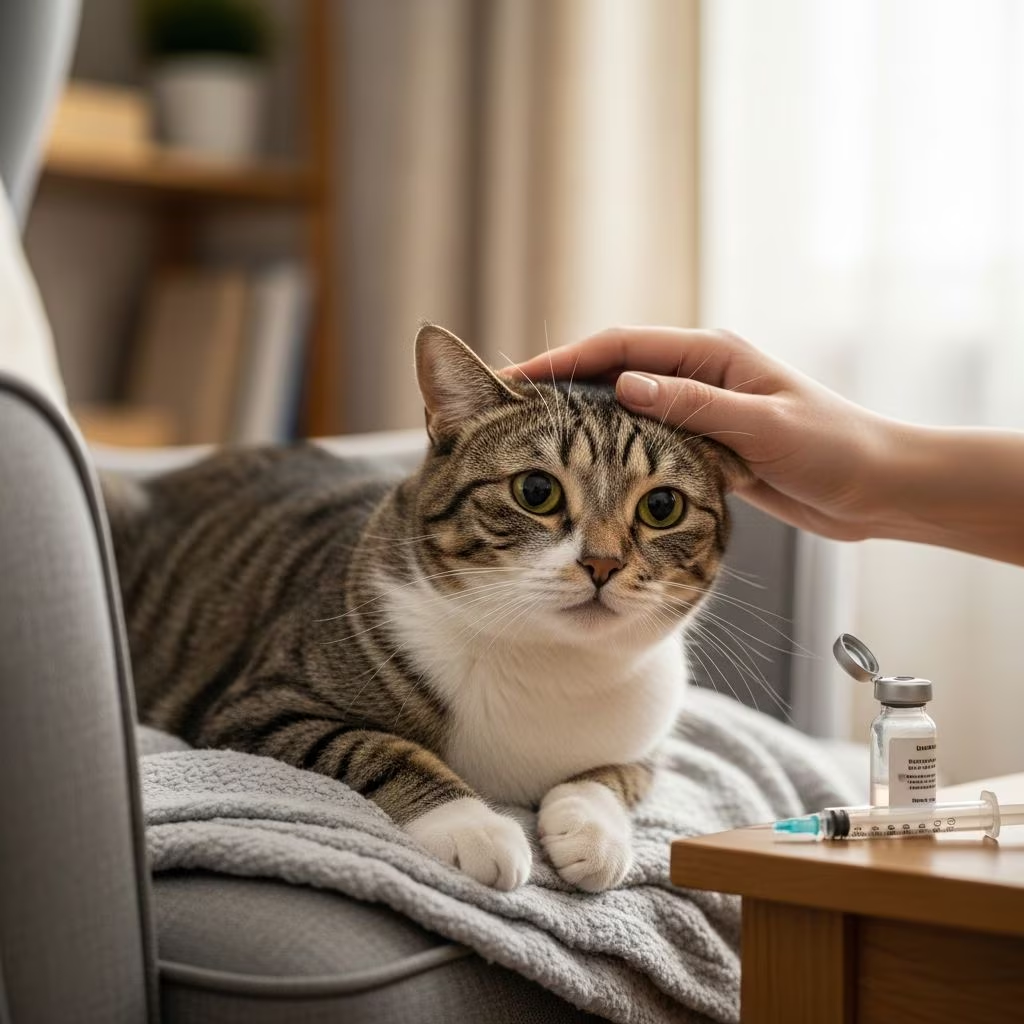
Diabetes mellitus in cats is a manageable chronic condition requiring lifelong commitment to insulin therapy, diet, and monitoring. With proper care, many cats achieve good quality of life and even remission.
What Is Diabetes in Cats?
Diabetes in cats occurs when the pancreas fails to produce sufficient insulin or the body becomes resistant to it, leading to elevated blood glucose levels. This results in symptoms like excessive thirst, urination, weight loss despite increased appetite, and lethargy. Unlike type 2 diabetes in humans, feline diabetes often necessitates insulin treatment from diagnosis, as diet alone rarely reverses it.
The disease primarily affects middle-aged to older cats, with risk factors including obesity, genetics, and concurrent conditions like pancreatitis or hyperthyroidism. Early detection through veterinary blood tests is crucial for successful management.
Diagnosis of Feline Diabetes
Veterinarians diagnose diabetes via persistent hyperglycemia (blood glucose >200 mg/dL), glucosuria, and clinical signs. Additional tests rule out stress-induced hyperglycemia or other illnesses. Continuous glucose monitoring (CGM) devices aid accurate assessment, targeting 5–20 mmol/L (90–360 mg/dL) for control.
Treatment Options for Diabetic Cats
The cornerstone of treatment is insulin combined with dietary modification. Oral medications are rarely effective in cats and not recommended as primary therapy. Insulin glargine (Lantus) or protamine zinc insulin (PZI/ProZinc) starts at 1–2 units subcutaneously every 12 hours per cat, adjusted based on response.
Hospitalization may be needed for severe cases like diabetic ketoacidosis, involving intensive glucose control before home management. Treatment of predisposing factors, such as avoiding steroids, enhances outcomes.
Starting Insulin Therapy in Cats
Post-diagnosis, vets calculate initial doses by weight, typically 0.25–0.5 units/kg, starting low at 1–2 units/cat twice daily. Owners learn injection techniques using syringes or pens for subcutaneous administration, ideally into scruff or flank skin.
| Step | Action |
|---|---|
| 1. Prepare insulin | Gently roll vial; draw exact dose into syringe |
| 2. Feed first | Offer meal before injection to prevent hypoglycemia |
| 3. Inject | Pinch skin, insert needle at 45 degrees, inject slowly |
| 4. Monitor | Observe for 30–60 minutes post-injection |
Schedule a glucose curve 7–10 days after starting: feed and inject at home, then bring cat to clinic by 8 AM for serial sampling.
Ideal Diet for Cats with Diabetes
Low-carbohydrate diets (<12–25% metabolizable energy, <5g>
- Consistent timing: Meals at insulin doses (e.g., 8 AM, 8 PM)
- Avoid free-feeding high-carb treats
- Target ideal body condition score (BCS 4–5/9)
- Transition gradually over 7 days
Diets increase remission chances; ensure palatability to maintain intake, as consistent eating prevents crises. Use tools like Pet Nutrition Alliance calculators for customization.
Monitoring Your Diabetic Cat at Home
Owners monitor clinical signs daily: appetite, water intake (correlates with average BG), weight, urination, and activity. Keep a diary logging these, plus insulin doses.
Home BG testing via ear/prick or CGM tracks curves (ideal nadir 80–150 mg/dL 4–6 hours post-insulin). Urine glucose strips detect trends but are less precise. Vet visits every 1–2 weeks initially, then monthly.
- Weigh weekly
- Track water bowl refills
- Note litter box output
- Alert vet to changes
Adjusting Insulin Doses
Doses adjust stepwise (0.5–1 unit increments) based on curves, targeting clinical improvement and BG 90–360 mg/dL. If BG consistently high, increase; if low, decrease. Recheck every 7–14 days until stable. Owner commitment prevents inconsistencies leading to complications.
Hypoglycemia (Low Blood Sugar) in Cats
Hypoglycemia (BG <60 mg/dL) is a life-threatening risk from overdose, missed meals, or excess exercise. Signs: weakness, tremors, disorientation, seizures, coma.
Treatment: Rub sugar water/corn syrup on gums (1–2 tsp), followed by a meal. Seek emergency vet care if unresponsive. Prevention: Feed before insulin, monitor post-dose.
Diabetic Remission in Cats
Up to 30–80% of cats achieve remission (no insulin needed) within months, especially if treated early with glargine, low-carb diet, and weight loss. It’s not a cure; lifelong monitoring is required, as relapse occurs. Factors: lean body weight, short symptom duration.
Complications of Feline Diabetes
Untreated or poorly managed diabetes risks ketoacidosis (vomiting, dehydration), neuropathy (plantigrade stance), infections, and organ damage. Consistent care minimizes these.
Living with a Diabetic Cat: Tips for Success
Maintain routines: fixed feeding/injection times, exercise (play therapy for weight control, monitored to avoid glucose drops). Travel: Pack insulin (refrigerated), syringes, food; boarders must be briefed. Multi-cat homes: Separate feeding to ensure intake.
Annual bloodwork screens comorbidities. Quality of life improves with regulation; many cats live 2–4+ normal years post-diagnosis.
Frequently Asked Questions (FAQs)
What are the early signs of diabetes in cats?
Increased thirst, urination, appetite, weight loss, and lethargy signal diabetes.
How often do I give insulin to my cat?
Typically twice daily, every 12 hours, with meals.
Can my cat go into remission from diabetes?
Yes, many do with early intensive management, low-carb diet, and glargine insulin.
What if my cat refuses to eat its diabetic food?
Prioritize eating; stabilize on preferred food, then transition. Consistency trumps perfection.
How do I know if my cat has low blood sugar?
Watch for shakiness, stumbling, or seizures; treat with oral sugar immediately.
Is a special diet mandatory for diabetic cats?
Highly recommended; low-carb reduces insulin needs and boosts remission odds.
References
- Diabetes Home Care in Cats — Fairhaven Veterinary Hospital. Accessed 2026. https://fairhavenvet.com/diabetes-home-care-in-cats/
- iCatCare 2025 Consensus Guidelines on the Diagnosis and Management of Diabetes Mellitus in Cats — PMC. 2025. https://pmc.ncbi.nlm.nih.gov/articles/PMC12612538/
- Managing Diabetes in Cats — Merck Animal Health USA. Accessed 2026. https://www.merck-animal-health-usa.com/pet-owners/vetsulin/cats/diabetes-managing/
- Diabetes Educational Toolkit — American Association of Feline Practitioners (AAFP). 2024-01. https://catvets.com/wp-content/uploads/2024/01/AAFP-DiabetesToolkit-Full.pdf
- Feline Diabetes Treatment Fact Sheet — Davies Veterinary Specialists. Accessed 2026. https://www.vetspecialists.co.uk/fact-sheets-post/feline-diabetes-treatment-fact-sheet/
- 2018 AAHA Diabetes Management Guidelines for Dogs and Cats (2022 Update) — American Animal Hospital Association (AAHA). 2022. https://www.aaha.org/wp-content/uploads/globalassets/02-guidelines/diabetes/2018-aaha-diabetes-management-guidelines-2022-update.pdf
- ISFM Consensus Guidelines: Diabetes Management in Cats — Journal of Feline Medicine and Surgery. 2015. https://journals.sagepub.com/doi/10.1177/1098612X15571880



