

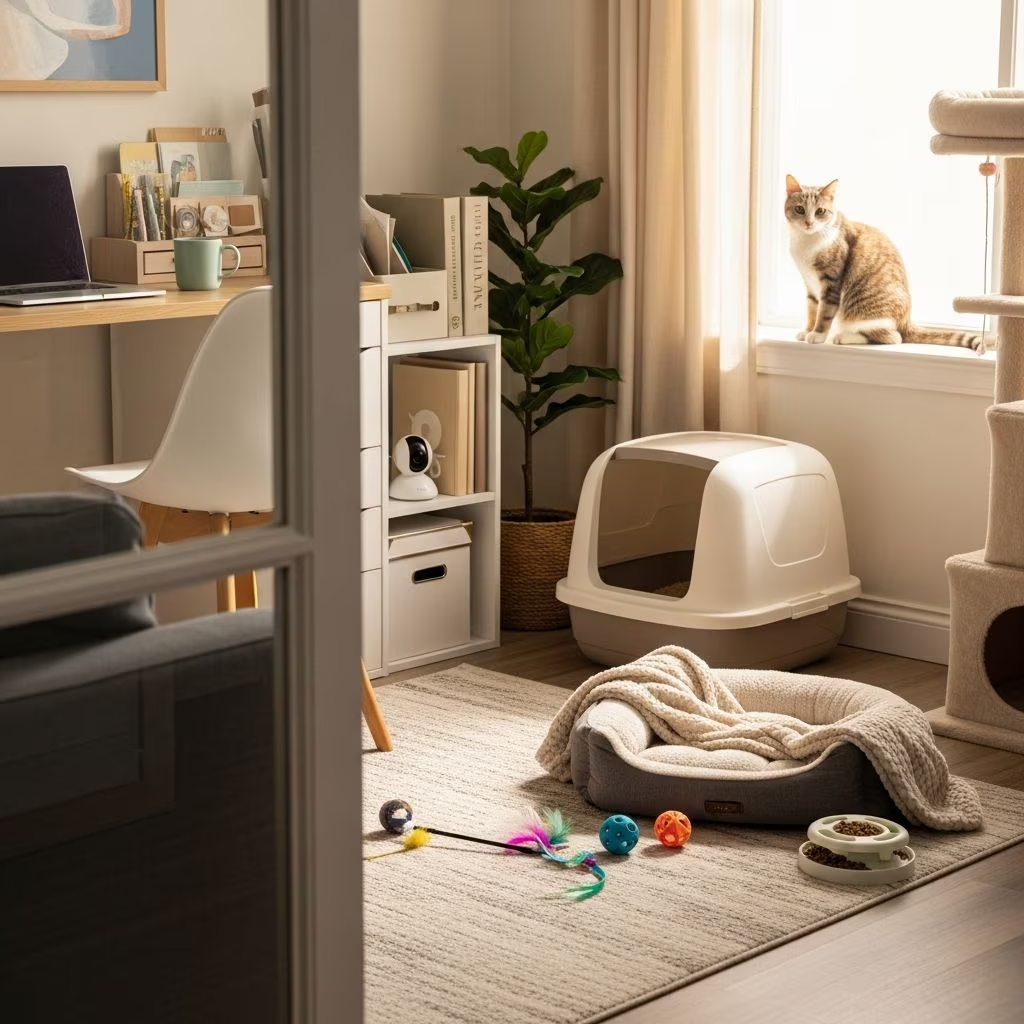
Balancing a full-time job with cat ownership is entirely feasible with the right planning and tools. Cats are independent by nature, but they still require consistent care for feeding, play, litter maintenance, and social interaction to remain healthy and happy. This guide covers essential strategies, from daily routines to professional pet sitting services, ensuring your cat thrives even when you’re at work.
Understanding Your Cat’s Needs When You’re Away
Cats are adaptable creatures that sleep up to 16 hours a day, making them well-suited for owners with full-time schedules. However, they need reliable access to food, water, a clean litter box, and mental stimulation to prevent boredom, anxiety, or health issues like obesity or urinary problems. Key needs include timed meals to mimic natural eating patterns, fresh water sources, and environmental enrichment like scratching posts and toys.
Adult cats typically require 200-300 calories daily, split into 2-3 meals, while kittens need more frequent feedings. Without proper setup, long workdays (8+ hours) can lead to overeating from free-feeding or stress-related behaviors like excessive meowing or destructive scratching. Proactive measures like puzzle feeders promote natural foraging instincts, keeping your cat engaged for hours.
Feeding and Water Solutions for Busy Schedules
Maintaining a consistent feeding routine is crucial. Automatic feeders dispense pre-portioned meals at set times, preventing overeating and ensuring nutrition even if you’re delayed. Look for models with ice packs for wet food to keep it fresh.
- Timed automatic feeders: Program for breakfast (7 AM), lunch (12 PM), and dinner (6 PM) to align with your routine.
- Puzzle feeders: Encourage mental stimulation; studies show they reduce stress hormones in cats.
- Water fountains: Circulating water appeals to cats’ preference for running water, promoting hydration and reducing urinary tract issues.
For multi-cat homes, use feeders with microchip recognition to prevent food stealing. Always provide dry kibble as a backup and monitor weight weekly to adjust portions.
Litter Box Management During Work Hours
A clean litter box is non-negotiable; cats are fastidious and may avoid soiled boxes, leading to accidents or health problems. Scoop daily and fully change litter weekly, but for full-time workers, self-cleaning litter boxes automate the process.
| Litter Box Type | Pros | Cons | Best For |
|---|---|---|---|
| Manual Scoopable | Affordable, odor control | Daily scooping required | Budget-conscious owners |
| Self-Cleaning | Automatic raking, minimal effort | Higher cost, electricity needed | Full-time workers |
| Litter Robot | Sensor-based, waste separation | Expensive ($500+) | Multi-cat homes |
Place boxes in quiet, accessible spots with at least one per cat plus one extra. Use clumping, unscented litter to minimize tracking and respiratory irritation.
Providing Playtime and Enrichment Without Being Home
Cats need 15-30 minutes of play daily to stay physically fit and mentally sharp. Interactive toys and automated devices fill the gap during work hours.
- Laser pointers and feather wands: Leave on timers for short bursts of activity.
- Automated toy mice: Random movement mimics prey, preventing boredom.
- Window perches: Bird-watching provides free entertainment.
- Cat trees and tunnels: Vertical space for climbing and hiding.
Rotate toys weekly to maintain novelty. For high-energy cats, consider pre-work play sessions to tire them out.
Safe Home Environment Setup
Secure your home to prevent escapes or injuries. Remove toxic plants (lilies, pothos), secure cords, and block access to hazardous areas like balconies.
- Use motion-activated cameras for remote check-ins.
- Install microchip pet doors for controlled access.
- Maintain comfortable temperatures (68-77°F) with smart thermostats.
Health monitoring apps track activity via collars, alerting you to irregularities like reduced movement indicating illness.
Hiring a Professional Cat Sitter or Walker
For extended care, professional sitters provide drop-in visits (20-30 minutes) for feeding, play, and litter scooping. Vetted services ensure reliability.
Platforms like Meowtel specialize in cat-only sitters, offering background checks and cat-specific training. Sitters handle medications, grooming, and socialization, ideal for seniors or special-needs cats. Expect $15-30 per visit, with multi-visit discounts.
- Choosing a sitter: Verify experience with cat behavior, medications, and stress signs.
- Meet-and-greet: Introduce in advance for trust-building.
- Backup plans: Reputable services have networks for coverage.
Pet Sitters International (PSI) certifies professionals, emphasizing business tools and ethics.
Cat Daycare and Boarding Options
Cat daycares offer supervised playgroups, grooming, and webcam access, perfect for 9-5 workdays. Boarding is for longer absences, with climate-controlled suites.
- Pros: Socialization, professional monitoring.
- Cons: Higher cost ($25-50/day), stress for shy cats.
Opt for cage-free facilities with enrichment programs. Pre-visit trials assess compatibility.
Technology Tools for Remote Cat Monitoring
Smart devices bridge the gap:
- Pet cameras (e.g., Furbo): Two-way audio/video, treat dispensing.
- Activity trackers: GPS collars monitor health metrics.
- App-controlled feeders: Adjust remotely via smartphone.
These tools provide peace of mind, with alerts for unusual behavior.
Health Checks and Vet Schedules Around Work
Schedule annual wellness exams outside peak hours. Maintain vaccinations, flea preventives, and dental care. Watch for signs of illness like lethargy or appetite changes via daily logs from sitters.
For working owners, telehealth vet services offer virtual consults, saving time.
Frequently Asked Questions (FAQs)
Q: Can I leave my cat alone for 8-10 hours a day?
A: Yes, with proper setup like auto-feeders, litter boxes, and enrichment. For longer or frequent absences, hire a sitter.
Q: How often should a cat sitter visit?
A: 1-2 times daily for 20-30 minutes each, covering meals, play, and litter.
Q: What’s the best automatic feeder for cats?
A: Microchip-activated models prevent multi-cat issues and ensure portion control.
Q: Are self-cleaning litter boxes reliable?
A: Yes, for most cats, but introduce gradually and monitor usage.
Q: How do I find a trustworthy cat sitter?
A: Use cat-specific platforms with background checks, read reviews, and do meet-and-greets.
References
- Pros and Cons of Being a Cat Sitter — Alice The Cat Expert. 2023. https://alicecatexpert.com/pros-and-cons-of-being-a-cat-sitter/
- Become a Cat Sitter — Meowtel. 2025. https://meowtel.com/become-cat-sitter/information
- Pet Sitters in Lafayette, LA — Care.com. 2025. https://www.care.com/pet-sitters/lafayette-la
- How We Vet Our Professional Cat Sitters — The Comforted Kitty (YouTube). 2023. https://www.youtube.com/watch?v=AH04mv4j0FI
- Pet Sitters International — PSI. 2025. https://www.petsit.com



