

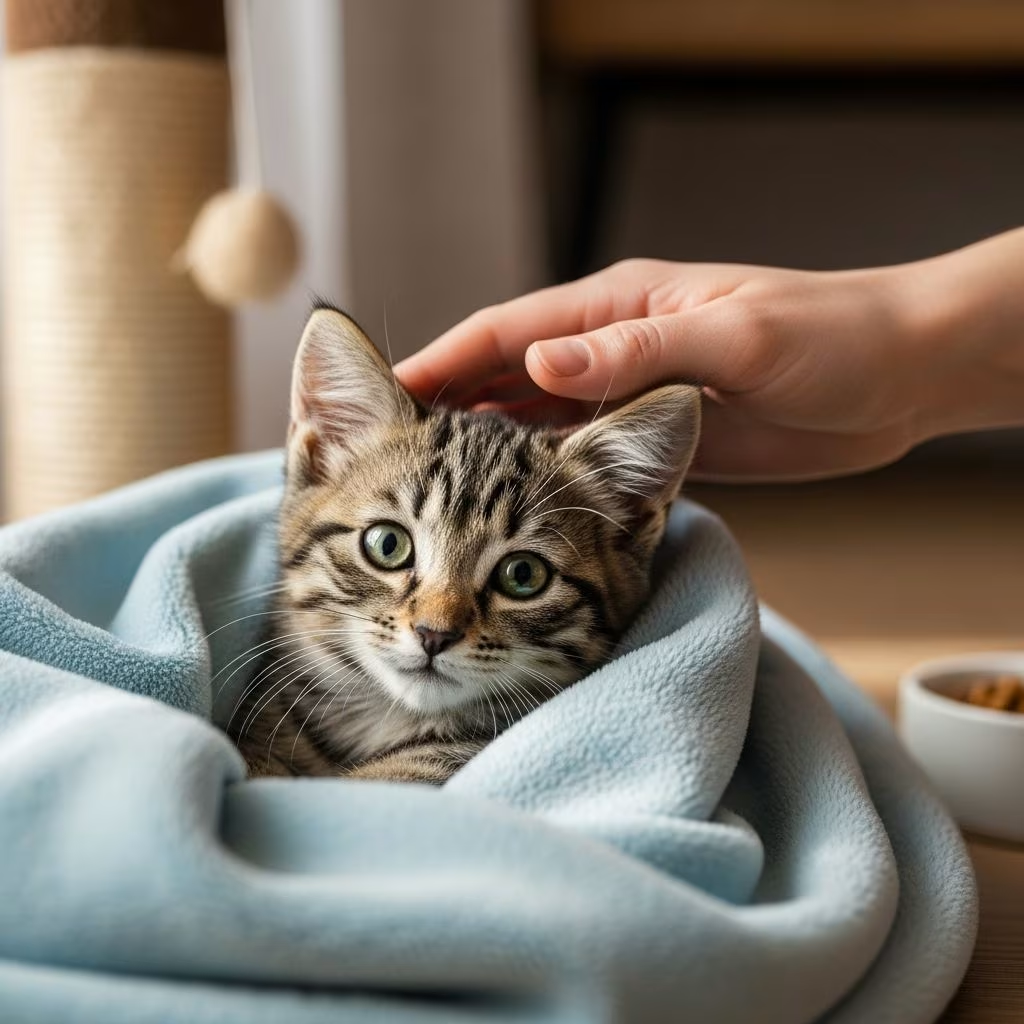
Bringing home an 8-12 week old kitten is an exciting milestone for any cat lover. This critical developmental period shapes your kitten’s behavior, health, and personality for years to come. During these weeks, your kitten is transitioning from her mother’s care to life in her new home, making proper care and socialization essential. Understanding the specific needs of kittens at this age will help you provide the best foundation for a healthy, well-adjusted adult cat.
Understanding Your Kitten’s Development at 8-12 Weeks
At 8-12 weeks old, kittens are in a critical growth phase. This is typically when kittens leave their mothers and siblings to join their new families. Kittens at this age are weaned and eating solid food exclusively, though they still require frequent meals to support their rapid growth and development. Developmentally, kittens are becoming more confident, exploring their surroundings with increasing curiosity and playfulness.
During this period, kittens sleep approximately 18-20 hours a day, which is normal behavior. When awake, they’re active explorers—running, hiding, stalking, pouncing, and engaging in essential predatory play. Your kitten’s personality is developing, and the experiences she has now will significantly influence her future behavior and temperament.
One fascinating aspect of kitten development is their eye color. All kittens are born with blue eyes that typically fade to green or gold by the time they reach 12-13 weeks old, except for Siamese and other Asian breeds who often retain their blue eyes into adulthood.
Feeding Your 8-12 Week Old Kitten
Proper nutrition is fundamental during your kitten’s first weeks at home. Growing kittens have dramatically different dietary needs than adult cats, requiring specialized nutrition to support their rapid development.
Feeding Schedule and Portions
By 8 weeks of age, your kitten should be eating solid canned food or kibble rather than mother’s milk. At this stage, kittens typically need to eat 3-4 times daily. Their small stomachs require regular, frequent meals to maintain steady energy levels and support growth.
Growing kittens need as much as 3 times more calories and nutrients than adult cats. This increased caloric requirement fuels their rapid growth, bone development, and high energy expenditure. Your veterinarian can recommend the appropriate portion sizes based on your kitten’s individual needs, breed, and growth trajectory.
Choosing Quality Kitten Food
Select a high-quality kitten formulation specifically designed for young, growing cats. Kitten food contains essential nutrients and energy levels tailored to support normal growth and bone development. The food should provide twice as much energy as an adult cat diet. Your veterinarian can guide you toward appropriate options during your first wellness visit.
Important nutrition notes:
- Always feed the same kitten food your kitten was eating before coming home to avoid digestive upset
- Maintain consistent feeding times and routines
- Extra vitamins and supplements are not necessary and may be harmful
- Never give cow’s milk, as it can cause diarrhea
- Keep fresh, clean water available at all times
Your Kitten’s First Veterinary Visit
Scheduling a veterinary wellness check shortly after bringing your kitten home is crucial. During this important visit, your vet will assess your kitten’s overall health, provide guidance on nutrition, and discuss essential medical care.
Vaccinations
Your veterinarian will administer initial vaccines to protect your kitten against serious diseases. Follow your vet’s guidance regarding the vaccination schedule, as protection is critical during these vulnerable early weeks. Around 12 weeks, your kitten will need her second vaccination series.
Health Screening
During the first vet visit, your veterinarian will perform a comprehensive health examination. This includes checking your kitten’s ears for ear mites, tiny parasites commonly transferred between cats. If your kitten is constantly scratching her ears or shaking her head, she may have ear mites. Your vet will clean her ears thoroughly and provide appropriate treatment if needed.
Parasite Prevention
Your kitten will need worming treatments to eliminate internal parasites. Continue worming your kitten every 2 weeks until she reaches 12 weeks of age, then transition to worming every 3 months. Additionally, your kitten will need her first flea treatment. Always ensure any flea treatment is specifically formulated for kittens and appropriate for her age and weight—never use dog flea treatments on cats.
Microchipping and Future Planning
Discuss microchipping with your veterinarian to ensure your kitten can be identified if she ever becomes lost. Additionally, ask your vet about scheduling spaying or neutering. Kittens can be spayed or neutered once they weigh approximately two pounds. Many veterinarians recommend scheduling this procedure for around 4 months of age.
Litter Box Training and Bathroom Habits
Litter box training is typically straightforward with kittens at this age, as they naturally use designated areas for elimination.
Setting Up for Success
As soon as you bring your kitten home, introduce her to her litter box. Place the litter box in a quiet, accessible location away from her feeding and sleeping areas. Show your kitten where the litter box is located and keep it scrupulously clean, as kittens prefer clean facilities.
Encouraging Litter Box Use
If your kitten is reluctant to use the litter box, try these strategies:
- Gently place your kitten in the litter box after meals
- Scratch the litter lightly with your finger to demonstrate its purpose
- Use positive reinforcement and praise when she uses the box correctly
- Clean any accidents thoroughly with enzymatic cleaners to remove scent markers
- Avoid punishment, which creates fear and confusion
Most kittens naturally use the litter box without extensive training. By 8-12 weeks, bathroom habits should be well-established, and your kitten should reliably use her designated box.
Setting Up Your Home for a New Kitten
Preparing your home properly ensures your kitten’s safety and comfort while supporting healthy development.
Essential Supplies and Setup
Before bringing your kitten home, gather these essentials:
- Litter box (placed in a quiet, accessible location)
- Food and water bowls
- High-quality kitten food
- Scratching post or cat tree (tall enough for good stretching)
- Comfortable bedding and blankets
- Age-appropriate toys
- Cat carrier for transport and vet visits
- Grooming supplies (brush, nail clippers, oatmeal-based kitten shampoo)
Creating a Safe Environment
Cat-proof your home to eliminate hazards. Remove toxic plants, secure electrical cords, store chemicals safely, and ensure windows and doors are secure. Provide plenty of space for your kitten to play, explore, rest, and hide. Kittens feel more secure when they have access to elevated spaces and hiding places where they can retreat when overwhelmed.
Familiar Comfort Items
Taking a blanket from your kitten’s previous home provides something familiar and comforting to snuggle in. This familiar scent helps ease the transition and reduces stress during this major life change.
Scratching Posts and Furniture Training
Scratching is a natural, necessary behavior for cats, not a behavioral problem to eliminate. Starting early with appropriate scratching outlets prevents damage to your furniture and supports healthy claw maintenance.
Choosing the Right Scratching Post
Since cats are natural scratchers, introduce a scratching post early in your kitten’s time at home. A good scratching post or multi-level cat tree should be:
- Tall enough for your kitten to get a good stretch
- Sturdy with a balanced, stable base that won’t topple over
- Covered in appropriate material (sisal rope, carpet, or corrugated cardboard)
- Positioned in an accessible, visible location
Encouraging Post Use
The more your kitten feels comfortable with her scratching post, the more she’ll mark it with her scent glands and continue to scratch it rather than your furniture. Encourage use by:
- Scratching your own fingers along the post to demonstrate its purpose
- Placing the post near areas where your kitten naturally scratches
- Using catnip or treats to attract interest
- Providing praise and positive reinforcement when she uses it
- Considering multiple scratching surfaces (vertical posts, horizontal scratchers, angled boards)
Socialization During the Critical Development Period
The 8-12 week period is critical for socialization—shaping your kitten’s comfort with people, animals, and novel experiences. What your kitten learns and experiences now significantly influences her behavior throughout life.
Introducing Your Kitten to People and Animals
Two months old is the perfect time to slowly introduce your kitten to other furry friends and humans. Provide positive experiences such as:
- Introducing them to other people and children
- Allowing meetings with other healthy, fully vaccinated cats and dogs
- Exposing them to different sounds and environments
- Accustoming them to being handled and having their ears, eyes, and body parts examined
- Introducing them to grooming activities and nail trimming
- Getting them comfortable with car rides and the cat carrier
The earlier you introduce your kitten to circumstances she’ll likely encounter throughout her lifetime, the better prepared she’ll be. This early exposure helps prevent fear-based behavioral problems in adulthood.
Establishing a Consistent Routine
Kittens thrive on predictability and structure. Establish consistent routines and rules, such as:
- Regular feeding times
- Consistent play schedules
- Boundaries about which rooms are off-limits
- Predictable handling and grooming sessions
Give your kitten plenty of time to adjust to new situations. Don’t rush introductions or overwhelming experiences. Allow her to progress at her own pace, and provide reassurance and safety when she feels uncertain.
Playtime and Toy Selection
Play is essential for your kitten’s physical development, mental stimulation, and bonding with you.
Daily Play Sessions
Gently play with your kitten at least once a day so she’ll bond with you. Through play, your kitten learns important predatory skills, exercises her muscles, and develops confidence. Mental stimulation through play is just as important as physical exercise.
Age-Appropriate Toys
Around 12 weeks old, kittens often become more interested in playing with objects than with people, which is completely normal developmental behavior. Keep stimulating cat toys available to channel this natural predatory play into appropriate outlets. Choose kitten-safe toys without string or small pieces that could be swallowed.
Recommended toy types include:
- Small balls (without small decorative pieces)
- Feather wands (supervised play only)
- Interactive laser toys (supervised use)
- Treat puzzle toys (excellent for problem-solving skills)
- Toy mice or small objects to bat around
- Crinkle toys with appealing sounds
Important Safety Considerations
It’s important your kitten learns that it’s okay for her to bite toys, not people and other living creatures. Guide play so your kitten understands appropriate boundaries. Always stow toys safely away so your kitten doesn’t play with them when you’re not watching. Unsupervised toy play can lead to accidental ingestion of small parts.
Grooming and Dental Care
Establishing grooming routines early helps your kitten become comfortable with handling and supports lifelong health.
Coat Care
Cats naturally have good grooming skills, and most short-haired cats manage to keep themselves neat and tidy. However, longer-haired cats need more maintenance, requiring brushing once or twice weekly and more often during molting seasons. Introduce a grooming routine while your kitten is young so you can both enjoy this bonding time.
When bathing is necessary, use an oatmeal-based kitten shampoo to nourish your kitten’s fur and skin. As your kitten matures, her grooming needs may evolve based on coat type and condition.
Nail Care
Regular nail maintenance is important for your kitten’s comfort and to protect your furniture and skin. Select nail clippers specifically designed for kittens with sharp blades that make clean, precise cuts without discomfort. Introduce nail trimming early so your kitten becomes accustomed to handling her paws.
Dental Care
Now is the time to get your kitten used to having her teeth brushed. Establishing this habit early helps prevent serious dental disease from developing as your cat ages. Use kitten-safe toothpaste and a soft brush, starting with short sessions to build comfort and tolerance.
Getting Your Kitten Comfortable with the Cat Carrier
The cat carrier is an essential tool for safe transport to veterinary visits and other outings. Getting your kitten comfortable with it now prevents future stress and difficult carrier battles.
Making the Carrier Inviting
It’s a good idea to get your kitten used to being placed in a cat carrier for trips in the car and vet visits. Leave the cat carrier open on the floor so your kitten can explore it freely without being shut inside. Make the experience positive by:
- Placing blankets or toys with her scent inside
- Putting treats or favorite toys in the carrier
- Never forcing her inside
- Allowing her to enter and exit at her own pace
- Gradually closing the door for short periods
Practice Trips
Take practice trips in the car with the carrier before the first vet visit. Short, positive experiences help your kitten associate the carrier with routine rather than fear. Praise and reward calm behavior to reinforce positive associations.
Positive Reinforcement and Training
Training during this developmental stage shapes lifelong behavior patterns. Use positive reinforcement to teach and reward good behavior.
Reward-Based Training
Use healthy, natural food and treats from your positive-reinforcement arsenal to teach good behavior. Reward desired behaviors immediately when they occur—such as using the litter box, scratching the post appropriately, or gentle play—so your kitten understands what you’re rewarding. Ignore bad behavior when possible, as punishment creates fear and confusion.
Teaching Basic Commands
Around 12 weeks and beyond, you can begin teaching basic commands such as coming when called. Keep training sessions short, as growing and learning are tiring. Celebrate small victories and maintain patience as your kitten develops understanding and behavior control.
Managing Multiple Cats at Home
If you have other cats at home, careful introduction is essential. A 3-week isolation period when a new kitten is first brought home allows time for cats to learn each other’s smells and sounds before direct contact. This gradual approach prevents territorial aggression and helps establish peaceful relationships.
Summary Care Checklist for 8-12 Week Old Kittens
| Care Area | Action Items |
|---|---|
| Feeding | Feed 3-4 times daily with high-quality kitten food; provide fresh water always |
| Veterinary Care | Schedule first wellness visit; begin vaccinations; check for parasites; discuss spay/neuter |
| Litter Training | Introduce litter box immediately; keep it clean; reinforce use with praise |
| Home Safety | Cat-proof home; provide hiding places; secure hazards; offer comfortable bedding |
| Scratching Post | Provide sturdy, tall scratching post; encourage use with play and scent |
| Socialization | Introduce people and animals gradually; build confidence through positive experiences |
| Play & Toys | Play at least daily; provide age-appropriate, safe toys; supervise with string toys |
| Grooming | Introduce brushing, nail care, and teeth brushing routines; bathe only if needed |
| Carrier Training | Leave carrier open; make inviting; practice short trips to build comfort |
| Parasite Prevention | Worm every 2 weeks until 12 weeks; apply first flea treatment; use kitten-safe products |
Frequently Asked Questions
Q: How often should I feed my 8-12 week old kitten?
A: Kittens at this age need 3-4 meals daily due to their small stomachs and high energy requirements. Your veterinarian can recommend specific portion sizes based on your kitten’s individual needs and the food you’re using.
Q: What type of food is best for an 8-12 week old kitten?
A: Use a high-quality kitten formulation specifically designed for young, growing cats. These foods contain appropriate nutrients and energy levels to support rapid growth and bone development. Ask your veterinarian for recommendations.
Q: When should my kitten have her first vet visit?
A: Schedule a wellness check shortly after bringing your kitten home. During this visit, your vet will assess her health, provide vaccinations, check for parasites, and discuss essential care including spaying/neutering.
Q: Is litter box training difficult with kittens this age?
A: No, litter box training is usually straightforward with 8-12 week old kittens. Simply show them where the box is, keep it clean, and they’ll naturally use it. Most accidents indicate a dirty box rather than lack of training.
Q: How much playtime does my kitten need?
A: Play with your kitten at least once daily for bonding and exercise. However, remember that kittens at this age still sleep 18-20 hours daily. Keep play sessions appropriate to her energy levels and allow plenty of rest.
Q: Can I bathe my 8-12 week old kitten?
A: While cats are self-cleaning and rarely need baths, if you must bathe your kitten, use an oatmeal-based kitten shampoo and warm water. Most kittens don’t require bathing unless they get into something particularly dirty.
Q: When should I start grooming my kitten?
A: Start grooming routines early, including brushing (especially for long-haired breeds), nail trimming, and teeth brushing. Early introduction helps your kitten become comfortable with handling and establishes healthy lifelong habits.
Q: How do I know if my kitten has ear mites?
A: Signs of ear mites include constant scratching of the ears and frequent head shaking. Your veterinarian can examine her ears during wellness visits and provide treatment if mites are present.
Q: What toys are safe for 8-12 week old kittens?
A: Choose kitten-safe toys without small pieces that could be swallowed and no string or long cord attachments. Good options include balls, feather wands (supervised), treat puzzle toys, toy mice, and crinkle toys. Always supervise playtime.
Q: How can I get my kitten comfortable with her cat carrier?
A: Leave the carrier open on the floor with blankets and toys inside. Never force your kitten in. Allow her to explore freely, place treats inside, and gradually work toward closing the door briefly. Practice short car rides to build positive associations.
References
- Caring for an 8-12 Week-Old Kitten | Feeding & Socialization — Blue Buffalo. https://www.bluebuffalo.com/articles/cat/taking-care-of-a-kitten-8-to-12-weeks/
- Kitten Development: Your Kitten at 8-12 Weeks — Everypaw. https://www.everypaw.com/all-things-pet/kitten-development-8-12-weeks-old
- How To Care For Your Kitten – RSPCA — Royal Society for the Prevention of Cruelty to Animals (RSPCA). https://www.rspca.org.uk/adviceandwelfare/pets/cats/kittens/kittencare
- 8 Week Old Kitten Care Guide | Behavior & Tips on What to Feed — Alley Cat Allies. https://www.alleycat.org/resources/how-old-is-that-kitten-guide-eight-weeks/
- How to Take Care of a New Kitten 101: The 1st Year [Vet-Approved] — Sploot Veterinary Care. https://www.splootvets.com/post/kittens-101-the-ultimate-pet-parents-guide
- Kitten Care | Phoenixville Animal Hospital — Phoenixville Animal Hospital. https://www.phoenixvilleanimalhospital.com/health-wellness/kitten-care/



