

How to Care for a 6-Month-Old Kitten: Complete Guide
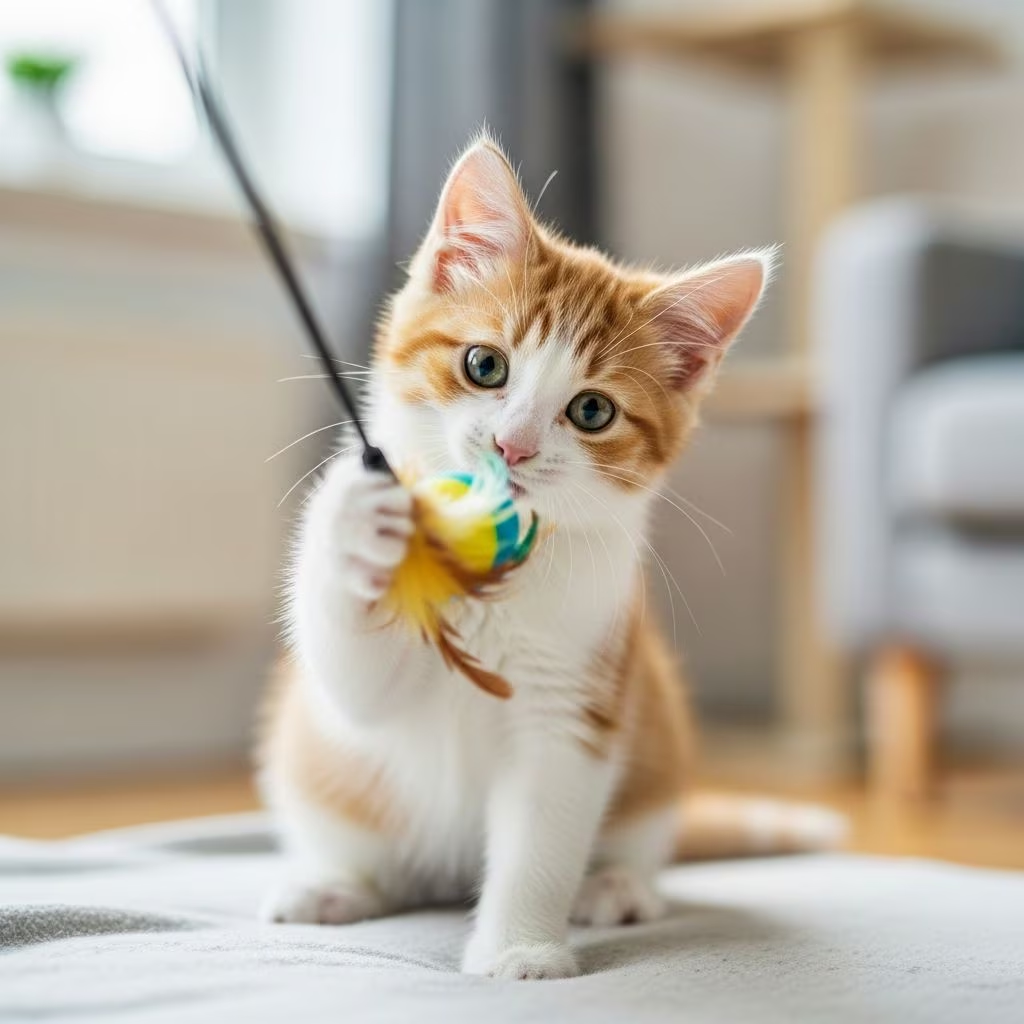
At six months old, your kitten is entering an exciting phase of development. They are no longer tiny, fragile newborns, but they aren’t fully grown adults either. Six-month-old kittens are typically curious, playful, feisty, and even mischievous as they explore their world and develop their personalities. Understanding the specific types of care your kitten requires at this stage is crucial, as their needs differ significantly from those of newborns and adult cats. This comprehensive guide covers nutrition, veterinary care, grooming, socialization, and behavioral training to ensure your kitten thrives during this critical developmental period.
Nutrition and Feeding Guidelines
Proper nutrition is fundamental to your 6-month-old kitten’s growth and development. By this age, your kitten’s food preferences are largely established, making it an ideal time to encourage healthy eating habits that will last a lifetime.
Meal Frequency and Diet Composition
Six-month-old kittens should receive three healthy meals per day. Offer a combination of high-quality wet and dry food formulas in different flavors to provide variety and maintain nutritional balance. Choose kitten-specific formulas that are nutritionally balanced and include natural ingredients to support their rapid growth and development.
Hydration and Water Safety
Ensure fresh, clean water is available at all times. Wash and refill your kitten’s water bowl daily to maintain water freshness. Contrary to popular belief, avoid giving your kitten cow’s milk, as cats cannot digest it easily and it can cause diarrhea. Water should be their primary beverage.
Treats and Training Rewards
While treats can be valuable for rewarding good behavior, they should not exceed 5% of your kitten’s daily caloric intake. Use treats strategically during training sessions to reinforce positive behaviors while maintaining a balanced diet.
Veterinary Care and Health Maintenance
Regular veterinary visits are essential at this life stage to monitor your kitten’s health and address potential issues before they become serious problems.
Spaying and Neutering
By six months old, female kittens should be spayed and male kittens should be neutered. These procedures prevent unwanted pregnancies, reduce behavioral issues, and protect against certain health conditions. Discuss timing and any pre-operative requirements with your veterinarian.
Feline Lower Urinary Tract Disease (FLUTD)
Your veterinarian may recommend special diets to help prevent or improve Feline Lower Urinary Tract Disease, a common condition affecting both male and female felines. Be alert for warning signs including:
- Frequent trips to the litter box
- Appearance of blood in the urine
- Straining or crying during urination
- Inability to void or constipation-like symptoms
Contact your veterinarian immediately if you notice any of these signs, as prompt treatment is important for your kitten’s wellbeing.
Dental Care
Establishing good dental hygiene habits early helps prevent tooth problems later in life. Implement the following dental care strategies:
- Start early: Give your kitten a pet toothbrush to play with so they associate it with positive experiences
- Taste introduction: Have your kitten lick tuna water or chicken broth off your finger as you gently introduce your finger into their mouth
- Gentle rubbing: Gradually rub your kitten’s teeth and gums with your finger
- Toothpaste application: Work up to using special pet-formulated toothpaste on your kitten’s own toothbrush, focusing on the gum line
- Dental alternatives: Use special dry food, treats, and toys designed for dental health support
Grooming and Coat Care
Regular grooming keeps your kitten’s coat healthy, reduces shedding, and strengthens your bond with your pet. A well-groomed kitten is also less prone to matting and skin issues.
Brushing and Combing Schedule
Brush or comb your kitten several times per week. The best time to groom is when your kitten is calm and relaxed, typically right after playtime but before one of their naps. Remember that 6-month-old kittens sleep 16 to 20 hours daily, so you’ll have plenty of opportunities to find the perfect grooming window. Regular brushing provides multiple benefits:
- Keeps the coat clean and shiny
- Maintains healthy skin
- Minimizes shedding around your home
- Builds a strong bond between you and your kitten
- Allows you to check for any skin abnormalities or parasites
Bathing Your Kitten
Bathing is only necessary if your kitten gets noticeably dirty or is exposed to unpleasant odors. Since cats generally dislike baths, a sponge bath is often sufficient for minor cleaning. However, if you acclimate your kitten to regular baths at a young age, they may eventually enjoy the experience. When bathing is necessary, use warm water, pet-safe shampoo, and handle your kitten gently to minimize stress.
Nail Trimming
Providing scratching posts and climbing structures allows your kitten to naturally maintain their nails. However, if trimming becomes necessary, you’ll know because your kitten’s nails will be excessively long, sharp, and uncomfortable when they contact your skin. Use nail clippers or grinders specifically designed for cats or dogs. Work slowly and only trim as much as necessary to control sharpness, being careful not to cut into the quick, which causes pain and bleeding.
Socialization and Handling
Socialization is crucial for developing a well-adjusted, confident kitten. Even if your 6-month-old kitten hasn’t had much early socialization, they can still learn and benefit from positive social experiences. However, the process may take longer than if started at an earlier age.
Introduction to Human Touch
Start by gently picking up your kitten and providing plenty of love, pets, and light kisses. Repeat these interactions two or three times daily until your kitten becomes comfortable with being held and shows signs of enjoying the interaction. Always ensure that all experiences are positive to build trust and confidence.
Acclimating to Household Noises
Be aware of household noises that might startle your kitten, such as:
- Blender
- Doorbell
- Alarm clocks
- Washing machine
- Dishwasher
These sounds can initially alarm your kitten until they become accustomed to them and understand they pose no danger. Limit noise exposure to one source at a time while your kitten adapts to the various sounds of household life. Patience and gradual exposure help your kitten become comfortable with their environment.
Meeting Visitors and Family Members
Introduce your kitten to friends and family members slowly. If your cat is particularly nervous, start by placing them in a crate while one or two visitors are present. This allows them to observe and learn visitors’ scents and behaviors without feeling overwhelmed. Otherwise, ensure your kitten has an escape route or hiding places available if they feel scared. This controlled introduction helps your kitten develop confidence in social situations.
Ensuring Proper Kitten Behavior
Training and behavioral management at six months old sets the foundation for a well-behaved adult cat. A vital aspect of caring for your kitten is ensuring they behave appropriately in household and social situations.
Litter Box Management
Use a low-sided litter box so your 6-month-old kitten can easily enter and exit when using the restroom. Kittens are more likely to use the litter box consistently if they can access it without difficulty. Place the litter box in a quiet, accessible location away from food and water bowls. Clean the litter box regularly to encourage continued use.
Supervision and Redirection
Supervise your kitten as often as possible and redirect their attention to appropriate toys and items when they display unwanted behavior, such as scratching furniture, climbing curtains, or destroying books. Over time, your kitten should learn to focus their energy on their own toys and climbing structures, leaving your belongings alone. Consistency in redirecting behavior is key to success.
Teaching Children Proper Interaction
If you have children, teach them how to gently interact with their kitten to prevent accidents and injuries and to ensure your cat doesn’t become fearful of people and socialization. Establish clear rules prohibiting tail pulling, teasing, or roughhousing. Supervise interactions between children and kittens to ensure both parties remain safe and comfortable.
Creating an Ideal Environment
Your home environment significantly impacts your kitten’s health, safety, and happiness. Provide adequate space for play, rest, and exploration. Offer scratching posts, climbing structures, hiding places, and resting areas throughout your home. Ensure all toxic substances, small objects, and hazards are removed or secured. Create a consistent routine and establish clear household rules to help your kitten feel secure and understand expectations.
Frequently Asked Questions
Q: How much should a 6-month-old kitten weigh?
A: A healthy 6-month-old kitten typically weighs between 4 to 5 pounds (1.8 to 2.3 kg), though this varies by breed and individual genetics. Your veterinarian can assess whether your kitten’s weight is appropriate for their size and growth trajectory.
Q: Can I switch my kitten to adult cat food at 6 months?
A: No, your kitten should remain on kitten food until they are at least 12 months old. Kitten formula contains higher levels of protein, fat, and essential nutrients necessary for proper growth and development during their first year.
Q: How often should I bathe my 6-month-old kitten?
A: Most kittens don’t require regular bathing. Only bathe your kitten when they get noticeably dirty or into something unpleasant. If you do bathe your kitten, do so sparingly to avoid stripping essential oils from their coat.
Q: Is it too late to socialize my 6-month-old kitten?
A: No, it’s not too late. While early socialization is ideal, 6-month-old kittens can still benefit from positive social experiences. The process may take longer than if started earlier, but patience and consistent positive interactions help your kitten develop confidence and comfort in various situations.
Q: What signs indicate my kitten is sick?
A: Contact your veterinarian if you notice changes in appetite, lethargy, vomiting, diarrhea, difficulty breathing, or any other unusual behavior. Early detection of health issues is crucial for effective treatment.
Q: When can I take my kitten outdoors?
A: Consult your veterinarian about outdoor safety. Generally, kittens should be fully vaccinated and microchipped before outdoor access. Consider providing a secure outdoor enclosure or harness and leash training instead of free outdoor roaming for safety.
Q: How much playtime does my 6-month-old kitten need?
A: Aim for multiple short play sessions throughout the day, totaling at least 30 minutes of active play. Kittens have bursts of energy followed by long sleep periods, so multiple short sessions work better than one long play session.
Q: Should I use a harness for my kitten?
A: Training your kitten to a harness and leash early can provide safe outdoor exploration opportunities. Start indoors with short sessions to help your kitten become comfortable with the harness before venturing outside.
References
- How to Care For a 6-Month-Old Kitten: Vet-Verified Complete Guide — Catster. 2024. https://www.catster.com/cat-health-care/how-to-care-for-a-6-month-old-kitten/
- How to Take Care of a 3-6 Month-Old Kitten — Blue Buffalo. 2024. https://www.bluebuffalo.com/articles/cat/taking-care-of-a-kitten-3-to-6-months/
- How To Care For Your Kitten — RSPCA. 2024. https://www.rspca.org.uk/adviceandwelfare/pets/cats/kittens/kittencare
- New Kitten Checklist: Supplies, Home Prep, and Vet Visits — PetMD. 2024. https://www.petmd.com/cat/general-health/new-kitten-checklist
- Kitten Care Guide — Royal Canin. 2023. https://my.royalcanin.com/UserFiles/Digital%20Assets/Start-of-Life/SOL%2023/SOL%20-%20Kitten%20Care%20Guide.pdf



