
How to Take Care of Baby Cockatiels Without Parents
Complete guide to hand-raising orphaned baby cockatiels with proper feeding, temperature, and socialization techniques.
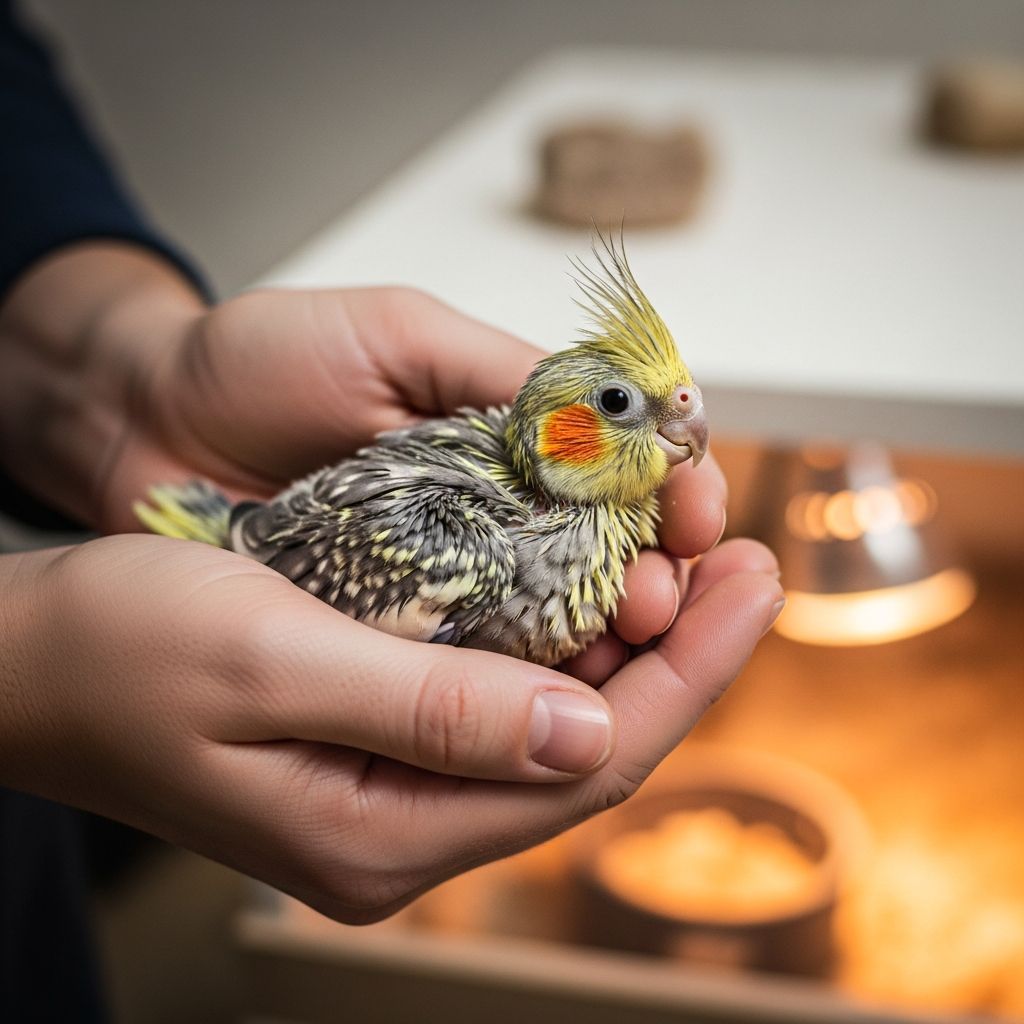
Hand-raising baby cockatiels presents one of the most rewarding yet challenging experiences for bird enthusiasts. When parent birds abandon their nest or fail to provide adequate care, intervention becomes necessary to ensure the survival and healthy development of these delicate creatures. Baby cockatiels, commonly referred to as “pinkies” during their earliest stages, require meticulous attention, unwavering dedication, and precise knowledge of their developmental needs throughout each growth phase.
Understanding When Intervention is Necessary
Parent cockatiels may occasionally abandon their nests due to various factors, including inexperience, stress, or health complications. If you notice that parents are not feeding their chicks or showing signs of neglect, immediate intervention is critical. Before assuming full responsibility, explore alternatives: if you have another pair of cockatiels with chicks of similar age, they may accept and rear the abandoned chicks. However, this rarely occurs, making hand-rearing the most viable option.
Hand-rearing demands absolute dedication and patience, as these birds are extremely fragile and vulnerable during their earliest days. The mortality rate decreases significantly with proper care, but any lapse in attention or technique can be fatal. Success requires understanding the specific needs of each developmental stage and maintaining consistency throughout the rearing process.
Developmental Stages and Care Requirements
Newborns to Seven Days Old
Newly hatched cockatiels arrive completely helpless, with closed eyes, pink skin, and sparse downy feathers. During this critical phase, your primary responsibilities include maintaining optimal temperature, providing appropriate nutrition, and minimizing stress from handling.
Feeding Schedule and Quantities: Feeding should commence at 6 a.m. and continue until midnight, with feeds occurring every two hours. A one-day-old chick requires approximately 1 milliliter of formula per feeding, gradually increasing to 2 milliliters by the fourth day and 3 milliliters by the seventh day. No supplemental water is necessary, as chicks receive sufficient fluids through their formula. Night feeding is unnecessary, as parent birds and their chicks naturally sleep during nighttime hours in their natural environment.
Temperature Management: Maintaining proper temperature is absolutely crucial during this stage. Baby cockatiels cannot regulate their body temperature independently and depend entirely on external heat sources. A heating lamp positioned above the nesting box provides essential warmth without producing excessive light. The lamp’s sole purpose is temperature regulation, never illumination, and it must never disrupt natural light cycles or the chick’s sleep patterns. Overheating indicators include an open beak (appearing as if panting) and wings held away from the body. Conversely, huddling and shivering indicate insufficient warmth.
Housing Considerations: Place the baby on a soft napkin or towel within a small box or container. Ensure the enclosure protects against drafts and maintains consistent warmth. Pay particular attention to ant prevention, as ants pose fatal dangers to vulnerable baby birds.
Two to Three Weeks Old
During this period, baby cockatiels begin developing their first feathers and become slightly more robust. Feeding frequency remains important, though the chicks’ nutritional needs continue expanding. By three weeks, the heating lamp can typically be discontinued as the chick develops its initial feather layer for insulation.
This stage represents an optimal window for beginning hand-feeding if you’re introducing human contact. Research indicates that hand-feeding cockatiels starting at three to four weeks old allows the birds to develop strong human bonds while retaining enough parental memories for healthy psychological development. Earlier hand-feeding, though possible, creates heightened sensitivity in chicks and may distress parent birds if they remain present.
Four to Five Weeks Old
By four to five weeks, baby cockatiels develop flight feathers and transition into the “fledgling” stage. They begin exhibiting natural foraging behaviors and demonstrate increasing independence. At this developmental milestone, feeding quantity increases to approximately 8 milliliters per feeding, while frequency decreases to 2-3 daily feedings.
Beginning the Weaning Process: Weaning must commence by the fifth week. Introduce easily digestible weaning foods including:
- Finely chopped green vegetables (lettuce, spinach, kale)
- Bits of whole wheat toast and bread
- Crushed and grated boiled eggs, including the shell
- Cream cracker biscuits
- Mixed bird seeds such as millet, foxtail millet, sunflower seeds, and finger millet
These weaning foods provide essential nutrition while developing the chick’s palate for adult dietary items. Always offer whole, unhulled seeds rather than hulled varieties, as hulled seeds deteriorate quickly and develop mold.
Six to Seven Weeks Old
Fledglings at this age demonstrate considerable independence and can transfer to larger caging environments. While they feed themselves competently, vigilant monitoring remains essential to confirm adequate food consumption and proper nutrition. Feeding can decrease to once or twice daily if the bird actively consumes solid foods.
Cage Setup and Environmental Considerations: Ensure cages are spacious enough to accommodate free movement between multiple perches. Position perches just above the cage floor initially, allowing easy access for developing birds. Place the cage in a well-lit location with natural sunlight access. Avoid exposure to cold breezes or drafts, particularly during nighttime, as these conditions cause chills and potentially serious health complications.
Expanded Diet Options: Introduce nutritious treats including seeding grass, French beans, and carrots. Green leafy vegetables such as mustard sprouts, millet sprouts, and fenugreek leaves become essential dietary components alongside previously introduced weaning foods.
Eight Weeks and Beyond
By eight weeks of age, baby cockatiels should achieve complete weaning and independence from hand-feeding. The bird demonstrates confidence in self-feeding and explores its environment with curiosity. At this stage, the relationship between human caregiver and bird transitions from nutritional dependence to companionship and bonding.
Optimal Hand-Feeding Age and Bonding
Experienced bird breeders recommend hand-feeding cockatiels beginning at three to four weeks old for optimal results. This timing allows sufficient parental imprinting while establishing strong human bonds. The chick retains enough developmental memory from parents to maintain psychological balance, yet is receptive to human socialization and conditioning.
Hand-feeding younger chicks, though attempted by enthusiastic owners, requires exceptional care due to their heightened sensitivity. Additionally, early separation from parents while siblings remain with the parents can cause emotional distress to both the young bird and adult birds, potentially affecting breeding success in subsequent seasons.
Cockatiels possess remarkable intelligence and emotional complexity, making early socialization through hand-feeding particularly valuable. These birds can learn tricks, mimic sounds, reproduce music, and develop sophisticated communication with their human caregivers. Properly hand-raised cockatiels often become deeply bonded companions with personalities that continue developing throughout their lifespan.
Feeding Formula Selection and Preparation
Commercially available hand-feeding formulas have undergone rigorous scientific testing and remain the safest option for novice bird raisers. These formulas provide balanced nutrition specifically formulated for young parrots’ developmental needs. Online retailers, social media platforms, and specialty bird supply stores offer various reputable brands.
Before committing to hand-feeding, ensure you possess the necessary apparatus including feeding syringes, precise thermometers, and heating equipment. Proper formula preparation and temperature maintenance are non-negotiable requirements for successful hand-rearing. Never attempt hand-feeding in air-conditioned rooms, as temperature consistency proves essential for chick survival.
Critical Care Considerations
Temperature and Humidity Management
Temperature regulation represents perhaps the most critical factor in hand-rearing success. Cockatiels cannot survive significant temperature fluctuations, and improper heating causes failure to thrive, disease susceptibility, and potential death. Maintain consistent warmth throughout each developmental stage, gradually reducing dependency as the chick develops feather coverage.
Hygiene and Disease Prevention
Maintain meticulous hygiene throughout the hand-feeding process. Wash hands thoroughly before each feeding session, sanitize feeding utensils between uses, and prepare fresh formula for each meal. Contaminated formula causes fatal bacterial infections in vulnerable chicks.
Handling and Socialization
Handle baby cockatiels gently but confidently during feeding sessions. Support the bird’s body properly, and avoid sudden movements that startle the chick. Early positive handling experiences establish trust and facilitate bonding with human caregivers. However, limit handling to feeding times during the first few weeks to minimize stress.
Activity Limitation During Development
Experienced bird enthusiasts recommend limiting wing feather development during the socialization phase by carefully trimming the last three flight feathers on each wing. This controlled feather trimming prevents premature flight and running away during outdoor socialization sessions. The procedure reduces the chick’s anxiety when introduced to unfamiliar environments and strengthens the human-bird bond through consistent proximity.
Common Mistakes to Avoid
- Attempting hand-feeding without adequate preparation and research
- Inconsistent feeding schedules that disrupt the chick’s digestive rhythm
- Using improper formula temperature or non-specialized feeding formulas
- Inadequate heating or fluctuating environmental temperatures
- Overhandling young chicks before they’re developmentally ready
- Failing to transition properly to weaning foods at appropriate ages
- Housing chicks in drafty or cold environments
- Neglecting hygiene protocols that lead to infections
Frequently Asked Questions
Q: At what age should I start hand-feeding my baby cockatiel?
A: The optimal age for beginning hand-feeding is three to four weeks. This timing allows chicks to retain sufficient parental memory while developing strong human bonds. Earlier hand-feeding is possible but requires exceptional care and may distress parent birds.
Q: How often should I feed a newborn cockatiel?
A: Newborns require feeding every two hours from 6 a.m. to midnight (no night feeding). A one-day-old chick needs approximately 1 milliliter per feeding, increasing to 2 milliliters by day four and 3 milliliters by day seven.
Q: What temperature should I maintain for baby cockatiels?
A: Baby cockatiels require consistent warm temperatures maintained through heating lamps. The exact temperature varies slightly with age, but proper heating prevents overheating (open beak, wings away from body) and inadequate warmth (huddling, shivering).
Q: Can I use commercial baby bird formula for cockatiels?
A: Yes, reputable commercially available hand-feeding formulas tested for avian nutrition are appropriate. These are safer than homemade formulas for inexperienced raisers and provide balanced nutrition specifically formulated for young parrots.
Q: When should weaning begin?
A: Weaning should begin by five weeks of age. Introduce soft weaning foods including chopped vegetables, toast, eggs, and bird seeds. By eight weeks, chicks should achieve complete independence from hand-feeding.
Q: When can I move my baby cockatiel to a cage?
A: Baby cockatiels transition to cages around six to seven weeks old when they demonstrate considerable independence. Ensure cages are spacious with low-placed perches and locate them in well-lit areas with natural light.
Q: What should I do if my baby cockatiel seems overheated or too cold?
A: Signs of overheating include open beak (panting appearance) and wings held away from the body. Signs of inadequate warmth include huddling and shivering. Adjust heating immediately. Overheating is particularly dangerous and can be fatal.
Q: Do I need to feed my baby cockatiel at night?
A: No. In nature, parent birds and chicks sleep at night, and no feeding is necessary. Feeding from 6 a.m. to midnight adequately supports healthy development.
References
- Protocols for the Hand-Raising and Care of Cockatiels (Nymphicus hollandicus) — Rehabbers Den. Accessed November 28, 2025. https://rehabbersden.org/index.php/36-pages/pricing-table/simple/241-protocols-for-the-hand-raising-and-care-of-cockatiels-nymphicus-hollandicus
- Cockatiel Parents Not Paying Attention to Newborns — Lafeber Pet Birds. Accessed November 28, 2025. https://lafeber.com/pet-birds/questions/cockatiel-parents-not-paying-attention-to-new-borns/
- The Ultimate Guide to Hand Feeding Baby Cockatiels at Home — Dexter’s World. June 26, 2025. Video Educational Resource on Hand-Feeding Protocols and Bonding Techniques for Aviculture Professionals.
Similar Articles








Read full bio of medha deb


