

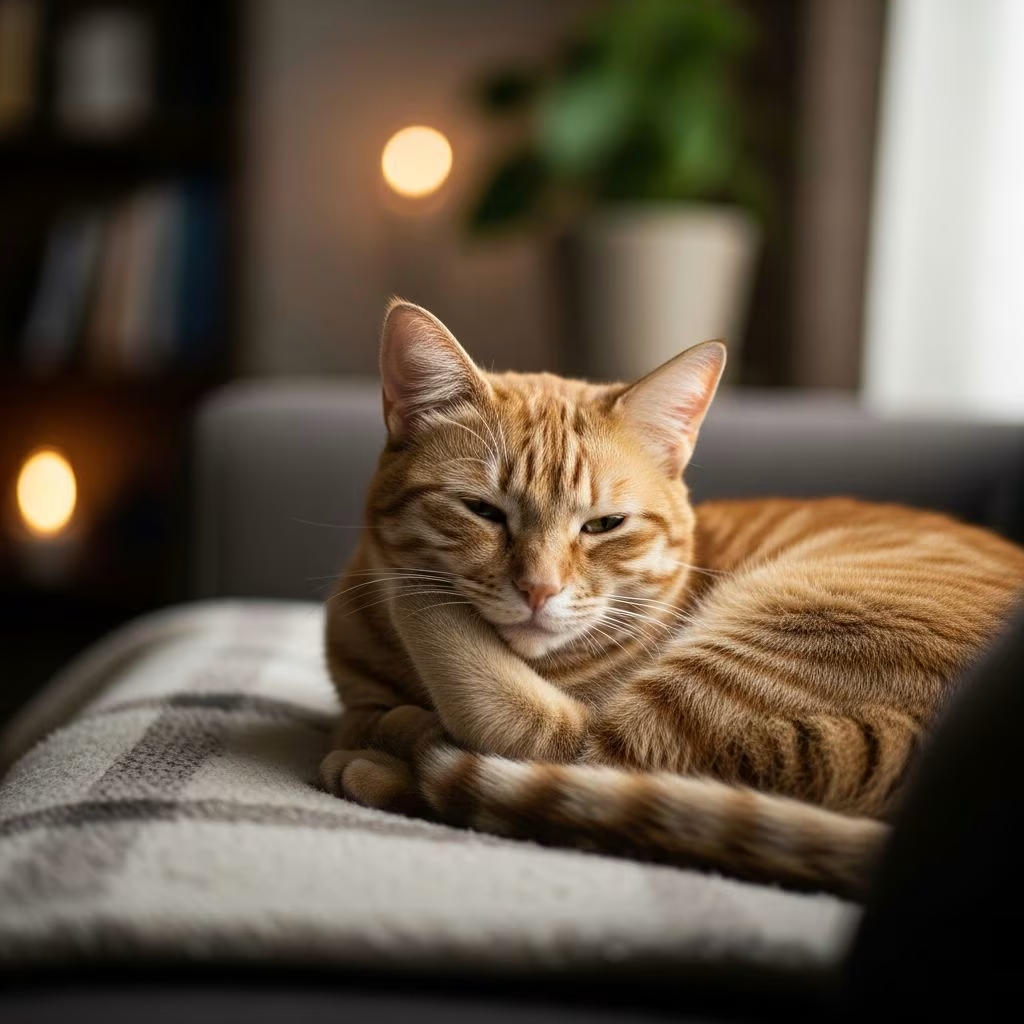
Some cats seem to be powered by rocket fuel. They zoom across the house, bounce off furniture, climb curtains, and sometimes turn playtime into painful scratches or bites. While a certain level of energy is normal, especially in kittens, excessive hyperactivity can lead to household damage, stress, and even injury for you or your cat.
The good news is that much of this behavior can be managed by giving your cat healthier outlets for their energy and adjusting their environment. Veterinarians and feline behavior experts emphasize that an active cat is not a “bad” cat; they simply have needs that aren’t being fully met yet.
Below are nine vet-approved tips inspired by the original Catster guide to help calm your hyper cat while supporting their physical and emotional health.
The 9 Tips to Calm Your Hyper Cat
1. Make Sure Your Cat Has a Proper Outlet
Hyper cats often behave destructively because they have pent-up energy and nowhere appropriate to release it. Scratching furniture, racing through the house, and rough play are usually signs of an under-stimulated cat rather than deliberate misbehavior.
To channel this energy, focus on structured exercise and enrichment.
- Schedule daily play sessions (10–15 minutes, 2–3 times a day) with wand toys, laser pointers (used carefully), or small balls.
- Rotate toys so your cat doesn’t get bored. Put some away and swap every few days.
- Use puzzle feeders or treat balls so your cat has to “work” for food, mimicking hunting behavior.
- Add vertical spaces like cat trees, shelves, or window perches so your cat can climb and jump safely.
Regular activity supports your cat’s physical health and helps prevent obesity, which is a major risk factor for chronic disease in cats.
2. Eliminate Household Irritants
Sometimes, your cat isn’t just energetic—they’re overstimulated or stressed. Loud environments, chaotic routines, or uncomfortable odors can make a cat more reactive and hyper.
Common irritants include:
- Constant loud noise (TV, music, shouting, frequent visitors).
- Harsh cleaning chemicals or strong fragrances that bother a cat’s sensitive nose.
- Unpredictable routines that keep your cat on edge.
- Other animals or children who don’t respect the cat’s boundaries.
To help calm your cat:
- Create at least one quiet, cat-only room or corner with a bed or hideout.
- Use unscented or mild cleaners and avoid aerosol sprays near your cat.
- Keep feeding times and play sessions as predictable as possible.
- Teach children to interact gently and recognize when a cat needs space.
Reducing environmental stress supports overall welfare and can help prevent stress-related problems such as inappropriate urination or aggression.
3. Consider Getting Two Cats
For some very social, energetic cats, a compatible feline friend can be the best toy they ever get. Another cat can become a playmate and companion, providing exercise and mental stimulation through chasing, wrestling, and mutual grooming.
However, this is not the right solution for every household. Before adopting a second cat, consider:
- Your current cat’s temperament (do they enjoy other cats or dislike them?).
- Your budget for double vet care, food, and litter.
- Whether you have enough space and resources (multiple litter boxes, resting spots, and hiding places).
When introducing a second cat, veterinarians recommend a gradual introduction with scent swapping and short, supervised visual contact to reduce the risk of conflict.
4. Provide Toys & Daily Entertainment
Cats are natural hunters, climbers, and explorers. Indoor cats, especially, rely on us to make sure they don’t live in a boring environment that forces all their energy into a few chaotic bursts.
Build a rich environment with:
- Interactive toys like wand teasers, moving toys, or track balls.
- Solo play toys such as crinkle balls, catnip mice, and lightweight toys they can bat around.
- Scratching posts made of sisal, cardboard, or wood to protect your furniture.
- Window views or bird feeders outside to provide “cat TV.”
Vets and behaviorists describe this as environmental enrichment, and it is essential for preventing boredom, anxiety, and behavior problems in indoor cats.
| Type of Enrichment | Examples | How It Helps a Hyper Cat |
|---|---|---|
| Physical | Cat trees, tunnels, climbing shelves | Burns energy through running, jumping, and climbing. |
| Mental | Puzzle feeders, food-dispensing balls | Engages the brain and reduces boredom. |
| Sensory | Window perches, safe access to fresh air | Provides stimulation without overactivity. |
| Social | Interactive play with people or other cats | Helps satisfy social and hunting needs. |
5. Appease Your Cat’s Prey Drive
Underneath the fluff, your cat is a predator. Hyperactivity often reflects an unmet hunting instinct. Instead of trying to shut that instinct down, it’s more effective to simulate the full hunt sequence through play.
Try to mimic this natural pattern:
- Stalk – Move the toy slowly like prey hiding or sneaking.
- Chase – Speed it up and let your cat chase it across the room.
- Pounce & catch – Allow your cat to catch the toy periodically.
- “Kill” and “eat” – End the session with a small meal or treat.
Scheduling an intense play session before meals and especially before bedtime is a vet-recommended method to reduce nighttime zoomies and improve sleep.
6. Create a Calming Home Routine
Cats thrive on consistency. Sudden changes in schedule, people, or environment can make them anxious and, in turn, more hyper. A predictable routine helps your cat feel safe and know what to expect.
Build a daily rhythm that includes:
- Regular feeding times morning and evening.
- Set play sessions each day, especially late afternoon and evening.
- A quiet, dimmed-down period before bedtime.
Use positive reinforcement to shape calmer behavior:
- Reward your cat with treats or gentle praise when they are calm.
- Ignore attention-seeking behaviors like meowing or pawing when you’re trying to sleep, unless there is a genuine need.
- Avoid punishment (shouting, spraying water), as this increases stress and fear and can worsen behavior.
7. Try Pheromones or Other Calming Aids (When Appropriate)
Some cats benefit from calming aids in addition to environmental changes. Synthetic feline facial pheromone products (diffusers, sprays) are designed to mimic scent signals cats naturally produce when they feel safe and content.
These products may help:
- Cats that are highly sensitive to noise or change.
- Households with multiple cats and occasional tension.
- Cats stressed by new environments or visitors.
There are also diets and supplements formulated to promote calm behavior, sometimes using ingredients like L-theanine or tryptophan. Evidence for these can vary, so it is important to consult your veterinarian before starting any supplement.
8. Support Healthy Sleep With Cozy Resting Spots
Even the most hyper cat spends many hours a day sleeping, but where and how they sleep can influence their overall activity pattern. A cat that never truly relaxes may seem constantly wired.
Help your cat wind down by providing:
- A soft, cushioned bed in a quiet area.
- Elevated resting spots, such as the top of a cat tree or a shelf.
- Optional heated beds or pads designed for pets, which many cats find soothing.
Warm, comfortable sleeping areas can encourage deeper, more restful sleep, which may reduce frantic bursts of activity at night.
9. Rule Out Medical or Behavioral Problems With Your Vet
Not every hyper cat is simply “high energy.” In some cases, underlying medical or behavioral conditions may be contributing. Hyperthyroidism, pain, certain neurologic conditions, or anxiety disorders can all change behavior.
You should talk to your veterinarian if you notice:
- A sudden, dramatic increase in activity in an older cat.
- Weight loss despite a strong appetite.
- Restlessness combined with vocalizing, aggression, or changes in litter box habits.
- Signs of distress such as hiding, overgrooming, or reduced interest in food.
Your vet may recommend a physical exam, blood tests, or a behavioral consultation to identify the cause and suggest treatment. Evidence-based behavior plans, and when necessary, medication under veterinary supervision, can significantly improve quality of life for both you and your cat.
Recognizing Normal vs. Problem Hyperactivity
It is important to distinguish between normal youthful energy and behavior that may indicate a problem.
- Normal: Short, intense play sessions, zoomies at dawn and dusk, playful pouncing, and climbing.
- Concerning: Persistent restlessness, destructive behavior despite enrichment, frequent aggression, or sudden change in activity in an adult or senior cat.
Young cats and kittens naturally have more energy and will calm somewhat as they mature, but they still need outlets and structure to avoid developing bad habits.
Frequently Asked Questions (FAQs)
Q: Is it normal for my cat to be hyper at night?
A: Yes. Cats are naturally most active at dawn and dusk, which often translates to nighttime zoomies in a household. Scheduling vigorous play and a meal before bedtime can help shift some of this activity earlier and promote calmer nights.
Q: Will my hyper cat calm down with age?
A: Many cats become less intensely active as they transition from kittenhood to adulthood, but personality plays a role. Even as they age, cats still need daily mental and physical stimulation to stay healthy and behave appropriately.
Q: Can spaying or neutering help calm a hyper cat?
A: Spaying and neutering primarily prevent pregnancy and reduce hormone-driven behaviors like roaming and mating calls. In some cats, this may also reduce restlessness and territorial behavior, but it does not replace exercise and enrichment.
Q: Are calming treats and supplements safe for cats?
A: Some calming products are safe and can be helpful, but their effectiveness varies. Because cats are sensitive to certain ingredients, you should always consult your veterinarian before giving any new supplement, treat, or over-the-counter calming aid.
Q: When should I seek professional help for my cat’s behavior?
A: If your cat’s hyperactivity includes aggression, self-harm, changes in appetite or weight, litter box issues, or a sudden shift from their usual behavior, contact your veterinarian. They may refer you to a certified veterinary behaviorist for specialized support.
References
- Environmental enrichment for cats — American Association of Feline Practitioners (AAFP). 2021-03-01. https://catvets.com/guidelines/practice-guidelines/environmental-needs
- Indoor pet cats: environmental needs, behavior issues and enrichment — RSPCA Australia. 2020-08-10. https://www.rspca.org.au/blog/2020/indoor-pet-cats-enrichment
- Feline Obesity: Clinical Recognition and Management — Association for Pet Obesity Prevention / Mark E. Peterson, DVM. 2022-10-01. https://petobesityprevention.org/feline-obesity
- House-Soiling and Urine Marking in Cats — Cornell University College of Veterinary Medicine. 2023-05-15. https://www.vet.cornell.edu/departments-centers-and-institutes/cornell-feline-health-center/health-information/feline-health-topics/house-soiling-and-urine-marking-cats



