

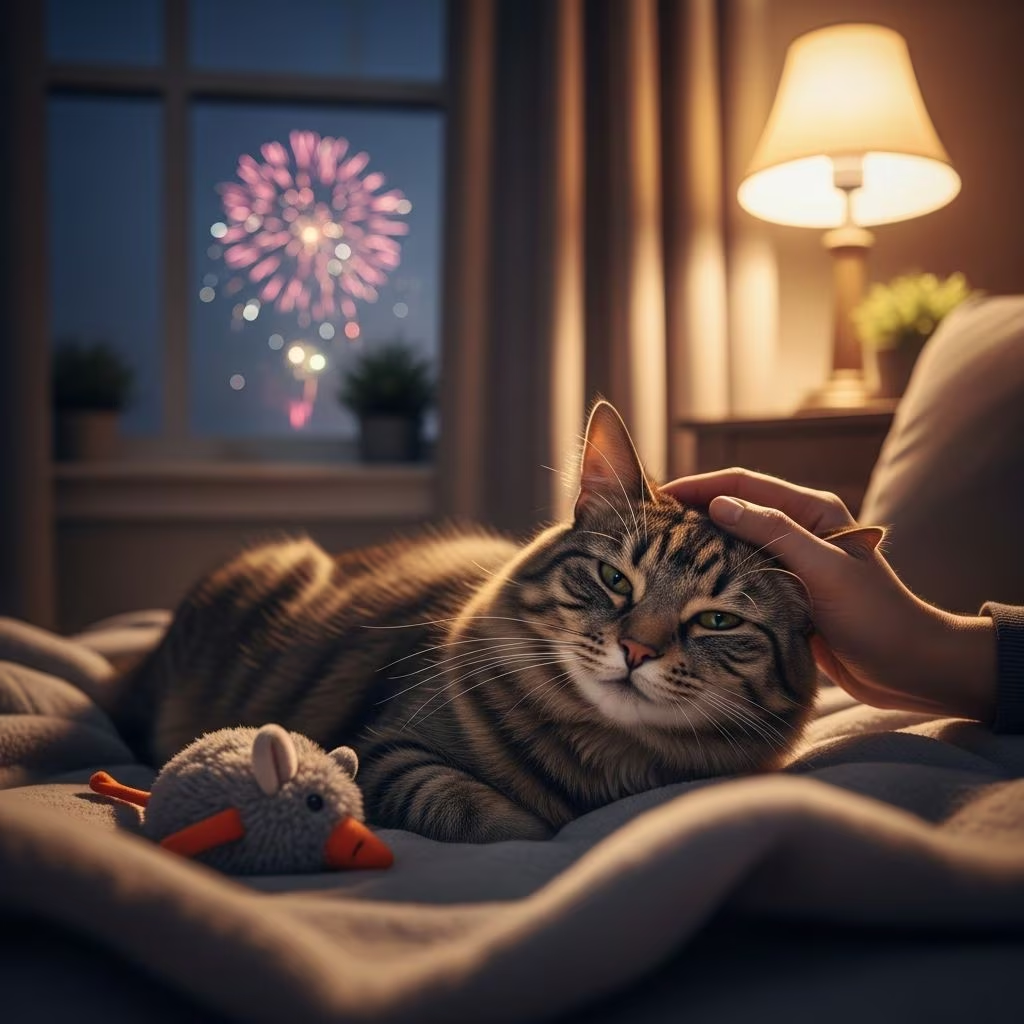
Fireworks displays bring joy to many during holidays like the Fourth of July, New Year’s Eve, and Diwali, but for cats, the sudden loud booms, flashing lights, and unfamiliar vibrations can trigger intense fear and anxiety. Cats possess highly sensitive hearing—up to three times more acute than humans—making fireworks sound like deafening explosions to them. This stress can lead to hiding, vocalizing, destructive behavior, or even escaping outdoors, increasing risks of injury or getting lost. Understanding your cat’s fear response is the first step to helping them feel secure. Common signs include dilated pupils, flattened ears, crouched posture, excessive meowing, panting, or hiding for hours or days. By preparing in advance with safe environments, behavioral aids, and professional guidance, you can significantly reduce their distress and prevent dangerous situations like bolting out open doors.
Why Are Cats Scared of Fireworks?
Cats are instinctively wired as prey animals, with acute senses that detect threats from afar. Fireworks produce unpredictable low-frequency rumbles (up to 150-175 decibels, far exceeding safe noise levels for pets) and visual flashes that mimic predatory attacks or natural disasters like thunderstorms. Unlike dogs, cats often respond by fleeing to hidden spots rather than barking, but severe cases can escalate to self-harm from scratching or urine spraying. Indoor cats may fare better than outdoor roamers, but no cat is immune—kittens under 6 months might adapt via exposure, while adults often develop phobias. Factors like past trauma, age, health issues, or multi-pet households amplify reactions. Recognizing triggers—sound versus light—helps tailor interventions, as some cats panic at window flashes before hearing booms.
How to Prepare Your House for Fireworks Night
Proactive setup transforms your home into a fireworks-proof sanctuary. Start days ahead by closing curtains to block lights and sealing escape routes with baby gates or doors. Ensure all windows, doors, and pet flaps are secure—frightened cats can squeeze through tiny gaps. Update microchips and ID collars, as escapes peak during holidays. Stock up on essentials: extra litter boxes in safe areas (stress causes urinary issues), favorite foods, and fresh water. Dim lights and play white noise or classical music to mask booms preemptively. Test all calming tools beforehand to avoid adding stress.
- Secure the environment: Block visual access and audit for escape points.
- Prepare supplies: Litter, food, water, and toys in multiple spots.
- Soundproof: Use fans, TVs, or playlists at moderate volume.
Create a Safe Space for Your Cat
A designated safe room or zone allows cats to retreat naturally, reducing cortisol spikes by 30-50% according to behavior studies. Select an interior room without windows overlooking streets, like a bathroom, closet, or basement. Line it with familiar bedding, your worn clothing for scent comfort, and enclosed carriers or boxes as hideouts—cats prefer confined, elevated spots mimicking dens. Add soft blankets over laundry baskets or igloo beds. Avoid forcing interaction; let them emerge at their pace, which might take hours post-event. Multiple access points prevent cornering panic.
- Cardboard boxes with entry holes and towels inside.
- Cat trees or shelves for vertical security.
- Locked room with essentials, no direct fireworks view.
Keep Your Cat Indoors and Microchipped
Never underestimate a cat’s speed in panic—many ‘lost’ pets bolt during fireworks and hide nearby for days. Keep all cats indoors year-round, especially holidays. Verify microchip registration is current with your contact info; collars with breakaway designs and IDs add backup. If outdoors, transition indoors weeks prior to acclimate. Post-fireworks, search quietly under porches or sheds if one escapes.
Try Calming Products and Techniques
Non-invasive aids mimic natural relaxants. Pheromone diffusers like Feliway release synthetic facial pheromones, signaling safety and cutting anxiety by up to 70% in trials. Plug in 48 hours early. Calming collars or sprays work similarly. ThunderShirts apply gentle pressure, releasing endorphins like a hug—trial for tolerance first. Catnip sprays (nepetalactone-based) induce calm or playfulness, but avoid toxic essential oils.
| Product | How It Works | Tips |
|---|---|---|
| Pheromone Diffuser (Feliway) | Replicates cheek-rubbing scents | Plug in safe room 2 days prior |
| Thundershirt/Pressure Wrap | Deep pressure therapy | Acclimate with short wears |
| Calming Treats (L-theanine, chamomile) | Herbal sedatives | Test on calm days first |
Use Sound Masking and Distractions
Drown booms with TV, fans, or species-specific calming music (slow tempos, 60-80 bpm reduce heart rates). Puzzle feeders, lick mats, or treat hunts divert attention—hide kibble in boxes for foraging. Interactive toys like feather wands engage pre-fireworks, tiring them out. Avoid new items during stress.
Desensitization and Counter-Conditioning
For long-term relief, start weeks ahead: play faint fireworks recordings (apps or YouTube) paired with high-value treats. Gradually increase volume over sessions, stopping at fear signs (tail tuck, ear flattening). Effective for kittens under 6 months; adults need pros. Pair with play for positive associations. Consult trainers for protocols.
Calming Supplements and Medications
Over-the-counter: L-theanine, thiamine, chamomile treats ease mild stress—dose per label, test early. Vet-prescribed: Gabapentin (1-2 hours pre-event), Trazodone, or Alprazolam for severe cases. Never self-medicate; discuss history. Behaviorists offer tailored plans.
What NOT to Do During Fireworks
Comforting coddling can reinforce fear—act normal to signal safety. Avoid confinement in carriers or small crates, worsening panic. No punishment for hiding or spraying. Skip human anxiety meds or untested oils, risking toxicity. Don’t force out of hides or expose to views.
- Don’t drag from hiding spots.
- Don’t yell or punish reactions.
- Avoid essential oils/humans meds.
Frequently Asked Questions (FAQs)
Why is my cat scared of fireworks?
Cats’ superior hearing amplifies booms; instincts see lights/sounds as threats.
How long do cats hide after fireworks?
Hours to days; provide patience and safe access.
Can I give my cat Benadryl for fireworks?
No—consult vet for safe options like Gabapentin.
Will a Thundershirt work for all cats?
Many yes, but trial first; some dislike pressure.
Is desensitization safe for adult cats?
Guided yes, but improper can worsen fear.
References
- How To Calm a Cat During Fireworks — Rover.com. 2023-06-15. https://www.rover.com/blog/cat-anxiety-fireworks/
- How To Keep Your Cat Calm and Safe During Fireworks — PetMD. 2024-05-20. https://www.petmd.com/cat/behavior/how-keep-your-cat-calm-and-safe-during-fireworks
- Keeping Your Cat Calm During Fireworks: Tips from a Veterinary Nurse — TeleTails. 2023-11-10. https://www.teletails.com/blog/keeping-your-cat-calm-during-fireworks-tips-from-a-veterinary-nurse
- Managing Pet Anxiety During Fourth of July Fireworks — ASPCA. 2024-07-01. https://www.aspca.org/news/managing-pet-anxiety-during-fourth-july-fireworks-and-other-festivities
- Tips for Pets with Fireworks Anxiety — TVMF. 2023-12-05. https://www.tvmf.org/articles/tips-pets-fireworks-anxiety/



