

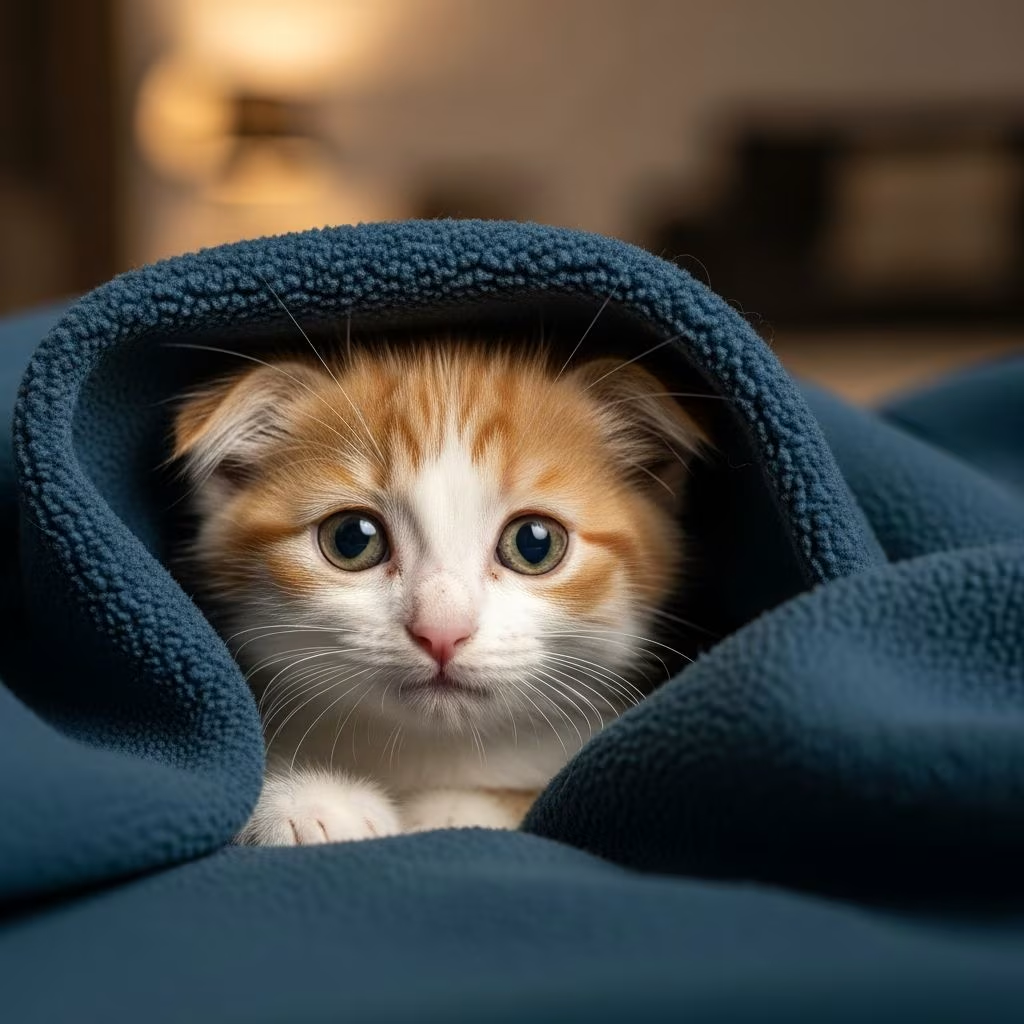
Bringing home a new kitten is exciting, but it’s common for them to feel overwhelmed and scared in unfamiliar surroundings. Scared kittens may hide, hiss, or tremble due to separation from their mother, new smells, sounds, or people. Understanding their fear is key to helping them adjust. This article outlines seven vet-reviewed methods to calm your scared kitten, drawing from expert advice to promote a smooth transition and build lasting trust. Patience is essential, as every kitten adjusts at their own pace, often taking days to weeks.
How to Calm a Scared Kitten
Calming a scared kitten requires gentle, consistent approaches that respect their boundaries while gradually introducing security. Below are proven strategies used by veterinarians and cat behaviorists.
1. Stay Calm Yourself
Your energy directly influences your kitten’s mood. Cats are highly sensitive to human emotions, so if you’re anxious, they may become more frightened. Maintain a composed demeanor, using low, soothing tones when speaking. Avoid sudden movements, as quick actions mimic predator behavior in the wild, heightening their fear. Practice deep breathing to stay relaxed during interactions. This sets a safe tone, signaling that the environment is non-threatening.
2. Give Them Space
A scared kitten needs time to self-soothe in a secure spot. Confining them to a small, quiet room—such as a bathroom or spare bedroom—prevents overwhelm from the entire house. Provide essentials like a litter box, fresh water, food, cozy bedding, and toys. Include familiar scents, like a blanket from their mother, to offer comfort. Keep other pets and children away initially. Use this space for gradual introductions, allowing the kitten to emerge when ready, which fosters confidence without pressure.
3. Figure Out the Cause of the Fear
Identifying the fear source allows targeted solutions. Common triggers include loud noises like thunder, new people, other animals, or environmental changes. For noise-related fears, create a soundproofed area with white noise machines or calming music. Ensure hiding spots like cat trees or boxes are available. If the cause is a move, pre-scent the new space with the kitten’s bedding and use pheromone diffusers days in advance. Addressing specifics speeds recovery and prevents future anxiety.
4. Offer Treats or Love
Positive associations build trust. Once the kitten tolerates your presence, offer high-value treats like small pieces of tuna or commercial kitten treats to link you with good experiences. Speak softly as they eat. For familiar kittens, gentle petting on the head or cheeks can soothe, mimicking grooming. Progress to play with wand toys, which distracts from fear and strengthens bonds. Avoid forcing affection; let them initiate contact.
5. Don’t Force Anything
Forcing interaction backfires, increasing stress. If your kitten hides or flees, respect their signals—do not chase or pull them out. Never punish fear responses, as this erodes trust. Instead, lure with toys from a distance. Outdoors, avoid pursuit; use treats or call softly, ensuring they’re microchipped for safety. Patience here is crucial; coerced kittens may develop long-term aversion.
6. Create a Routine and Safe Environment
Consistency reduces anxiety. Establish daily schedules for feeding, play, grooming, and litter access. This predictability builds security. Start interactions in short sessions, petting gently while speaking softly. Use supportive holds with towels if needed. Incorporate toys during playtime to associate fun with you, gradually expanding their space.
7. Use Pheromone Products and Professional Help
Synthetic pheromones like Feliway mimic calming maternal scents, diffusing via plugs or sprays. Place in the safe room for continuous relief. Avoid toxic essential oils. If fear persists beyond two weeks, consult a vet for behavior plans or anti-anxiety meds. Products like thunder shirts provide comforting pressure for specific triggers.
Additional Tips for Helping Scared Kittens
- Introduce slowly: Limit to one person initially for familiarity.
- Playtime bonding: Toys encourage exploration and endorphin release.
- Rewards system: Treats for calm behavior reinforce positivity.
- Monitor health: Persistent fear may indicate pain; vet check recommended.
These steps, combined with love, transform fear into curiosity. A stable routine and enriched environment minimize future scares.
Frequently Asked Questions (FAQs)
Why is my new kitten scared of me?
New kittens fear unfamiliar scents and movements. Give space and use treats to build positive associations over days.
How long does it take for a scared kitten to calm down?
Typically 3-14 days with consistent gentle methods, varying by individual temperament.
Can pheromone diffusers really help scared kittens?
Yes, products like Feliway release calming pheromones, proven effective for environmental stress.
What if my kitten remains scared after weeks?
Seek vet advice for underlying issues or tailored behavior therapy.
Is it safe to use treats to calm a scared kitten?
Yes, in moderation; choose kitten-specific treats to avoid tummy upset while creating trust.
Creating a Fear-Free Home for Your Kitten
Beyond immediate calming, prevent fear by kitten-proofing: secure cords, provide vertical spaces, and rotate toys for stimulation. Vertical territories like shelves reduce territorial stress. Regular vet visits ensure health issues aren’t masquerading as fear. Socialization windows (2-7 weeks) are critical; expose gently to stimuli. Enriched lives yield confident cats.
Patience yields rewards—a once-scared kitten becomes a loving companion. Implement these methods for a happy cat.
References
- How To Calm & Comfort A Scared Kitten — Petbarn. 2023. https://www.petbarn.com.au/petspot/kitten/care-and-maintenance-kitten/my-kitten-is-scared/
- How to Calm a Scared Kitten: 7 Vet-Reviewed Methods — Catster. 2024-10-15. https://www.catster.com/cat-health-care/how-to-calm-scared-kitten/
- Scared Kittens: How to Get Them to Trust You — Purina US. 2024. https://www.purina.com/articles/cat/kitten/behavior/how-to-help-scared-kitten
- Mr. Anxiety or: How I Learned to Stop Worrying and Trust the Cat — Catster. 2023. https://www.catster.com/felines-weekly/mr-anxiety-learning-to-trust-the-cat/



