

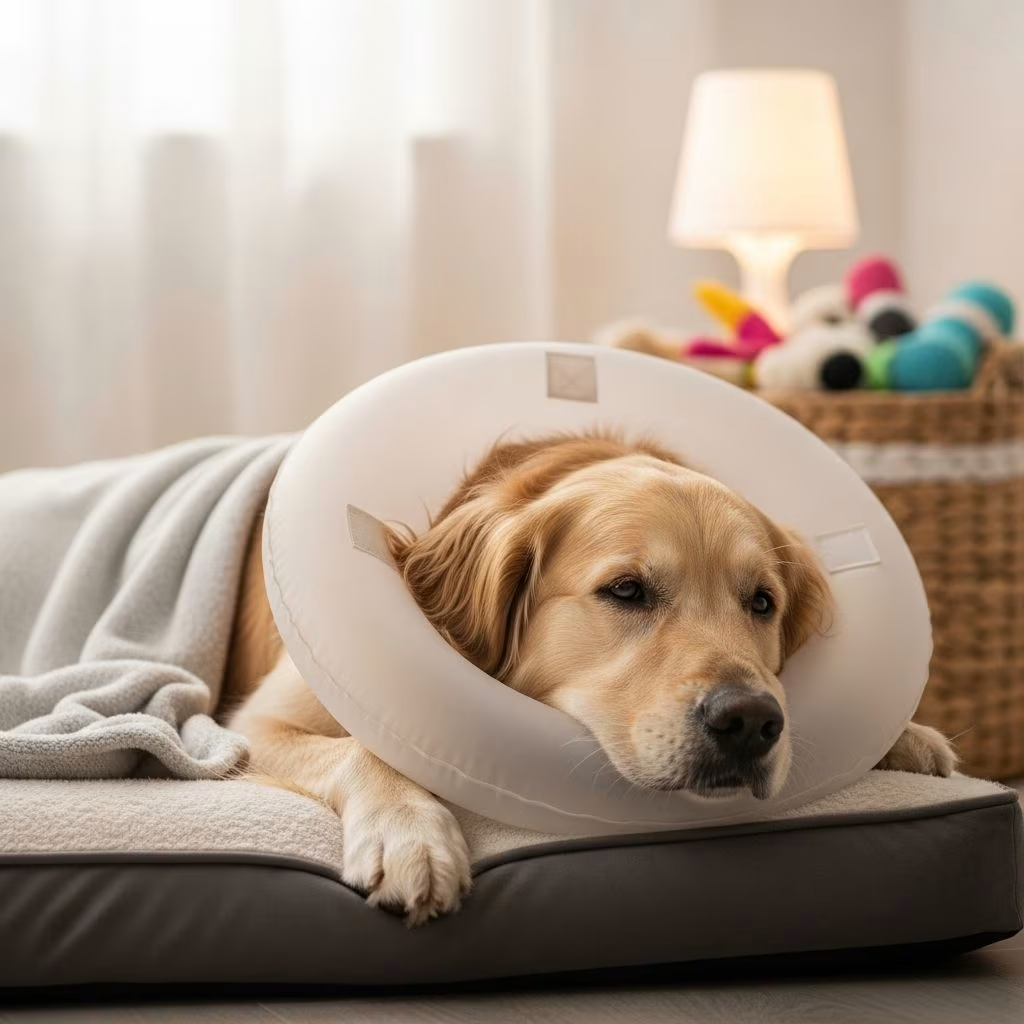
How to Calm a Dog After Surgery: Complete Recovery Guide
Bringing your dog home after surgery can be a challenging time for both you and your furry companion. While your dog’s body needs time to heal physically, their emotional state plays an equally important role in recovery. Dogs often experience stress, anxiety, and discomfort following surgical procedures, and helping them remain calm is essential for optimal healing. Understanding how to manage your dog’s behavior and emotional needs during this critical period can significantly impact their recovery timeline and overall well-being.
Post-surgical recovery requires patience, attention to detail, and a comprehensive approach that addresses both physical and emotional needs. Whether your dog underwent a routine spay or neuter procedure or a more complex surgery, the principles of keeping them calm remain consistent. This guide provides evidence-based strategies and practical advice to help your dog navigate the recovery process with minimal stress.
Understanding Post-Surgical Stress and Anxiety
After surgery, dogs often experience a combination of physical pain, disorientation from anesthesia, and emotional anxiety. The surgical environment, unfamiliar sounds, and the strange sensations in their body can leave dogs feeling confused and stressed. Additionally, the restriction of normal activities and the presence of bandages or cones can increase their anxiety levels significantly.
Dogs may exhibit behavioral changes in the first 24 to 48 hours following surgery, including increased restlessness, whining, panting, or attempts to escape their recovery space. Some dogs become unusually withdrawn or show signs of depression. These reactions are normal responses to the trauma their bodies have experienced. Recognizing these signs early allows you to implement calming strategies promptly and prevent complications that arise from excessive activity or stress.
Creating a Calm Recovery Environment
Designate a Quiet, Safe Space
One of the most effective ways to calm your dog after surgery is to provide a dedicated recovery area away from household chaos. This space should be quiet, comfortable, and free from distractions that might encourage activity or excitement. Choose a room where your dog can remain indoors, away from children, other pets, and high-traffic areas of your home. The recovery space should be climate-controlled, well-ventilated, and maintained at a comfortable temperature.
Consider using a properly-sized crate as part of the recovery setup. The crate should be large enough for your dog to stand up, turn around, and lie down comfortably. If your dog requires an Elizabethan collar (E-collar) or cone, ensure the crate is spacious enough to accommodate it without causing additional stress. Include food and water dishes within the recovery space, positioned to prevent spills that could soil bedding or bandages.
Comfortable Bedding and Setup
Invest in soft, comfortable bedding that supports your dog’s body without creating pressure on the surgical site. Orthopedic beds or memory foam options can provide excellent comfort for recovering dogs. Ensure bedding is easily washable in case of accidents. Change bedding regularly to maintain cleanliness and prevent infection at the incision site. Keep the recovery area dimly lit and minimize noise to promote relaxation and encourage rest, which is crucial for healing.
Pain Management and Medication Administration
Follow Veterinary Pain Management Plans
Your veterinarian will prescribe specific pain medications tailored to your dog’s surgery type, size, and individual needs. It is absolutely critical to administer these medications exactly as prescribed, following the correct dosage and timing. Pain management is not optional during recovery—uncontrolled pain significantly increases stress and anxiety, which can compromise healing. Ask your veterinarian to clearly explain how to administer medications, including whether they should be given with food and any potential side effects to monitor.
Never adjust medication dosages or timing without veterinary approval, and never skip doses thinking your dog seems comfortable. Pain may be present even if your dog doesn’t show obvious signs. Consistent pain control creates a calm, comfortable dog who is better able to rest and heal properly.
Monitoring for Pain Signs
Watch for indicators that your dog may be experiencing inadequate pain control, including excessive panting, restlessness, whining, reluctance to move, or aggression when touched. If you notice these signs despite following the medication schedule, contact your veterinarian immediately. They may need to adjust the pain management plan to better suit your dog’s needs.
Activity Restriction and Exercise Management
Limiting Physical Activity
Following surgery, your veterinarian will advise you to significantly restrict your dog’s physical activity for a specified period, typically ranging from 7 to 14 days depending on the procedure. This restriction is not punishment—it’s medical necessity. Sudden movements, jumping, running, and excessive stretching can disrupt the healing incision, cause bleeding, and potentially reopen the surgical site.
Confine your dog to a small area where they cannot access stairs, engage in play with other pets, or jump on furniture. Short, controlled leash walks solely for bathroom purposes are typically permitted. These walks should be slow-paced and on flat surfaces. Keep your dog on a short leash at all times outdoors to prevent them from suddenly bolting or engaging in play behaviors.
Mental Stimulation Without Physical Activity
While physical exercise must be restricted, dogs still need mental stimulation to remain calm and prevent boredom-related anxiety. Provide puzzle toys, sniff games, or treat-dispensing toys that keep your dog mentally engaged without requiring physical exertion. Kong toys filled with frozen peanut butter or low-sodium broth can occupy your dog for extended periods. These activities satisfy your dog’s natural curiosity and mental needs while keeping them calm and stationary.
Managing the Incision Site and Bandage Care
Preventing Licking and Chewing
One of the biggest challenges during recovery is preventing your dog from licking, chewing, or scratching at the incision site or bandages. This behavior can introduce infection, cause bleeding, and significantly delay healing. An Elizabethan collar (E-collar or cone) is the most effective solution, preventing your dog from accessing the surgical area. While some dogs resist wearing cones initially, most adapt within a few hours to a day.
If your dog struggles significantly with a traditional hard cone, discuss alternative options with your veterinarian. Soft cones, inflatable collars, and post-operative medical pet shirts can provide effective protection with less stress for some dogs. The goal is protecting the incision while maintaining your dog’s comfort and mental well-being during recovery.
Keeping Bandages Clean and Dry
Moisture is the enemy of proper incision healing and can promote bacterial growth and infection. Keep bandages dry at all times by wrapping them in plastic bags or plastic wrap before outdoor bathroom breaks. Remove the plastic covering immediately upon returning inside. Leaving plastic on bandages allows sweat and moisture to accumulate beneath, creating an ideal environment for infection.
Follow your veterinarian’s schedule for bandage changes. Bandages left on too long can cause pressure sores and compromise blood supply to the area. Attend all scheduled follow-up appointments specifically for bandage changes and incision monitoring by trained veterinary professionals.
Nutrition and Feeding During Recovery
Adjusting Diet After Surgery
Following anesthesia, your dog may experience nausea and loss of appetite. When your dog is ready to eat, offer small portions of bland, easily digestible food such as chicken and rice. Avoid regular commercial dog food immediately after surgery, as it may cause digestive upset. Gradually reintroduce your dog’s normal diet over several days as their appetite normalizes, typically improving within 24 hours of surgery.
If your dog refuses food for more than 48 hours after surgery, contact your veterinarian immediately, as this may indicate pain, infection, or other complications. Proper nutrition is essential for tissue healing and immune function during recovery, so encouraging eating without forcing is important.
Hydration and Water Access
Ensure your dog has constant access to fresh water, though you may need to monitor intake in the immediate post-operative period if your dog is still groggy. Proper hydration supports healing and helps flush anesthesia from the system. Small, frequent water breaks may be better tolerated than large amounts at once.
Medication Administration Tips
Making Medication Time Calm
Present medications in a calm, matter-of-fact manner without creating stress or anxiety around the process. If your dog receives oral medications, consider hiding pills in small amounts of peanut butter, wet food, or pill pockets. Never force-feed medications in a way that creates fear or aggression. If your dog refuses medications hidden in food, ask your veterinarian about liquid formulations or alternative administration methods.
Administer medications at consistent times each day to establish a routine. Consistency helps your dog anticipate the process and reduces anxiety associated with unpredictability.
Behavioral Changes and Emotional Support
Understanding Temporary Behavioral Changes
Be aware that your dog’s behavior may be altered in the first 24 hours after surgery and potentially for several days during recovery. Some dogs become clingy and seek constant attention, while others withdraw and prefer solitude. Both responses are normal. Provide emotional support by maintaining calm, reassuring interactions. Gentle petting and quiet companionship can be tremendously comforting, though avoid playing or engaging in stimulating activities.
When to Contact Your Veterinarian
Contact your veterinarian immediately if you notice persistent behavioral changes, aggression, extreme anxiety, or signs of self-injury despite calming measures. Additionally, alert your veterinarian if you observe discharge from the incision, swelling, heat around the surgical site, or fever. Early intervention can prevent serious complications and help your dog return to normalcy.
Follow-Up Care and Monitoring
Importance of Follow-Up Appointments
Never skip scheduled follow-up appointments with your veterinarian. These visits allow your veterinary team to assess your dog’s healing progress, monitor for infection, change bandages properly, and address any concerns you’ve noticed during home recovery. Follow-up appointments are essential for ensuring your dog’s recovery stays on track and for catching any complications early.
Daily Incision Monitoring
Inspect the surgical site daily for signs of infection, including increased redness, swelling, discharge, heat, or foul odor. Monitor the incision for proper closure and healing. Keep detailed notes of any changes to share with your veterinarian. This vigilance allows you to catch problems early when they’re most easily treated.
Additional Calming Strategies
Passive Exercise and Physical Therapy
Once your veterinarian gives approval, gentle passive range-of-motion exercises and light physical therapy can aid healing while keeping your dog calm. These controlled activities increase blood flow, maintain muscle tone, and prevent stiffness. Ask your veterinarian which specific exercises are appropriate for your dog’s particular surgery.
Cool Packing Surgical Sites
Depending on the type of surgery, cool packing the surgical site may help reduce inflammation and discomfort. Ask your veterinarian if this would be beneficial for your dog and receive specific instructions on application and duration. Cold therapy can provide comfort and promote healing when applied correctly.
Frequently Asked Questions
Q: How long should I restrict my dog’s activity after surgery?
A: Activity restriction typically lasts 7 to 14 days depending on the type of surgery. Your veterinarian will provide specific recommendations based on your dog’s procedure. Some major surgeries may require longer restriction periods.
Q: Can I bathe my dog during recovery?
A: Avoid bathing your dog during recovery unless specifically approved by your veterinarian. Getting the incision and bandages wet can lead to infection. If bathing is necessary, protect the surgical area carefully with waterproof covering.
Q: What should I do if my dog won’t keep the cone on?
A: If your dog struggles with an Elizabethan collar, discuss alternatives with your veterinarian such as soft cones, inflatable collars, or medical pet shirts. Never leave the incision unprotected, as this significantly increases infection risk.
Q: How can I tell if my dog is in pain after surgery?
A: Signs of pain include excessive panting, restlessness, whining, reluctance to move, loss of appetite, and aggression when touched. Contact your veterinarian if you suspect inadequate pain control.
Q: Is it normal for my dog to be depressed after surgery?
A: Temporary behavioral changes, including withdrawal or depression, are common in the immediate post-operative period. However, if these changes persist beyond a few days or worsen, contact your veterinarian to rule out complications.
Q: Can I give my dog treats during recovery?
A: Yes, but choose low-fat, bland treats and keep portions small. Avoid high-fat treats that may cause digestive upset. Ask your veterinarian which treats are appropriate for your dog’s specific recovery plan.
Q: What if my dog has diarrhea or constipation after surgery?
A: These issues are common due to anesthesia and medication side effects. Maintain a consistent feeding schedule with bland food and ensure adequate hydration. Contact your veterinarian if these issues persist beyond 48 hours or worsen.
Conclusion
Helping your dog remain calm during post-surgical recovery is one of the most important things you can do to support their healing. By following your veterinarian’s instructions closely, managing pain effectively, restricting activity appropriately, and providing emotional support, you create the ideal conditions for rapid, complication-free recovery. Remember that recovery is temporary, and your efforts during this challenging period directly impact your dog’s long-term health and well-being. Stay patient, vigilant, and attentive to your dog’s needs, and you’ll successfully guide them through this critical recovery phase.
References
- Post-Surgery Care 101: Supporting Your Pet’s Recovery — Alexis Road Animal Hospital. 2024. https://alexisroadanimalhospital.com/post-surgery-care-101-supporting-your-pets-recovery/
- How can I help my dog recover after surgery? — Silver Springs Animal Clinic, Mechanicsburg Vet. 2024-02-15. https://www.silverspringsanimalclinic.com/site/blog/2024/02/15/help-dog-recover-after-surgery
- Helping Your Dog Recover After Surgery — Atlantic Coast Vet Blog. 2021-12-15. https://www.atlanticcoastvet.com/site/blog-long-island-vet/2021/12/15/helping-your-dog-recover-after-surgery
- Dog Surgery Aftercare FAQs — PetMD. 2024. https://www.petmd.com/dog/dog-surgery-aftercare-faqs
- Spay/neuter post-surgical care and recovery instructions — Animal Humane Society. 2024. https://www.animalhumanesociety.org/resource/spayneuter-post-surgical-care-and-recovery-instructions



