

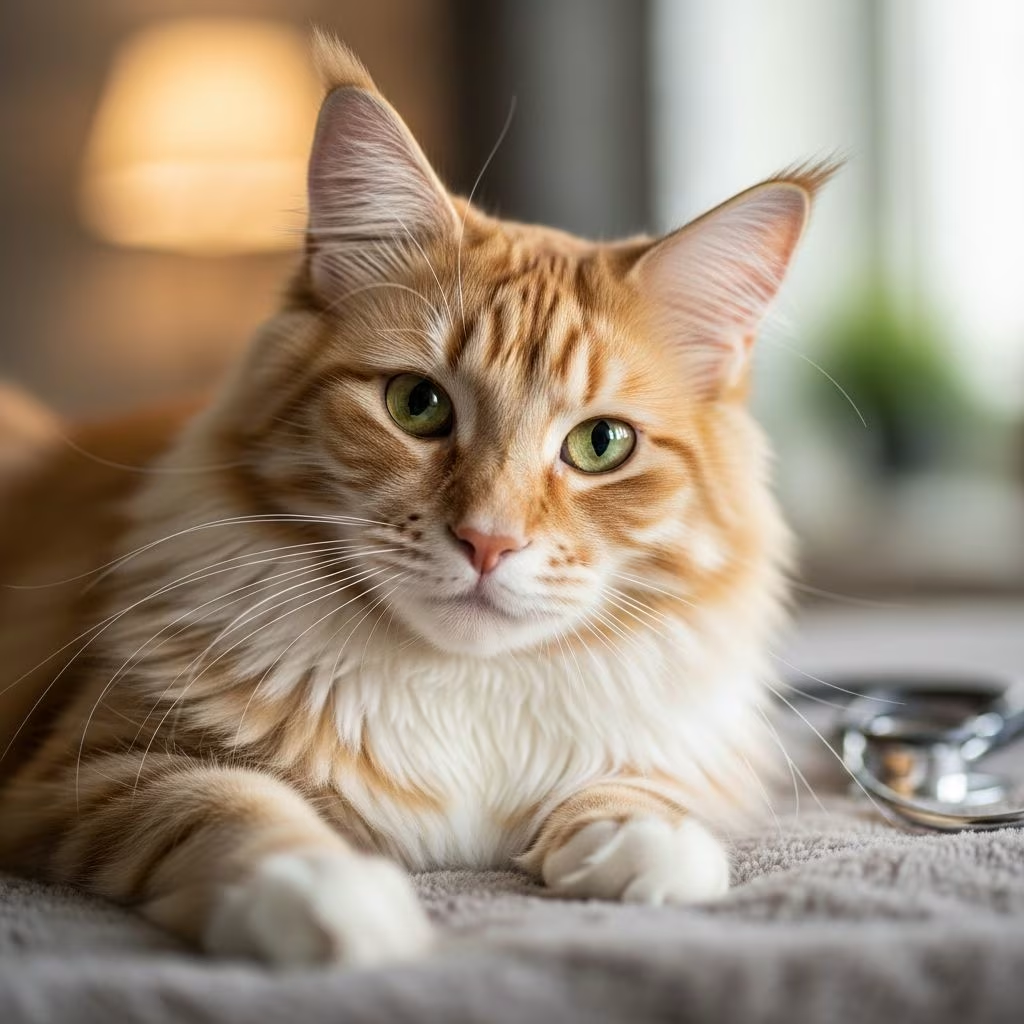
How to Calm a Crazy Cat: 6 Vet-Approved Tips & Causes of Extra Feline Energy
Cats are fascinating creatures with unpredictable personalities and surprising bursts of energy that can leave pet owners bewildered. From sudden energetic outbursts and wall-climbing maneuvers to countertop cruising and unexpected moments of chaos, feline antics often seem completely random and over-the-top. While these behaviors are completely normal and part of what makes cats such entertaining companions, there comes a point where a cat’s wild antics can become overwhelming for even the most patient pet owner. If your kitty’s crazy behavior is getting out of control, you’re probably wondering what’s driving these actions and how you can effectively manage them.
Understanding the root causes of your cat’s hyperactivity is the first step toward addressing the issue. Cats may seem unpredictable, but their behaviors usually stem from natural instincts, excess energy, boredom, or environmental factors. When you recognize what’s triggering your cat’s wild behavior, you can implement targeted strategies to help them channel that energy appropriately. This comprehensive guide explores the reasons behind cat craziness and provides six proven, vet-approved tips to help you restore peace and harmony to your home while strengthening your bond with your feline companion.
Why Do Cats Get Crazy?
Before diving into solutions, it’s important to understand why cats behave the way they do. One significant factor is their natural crepuscular instincts. Cats are crepuscular animals, meaning they’re naturally more active during dawn and dusk hours. If your kitty is acting wild when you get home from work, it’s likely a combination of their desire to play with you now that you’re present and their natural tendency toward increased activity during these times. This explains why many cat owners experience the infamous “3 a.m. zoomies” or sudden evening hyperactivity bursts.
Additionally, cats are highly intelligent creatures who require mental and physical stimulation to stay happy and healthy. Without adequate outlets for their energy and natural hunting instincts, cats can develop destructive or chaotic behaviors. Boredom, lack of environmental enrichment, and insufficient playtime are leading causes of excessive cat craziness. Understanding these natural tendencies helps you approach the situation with empathy and implement solutions that work with your cat’s nature rather than against it.
The 6 Tips for Calming a Crazy Cat
1. Make Time for Structured Playtime
While cats don’t require the extensive daily exercise that dogs do, they still need dedicated, structured playtime to burn off excess energy and satisfy their hunting instincts. Incorporating regular play sessions into your daily routine can dramatically reduce wild and crazy behaviors while simultaneously strengthening the bond between you and your feline friend.
Interactive toys are particularly effective for engaging your cat’s natural predatory instincts. Feather wands, string toys, and treat-dispensing toys all encourage hunting-like behaviors that help cats expend energy in a healthy, controlled manner. The good news is that you don’t need to dedicate hours to play sessions. Sessions lasting just five to ten minutes can be sufficient to satisfy your cat’s needs and tire them out appropriately.
Laser pointers are a popular entertainment option, and many cats enjoy chasing the fast-moving red dot. However, it’s important to use them carefully. Some concerns exist that laser toys can lead to frustration, anxiety, and unhealthy hyperfixation in certain cats. To prevent this, limit laser play sessions and try to conclude each session by allowing your cat to catch an actual physical toy. This provides a sense of completion and satisfaction, preventing the frustration that can come from an uncatchable target.
2. Buy New Toys and Rotate Regularly
If your adult cats have been playing with the same toys since they were kittens, they’re likely bored out of their minds. Cats are extremely intelligent animals that quickly grow tired of repetitive toys. What once captivated their attention may now be completely ignored after just a few play sessions.
The solution isn’t necessarily to continuously purchase new toys. Instead, create a rotating toy system by maintaining a stockpile of various toys and rotating them in and out on a weekly basis. This approach keeps things fresh and exciting in your cat’s mind without requiring constant purchases. A toy that seemed boring last week can become incredibly interesting again after a week or two of being stored away.
3. Boost Environmental and Cognitive Enrichment
Environmental enrichment goes far beyond toys and encompasses multiple dimensions of your cat’s daily experience. Two key types of enrichment are particularly important for managing crazy cat behavior: social enrichment and cognitive enrichment.
Social enrichment involves play and interactive bonding with your cat. While cats are known for their independent nature, they’re also highly social creatures that thrive on interaction. Social enrichment can take many forms, including playing together, snuggling, brushing your cat, and engaging in other bonding activities. Any interactive activity that strengthens your relationship will increase your pet’s social enrichment and overall well-being.
Cognitive enrichment focuses on mental stimulation and problem-solving. Puzzle feeders, interactive games, and training sessions all provide excellent cognitive enrichment opportunities. Many pet owners are surprised to learn how easy it is to teach cats tricks or commands with consistent positive reinforcement through treats and patience. Training sessions challenge your cat’s mind and provide a productive outlet for their mental energy.
4. Provide Safe Outdoor Access
Indoor cats can sometimes develop unusual, off-the-wall behaviors similar to what humans experience as “cabin fever”—the restlessness and behavioral changes that occur when someone is confined in an isolated location for extended periods. Even cats provided with the best toys, comfortable beds, and high-quality food can develop stir-crazy behaviors when confined indoors all day without outdoor stimulation.
If feasible for your living situation, providing safe outdoor access can significantly improve your cat’s mental health and reduce crazy behaviors. This might include allowing supervised outdoor time in a secure yard, creating a catio (a screened-in outdoor space designed for cats), or using a secure harness and leash for outdoor exploration. Outdoor access provides natural stimulation through fresh air, sunlight, new sights and sounds, and opportunities to engage natural hunting instincts in a safe environment.
5. Use Calming Products When Appropriate
If your cat’s crazy behavior is linked to anxiety or stress, over-the-counter calming products can be worth exploring. These products are available at most pet stores at relatively affordable prices and include various options such as supplements, diffusers, and treats. Calming wipes, collars, and specially formulated treats provide additional alternatives for anxiety management.
Before starting any calming product regimen, it’s advisable to consult with your veterinarian about which options would be most appropriate for your specific cat. Your vet can recommend products suited to your cat’s individual needs and can help you determine whether underlying health issues might be contributing to the behavior.
In cases where calming products and behavioral modifications haven’t proven effective, and anxiety or stress appears to be the primary driver of problematic behavior, your veterinarian may recommend prescription medication. While typically reserved for more severe cases—particularly when stress and anxiety are leading to inappropriate toileting or self-mutilation—anxiolytics and antidepressant medications can be highly effective for cats with behavioral issues when other strategies have been unsuccessful.
6. Evaluate Your Home Environment and Routine
Sometimes the best approach to managing a crazy cat is to examine your home and daily routine from your cat’s perspective. Look for opportunities to help your cat channel excess energy more productively through interactive toys, environmental enrichment, and quality playtime. Small changes to your home environment and schedule can have surprisingly significant effects on your cat’s behavior and overall well-being.
Creating a Comprehensive Behavior Management Plan
Successfully managing a hyperactive or crazy cat typically requires implementing multiple strategies rather than relying on a single solution. Consider using a combination of approaches tailored to your specific cat’s personality, living situation, and needs. Some cats respond best to increased playtime, while others benefit most from cognitive enrichment or environmental modifications.
Track which strategies seem most effective for your particular cat and adjust your approach accordingly. What works wonderfully for one cat might be less effective for another, so patience and observation are essential. Keep notes about your cat’s behavior patterns, energy levels before and after implementing changes, and which activities seem to tire them out most effectively.
Frequently Asked Questions (FAQs)
Q: How much playtime does my cat need daily?
A: While individual needs vary by cat, sessions of five to ten minutes several times daily can be sufficient to satisfy most cats’ needs. The key is consistency and using interactive toys that engage their hunting instincts. Some cats may benefit from longer play sessions, so observe your cat’s energy levels and adjust accordingly.
Q: Are laser pointers safe for cats?
A: While many cats enjoy laser play, there are some concerns that constant laser use can cause frustration and anxiety. To minimize risks, limit laser play sessions and always end them by allowing your cat to catch a physical toy, providing a sense of completion and satisfaction.
Q: Can indoor cats be happy without outdoor access?
A: Yes, indoor cats can be very happy with appropriate environmental enrichment, toys, playtime, and mental stimulation. However, some cats may exhibit cabin fever symptoms if they don’t receive sufficient enrichment. If outdoor access isn’t possible, increase indoor enrichment activities.
Q: What calming products are safe for cats?
A: Many over-the-counter calming products are available for cats, including supplements, diffusers, wipes, collars, and treats. Always consult with your veterinarian before starting any new product to ensure it’s appropriate for your cat and won’t interact with any medications.
Q: Why is my cat crazy at night?
A: Cats are crepuscular animals, naturally more active during dawn and dusk hours. This explains nighttime hyperactivity. Regular playtime before bedtime can help tire your cat out and reduce nighttime craziness.
Q: How can I tell if my cat’s behavior is normal or problematic?
A: Normal cat behavior includes bursts of energy, play, climbing, and exploration. Problematic behavior typically includes excessive aggression, destructive actions affecting your home, inappropriate elimination, or self-injury. If you’re concerned, consult your veterinarian to rule out health issues.
References
- How to Calm a Crazy Cat: 6 Vet-Approved Tips & Causes of Extra Feline Energy — Catster. 2024. https://www.catster.com/cat-behavior/how-to-calm-a-crazy-cat/
- Animal Behavior College — Certified Animal Behavior Programs. Accessed 2026. https://www.animalbehaviorcollege.com/
- Feline Behavior: Understanding Your Cat — International Cat Care. 2025. https://icatcare.org/



