

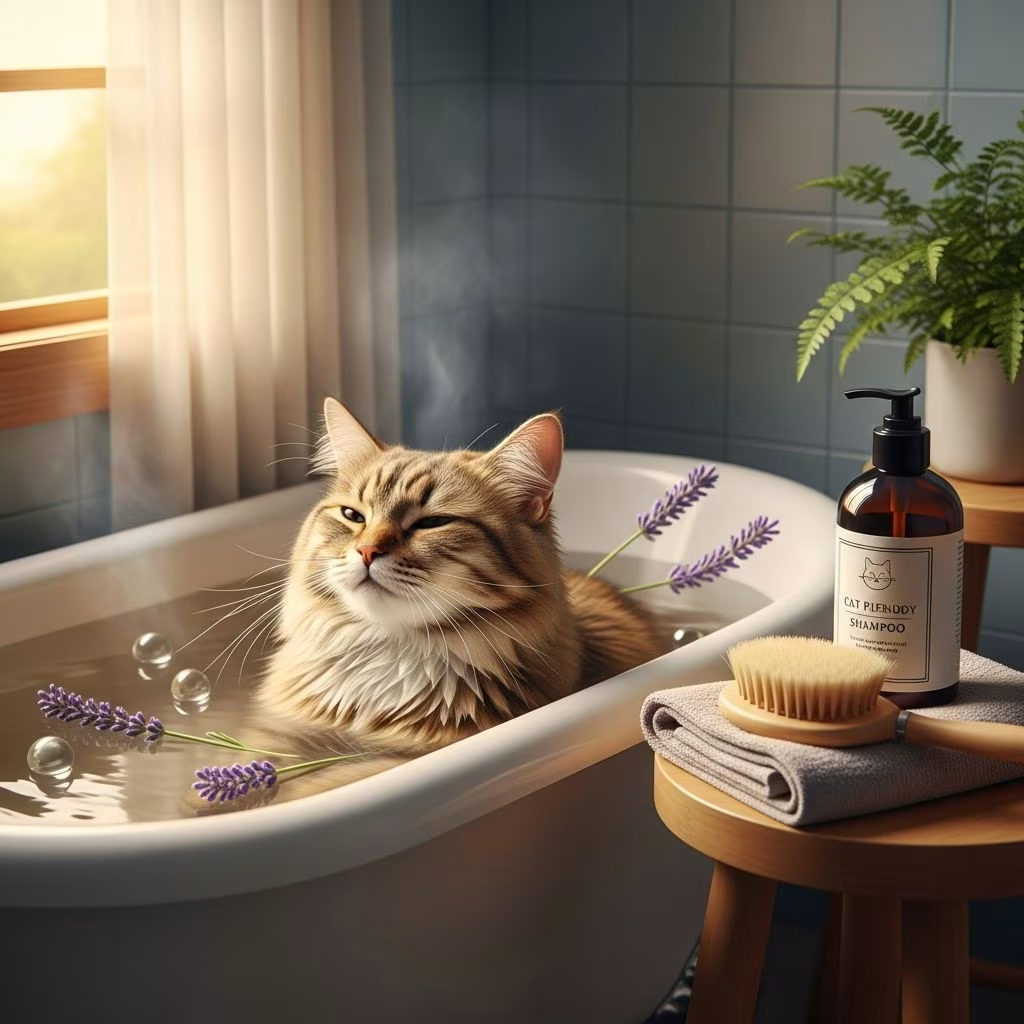
Most cats dread bath time due to their natural aversion to water, but occasional baths may be necessary for severe soiling or medicated treatments. Keeping your cat calm is essential to minimize stress and ensure safety for both you and your pet.
Cats excel at self-grooming, often eliminating the need for baths throughout their lives. However, situations like urine, feces, vomit contamination, or veterinarian-recommended medicated shampoos for skin issues may require intervention. Alternatives like pet-friendly wipes, brushing, or spot-cleaning soiled areas, or rinse-free topical products, should be prioritized to avoid full baths. Always consult a vet before bathing, especially if your cat isn’t accustomed from kittenhood, as it can strain your bond.
The 6 Ways to Calm a Cat Before a Bath
These six veterinarian-approved methods focus on preparation, desensitization, and anxiety reduction to transform bath time from a battle into a manageable routine. Implementing them gradually builds positive associations and reduces fear responses.
1. Take Things Slowly
Approach bath preparation with deliberate calmness to avoid escalating your cat’s anxiety. Cats mirror their owner’s energy; nervousness from you can heighten theirs.
- Prepare the bathwater to the ideal temperature—lukewarm, like a baby’s bath—before bringing your cat into the room to eliminate the scary sound of running water.
- Move slowly, speak in a soft, reassuring voice, and use positive reinforcement like gentle petting or treats throughout.
- Stay composed even if your cat fidgets; sudden movements trigger flight responses.
This method leverages your cat’s sensitivity to human cues, fostering trust during the vulnerable bathing process.
2. Get Them Used to the Bathtub or Sink
Desensitization transforms the bath area from a terrifying unknown into a familiar, safe space through repeated positive exposures.
- Regularly place your cat in the empty bathtub or sink, spending time sitting with them, offering affection, treats, and play.
- Install a non-slip bath mat or towel on the surface to provide traction and security, preventing slips that amplify panic.
- Start sessions short—5-10 minutes—and gradually increase duration over days or weeks.
Over time, your cat associates the space with comfort rather than dread, significantly easing bath day transitions. For kittens, begin this early to normalize water exposure entirely.
3. Use Pheromones
Synthetic feline pheromones mimic natural calming signals cats produce, reducing stress without sedation.
- Apply pheromone sprays or diffusers like Feliway in the bathroom 15-30 minutes before bathing.
- These products replicate facial pheromones cats deposit when feeling secure, signaling safety to their senses.
- Combine with other methods for enhanced effects, especially for highly anxious cats.
Veterinarians often recommend pheromones as a non-invasive first line for anxiety management during grooming.
4. Try White Noise or Soft Music
Cats’ acute hearing makes loud environments overwhelming; calming sounds mask stressors and promote relaxation.
- Play soft classical music or white noise machines at low volumes during pre-bath prep and the bath itself.
- Scientific studies confirm these reduce feline stress indicators like elevated heart rates and vocalizations.
- Avoid sudden volume changes; opt for playlists designed for pets.
This auditory technique distracts from water noises and taps into cats’ sensitivity to soothing frequencies.
5. Try Anxiety Relief Supplements or Medication
For severe anxiety, natural supplements offer gentle relief without drowsiness.
- Administer over-the-counter products containing L-theanine (from green tea), alpha-casozepine (milk peptide), or tryptophan 30-60 minutes prior; allow time for absorption.
- Consult a vet for prescription options if natural remedies fall short, especially for medical baths.
- Dosage varies by cat weight and product; start with trial doses on non-bath days.
These promote neurotransmitter balance for calmer demeanors, ideal when combined with behavioral prep.
6. Schedule a Play Session Beforehand
Exhausting excess energy mellows high-strung cats, reducing resistance.
- Engage in 15-20 minutes of vigorous play with toys like feather wands or laser pointers before bath time.
- Tire them to a relaxed state, mimicking post-nap tranquility in older cats.
- Follow play with a brief cool-down period to transition smoothly.
Play releases endorphins, lowering baseline stress and improving compliance.
Additional Tips for a Successful Cat Bath
Beyond calming techniques, practical steps ensure safety and efficiency.
- Preparation is key: Gather supplies—cat-specific shampoo, towels, gloves (elbow-length for protection), harness if needed—ahead. Expect resistance and protect yourself.
- Water method: Use a spraying showerhead for less intimidation than filling basins; deep tubs contain escapes.
- Immersion technique: Swiftly but gently submerge from neck down to discourage fighting; cats settle faster when fully wet.
- Safety first: Maintain firm but gentle control on shoulders; stop if extreme distress occurs—no bath justifies injury.
- Cleaning: Use a damp cloth for face/ears; avoid shampoo there. Oatmeal baths soothe skin issues.
- Post-bath: Wrap in warm towels, provide treats, and allow quiet recovery; cats forgive quickly if handled calmly.
- Frequency: Limit to necessities; start kittens young for tolerance. Never use human shampoo.
Enlist a helper for holding or passing items, minimizing scratches.
Frequently Asked Questions (FAQs)
Q: How often should I bathe my cat?
A: Rarely—only for severe soiling or vet-prescribed treatments. Self-grooming suffices for most.
Q: What if my cat hates water despite prep?
A: Skip full baths; use wipes, spot-clean, or vet alternatives like rinse-free topicals.
Q: Can I use human products?
A: No—cat skin pH differs; use vet-approved shampoos only.
Q: How do I protect myself from scratches?
A: Wear thick gloves, use a harness, and have help. Desensitize to gear beforehand.
Q: What temperature should bathwater be?
A: Lukewarm, comfortably warm to touch—like for a baby.
Q: Will my cat forgive me after?
A: Yes, if calm and positive; avoid yelling to preserve trust.
Conclusion
Calming a cat for a bath requires patience, prep, and these six vet tips: slow actions, desensitization, pheromones, sounds, supplements, and play. Tailor to your cat—what works varies. If overwhelm persists, vet consultation ensures alternatives, prioritizing welfare over washing. With consistency, rare baths become less traumatic, strengthening your bond.
References
- How Do I Calm a Cat Down for a Bath? 6 Vet-Approved Tips to Try — Catster. 2023. https://www.catster.com/cat-health-care/how-to-calm-cat-down-for-bath/
- The Benefits of Oatmeal Baths for Cats: A Comprehensive Guide — PetCareRx. 2023. https://www.petcarerx.com/article/the-benefits-of-oatmeal-baths-for-cats-a-comprehensive-guide/7053
- How to Give Your Cat a Bath: Dr. Karyn’s Tips (With Video) — Catster. 2023. https://www.catster.com/felines-weekly/how-to-give-your-cat-a-bath-dr-karyns-tips/
- How to Give a Cat a Bath (Without Getting Scratched) — Catster. 2023. https://www.catster.com/cat-health-care/how-to-give-cat-a-bath/



