

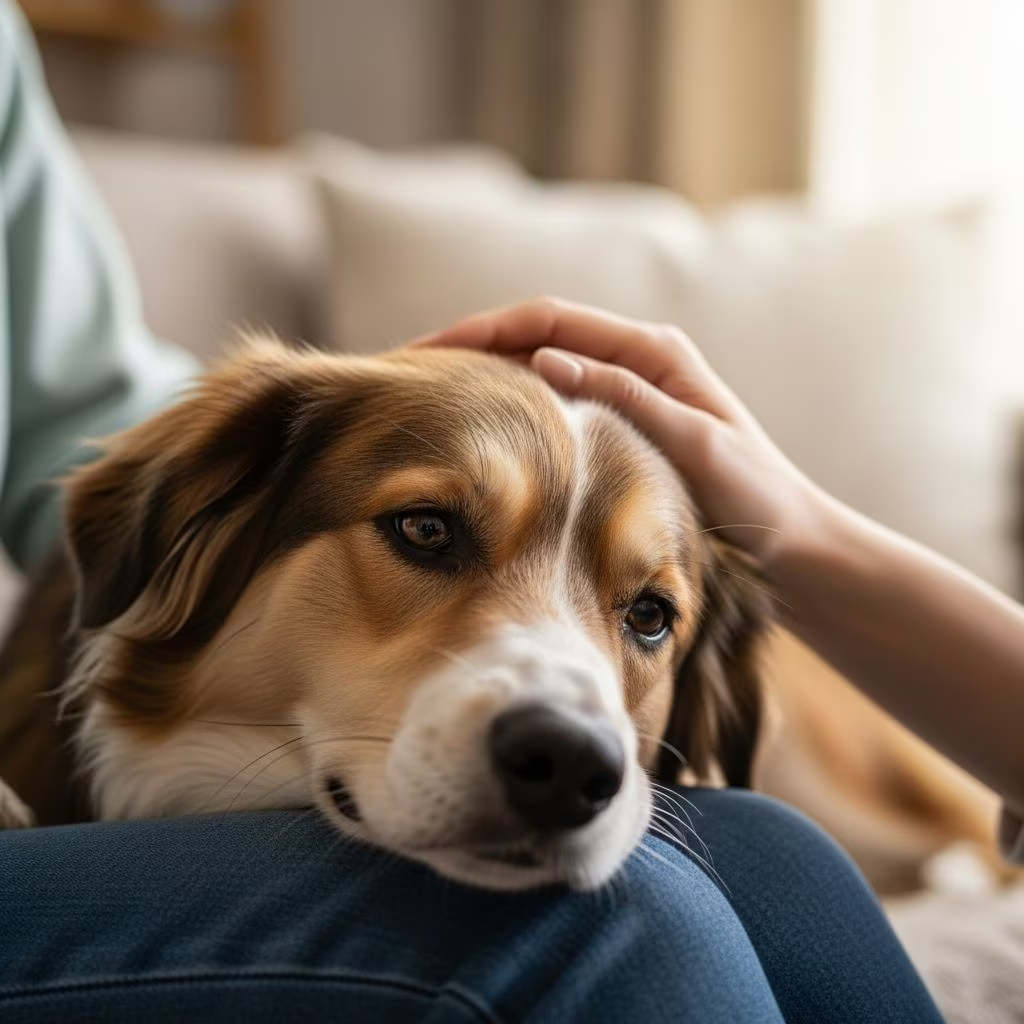
How to Calm an Anxious Dog: Vet-Approved Strategies
Dog anxiety is a common concern for pet parents across the country. Whether your furry companion experiences occasional nervousness or persistent worry, understanding how to calm an anxious dog can significantly improve their quality of life and strengthen your bond. Anxiety in dogs can manifest in various ways, from excessive barking and destructive behaviors to physical symptoms like trembling and loss of appetite. Fortunately, there are numerous science-backed strategies that veterinarians recommend to help your anxious pup find peace and stability.
Understanding Dog Anxiety: Triggers and Symptoms
Before addressing how to calm an anxious dog, it’s essential to recognize the signs and understand what triggers the anxiety. Dog anxiety can affect canines of all ages and breeds, and identifying these patterns is the first step toward effective intervention.
Common Anxiety Triggers in Dogs
Dogs experience anxiety for various reasons. Understanding these triggers can help you develop targeted strategies to manage your pet’s stress levels.
- Loud noises: Thunderstorms, fireworks, and construction sounds are common anxiety triggers. While some dogs quickly return to normal once the noise stops, others may develop persistent anxiety from these experiences.
- New environments or experiences: Major changes such as moving to a new home, attending doggy daycare, or visiting unfamiliar locations can trigger longer-term anxiety in sensitive dogs.
- Schedule changes: Dogs thrive on routine, so alterations in their owners’ schedules—whether due to a new job or changed work hours—can create significant stress and anxiety.
- Previous trauma: Dogs who have experienced trauma or lacked proper socialization during their formative puppy years may develop deep-rooted anxiety. This can manifest as fear of certain people, places, or situations that remind them of past negative experiences.
- Separation anxiety: Being left alone without proper conditioning can trigger significant distress in dogs who are strongly bonded to their owners.
Recognizing Behavioral Signs of Anxiety
Anxious dogs display a range of behavioral changes that alert pet parents to their emotional state. These signs include:
- Excessive barking or whining
- Destructive chewing or digging
- Restlessness or pacing
- Hypervigilance and heightened alertness
- Attempts to escape or hide
- Loss of appetite
- Aggression or irritability
- Excessive yawning
Physical Manifestations of Anxiety
Beyond behavioral changes, anxious dogs often display physical symptoms that indicate their stress level:
- Panting or excessive drooling
- Trembling or shaking
- Dilated pupils and wide eyes
- Excessive shedding
- Tucked tail
- Jumping at sudden noises
- Potty accidents or inappropriate urination and defecation
- Lip licking
Behavioral Modification Techniques to Calm an Anxious Dog
Behavioral modification represents one of the most effective and vet-recommended approaches to helping your dog manage anxiety. These techniques focus on changing how your dog responds to anxiety triggers through systematic training.
Desensitization: Gradual Exposure to Anxiety Triggers
Desensitization involves gradually exposing your dog to the source of their fear at low intensity levels, allowing them to build tolerance over time. This process requires patience and consistency but can yield remarkable results for dogs with specific phobias or triggers.
The technique works by slowly introducing your dog to their anxiety trigger in a controlled manner. For example, if your dog has a noise phobia, you might start by playing a quiet recording of thunder and rewarding them with treats for staying calm. As your dog becomes more comfortable with the low-intensity stimulus, gradually increase the volume and intensity until they can remain calm during the actual trigger. This could take weeks or months, depending on your dog’s anxiety severity, but it’s one of the most proven methods for long-term anxiety management.
Important: Desensitization should only be performed under the guidance of a professional dog trainer or veterinary behaviorist to ensure the process remains below your dog’s fear threshold and doesn’t inadvertently worsen their anxiety.
Counterconditioning: Changing Emotional Responses
Counterconditioning focuses on changing your dog’s emotional response to anxiety triggers by teaching them to associate the fear-inducing stimulus with something positive. This technique pairs the anxiety trigger with rewarding experiences like treats, praise, or playtime.
Over time, your dog’s brain begins to create new associations. Instead of perceiving the trigger as threatening, they start to anticipate positive outcomes. For instance, if your dog becomes anxious when you pick up your car keys, you might repeatedly pick up your keys and immediately offer them a high-value treat. After numerous repetitions, the sight of keys becomes a signal for something good happening rather than a warning of separation.
Environmental Enrichment and Modifications
Creating a calm, supportive environment plays a crucial role in managing your dog’s anxiety. Environmental modifications can significantly reduce stress levels and provide your anxious dog with the stability they need.
Creating a Safe Space
Designate a quiet, comfortable area in your home where your anxious dog can retreat when they feel stressed. This safe zone should be:
- Away from high-traffic areas and noise
- Furnished with comfortable bedding or dog bed
- Equipped with toys and items that bring comfort
- Accessible at all times for your dog to use voluntarily
Many pet parents use a crate, bathroom, bedroom corner, or dedicated closet space as a safe zone. However, never force your dog into this space. The safe area should be a place they naturally gravitate toward when seeking comfort, not a place of confinement or punishment.
Calming Pheromone Products
Pheromone diffusers, collars, and sprays can be highly effective tools for reducing anxiety. These products release synthetic versions of the calming pheromones that mother dogs produce to soothe their puppies. Using these products in your dog’s safe space or throughout your home can create a naturally calming atmosphere that helps reduce overall stress and anxiety levels.
Sensory Optimization
Modify your home’s sensory environment to promote calmness:
- Soothing music: Play soft, calming music or dog-specific relaxation tracks designed to reduce anxiety and promote relaxation.
- White noise machines: Use white noise or nature sounds to mask environmental triggers like traffic, neighbors, or outdoor noises that may trigger your dog’s anxiety.
- Appropriate lighting: Keep lighting soft and consistent to create a peaceful environment.
Mental Stimulation and Enrichment
Mental engagement can redirect your dog’s anxious thoughts and provide healthy outlets for their energy. Incorporate:
- Puzzle feeders that require problem-solving to access food
- Interactive toys like Kong toys or snuffle mats
- Rotating toys to maintain novelty and interest
- Treat-dispensing toys that provide entertainment and reward
Daily Exercise and Physical Activity
Regular physical exercise is fundamental to managing dog anxiety. Daily exercise helps burn excess energy, promotes better sleep, and releases endorphins that naturally reduce stress and anxiety. A well-exercised dog is typically a calmer, more content dog.
The amount and type of exercise your dog needs depends on their age, breed, and energy level. Most adult dogs benefit from at least 30 minutes to an hour of physical activity daily. This could include walks, runs, fetch, swimming, or playtime with other dogs. High-energy breeds may require even more activity to prevent anxiety-related behaviors from developing.
In addition to physical exercise, mental stimulation through training sessions, scent work, and interactive play is equally important for preventing and managing anxiety.
How to Prevent Dog Anxiety
Prevention is often more effective than treatment when it comes to dog anxiety. By taking proactive steps early in your dog’s life, you can significantly reduce their likelihood of developing anxiety disorders.
Start Training and Socialization Early
Proper socialization during your dog’s formative puppy years is crucial for anxiety prevention. Gradually introduce your young dog to new environments, people, animals, and experiences in a positive, controlled manner. This builds confidence and helps them feel comfortable navigating the world, reducing the likelihood of developing fear-based anxiety later in life.
Maintain a Consistent Routine
Dogs thrive on predictability and structure. Establishing and maintaining a consistent daily routine for feeding, walks, playtime, and bedtime creates a sense of security and stability. When dogs know what to expect, they experience less uncertainty and anxiety. Stick to similar times for these activities whenever possible, and inform your anxious dog of changes before they occur by maintaining calm, positive energy.
Use Positive Reinforcement
Reward calm behavior with treats, praise, and affection. This positive reinforcement encourages your dog to repeat these desirable behaviors and creates positive associations with potentially anxiety-inducing situations. Avoid punishing anxious behaviors, as this can increase stress and worsen anxiety over time.
Address Medical Concerns Promptly
Regular veterinary visits are essential for catching health issues early that might contribute to anxiety. Pain, hormonal imbalances, neurological conditions, and cognitive decline in senior dogs can all manifest as anxiety-like symptoms. By maintaining regular vet checkups, you can ensure any underlying medical issues are addressed before they worsen or complicate anxiety management.
When to Consult Your Veterinarian
While many anxiety management strategies can be implemented at home, professional guidance is important. Consult your veterinarian if:
- Your dog shows sudden changes in behavior or anxiety levels
- Anxiety symptoms are severe or worsening
- Your dog’s anxiety is affecting their quality of life
- Home management strategies aren’t providing relief
- You’re unsure whether symptoms are related to anxiety or an underlying medical condition
Your veterinarian can rule out medical causes, provide behavioral recommendations, and discuss medication options if necessary for your specific situation.
Frequently Asked Questions About Calming Anxious Dogs
Q: How long does it take to calm an anxious dog using behavioral modification?
A: The timeline varies depending on the severity of anxiety, the specific trigger, and your dog’s individual temperament. Some dogs may show improvement within weeks, while others may require several months of consistent training. Patience and consistency are essential for success.
Q: Can I use anxiety medication alongside behavioral modification?
A: Yes, in many cases, medication and behavioral modification work well together. Your veterinarian can determine if medication is appropriate for your dog and help coordinate treatment with professional training for optimal results.
Q: What’s the difference between normal dog worry and anxiety disorder?
A: Normal worry is a temporary response to a specific situation that resolves once the trigger is removed. Anxiety disorder involves persistent, excessive worry that significantly impacts your dog’s daily functioning and quality of life even when the trigger isn’t present.
Q: Are certain dog breeds more prone to anxiety?
A: While anxiety can affect any breed, some breeds do show higher predispositions. However, individual temperament, early socialization, training, and environment play equally important roles in developing or preventing anxiety.
Q: Can diet affect my dog’s anxiety levels?
A: Yes, a balanced, high-quality diet can support overall mental health and stress resilience. Discuss nutritional options with your veterinarian, including foods with omega-3 fatty acids and other nutrients that support cognitive function and emotional well-being.
References
- How To Calm an Anxious Dog, According to Vets — Chewy. 2024. https://www.chewy.com/education/dog/health-and-wellness/how-to-calm-an-anxious-dog
- Dog Anxiety 101: Signs, Causes and Treatment — Chewy. 2024. https://www.chewy.com/education/dog/health-and-wellness/dog-anxiety
- 10 Most Common Anxiety Medications for Dogs — Chewy. 2024. https://www.chewy.com/education/dog/health-and-wellness/anxiety-meds-for-dogs
- Separation Anxiety in Dogs and How to Help Your Pup — Chewy. 2024. https://www.chewy.com/education/dog/health-and-wellness/reducing-separation-anxiety-dog
- Dog Anxiety Symptoms: 5 Signs of an Anxious Dog — Chewy. 2024. https://www.chewy.com/education/dog/health-and-wellness/behavior-stress-anxiety-10-signs-your-dog-is-stressed



