

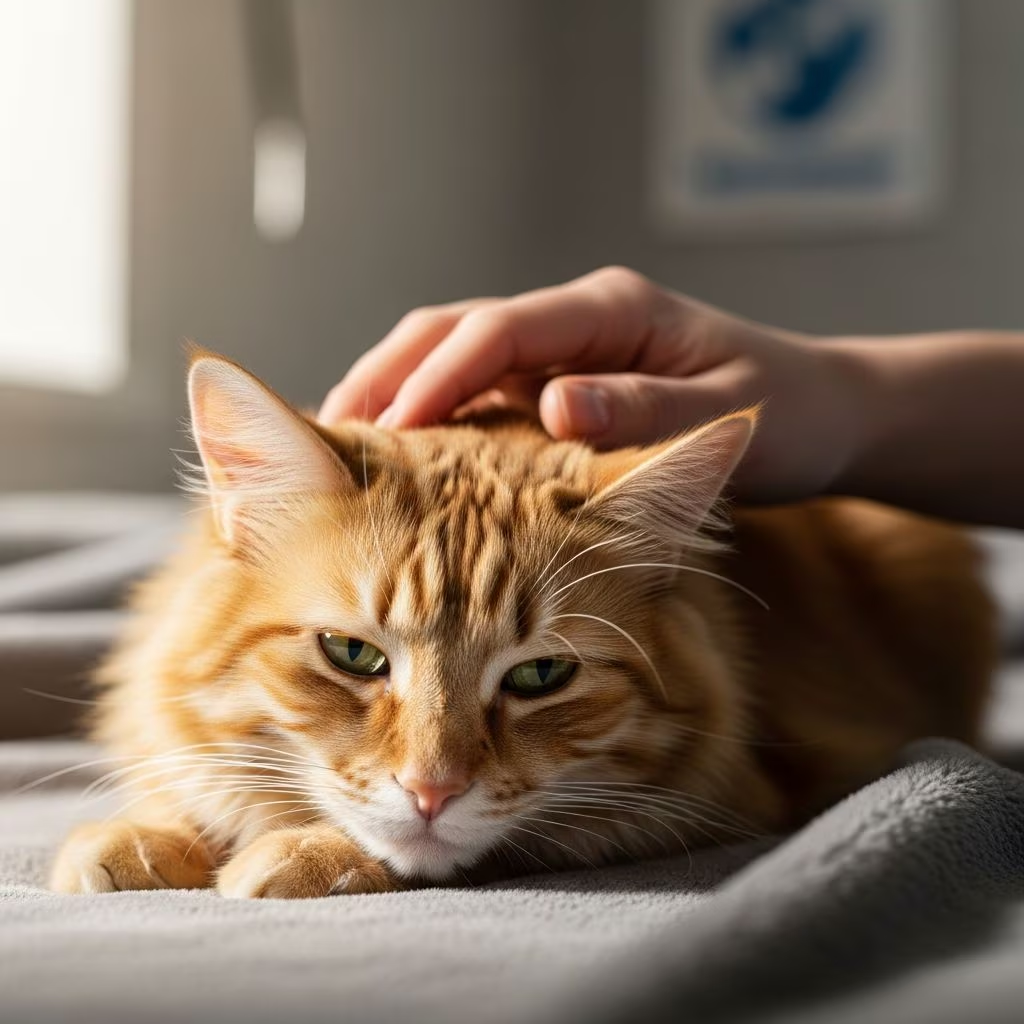
Cats are known for their independent and affectionate nature, yet many cat owners don’t realize that felines experience a wide range of emotions, including anger. Although cats may not experience anger in the same way humans do, there’s no doubt that our beloved pets can become genuinely angry from time to time. When this happens, it can be both stressful and potentially dangerous for everyone involved. Aggression is actually one of the most common behavioral problems among cats, and understanding how to handle an angry cat is crucial for any pet owner.
The key to successfully calming an angry cat lies in understanding why your feline friend is upset in the first place. By identifying the root cause of the anger and knowing the proper techniques to address it, you can create a safer, more harmonious household. This comprehensive guide will walk you through seven proven steps recommended by veterinarians and animal behavior experts to help you calm your angry cat effectively.
Understanding Feline Anger
Before diving into the calming techniques, it’s important to recognize that anger in cats is a valid emotional response that often stems from deeper issues. Cats may become angry due to fear, pain, conflict with other animals, or territorial aggression. Understanding these underlying causes is the first step toward finding an effective solution. An angry or aggressive cat can be quite dangerous, as their sharp claws and teeth can cause serious injuries to people, especially children, and other pets in the household.
Rather than viewing your cat’s anger as a behavioral flaw, consider it a communication signal that something is wrong. Your cat is trying to tell you that they feel threatened, uncomfortable, or in pain. By respecting this message and taking appropriate action, you can help your feline companion return to a calm, content state.
How to Calm an Angry Cat in 7 Steps
1. Give Them Space
The first and most important step when dealing with an angry cat is to give them adequate space to cool down. An angry cat typically needs anywhere from a few minutes to even an hour to decompress. Attempting to immediately pick up, pet, or cuddle your cat when they’re displaying signs of anger will likely stress them out further and put you at risk of being bitten or scratched.
It’s equally important to avoid cornering an angry cat, as this will only intensify their fight response and potentially cause them to lash out even more aggressively. If your cat is not in immediate physical danger from their surroundings, allow them to calm down in the spot where they’ve chosen to hide or retreat. Respect their need for solitude during this critical period.
2. Remain Calm
Your own demeanor plays a significant role in how quickly your cat will calm down. When you notice your cat is angry or aggressive, resist the urge to escalate the situation by shouting, running, or showing panic. Instead, remain composed and speak to your cat only in a low, gentle voice. Cats are highly sensitive to human emotions and can easily pick up on your stress or anxiety, which will only amplify their own agitation.
Taking a few deep breaths before interacting with your angry cat can help you approach the situation with a clear head and steady demeanor. This calm energy will communicate safety to your feline friend and encourage them to relax. Remember that your composure directly impacts your cat’s ability to de-escalate.
3. Read Their Body Language
Understanding feline body language is crucial when dealing with an angry cat. Cats communicate their emotional state through various physical signals that can help you gauge their level of aggression and determine whether it’s safe to approach them. Common signs of an angry cat include flattened ears, dilated pupils, a puffed-up tail, raised fur along the spine, and a tense body posture.
Your cat’s eyes can reveal a lot about their emotional state. Dilated pupils, for instance, may indicate fear or arousal, while narrowed eyes might suggest anger or extreme focus. By paying close attention to these subtle signals, you can better understand your cat’s current emotional state and adjust your approach accordingly. This knowledge will help you avoid making situations worse and know when it’s safe to offer comfort.
4. Remove Any Potential Stressors
Once you’ve identified what triggered your cat’s anger, work to eliminate that stressor from the environment if possible. The stressor could be another pet, a person, a loud noise, or even an unfamiliar object. Your cat may continue to display aggression or angry behavior as long as they’re interacting with whatever is making them feel threatened or uncomfortable.
By removing the source of stress, you give your cat the necessary time to feel safe again and begin the process of emotional recovery. This might mean temporarily separating multiple cats, asking visitors to leave, closing windows to reduce external noise, or putting away toys or objects that seem to trigger the aggression. The goal is to create an environment where your cat can gradually return to their normal, calm state.
5. Keep Your Cat in a Safe Area
An angry cat may behave frantically and aggressively, so it’s essential to ensure they’re confined to a safe area where they cannot harm themselves, other pets, or family members. If your cat has already chosen a safe hiding spot like under a bed or in a dark corner, it’s usually best to leave them there rather than attempting to lure them out. However, if they’re in a dangerous location such as outdoors or in a busy area of your home, you may need to calmly guide them into a carrier or crate.
Once your cat is in a safe area, move them to a quiet, dimly lit room where they can choose their own hiding place and calm down undisturbed. The safe space should include essential items such as:
- A comfortable blanket or bed
- An accessible litter box
- A cardboard box or open carrier for hiding
- Fresh food and water bowls
Keep in mind that an angry cat may be defensive and could injure you in their attempt to protect themselves, so take appropriate precautions to safeguard your own well-being. It can take considerable time for an angry feline to calm down, so be prepared to provide them with everything they need during this period.
6. Try a Relaxing Distraction
Once your cat has had sufficient time to cool down and shows signs of calming, you can begin offering gentle distractions to redirect their attention away from whatever upset them. Suitable distractions might include:
- An enticing treat or favorite food
- A beloved toy or interactive play object
- Calming music or white noise played at low volume
- A feather wand or other interactive toy
Allow your cat to approach these distractions at their own pace. Never force interaction, as this could reignite their anger. Instead, simply make these pleasant options available and let your cat choose whether and when to engage with them. A tasty treat or favorite toy is usually sufficient to help distract an angry cat that has been given adequate space and time to recover.
7. Additional Calming Techniques
Beyond the primary steps outlined above, several additional techniques can support your efforts to calm an angry cat. Synthetic cat pheromone products, such as diffusers or sprays, can help reduce stress and anxiety by mimicking natural feline calming signals. These products work by triggering the brain’s natural calming pathways and can be used on bedding, blankets, scratching posts, and furniture.
Calming sprays that utilize natural ingredients to activate the body’s internal calming mechanisms offer another option for stress reduction. These tools can be particularly helpful during transition periods or when introducing changes to your cat’s environment. Many cat owners find that maintaining these calming aids long-term creates a more peaceful household for their feline companions.
What Makes Cats Feel Angry?
Understanding the root causes of feline anger is essential for preventing future episodes and creating a harmonious home environment. Several common triggers can cause cats to become angry or aggressive:
Fear and Threat Perception
A cat might display angry behavior out of fear. If they perceive something or someone as a threat to their environment or safety, they may respond with aggression as a defensive mechanism. This is particularly common in cats with a history of trauma or those who haven’t been properly socialized.
Pain and Medical Issues
Physical pain or underlying health conditions can cause sudden behavioral changes, including increased aggression. If your cat’s angry behavior seems unusual or has appeared suddenly, a veterinary checkup is essential to rule out medical causes.
Overstimulation
Intense feelings of being overwhelmed can make a cat feel overstimulated in certain situations or when interacting with other people or pets. Some cats have lower tolerance thresholds for handling and environmental stimuli, and recognizing your individual cat’s limits is crucial.
Conflicts With Other Pets
If your cat has not been properly socialized with other animals, this can lead to negative emotions and eventual frustration or anger. Even well-socialized cats may not always get along with every other pet in the home, and territorial disputes can trigger aggressive responses.
Territorial Aggression
Cats are naturally territorial creatures, and perceived invasions of their space—whether by new pets, people, or changes in their environment—can trigger angry responses as they attempt to protect what they consider theirs.
Creating a Long-Term Strategy
While these immediate calming techniques are effective in the moment, addressing your cat’s anger long-term requires a comprehensive approach. This might include:
- Regular veterinary checkups to rule out underlying health issues
- Environmental enrichment through toys, climbing structures, and interactive play
- Maintaining consistent routines and minimizing sudden environmental changes
- Providing adequate resources (litter boxes, food bowls, water stations) to reduce territorial conflict
- Consulting with a certified cat behaviorist for persistent aggression issues
Frequently Asked Questions
Q: Is it safe to approach an angry cat?
A: No, it’s generally not safe to approach an angry cat. Instead, give them space, speak in a calm voice, and allow them to cool down. Only approach once they’ve visibly relaxed and shown signs of being receptive to interaction.
Q: How long does it take for a cat to calm down?
A: The time varies depending on the cat and the trigger, but typically an angry cat needs anywhere from a few minutes to an hour to fully decompress. Be patient and don’t rush the process.
Q: Can I use water spray to calm an angry cat?
A: A light water spray can be used as a distraction tool from a distance, but it should never be used as punishment. It may help interrupt aggressive behavior, but always prioritize your safety over the cat’s immediate comfort.
Q: Should I pick up or pet my angry cat?
A: No, avoid picking up or petting an angry cat, as this may cause them to attack. Wait until they’ve calmed down and show clear signs of being receptive to physical contact.
Q: When should I contact a veterinarian?
A: Contact your veterinarian if your cat’s anger seems sudden, intense, or is accompanied by other behavioral changes. They can rule out medical causes and may refer you to a certified cat behaviorist for ongoing support.
Q: Are pheromone products effective for angry cats?
A: Yes, synthetic pheromone diffusers and sprays can be effective as part of an overall management plan to reduce stress and aggression. Many cat owners find them helpful for creating a calmer home environment.
Conclusion
Dealing with an angry cat requires patience, understanding, and a methodical approach. By following these seven vet-approved steps—giving your cat space, remaining calm, reading their body language, removing stressors, providing a safe area, offering relaxing distractions, and utilizing additional calming techniques—you can effectively manage your cat’s anger and create a more peaceful household.
It’s crucial to remember that anger in cats is a communication signal, not a character flaw. By respecting your cat’s boundaries, monitoring their emotional state, and addressing underlying causes, you demonstrate that you value their well-being. With time, patience, and consistent application of these techniques, your angry cat can return to being the content, loving companion you know and cherish.
References
- How to Calm an Angry Cat: 7 Vet-Approved Steps & Tips — Catster. 2024. https://www.catster.com/cat-behavior/how-to-calm-an-angry-cat/
- How to Calm an Angry Cat — Acoma Animal Clinic. https://www.acomaanimalclinictucson.org/how-to-calm-an-angry-cat
- Cat Pheromones for Aggression: Vet Approved Facts & FAQ — Catster. https://www.catster.com/cat-behavior/cat-pheromones-for-aggression/
- What Your Cat’s Eyes Can Tell You — New Prague Animal Care. https://newpragueanimalcare.com/articles/731263-what-your-cat-s-eyes-can-tell-you



