

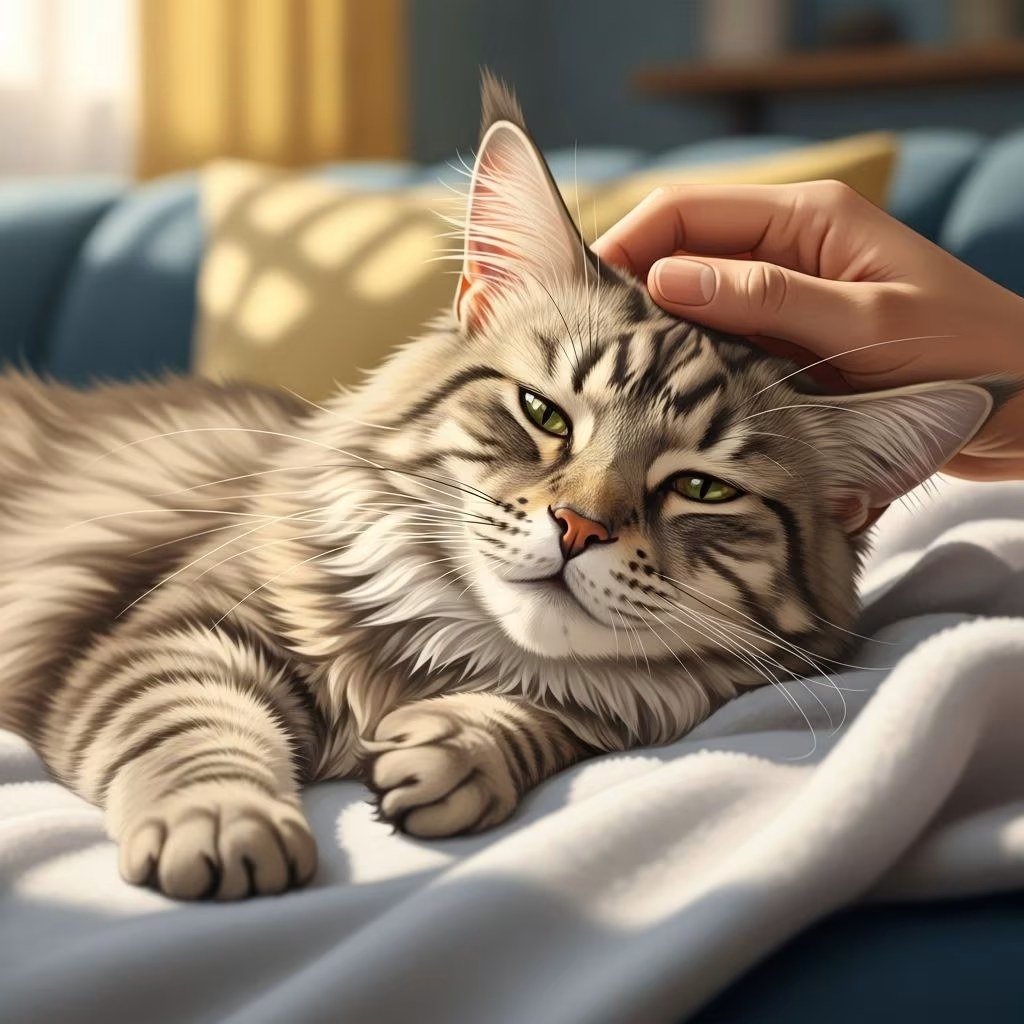
Moving to a new home disrupts a cat’s world, triggering stress from lost familiar scents, routines, and territory. Cats, being territorial animals, often hide, vocalize excessively, or change eating habits as they adjust. This comprehensive guide covers recognizing stress signs, immediate calming strategies, and long-term adjustment tips to help your feline thrive in the new environment.
Why Is Moving So Stressful for Cats?
Cats form strong attachments to their environment through scent markings and routines, making relocation a major shock. Unfamiliar smells, rearranged furniture, and disrupted schedules cause anxiety, as cats rely on these for security. Stress manifests quickly, potentially leading to health issues like weakened immunity or urinary problems if unaddressed. Preparation and patience are key to minimizing trauma.
Signs Your Cat Is Stressed After Moving
Recognizing stress early allows timely intervention. Common indicators include:
- Hiding more than usual: Cats retreat to closets, under beds, or secluded spots to feel safe.
- Excessive vocalization: Yowling, meowing, growling, or hissing signals distress.
- Changes in appetite: Refusing food or eating less due to anxiety.
- Litter box issues: Urinating outside the box or altered habits.
- Excessive grooming: Over-licking leads to bald patches or skin issues.
- Aggression or clinginess: Sudden mood shifts or constant following.
- Lethargy or low energy: Reduced playfulness and activity.
- Destructive behavior: Increased scratching or chewing.
Physical signs like vomiting, diarrhea, or runny eyes/nose may appear, indicating severe stress. Monitor for over two weeks; persistent symptoms warrant a vet visit.
Immediate Steps to Calm Your Cat
Upon arrival, prioritize stability:
- Set up a safe room with litter box, food, water, bed, and toys before unpacking. Confine your cat here initially to control exposure.
- Maintain familiar items: Bring soiled bedding, scratchers, and toys to provide comforting scents.
- Avoid forcing exploration; let your cat emerge at their pace.
| Stress Sign | Immediate Action | Expected Outcome |
|---|---|---|
| Hiding | Provide quiet safe room with hiding spots | Gradual confidence building |
| No appetite | Offer favorite foods in small amounts | Restored eating within 24-48 hours |
| Vocalizing | Use pheromone diffuser | Reduced noise in days |
| Litter issues | Keep box clean, unscented litter | Normalized habits |
Top Ways to Help Your Cat Adjust
1. Create a Safe Room
A single room acts as a sanctuary. Stock it with essentials: multiple litter boxes (one per cat plus one), fresh water fountain, elevated perches, and window views. Spend time here reading or playing to build positive associations. Gradually expand access as your cat relaxes.
2. Use Synthetic Pheromones
Feliway diffusers or sprays mimic calming facial pheromones cats deposit when happy. Plug in the safe room and new areas to bridge old and new scents. Studies show reduced stress behaviors within days.
3. Maintain Routines
Feed, play, and clean at consistent times. Interactive toys like feather wands encourage play, releasing endorphins. Avoid changes like new food during adjustment.
4. Provide Vertical Space and Hiding Spots
Cats feel secure up high. Install shelves, cat trees, or window perches. Cardboard boxes or tunnels offer hideouts without isolation.
5. Interactive Play and Enrichment
Daily 15-20 minute sessions tire out anxiety. Puzzle feeders dispense treats, stimulating mentally. Rotate toys to prevent boredom.
6. Calming Supplements and Aids
Consult your vet for options like Zylkene (milk protein) or CBD treats. These support relaxation without sedation. Never use human meds.
7. Scent Familiarization
Rub a cloth on your cat’s cheeks for pheromones, then wipe on new furniture. Swap soiled litter gradually to blend scents.
Long-Term Adjustment Strategies
Full adaptation takes 2-8 weeks. Signs of progress: normal eating, grooming, playing, and exploring.
- Multi-cat homes: Separate initially, introduce via scent swapping before supervised meetings.
- Outdoor access: Delay until settled; use harness walks first.
- Health monitoring: Stress can trigger cystitis or immune suppression. Annual check-ups post-move.
Track behavior in a journal: note appetite, litter use, and activity to spot regressions early.
When to See a Vet
Seek professional help if:
- No eating for 48 hours (risks hepatic lipidosis).
- Blood in urine or painful urination.
- Persistent aggression or withdrawal beyond 2 weeks.
- Vomiting/diarrhea lasting days.
Vets may recommend anti-anxiety meds or rule out underlying issues.
Frequently Asked Questions (FAQs)
How long does it take for a cat to adjust after moving?
Most cats settle in 1-4 weeks, but shy ones may take up to 2 months. Patience and consistency speed recovery.
What if my cat won’t eat after moving?
Warm food, offer favorites, or syringe-feed if needed. Vet if over 48 hours.
Can moving cause long-term health problems in cats?
Yes, chronic stress links to cystitis, grooming disorders, and weakened immunity.
Are pheromone products safe for all cats?
Generally yes, but test for reactions. Consult vet for kittens, seniors, or health issues.
How do I help a multi-cat household adjust?
Safe rooms per cat, slow reunions, extra resources to prevent competition.
Signs Your Cat Is Adjusting Well
Positive indicators include:
- Soft purring, trilling, friendly rubbing.
- Playing, exploring boldly.
- Normal appetite and litter use.
- Relaxed posture: forward ears, half-closed eyes.
Celebrate these with extra affection.
References
- Impact of Moving Your Cat’s Behavior and Health — Cats at Home Pet Sitting. 2024-05-31. https://catsathomepetsitting.com/2024/05/31/impact-moving-cats-behavior-health/
- Keeping Kitty Calm During a Big Move — Bekins Van Lines. 2017-07-05. https://www.bekins.com/2017/07/05/keeping-kitty-calm-during-a-big-move/
- Cat Stress Symptoms & How to Help — Everhart Veterinary Hospital. N/A. https://www.everhartvet.com/cat-stress-symptoms-how-to-help/
- Cat Separation Anxiety Symptoms? 8 Signs They Miss You — LadyNPet. N/A. https://ladynpet.com/us/blog/separation-anxiety-in-cats/
- Signs Your Cat Is Adjusting to Their New Home — YouTube (Jackson Galaxy). N/A. https://www.youtube.com/watch?v=T9RgjS97iyA
- 8 Signs Your Cat Is Stressed — PetMD. N/A. https://www.petmd.com/cat/behavior/signs-cat-is-stressed
- Spotting Signs of Cat Stress — Cats Protection. N/A. https://www.cats.org.uk/help-and-advice/health/cat-stress



