

Cats in heat, or estrus, experience intense hormonal changes that lead to dramatic behavioral shifts, typically starting around 6-12 months of age in unspayed females. Understanding these signs and knowing how to provide comfort can make this period less stressful for both your cat and your household. While temporary relief measures exist, spaying remains the most effective long-term solution to eliminate heat cycles entirely.
Signs Your Cat Is in Heat
Recognizing the signs of heat is crucial for timely intervention. Unlike dogs, cats do not bleed visibly during estrus, so symptoms are primarily behavioral. These changes can last 4-10 days per cycle, with unspayed cats entering heat multiple times a year during breeding seasons.
- Excessive Vocalization: Your cat may yowl loudly, producing a distinctive, urgent meow to attract males. This ‘calling’ can persist day and night, disrupting sleep.
- Increased Affection and Rubbing: She might rub against furniture, your legs, or roll on the floor excessively to spread pheromones. This behavior spreads her scent and seeks attention.
- Lordosis Posture: When stroked near the tail base, she raises her hindquarters and deflects her tail to the side, signaling readiness to mate.
- Restlessness and Pacing: Cats become agitated, unable to settle, often following owners everywhere or attempting to escape outdoors.
- Escape Attempts: Heightened drive to find mates leads to scratching at doors, windows, or pushing screens. Secure all exits to prevent accidental pregnancies.
- Appetite Changes and Frequent Urination: Some cats eat less or spray urine outside the litter box. Keep the box extra clean and offer small, frequent meals.
These behaviors stem from surging estrogen levels, peaking every 15-21 days in non-pregnant cycles. If symptoms persist beyond 10 days or include discharge/bleeding, consult a vet to rule out issues like infections.
How to Calm a Cat in Heat: Extra Petting and Brushing
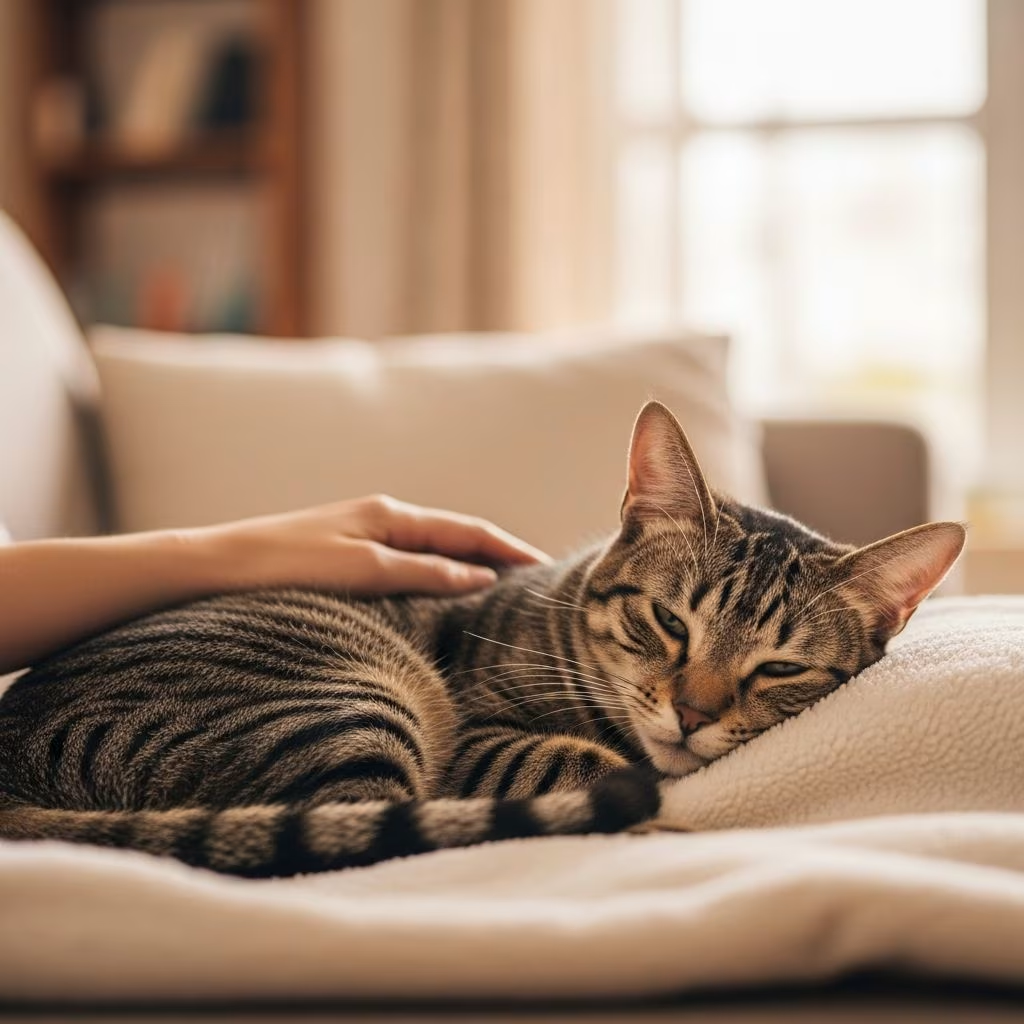
Extra physical attention can significantly reduce stress during estrus. Cats in heat crave touch, and gentle petting redirects hormonal energy positively.
- Gently brush her coat daily using a soft brush to mimic grooming and release endorphins.
- Focus strokes on her head, cheeks, and sides, avoiding the tail base if it triggers lordosis.
- Spend 10-15 minutes several times a day cuddling or letting her sit on your lap for reassurance.
Affectionate interaction strengthens your bond and distracts from discomfort. However, if she becomes overly demanding, set gentle boundaries to avoid overstimulation.
Calming Products and Pheromone Diffusers
Synthetic pheromones mimic natural feline calming signals, proven effective for reducing anxiety without drugs.
- Feliway Diffusers: Plug-in devices release appeasing pheromones, creating a soothing environment. Place in her favorite rooms; effects build over days.
- Spray Options: Use on bedding or scratching posts for targeted relief.
- Other Aids: Catnip toys offer short-term distraction for responsive cats, though it doesn’t alter hormones.
Avoid human medications or unvetted supplements, as they can be toxic. Always check with a vet before introducing new products.
Provide Comfort Through Play and Distraction
Interactive play burns excess energy and promotes better sleep, mimicking natural hunting to tire her out.
- Use wand toys, laser pointers, or balls for 10-15 minute sessions, 3-4 times daily.
- Follow play with quiet time in a cozy spot to transition to rest.
- Enrich her environment with puzzle feeders or window perches to combat boredom.
| Play Type | Benefits | Duration |
|---|---|---|
| Wand Toys | High engagement, simulates prey | 10-15 min |
| Laser Pointer | Encourages running/jumping | 5-10 min |
| Puzzle Feeders | Mental stimulation | Throughout day |
Consistent play routines help regulate her cycle-induced restlessness.
Feeding and Hydration Tips During Heat
Hormonal surges often suppress appetite, risking dehydration. Proactive feeding maintains her health.
- Offer small meals 4-6 times daily of wet food for hydration and appeal.
- Ensure fresh water stations in multiple locations; add tuna juice for enticement if needed.
- Scoop litter box 2-3 times daily, as she may urinate more frequently.
If she refuses food for over 48 hours, seek veterinary advice to prevent hepatic lipidosis.
Keep Male Cats Away and Secure All Exits
Isolation from intact males is non-negotiable to avoid pregnancies. Even brief encounters can result in litters.
- Separate households or use closed doors/barriers.
- Double-check windows, doors, and screens; use baby gates or locks.
- Supervise outdoor access rigorously during cycles.
Male pheromones can travel indoors, intensifying her calls.
Helping Your Cat Sleep Better During Heat
Restlessness disrupts sleep for everyone. Optimize her environment for better rest.
- Create a quiet, dim ‘sleep cave’ with soft bedding away from noise.
- Use low-heat pads or warm blankets (vet-approved) for soothing warmth.
- Pre-bedtime play tires her naturally; maintain feeding/play/rest routines.
Proximity to owners often calms her—allow co-sleeping if desired.
Long-Term Solutions: Spaying and Preventing Future Heats
Spaying (ovariohysterectomy) removes ovaries and uterus, halting heat cycles permanently and conferring health benefits.
- Health Advantages: Eliminates pyometra risk, reduces mammary cancer by up to 91% if done before first heat.
- Behavioral Gains: Ends yowling, spraying, roaming; promotes calmer demeanor.
- Population Control: Prevents unwanted litters contributing to shelter overpopulation.
Ideal timing: Before first heat (4-6 months). Surgery during active heat increases complications, so schedule accordingly. Post-spay recovery takes 10-14 days; monitor incisions.
When to Contact a Veterinarian
Most heat symptoms resolve naturally, but red flags warrant immediate care:
- Bleeding, foul discharge, or swelling (possible infection).
- Vomiting, lethargy, or appetite loss beyond 48 hours.
- Heat lasting >10 days (prolonged estrus may indicate ovarian cysts).
- Any sudden aggression or pain signs.
Annual check-ups ensure reproductive health; discuss spaying proactively.
Frequently Asked Questions (FAQs)
Q: How long does a cat stay in heat?
A: Each cycle lasts 4-10 days, recurring every 15-21 days until mated or pregnant. Spaying prevents recurrence.
Q: Can catnip calm a cat in heat?
A: It provides temporary distraction for some cats but doesn’t affect hormones. Use sparingly as an aid.
Q: Is it safe to spay a cat in heat?
A: Possible but riskier due to engorged blood vessels; vets prefer scheduling post-cycle.
Q: Why is my cat spraying urine during heat?
A: To mark territory and signal availability. Clean litter daily and spay to stop it.
Q: Can I ignore my cat when she’s in heat?
A: No—inattention heightens stress. Offer gentle interaction and stable routines instead.
References
- 10 Clear Signs Your Cat Is in Heat And How to Help Her — Neakasa. 2023. https://neakasa.com/blogs/all/what-to-do-when-your-cat-is-in-heat
- How to Calm a Cat in Heat: 8 Steps For A Yowl-Free Home — Tractive. 2023. https://tractive.com/blog/en/health/how-to-calm-a-cat-in-heat
- Signs Your Cat Is In Heat and How To Care For Them — Pumpkin.care. 2023. https://www.pumpkin.care/post/signs-your-cat-is-in-heat
- What Can I Do About My Cat in Heat? — Wedgewood Pharmacy. 2023. https://www.wedgewood.com/blog/what-can-i-do-about-my-cat-in-heat/
- Cats in Heat: How Long It Lasts and What To Do — PetMD. 2024-01-14. https://www.petmd.com/cat/general-health/cat-in-heat
- Persistent Heat (Prolonged Estrus) in Cats — Vetster. 2023. https://vetster.com/en/symptoms/cat/persistent-heat-prolonged-estrus
- Cats in heat/coming into season — PDSA. 2023. https://www.pdsa.org.uk/pet-help-and-advice/pet-health-hub/conditions/seasons-in-cats



