

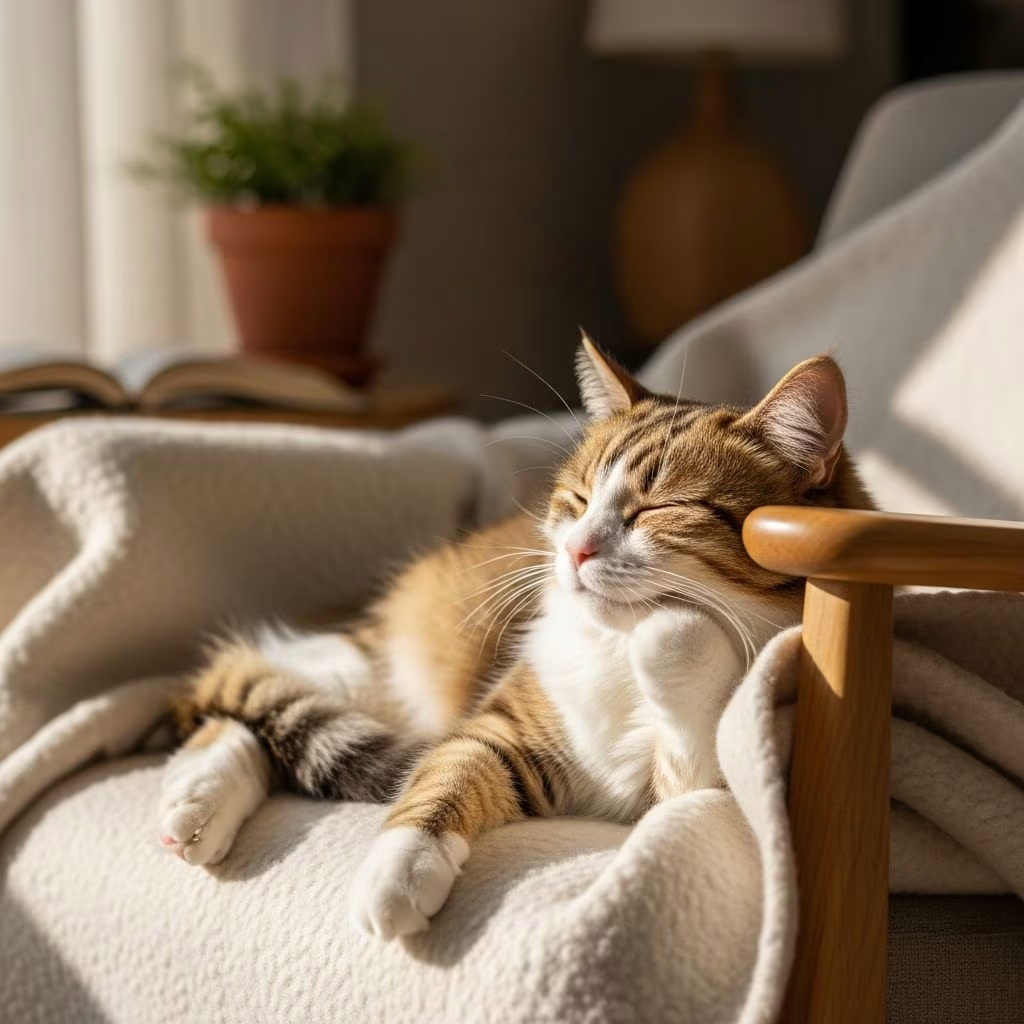
Cats are sensitive creatures that can experience stress from changes in routine, new environments, loud noises, or social interactions. Recognizing signs like hissing, hiding, excessive grooming, or aggression is crucial for timely intervention. This guide covers comprehensive strategies to help soothe your cat, drawing from veterinary and behavioral expertise to foster a calmer home.
Signs Your Cat Needs Calming
Before applying calming techniques, identify stress indicators. Common signs include:
- Hiding or avoidance: Cats retreat to secluded spots when overwhelmed.
- Vocalizations: Excessive meowing, growling, or hissing signals discomfort.
- Physical cues: Tail tucked, ears back, dilated pupils, or piloerection (hair standing up).
- Behavioral changes: Over-grooming, reduced appetite, trembling, or aggression.
- Litter box issues: Inappropriate elimination due to anxiety.
Early detection prevents escalation. Observe patterns and consult a vet if signs persist beyond 24-48 hours, as underlying health issues may contribute.
Creating a Safe Haven for Your Cat
A dedicated safe space reduces anxiety by providing security. Designate a quiet room or corner with minimal disturbances.
- Include a soft bed, blanket, or covered cat bed for comfort.
- Stock with toys, scratching posts, fresh water, and a clean litter box.
- Limit foot traffic; use for recovery after stressful events like vet visits or guests.
For strays or new cats, use a bathroom or small bedroom without hiding spots under furniture. Elevate carriers off the floor for better visibility and security. This mimics natural feline instincts for high vantage points and enclosures.
Maintaining a Consistent Routine
Cats thrive on predictability. Disruptions like irregular feeding or moving furniture heighten stress.
- Feed at fixed times daily to build trust.
- Keep litter boxes, beds, and toys in stable locations.
- Schedule regular play sessions to reinforce normalcy.
Consistency signals safety, lowering cortisol levels. During transitions like moving, maintain routines as much as possible to minimize upheaval.
Using Calming Pheromones and Aids
Synthetic pheromones replicate feline facial pheromones that signal safety. Products like Feliway diffusers, sprays, or collars are vet-recommended.
- Diffusers: Plug into outlets in key areas for continuous release.
- Sprays: Apply to bedding or carriers before travel.
- Collars and wipes: Portable options for on-the-go calming.
Studies support their efficacy in reducing stress during events like renovations or introductions. Combine with supplements like Purina ProPlan Calming Care for enhanced effects, after vet approval. Essential oils and calming music offer natural alternatives; play soft nature sounds or feline-specific tracks.
Providing Vertical Space and Hiding Spots
Cats feel secure elevated or enclosed. Vertical territory expands their world without overstimulation.
- Install cat trees, wall shelves, or window perches for birdwatching.
- Offer boxes, tunnels, or draped blankets as hideouts.
- Ensure multiple levels in multi-cat homes to prevent territorial disputes.
This setup allows escape and observation, reducing defensive behaviors. Puzzle feeders on shelves add mental enrichment without pressure.
Play Therapy as Stress Relief
Interactive play channels energy, mimicking hunting to release endorphins. Sessions of 10-15 minutes twice daily work best.
- Use prey-like toys: feather wands, laser pointers, or mice for chasing.
- End with a meal or treat to replicate hunt-eat-sleep cycle.
- Avoid overstimulation; watch for tail twitching or disinterest.
For shy cats, start with toys near their safe space. Positive reinforcement builds confidence. Yoga or gentle petting during cooldowns can deepen bonds, lowering mutual stress.
Environmental Enrichment Without Overload
Balance stimulation to prevent boredom or excess. Thoughtful setups promote relaxation.
- Window perches for passive viewing.
- Puzzle feeders for mental exercise.
- Quiet toys, scratchers, and soft music.
- Avoid loud noises, rough play, or frequent changes.
Enrichment prevents destructive behaviors while respecting feline need for solitude. Rotate toys weekly to maintain novelty.
Positive Reinforcement Training Techniques
Force-free methods build trust using rewards. Ideal for fearful cats.
Treat Drop Exercise
- Enter quietly with high-value treats (e.g., Churu licks).
- Speak softly, avoid eye contact.
- Drop treats near the cat from a distance.
- Repeat 5-10 minutes; exit positively.
Treat Retreat Exercise
- Toss treats behind the cat for safe retreat.
- Allows choice and relief association.
- Keep sessions short; end on success.
These desensitize gradually, fostering approachability. Books like “Cat Sense” by John Bradshaw provide deeper insights.
Handling Special Situations: Vet Visits and Strays
Vet anxiety amplifies stress; prepare with pheromone-sprayed carriers and familiar blankets. For strays, prioritize time in enclosed spaces before interaction.
- Let cats approach first; use food lures.
- Avoid scruffing; opt for bottom-out carrier removal.
- Speak lowly; misread fear as aggression.
Desensitization CDs for noises like vacuums introduce triggers slowly with rewards.
Table: Quick Comparison of Calming Methods
| Method | Best For | Pros | Cons |
|---|---|---|---|
| Pheromones | Environmental stress | Passive, vet-approved | Cost over time |
| Play Therapy | Energy release | Fun bonding | Requires daily time |
| Safe Haven | Fearful cats | Immediate relief | Space needed |
| Training | Shy behaviors | Builds confidence | Patience required |
Frequently Asked Questions (FAQs)
What are quick ways to calm a hyper cat?
Redirect with play using wand toys, then feed to complete the hunt cycle. Use pheromone sprays for instant effect.
Can music calm cats?
Yes, soft classical or cat-specific tracks reduce stress markers.
How long does it take for pheromones to work?
Effects often appear within 7 days of consistent use.
Is medication necessary for cat anxiety?
Only if behavioral methods fail; consult vets for options like mild sedatives.
What if my cat hides constantly?
Respect space, use treat exercises, and check for health issues.
When to See a Vet
If stress persists despite interventions, rule out medical causes like pain or hyperthyroidism. Vets may suggest behaviorists or plans like desensitization. Track symptoms in a journal for appointments.
Implementing these strategies holistically transforms anxious cats into relaxed companions. Patience and consistency yield the best results.
References
- 7 Ways to Calm Your Cat Down — Boxiecat. 2023. https://boxiecat.com/blogs/litter-learning-center/7-ways-to-calm-your-cat-down
- How To Soothe & Calm Down A Stray Cat — Alley Cat Allies. 2024. https://www.alleycat.org/community-cat-care/soothe-a-stray/
- Shy and Fearful Cats: The Complete Guide — San Diego Humane Society. 2024. https://sdhumane.org/resources/shy-and-fearful-cats-complete/
- 9 Ways to Manage Cat Anxiety and Stress at Home — Willowbrook Vet. 2023. https://www.willowbrookvet.com/services/cats/blog/9-ways-manage-cat-anxiety-and-stress-home
- 5 Tips to Keep Your Cat Calm at the Vet — Ross University School of Veterinary Medicine. 2024. https://veterinary.rossu.edu/about/blog/how-to-reduce-cat-anxiety-at-the-vet
- Cat fear: how to help a nervous cat — PDSA. 2024. https://www.pdsa.org.uk/pet-help-and-advice/looking-after-your-pet/kittens-cats/how-to-help-a-nervous-cat



