

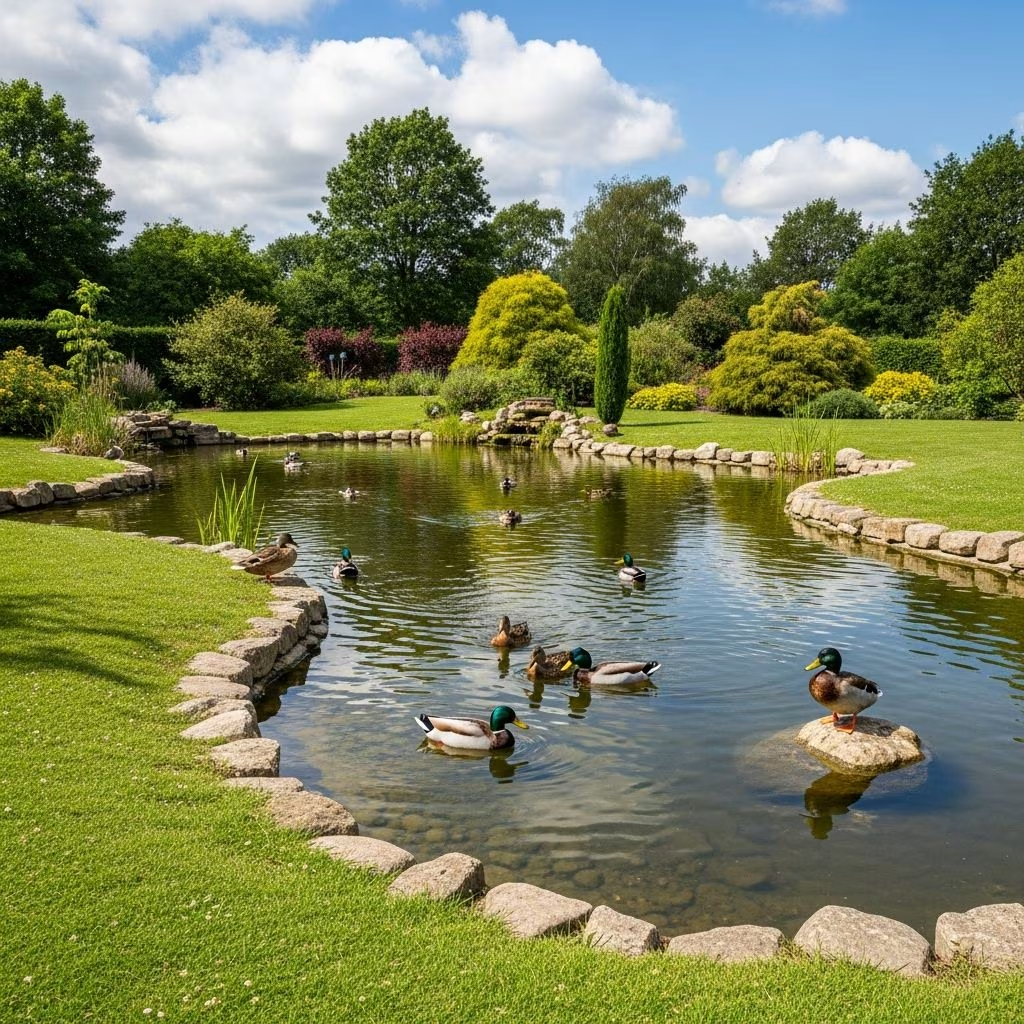
How To Build a Pond for Ducks: Step by Step
Creating a backyard pond for ducks is an exciting project that provides your waterfowl with a natural habitat for swimming, playing, and maintaining their health. Whether you’re a first-time pond builder or an experienced hobbyist, this comprehensive guide will walk you through every step of the process, from initial planning through ongoing maintenance. A well-designed duck pond not only enhances your property’s aesthetics but also contributes significantly to the well-being of your feathered friends.
1. Mark Out the Area
The first step in building your duck pond is selecting and marking the appropriate location. If you’re using a preformed pond liner, place it in your desired area and outline the shape using marking paint. For those opting for a flexible liner, use a garden hose or heavy rope to plan out the size and shape of your pond before outlining it with marking paint. This approach allows you to visualize the final dimensions and adjust as needed.
When planning your pond layout, design it with two distinct tiers: a shallow tier for easy duck entry and exit, and a deeper space for swimming and diving. You can mark these tiers now or excavate the first tier before marking the second. This two-tier design is essential for accommodating ducks of various sizes and ensuring they can safely access and enjoy the water.
2. Decide the Placement of Pond Equipment
Before you begin excavation, gather all your pond equipment and plan its placement strategically. Unbox your equipment—including pond skimmers, waterfall filters, and any other components—and arrange them around your marked area. Position pond skimmers and waterfall filters at opposite ends of the pond to optimize water circulation and filtration efficiency. Lay out all tubing and connect it according to the manufacturer’s instructions, ensuring everything is properly fitted before installation.
Taking time at this stage to plan your equipment placement prevents costly mistakes and ensures smooth operation once your pond is filled with water. Proper equipment positioning is crucial for maintaining water quality and keeping your duck pond healthy throughout the year.
3. Dig Out the Pond
With your area marked and equipment placement decided, it’s time to excavate. If you’ve already marked out your two tiers, excavate the bottom tier to the appropriate depth. A minimum depth of 18 inches is suitable for most domestic waterfowl like mallards and Indian runner ducks. The shallow tier should be dug to a depth of 6–8 inches to allow ducklings and adult ducks easy access. Alternatively, you can excavate the entire pond area to 6–8 inches, then mark and dig out the deeper tier separately.
If you’re installing a pond skimmer or waterfall, refer to the manufacturer’s instructions for any additional excavation requirements. Once your digging is complete, level the tiers as much as possible and tamp down the soil to create a stable foundation for your underlayment and liner.
4. Install the Underlayment and Pond Liner
A proper underlayment and liner system is essential for preventing leaks and maintaining water quality. Roll the underlayment out over the entire pond area and press it gently into the curves of your excavated area. Work from the inside outward, leaving the material slightly loose so it can settle naturally without tearing.
If using a flexible liner, follow the same installation process. For preformed pond liners, install the underlayment first, double-check the fit, and then backfill with dirt beneath the underlayment as needed to secure it properly. This foundation layer protects your liner from punctures caused by sharp rocks or roots.
5. Set Up Your Pond Equipment
With your liner in place, it’s time to install your pond equipment. Follow the manufacturer’s instructions carefully when installing your pond skimmer. You’ll need to affix the pond liner to the faceplate of the skimmer to create a watertight seal. If you’re using a waterfall-style filter, install the filter box and attach the pond liner according to the manufacturer’s specifications. Proper equipment installation ensures efficient water filtration and circulation for your duck pond.
6. Anchor the Liner With Rocks and Gravel
Securing your liner with rocks and gravel prevents it from shifting and creates a natural-looking finish. Fill the bottom of the pond with approximately two inches of smooth 1-inch gravel to anchor both the underlayment and pond liner. Place larger rocks along the shallow tier to keep the liner securely in place.
Consider adding smaller stones in strategic areas to create ramp-like sections that allow ducklings and young ducks to easily access the deeper portions of the pond. This thoughtful design detail ensures all your ducks, regardless of size or age, can safely navigate their new aquatic home.
7. Fill the Pond and Treat the Water
Using a garden hose, gradually fill your pond with fresh water. As the water level rises, add the appropriate dose of water conditioner to neutralize chlorine and heavy metals that may be present in tap water. Follow the instructions on your chosen water conditioner to determine the correct dosage for your pond’s volume.
You might also consider using a beneficial bacteria additive to jump-start the biological processes that help maintain a healthy pond ecosystem. These microorganisms break down waste products and help establish the natural balance your duck pond needs to thrive.
8. Complete the Finishing Touches
With your pond filled and decorated, the final steps involve securing the liner edges and activating your equipment. Trim the excess pond liner, leaving an extra 6–8 inches around the rocks bordering your pond. Roll this excess under itself to create a clean, finished edge. Add gravel or small stones to secure this rolled edge in place and create a natural-looking border that blends seamlessly with your landscape.
Once everything is in place, plug in your equipment and watch your new duck pond come to life. The gurgling of a waterfall and the sight of your ducks enjoying their new habitat makes all the hard work worthwhile.
Maintaining Your Pond
Regular maintenance is essential to keep your pond water clean, clear, and safe for your ducks throughout the year. The effort you invest in proper care will be rewarded with a thriving aquatic ecosystem and healthy, happy waterfowl.
Regular Cleaning Tasks
To maintain water quality, skim fallen leaves and debris from the surface of the pond as needed. Don’t forget to remove duck poop, which can accumulate quickly and affect water chemistry. If you have a filtration system or other equipment installed, follow the manufacturer’s instructions for regular cleaning and maintenance. Many pond enthusiasts find that weekly or monthly cleaning tasks become a rewarding part of their pond care routine.
Seasonal Deep Cleaning
Some DIY duck pond hobbyists perform more thorough cleanings on a seasonal basis, while others prefer to do so annually. To deep-clean your pond, first drain it using a submersible pump to siphon the water out, directing it away from the pond area to prevent flooding or erosion. Next, remove any fish and wash the liner and rocks thoroughly. Use a pump or shop vac to remove accumulated muck and debris from the bottom and sides of the pond.
Water Level Management
You’ll need to top up your new pond with clean water from time to time, especially during hot months when evaporation increases. If your pond is stocked with fish, always use a water conditioner to remove potentially harmful chemicals and heavy metals from your tap water when performing water changes. This simple step protects both your ducks and any fish sharing their pond.
Key Maintenance Considerations
| Maintenance Task | Frequency | Purpose |
|---|---|---|
| Skim debris and leaves | Weekly or as needed | Maintain water clarity and quality |
| Clean filtration system | Monthly or per manufacturer specs | Ensure efficient water filtration |
| Remove accumulated muck | Monthly | Prevent buildup of organic waste |
| Top up water level | As needed (weekly/monthly) | Compensate for evaporation |
| Deep clean entire pond | Seasonally or annually | Remove accumulated sediment and waste |
| Check equipment function | Weekly during season | Ensure pumps and filters work properly |
Frequently Asked Questions
Q: What’s the minimum depth for a duck pond?
A: A minimum depth of 18 inches is appropriate for most domestic waterfowl like mallards and Indian runner ducks. However, your pond should have two tiers: a shallow 6–8 inch tier for easy access and a deeper tier for swimming.
Q: How often should I clean my duck pond?
A: Regular skimming of debris should be done weekly or as needed. Equipment like filters should be cleaned monthly. Many pond owners perform a complete deep cleaning seasonally or annually, depending on their setup and duck population.
Q: Can I use tap water to fill my duck pond?
A: Yes, but you should treat it first. Use a water conditioner to neutralize chlorine and heavy metals before adding tap water to your pond. This is especially important if you have fish sharing the pond with your ducks.
Q: What equipment do I need for a duck pond?
A: Essential equipment typically includes a pond liner, underlayment, a pump, filtration system, and optional features like a waterfall or skimmer. The specific equipment depends on your pond size and design preferences.
Q: How do I prevent my pond liner from tearing?
A: Install a proper underlayment before placing your liner, fill the bottom with smooth gravel, and anchor the liner with rocks. Avoid sharp objects in the excavation area and ensure the soil is tamped down before installation.
Q: Is it necessary to have a filtration system for a duck pond?
A: While not absolutely required, a filtration system significantly helps maintain water quality and clarity. Ducks produce considerable waste, making filtration beneficial for keeping the water healthier and cleaner throughout the year.
Q: Can I keep fish in my duck pond?
A: Yes, many people successfully keep fish in duck ponds. However, you’ll need adequate filtration since ducks produce substantial waste. Use water conditioners when adding new water to protect both ducks and fish from harmful chemicals.
Q: How often should I drain my duck pond?
A: Most pond owners drain and deep clean their ponds seasonally or once annually. However, you should monitor water quality regularly and perform water changes as needed by topping up with treated water rather than complete draining.
References
- How To Build a Pond for Ducks — Chewy Education. 2025. https://www.chewy.com/education/wildlife/waterfowl/pond-with-ducks
- How to Build a Backyard Pond with a DIY Biofilter — Tyrant Farms. 2025. https://www.tyrantfarms.com/how-to-build-a-backyard-pond-with-diy-biofilter/
- Your Practical Guide To Caring for Pond Plants — Chewy Education. 2025. https://www.chewy.com/education/fish/pond-fish/caring-for-pond-plants
- The Ultimate Guide To Filtering a Pond: Techniques and Products — Chewy Education. 2025. https://www.chewy.com/education/fish/fish-pond/filtering-a-pond



