

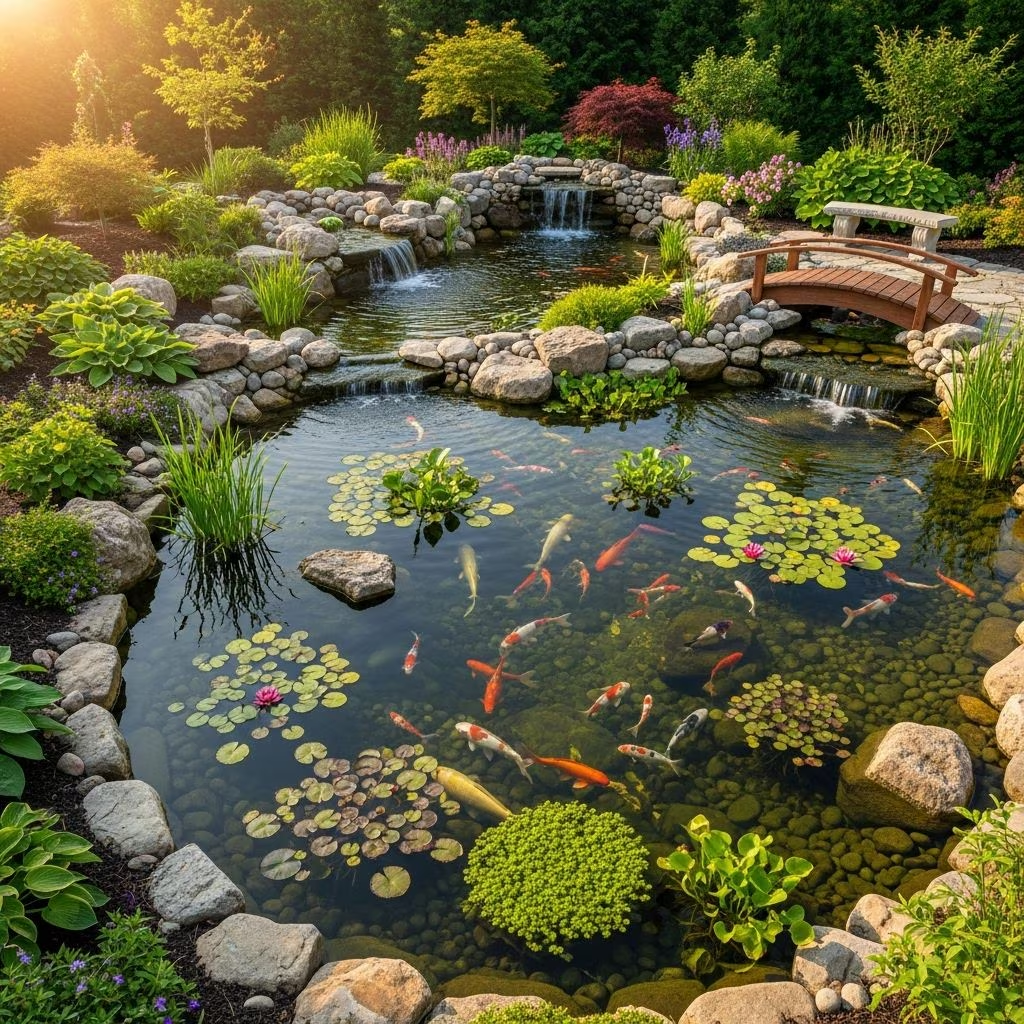
How to Build a Fish Pond: Complete Guide
Creating a fish pond in your backyard can transform your outdoor space into a beautiful, thriving ecosystem. Whether you’re a seasoned gardener or a complete beginner, building a fish pond is an achievable project that brings natural beauty and wildlife to your home. This comprehensive guide will walk you through every step of the process, from initial planning to ongoing maintenance, ensuring you create a healthy environment for your aquatic life.
Planning Your Fish Pond
Before you pick up a shovel, proper planning is essential for pond success. Taking time to consider your vision, space, and resources will prevent costly mistakes and ensure your pond thrives for years to come.
Choosing the Right Location
The location of your pond dramatically impacts its health and your enjoyment of it. Select a spot that receives partial sunlight—ideally 4-6 hours per day—to prevent excessive algae growth while providing enough light for aquatic plants. Avoid areas directly under trees, as falling leaves can contaminate your water and create excess nutrients that promote algae blooms. Ensure the location is well-drained to prevent runoff from affecting water quality, and choose a spot visible from your house where you can easily monitor and maintain it.
Determining Pond Size and Depth
Start small if you’re a beginner. A smaller pond (around 2-4 feet deep and 4×6 feet or larger in surface area) is easier to manage and provides excellent learning experience. Larger ponds are actually more stable because they have greater thermal mass—they resist temperature fluctuations better than small containers. Calculate your pond’s square footage by multiplying length by width in feet, which helps determine equipment sizing. Plan for multiple depths: shallow shelves (6-12 inches) around the edges for marginal plants and wildlife access, and a deeper center section (24-36 inches) that provides refuge for fish during temperature extremes.
Building Your Fish Pond
Construction involves several interconnected steps. Rushing through any phase can compromise your pond’s integrity, so take your time and follow each step carefully.
Digging and Preparing the Basin
Begin by outlining your pond shape using a rope or garden hose. This allows you to visualize the final design and make adjustments before digging. Start excavating, creating multiple depth zones rather than a uniform depth. Dig shallow shelves approximately 12 inches deep around the perimeter for marginal plants, then deepen the center section progressively. This variation in depth provides ecological benefits—shallow areas warm quickly for certain plants and aquatic life, while deeper sections remain cooler and offer thermal refuge for fish.
As you dig, carefully remove all sharp stones, roots, and debris that could puncture your pond liner. Meticulously inspect the bottom and walls, using your hands to feel for small rocks you might have missed. A single puncture can slowly drain your entire pond, so this tedious step is crucial.
Installing the Underlay and Liner
Once your basin is ready, lay protective underlay across the entire bottom and walls. You can use approximately one inch of sand, damp newspaper, specialized pond underlay, or old carpet—any material that provides a protective barrier. This underlay cushions the liner and prevents ground debris from damaging it over time.
Next, carefully position your pond liner over the prepared basin. Pond liners come in two types: preformed rigid shells or flexible liners (typically PVC or rubber). Flexible liners offer greater design flexibility and typically cost less. Gently ease the liner into place, taking time to work it into corners and along the walls. You may use black vinyl duct tape to temporarily hold down pleats while filling. Leave generous overlap at the edges—typically 12-18 inches—for anchoring with rocks or paving stones.
Filling and Securing Your Pond
Begin filling your pond slowly with water, adjusting the liner as water weight increases to minimize wrinkles and create neat folds. Fill to approximately the level of your brick or stone edging. Before introducing any plants or fish, add water dechlorinator to remove harmful chemicals from tap water. Most municipal tap water contains chlorine or chloramines that can harm beneficial bacteria and fish.
Once partially filled, secure your liner at the edges with bricks, stones, or paving materials that completely cover the liner to prevent UV damage and create a finished appearance. Position these edging materials so they overlap the pond liner completely, protecting it from sunlight exposure which causes deterioration.
Installing Filtration and Circulation Equipment
A properly functioning filtration system is fundamental to pond health, particularly if you’re keeping fish. This equipment removes waste products and maintains water clarity.
Choosing the Right Pump and Filter
Select a pump sized to circulate your pond’s entire volume at least once hourly. Calculate this by multiplying your pond’s volume in gallons by one, then divide by 60 to get the required gallons per hour (GPH). For example, a 1,000-gallon pond needs a minimum 1,000 GPH pump. Position your pump elevated on a platform rather than resting on the pond bottom, which extends its lifespan and improves efficiency.
Install a multi-stage filtration system that includes mechanical, biological, and chemical filtration. Mechanical filtration removes debris through physical barriers. Biological filtration uses beneficial bacteria to break down fish waste (ammonia and nitrite) into less harmful nitrate. Many pond keepers use bog filters or all-in-one systems that combine pump, filter, and UV clarifier in one compact unit, reducing equipment clutter.
UV Clarification for Algae Control
Consider adding UV clarification to your filtration system. UV light passes water through ultraviolet radiation, damaging single-celled algae and preventing green water. UV clarifiers are particularly effective for combating persistent algae problems and work beautifully when combined with mechanical and biological filtration. Position your equipment in easily accessible locations for routine cleaning and maintenance.
Selecting Plants for Your Pond
Aquatic plants serve multiple purposes: they provide oxygen, absorb excess nutrients that feed algae, offer shelter for fish, and enhance aesthetic appeal. Select hardy, non-toxic varieties appropriate for your climate zone.
Types of Aquatic Plants
Use a mix of three plant categories to create a balanced ecosystem:
Marginal Plants: These grow in the shallow shelves around your pond’s perimeter in 6-12 inches of water. Popular choices include irises, pickerel rush, water plantain, and sweet flag. They provide shelter for fish and insects while adding vertical interest to your pond design.
Submerged Plants: Growing entirely underwater, these plants are oxygen factories and algae competitors. Hornwort, anacharis, and cabomba are excellent choices that provide essential oxygen and food for fish and aquatic insects.
Floating Plants: Water lilies are the most popular floating plants, adding beauty and shade while their roots absorb excess nutrients. Other floating options include lotus, water hyacinth, and floating ferns. These plants help regulate water temperature and prevent excessive algae growth by shading the water surface.
Preparing Your Pond for Fish
Before introducing fish, your pond must reach proper water parameters and biological balance. This requires patience and careful testing.
Water Quality Requirements
Wait 7-10 days after filling your pond before testing water parameters. During this time, beneficial bacteria begin colonizing your filter media and establishing the nitrogen cycle. When testing, aim for a pH level between 7.2 and 7.8. Water temperature should reach 60°F or higher before introducing most fish species. Test for ammonia (should be 0 ppm), nitrite (should be 0 ppm), and nitrate (should be below 40 ppm). These parameters indicate whether beneficial bacteria have adequately established.
Water Cycling and Bacterial Colonization
The nitrogen cycle—where beneficial bacteria convert toxic ammonia into nitrite, then less toxic nitrate—takes time to establish. During this cycling period, your filter media colonizes with nitrifying bacteria that process fish waste. Adding water conditioner and allowing water to circulate through your filter system for one to two weeks supports this biological development. Some pond keepers accelerate cycling by adding starter bacteria cultures, though time is ultimately the most reliable approach.
Selecting and Introducing Fish
Choosing the right fish species and introducing them properly ensures their survival and your pond’s long-term health.
Best Fish Species for Beginners
Select hardy species well-suited to your climate and pond conditions:
Koi: These large, colorful carp tolerate temperature extremes, live 15-25 years, and consume mosquito larvae. They require larger ponds (minimum 1,000 gallons) and excellent filtration due to their waste production.
Goldfish: Adaptable and hardy, goldfish handle both cold winters and hot summers. Fancy varieties need more space (20 gallons per fish), while common goldfish work in smaller ponds. They’re effective mosquito eaters and relatively inexpensive.
Mosquitofish: These small, hardy fish eat enormous quantities of mosquito larvae and tolerate variable conditions. They’re ideal for beginners and small ponds.
Proper Fish Introduction Acclimation
Introducing fish too quickly to different water chemistry causes stress and death. Float the fish bag in your pond water for 30 minutes to one hour, avoiding direct sunlight to prevent overheating. Over approximately 15 minutes, gradually introduce pond water into the bag by slowly siphoning water from the pond into the bag. This allows fish to acclimate to pH, temperature, and chemistry differences. Once the bag is full of pond water, gently release the fish into their new home—they’ll swim out at their own pace.
If adding multiple fish, quarantine additional fish in a separate tank for three weeks before introducing them to your established pond population. This prevents disease transmission and ensures compatibility.
Ongoing Maintenance and Care
A successful pond requires consistent maintenance to maintain water quality and fish health.
Regular Maintenance Tasks
Weekly Tasks: Check water level and top off with dechlorinated water as needed. Inspect your pump and filter for proper operation. Feed fish appropriate quantities once or twice daily—only what they consume in 2-3 minutes. Remove visible algae or debris from the water surface.
Monthly Tasks: Test water parameters (pH, ammonia, nitrite, nitrate). Clean mechanical filter media by rinsing in pond water (not tap water, which kills beneficial bacteria). Remove dead plant material and trim excessive growth. Inspect fish for signs of illness or injury.
Seasonal Tasks: Spring: Restart pumps and filters after winter, prune plants as growth begins. Summer: Monitor water temperature, increase aeration if temps exceed 75°F. Fall: Remove fallen leaves, prepare for winter. Winter: In cold climates, shut down pumps and cover the pond; in mild climates, reduce feeding and maintain aeration through ice.
Addressing Common Problems
Green Water (Algae Blooms): Typically caused by excess nutrients and sunlight. Reduce feeding, increase filtration, add UV clarification, or implement shade structures.
Fish Illness: Monitor for spots, fin damage, gasping behavior, or unusual swimming. Quarantine sick fish and consult aquatic veterinarians or specialists. Often caused by poor water quality or overcrowding.
Declining Water Clarity: Usually indicates inadequate filtration or excess organic debris. Clean filters more frequently, increase water changes, or upgrade to more robust filtration.
Frequently Asked Questions
Q: What size pond is best for beginners?
A: Start with at least 4×6 feet in surface area and 2-3 feet deep. Larger ponds are more stable and forgiving of beginner mistakes. Avoid ponds smaller than 2-3 feet deep or 100 gallons, as they experience extreme temperature and chemistry fluctuations.
Q: Can I build a pond without a pump and filter?
A: Technically yes, but fish will struggle without filtration that removes their waste. Container ponds without fish or with limited plants may function without mechanical filtration, but any established fish pond requires a pump and filter for long-term success.
Q: How often should I change my pond water?
A: With proper filtration, you shouldn’t need complete water changes. Instead, perform 10-20% partial water changes monthly to remove accumulated waste products. Only change water completely if you’re dealing with a serious problem or setting up a new pond.
Q: What’s the best time to add fish to a new pond?
A: Wait 7-10 days minimum while the nitrogen cycle establishes. Test water parameters to confirm ammonia and nitrite are at 0 ppm. In spring, temperatures are ideal for fish introduction, though you can add hardy fish any season once water parameters stabilize.
Q: How many fish can I keep in my pond?
A: General guidelines suggest 10 gallons of pond volume per inch of adult fish length. A 100-gallon pond could safely house four 10-inch koi or twelve 3-inch goldfish. These estimates assume proper filtration and regular maintenance.
Q: Do I need a pond heater for winter?
A: In climates with freezing temperatures, you don’t need heating, but you need a hole in surface ice for gas exchange. Use a pond deicer or aerator to maintain an opening. In mild climates, heating isn’t necessary—simply maintain lower feeding and circulation.
References
- How To Build A Pond: A Step-By-Step Guide — Swell UK. 2025. https://www.swelluk.com/help-guides/how-to-make-a-pond/
- How to Build a Fish Pond or Garden Pond — Instructables. 2025. https://www.instructables.com/How-to-Build-a-Fish-Pond/
- How to Build a Low-Maintenance Fish Pond — OZ Ponds. 2025. https://ozponds.com/fish-pond-basics-beginners-guide/
- How to Build a Fish Pond — The Home Depot. 2025. https://www.homedepot.com/c/ab/how-to-build-a-fish-pond/9ba683603be9fa5395fab90f18781bd
- The Ultimate Guide to Building a Backyard Pond in Colorado — Colorado Pond Pros. 2024-04-24. https://coloradopondpros.com/2024/04/24/the-ultimate-guide-to-building-a-backyard-pond-in-colorado/



