

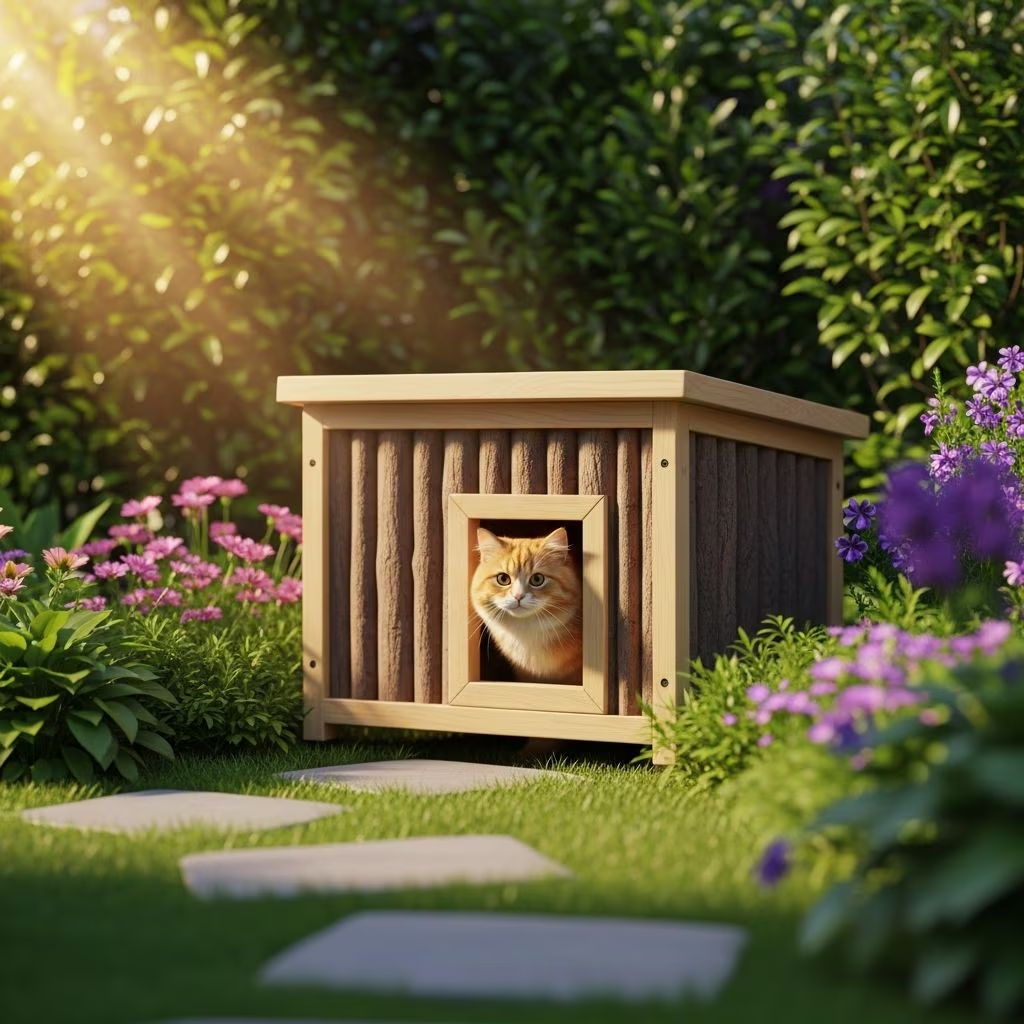
Providing a warm, dry shelter for outdoor and feral cats during winter is essential for their survival. A well-built DIY insulated cat house can raise the internal temperature by up to 25 degrees Fahrenheit compared to outside conditions, offering critical protection from frostbite, hypothermia, and harsh weather. This guide walks you through creating an affordable, effective shelter using readily available materials like plastic storage bins and foam insulation.
Why Build a DIY Insulated Cat House?
Outdoor cats, including feral and community cats, face life-threatening cold in winter. Without shelter, they risk hypothermia, frozen paws, and ear tip frostbite. Commercial heated cat houses exist but can cost over $100, while a DIY version costs under $20 and performs just as well when properly insulated. Insulated shelters trap body heat effectively—cats generate enough warmth to make the interior cozy. Feral cats prefer simple, camouflaged designs that blend into their environment, avoiding anything too fancy that might deter them.
Key benefits include portability, ease of cleaning, and customization for one or multiple cats. Organizations like Alley Cat Allies emphasize that straw bedding absorbs moisture better than blankets, preventing mold and keeping cats drier. Building one takes under an hour and requires no advanced tools, making it ideal for cat rescuers, pet owners with outdoor kitties, or anyone committed to Trap-Neuter-Return (TNR) programs.
Materials Needed
Gather these inexpensive items from hardware stores like Home Depot. Total cost: $15–$30 for a single-cat house.
- Plastic storage bin: 20–30 gallon tote with a secure lid (e.g., HDX brand). Avoid flip-top lids that leak.
- Insulation: 1-inch thick rigid foam boards (Styrofoam or R-Tech reflective sheathing for extra warmth).
- Bedding: Straw or pine shavings (not blankets or towels, as they retain moisture).
- Tools: Utility knife or box cutter, yardstick, Gorilla tape or duct tape, pocket knife for rough cuts.
- Optional: Smaller inner bin for double-wall insulation, reflective emergency blankets, wood platform for elevation.
For multi-cat houses, scale up to larger bins or connect multiple units. Reflective insulation bounces back radiant heat, proven more effective in extreme cold.
Step-by-Step Instructions
Follow these steps for a durable, weatherproof shelter. Work in a garage or indoors to avoid wind.
Step 1: Prepare the Base Bin
Select a sturdy plastic tote sized for one cat (about 24x18x16 inches interior). Flip it upside down if elevating. Cut drainage holes (1–2 inches) in the bottom corners to let out melting snow or rain—position the bin on a slight incline for runoff.
Step 2: Cut the Entrance
On one long side, near a corner and 4–6 inches from the bottom, cut a 6×6-inch doorway. This size allows easy entry for most cats but minimizes cold air influx. Smooth sharp edges with tape to prevent scratches. For security, elevate the entrance 6 inches off the ground using bricks or a wood platform—this blocks wind, rain, and predators.
Step 3: Insulate the Interior
Measure the bin’s interior dimensions. Cut foam boards to fit the floor, four walls, and ceiling. For walls, leave a 3-inch gap at the top for the lid seal. Place reflective side inward on floor and ceiling to maximize heat retention. Secure pieces with tape at corners to prevent shifting. Cut a matching doorway in the foam wall panel.
For advanced double-insulation: Insert a smaller bin inside the foam-lined larger one. Cut aligned doorways and stuff the inner floor with 4–6 inches of straw. Add a foam roof cap over the inner bin before lidding.
Step 4: Add Bedding and Finishing Touches
Fill the floor with straw—it’s insulating, moisture-wicking, and comfortable. Avoid hay, cedar, or fabric, which can cause respiratory issues or mold. Tape the lid securely. Optional: Add a straw flap over the door or camouflage with leaves/branches for feral appeal.
Step 5: Elevate and Place the Shelter
Raise the house 4–6 inches on cinder blocks or a wooden frame to avoid ground moisture. Face the entrance away from prevailing winds. Weigh down with heavy rocks if in a windy area. Place near the cats’ usual hangouts but with cover for security.
Advanced Variations
Two-Story House: Stack two bins with a connecting hole, insulating each level. Use plywood framing for stability, as in some wood-based designs.
Wood-Framed Version: Build a base from 2×3 lumber and plywood, line with foam, cover in T1-11 siding, and add a sloped metal roof with rubber-seal screws. Paint for weatherproofing and carpet the floor.
Multy-Cat Colony Shelter: Connect 3–5 bins side-by-side with shared walls, ensuring multiple entrances.
| Variation | Cost | Capacity | Build Time |
|---|---|---|---|
| Basic Bin | $15 | 1 cat | 30 min |
| Double Bin | $25 | 1–2 cats | 45 min |
| Wood Frame | $50 | 2 cats | 2–3 hours |
| Colony | $75 | 5 cats | 2 hours |
Tips for Success and Common Mistakes
- Placement is key: Near food sources but hidden. Monitor first few days.
- Weatherproofing: Seal all seams with Gorilla tape; it withstands rain, snow, and wind.
- Avoid: Blankets (get soggy), cedar shavings (toxic), low entrances (flooding).
- Maintenance: Check weekly, refresh straw, clean with mild soap.
- Enticing Cats: Smear canned food inside initially; they’ll adopt it once familiar.
Test in mild weather first. In sub-zero temps, add Mylar blankets inside foam for extra reflection.
How to Get Feral Cats to Use the Shelter
Feral cats are cautious—patience is crucial. Place near their colony, sprinkle catnip or food trails leading in. Avoid moving it once cats start using it. Straw scent mimics natural burrows. If ignored, try a temporary uninsulated box first to build trust.
Frequently Asked Questions (FAQs)
What materials insulate best?
Styrofoam or rigid foam boards with straw bedding. Reflective types excel in extreme cold.
Can I use blankets?
No— they trap moisture, leading to hypothermia and health issues. Straw is superior.
How many cats per shelter?
One medium bin per cat; they huddle for warmth but need space.
Does it need heating?
Good insulation suffices; electric heaters risk fire in ferals’ world.
How to clean it?
Remove lid and foam roof, dump straw, hose out, dry fully.
Will stray cats find it?
Yes, if placed correctly with food incentive; takes 1–2 weeks.
References
- Save a Feral Cat’s Life With a $15 DIY Winter Shelter — Autostraddle. 2022-12-15. https://www.autostraddle.com/save-a-feral-cats-life-with-a-15-diy-winter-shelter-356360/
- Building Winter Shelters for Community Cats — Alley Cat Advocates. 2023-10-01. https://alleycatadvocates.org/creating-winter-shelters/
- DIY Insulated Cat House — YouTube (Practical Precision channel). 2022-11-20. https://www.youtube.com/watch?v=9y1m9csnlLs
- How to Get a Feral Cat to Use a Shelter: 8 Vet-Reviewed Tips — Catster. 2024-01-10. https://www.catster.com/cat-health-care/how-to-get-a-feral-cat-to-use-a-shelter/



