How to Brush Your Dog’s Teeth: Live to Tell the Tale
Dental health is one of the most overlooked aspects of pet care, yet it plays a crucial role in your dog’s overall well-being and longevity. Just like humans, dogs require regular oral maintenance to prevent serious health complications. Brushing your dog’s teeth is not just about maintaining fresh breath or a white smile—it’s a fundamental health practice that can add years to your pet’s life. This comprehensive guide will walk you through everything you need to know about establishing a successful tooth-brushing routine that your dog will actually tolerate.
Why Brushing Your Dog’s Teeth Matters
Regular dental care for dogs is far more than a cosmetic concern. When plaque builds up on your dog’s teeth, it hardens into tartar, which can lead to gum disease, tooth decay, and ultimately tooth loss. But the consequences extend far beyond oral health. Bacteria from infected gums can enter the bloodstream and affect vital organs including the heart, kidneys, and liver.
The benefits of consistent tooth brushing are substantial. Regular brushing prevents plaque buildup, minimizes bad breath, and extends your pet’s life by maintaining cardiovascular and organ health. Additionally, it significantly reduces the need for professional dental cleanings, which can be both invasive and costly. By investing just a few minutes each day in your dog’s oral hygiene, you’re making a long-term investment in their health and your wallet.
Essential Supplies: Getting Started Right
Before you begin, gathering the right supplies is critical for success. Having everything prepared will make the experience smoother for both you and your dog.
What You’ll Need
- A dog-specific toothbrush or finger brush (soft-bristled for safety)
- Dog-safe toothpaste in appealing flavors like chicken or peanut butter
- A clean towel for comfort and accessibility
- High-value treats for reward and positive reinforcement
- Patience and a calm, relaxed demeanor
- Optional: rubber gloves to protect your hands from mouth bacteria
Important Note: Never use human toothpaste on your dog. Human toothpaste contains fluoride and other ingredients that can be harmful or toxic to dogs. Always select products specifically formulated for canine use.
Understanding Toothbrush Types and Selection
The type of toothbrush you choose can significantly impact your success. Dog-specific toothbrushes feature softer, specially angled bristles designed to be gentle on sensitive gums while effectively removing plaque. For smaller dogs under 30 pounds, finger brushes are an excellent alternative. These fit over your finger like a thimble and provide better control and comfort for both you and your pet.
The size and angle of your toothbrush matter. Look for brushes with bristles that can reach the gum line effectively, as this is where plaque accumulation is most significant. If your dog shows extreme anxiety with a traditional toothbrush, starting with a finger brush or even a soft cloth can help them acclimate to the sensation before graduating to a full toothbrush.
The Step-by-Step Guide to Brushing Your Dog’s Teeth
Step 1: Create a Calm and Comfortable Environment
The foundation of successful tooth brushing begins with setting the right atmosphere. Find a quiet, comfortable space where your dog feels safe and secure. Timing is equally important—choose a moment when your dog is already relaxed, such as after a walk or meal. Avoid attempting tooth brushing when your dog is energetic or anxious. Sit or kneel beside them, speaking in a calm and soothing voice throughout the entire process. Your demeanor directly influences your dog’s comfort level, so maintaining patience and positivity is essential.
Step 2: Allow Your Dog to Become Familiar with the Tools
Rushing this phase is one of the most common mistakes pet owners make. Dogs need time to acclimate to new sensations and objects. Start by introducing the toothbrush and toothpaste separately. Let your dog sniff and investigate these items without pressure. Apply a small amount of dog toothpaste to your finger and let your dog lick it off. Since dog toothpastes come in appealing flavors such as chicken, beef, or peanut butter, most dogs find this experience rewarding rather than threatening.
Repeat this introduction phase for several days if needed, until your dog seems genuinely comfortable. There’s no rush here—spending a few extra days on this step can save you weeks of resistance later. Some dogs catch on quickly, while others need more time. Respecting your individual dog’s pace is key to long-term success.
Step 3: Gradually Progress to Mouth Handling
Once your dog accepts the toothpaste on your finger, begin gentle mouth handling. Gently lift your dog’s lips to expose the teeth, starting with just a few seconds. Use your finger to gently rub the outer surfaces of the teeth and gums with a soft back-and-forth motion. Focus on the area where the gum meets the tooth surface. For now, concentrate only on the outside surfaces of the teeth to minimize the risk of being accidentally bitten.
Praise and reward your dog enthusiastically throughout this process. The goal is to create a positive association with having their mouth handled. If your dog seems nervous or unsure, slow down and break this phase into even smaller steps. Never force your dog’s mouth open or make the experience feel confrontational.
Step 4: Introduce the Toothbrush with Water
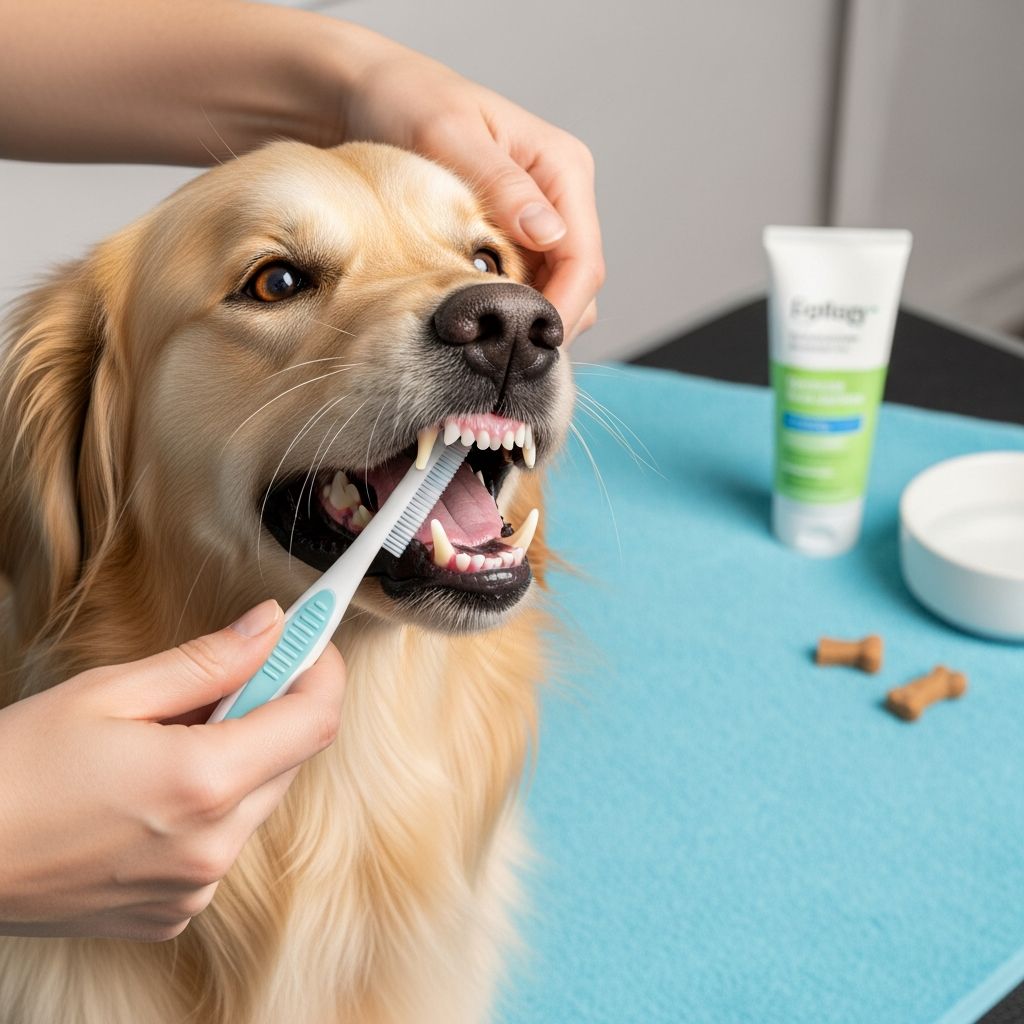
When your dog is ready for the next phase, dampen the toothbrush bristles with water only—not toothpaste yet. Gently raise your dog’s upper lip by pushing up with your index finger, or place your free hand over your dog’s head with your thumb and index finger on opposite sides of the upper jaw to lift the lips. Position the brush at the level where the tooth and gum meet.
Begin with the large cheek teeth and canine teeth, as these are where plaque and tartar accumulate most quickly. Use gentle circular motions, working the brush along and slightly under the gum line. Focus on the external (buccal) surfaces of the teeth for the first several attempts. Try brushing for approximately 30 seconds on each side of the mouth, initially. Some mild bleeding may occur during the first several brushing sessions—this is completely normal as the gums adjust to the stimulation.
Step 5: Advance to Using Toothpaste
Once your dog demonstrates comfort with the dry toothbrush, you can introduce dog-specific toothpaste. Apply a modest amount of paste with your finger around the gum tissue and external surfaces of the teeth before brushing. The toothpaste should enhance the experience with taste and flavor, not dominate it. Remember that the mechanical action of the bristles is what actually removes plaque—the toothpaste is secondary.
If your dog begins chewing on the toothbrush when toothpaste is introduced, revert to using water temporarily. Once they’re fully trained and acclimated, you can reintroduce toothpaste. Use small, gentle circular motions, maintaining a 45-degree angle with the bristles toward the gum line for maximum effectiveness.
Step 6: Gradually Expand Your Technique
To brush the lower teeth, you’ll need to open your dog’s mouth slightly. Do this by gently tilting your dog’s head backward while holding their upper jaw with your thumb and index finger. Apply the same gentle circular motions and 45-degree angle approach. Gradually work your way from the canines toward the back molars as your dog becomes more comfortable. For most dogs, this progression will take several days or weeks, and that’s perfectly acceptable.
Professional Brushing Techniques Explained
The Bass Technique
The Bass technique is the most widely recommended method for dog teeth brushing. This approach involves positioning the toothbrush parallel to the teeth with the bristles angled toward the gums. You then tilt the brush to a 45-degree angle and move the bristles slightly under the gum line (the gingival sulcus). This technique effectively targets the area where plaque accumulation is most significant. The angled approach allows bristles to massage beneath the gum line where conventional brushing cannot reach, providing superior plaque removal.
The Stillman Technique
The Stillman technique places the brush at a 45-degree angle aimed at the root of the tooth. Instead of circular motions, this method uses short back-and-forth strokes while simultaneously moving the brush toward the crown of the tooth in a coronal direction. This technique is particularly useful for dogs with sensitive gums or those where minimizing abrasive tissue damage is a priority. While both techniques are effective, the Bass technique is typically recommended for most pet owners due to its simplicity and effectiveness.
Building a Consistent Routine
Frequency and Duration
Ideally, aim to brush your dog’s teeth daily for optimal oral health. However, if daily brushing isn’t feasible, aim for at least 2-3 times per week to maintain effectiveness. Each brushing session should last approximately 2 minutes total, though you can work up to this duration gradually. Starting with just 30 seconds per side and increasing over several sessions prevents overwhelming your dog and builds positive associations with the routine.
Tips for Long-Term Success
- Be Consistent: Establish a regular schedule and stick to it. Dogs thrive on routine, and consistency helps them accept tooth brushing as normal.
- Be Gentle: Avoid forcing your dog’s mouth open or using excessive pressure. Let your dog cooperate naturally at their own pace.
- Use Treats Wisely: Offer small, high-value rewards after each session to reinforce positive behavior and create positive associations.
- Stay Patient: It may take several attempts before your dog feels completely comfortable. Celebrate small victories and progress gradually.
- Keep Sessions Positive: Always end while your dog is still enjoying the experience, before they become frustrated or resistant.
- Monitor Gum Health: Watch for signs of healthy pink gums. Some redness or mild bleeding is normal initially, but persistent bleeding should be evaluated by a veterinarian.
Important Hygiene Considerations
A dog’s mouth contains numerous bacteria, many of which can be transferred to your hands. While the risk of serious infection is low, practicing good hygiene is still important. If possible, wear rubber gloves while brushing your dog’s teeth to create a barrier between your hands and your dog’s mouth bacteria. If gloves make it difficult to perform the brushing effectively, ensure you thoroughly wash your hands with soap and warm water immediately after completing the session.
Additionally, rinse your dog’s toothbrush thoroughly with clean water after each use and allow it to air dry completely. Replace the toothbrush every three months, as bristles become frayed and less effective over time. If you have multiple dogs, use a separate toothbrush for each to prevent cross-contamination.
When to Seek Professional Dental Care
While regular home brushing is invaluable, professional dental cleanings by a veterinarian remain important for comprehensive oral health. Professional cleanings can reach areas of the mouth that home brushing cannot access and can identify early signs of dental disease. Most veterinarians recommend professional dental evaluations at least annually, with cleanings as needed based on your dog’s individual oral health status.
Consult your veterinarian if you notice signs of dental problems such as persistent bad breath, difficulty eating, bleeding gums, loose teeth, or behavioral changes related to mouth sensitivity. Early intervention can prevent serious complications and preserve your dog’s teeth for years to come.
Frequently Asked Questions (FAQs)
Q: What if my dog absolutely refuses to let me brush their teeth?
A: Start even smaller. Simply touch their lips for a few seconds, reward them, and stop. Build tolerance gradually over weeks. Some dogs require professional behavioral training. Discuss alternatives with your veterinarian, including dental treats, water additives, and professional cleanings.
Q: Can I use human toothpaste on my dog?
A: No, never use human toothpaste on dogs. Human toothpaste contains fluoride and xylitol (an artificial sweetener) that can be toxic to dogs. Always use toothpaste specifically formulated for canine use.
Q: How often should I brush my dog’s teeth?
A: Daily brushing is ideal for maximum oral health benefits. However, brushing at least 2-3 times weekly can still provide significant plaque prevention and maintain good dental hygiene.
Q: Is it ever too late to start brushing my dog’s teeth?
A: It’s never too late to start brushing your dog’s teeth. Dogs of any age can learn to tolerate and even enjoy tooth brushing. Older dogs may take longer to acclimate, but the oral health benefits are worth the effort.
Q: What should I do if my dog’s gums bleed while brushing?
A: Mild bleeding is normal during the first several brushing sessions as gums adjust to stimulation. However, persistent heavy bleeding or inflammation may indicate gum disease and warrants veterinary evaluation. Use gentle pressure and contact your vet if bleeding continues after several sessions.
Q: Can dental treats replace tooth brushing?
A: Dental treats can supplement your oral care routine but cannot fully replace mechanical brushing. Brushing removes plaque more effectively than treats alone. Use treats as an additional tool rather than a complete substitute.
Q: How long does it take to see results from brushing?
A: You may notice fresher breath within a few days of starting a brushing routine. However, significant improvements in plaque reduction and gum health typically become apparent over several weeks of consistent brushing.
References
- Brushing Your Dog’s Teeth: A Step-by-Step Guide — Dogwood Trails Animal Hospital. https://www.dogwoodtrailsah.com/how-to-brush-your-dogs-teeth-step-by-step/
- How To Brush Your Dog’s Teeth – Animal Dental Care & Oral Surgery — Well Pets Veterinary Medical Center. https://www.wellpets.com/blog/172-how-to-brush-your-dogs-teeth/
- How to Brush Your Dog’s Teeth — WebMD. https://www.webmd.com/pets/dogs/ss/slideshow-brushing-dog-teeth
- Brushing Your Dog’s Teeth — VCA Animal Hospitals. https://vcahospitals.com/know-your-pet/brushing-teeth-in-dogs
- Brushing your dog’s teeth: an owner’s guide — Animal Dental Australia. 2024. https://animaldental.com.au/wp-content/uploads/2024/10/Brushing-your-dogs-teeth-23-Oct-2024.pdf
Similar Articles







Read full bio of Sneha Tete