

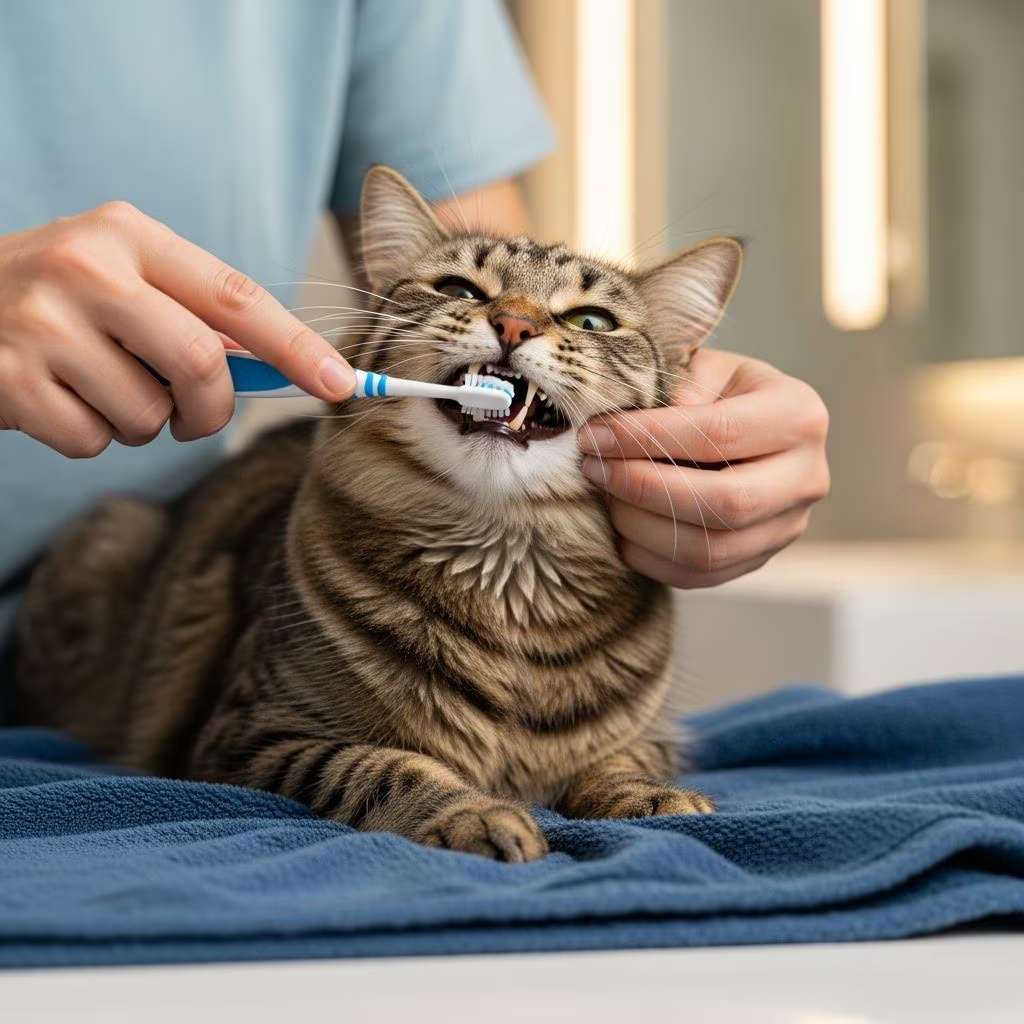
Brushing your cat’s teeth is a vital part of preventive pet health care that can significantly reduce the risk of dental disease, which affects up to 70% of cats by age three. Regular brushing removes plaque and food debris, promoting healthier gums and fresher breath while potentially avoiding expensive professional cleanings under anesthesia. This guide provides a comprehensive, step-by-step approach based on veterinary recommendations to make the process safe and stress-free for both you and your feline friend.
Why Brushing Your Cat’s Teeth Is Important
Dental health is often overlooked in cats, yet periodontal disease is one of the most common health issues in felines. Plaque, a soft bacterial film, hardens into tartar within days, leading to gingivitis, tooth loss, and even systemic infections that can affect the heart, liver, and kidneys. Daily or every-other-day brushing disrupts this buildup on accessible tooth surfaces, extending your cat’s comfort and lifespan. Unlike dogs, cats have narrower mouths, making home care crucial since professional cleanings carry anesthesia risks.
Benefits include fresher breath, reduced gum inflammation, and fewer vet visits. Studies show consistent brushing can decrease tartar by up to 50% on outer tooth surfaces. Starting young builds habits, but older cats can adapt with patience. Always pair brushing with annual vet dental checks for comprehensive care.
Signs Your Cat Needs Dental Care
Watch for these red flags indicating it’s time to start brushing or seek vet help:
- Bad breath (halitosis) persisting beyond a day or two.
- Yellow or brown tartar on teeth, especially upper molars.
- Bleeding, red, or swollen gums (gingivitis).
- Drooling excessively or pawing at the mouth.
- Difficulty eating, loose teeth, or broken teeth.
- Facial swelling or pain when yawning/chewing.
If these appear, home brushing alone won’t suffice—schedule a professional cleaning. Early intervention prevents abscesses and costly extractions.
What You’ll Need to Brush Your Cat’s Teeth
Gather cat-specific tools to ensure safety and effectiveness. Human products are dangerous: toothpaste contains xylitol (toxic to cats), and hard brushes can injure delicate gums.
| Item | Description | Why It Matters |
|---|---|---|
| Enzymatic Cat Toothpaste | Poultry, fish, or malt-flavored; enzymes break down plaque. | Safe to swallow; appeals to cats’ tastes. |
| Cat Toothbrush | Small-headed, soft-bristled, or dual-ended (one for humans, one angled for cats). | Fits cat mouths; gentle on enamel. |
| Finger Brush or Gauze | Stretchy rubber finger cap or cotton gauze squares. | Ideal starters for control and less intimidation. |
| Treats/Praise | High-value rewards like tuna juice or clicker. | Builds positive associations. |
| Optional: Cat Wrap | Swaddling blanket for wiggly cats. | Reduces stress during sessions. |
Stock up from pet stores or vets. Rinse tools after use; replace brushes every 3 months.
How to Get Your Cat Used to Brushing: A Step-by-Step Guide
Success relies on gradual desensitization over 1-2 weeks. Force leads to aversion; positivity wins.
Step 1: Introduce Toothpaste Flavor
Place a pea-sized dab on your finger. Let your cat lick it off during calm moments, like mealtime. Praise lavishly and offer a treat. Repeat 2-3 times daily for 5-7 days until they eagerly seek it. Flavors mimic food, easing acceptance.
Step 2: Touch Mouth and Gums
Once toothpaste is loved, gently lift lips and rub gums with clean fingers or toothpaste-coated ones. Focus on outer surfaces. Sessions: 10 seconds. Reward immediately. This acclimates to touch.
Step 3: Introduce the Brush
Let cat sniff/lick toothpaste off the brush. Allow gnawing to explore texture. No brushing yet—just familiarity. Progress when they chew comfortably.
Step 4: First Brushing Session
Choose quiet times when cat is drowsy. Secure if needed (lap hold or wrap). Lift lip, apply toothpaste to brush, and gently swipe 2-4 outer teeth (canines/premolars first). Use circular or sweeping motions—no scrubbing. 10-20 seconds max. End with praise/treats.
Step 5: Build Duration and Coverage
Daily practice: Add teeth gradually, covering all outer surfaces (skip inner—hard for cats). Aim for 30-60 seconds total. Brush upper/lower arcs where plaque accumulates most.
Advanced Tips
- Avoid vomeronasal organ (behind upper incisors)—light passes only.
- Wear gloves; wash hands post-session.
- Use clicker training for precision rewards.
Tips and Tricks for Brushing Reluctant Cats
Not all cats cooperate. Try these vetted strategies:
- Timing: Post-meal or play when relaxed.
- Positioning: Cradle like a baby or towel-wrap for security.
- Distractions: Second person pets/holds toy.
- Alternatives: Gauze if brush rejected; dental wipes for minimalists.
- Patience: One tooth > none. Sessions under 1 minute prevent burnout.
- Supplements: Dental chews/gels as adjuncts, not replacements.
For aggressive cats, consult vets for sedation-free options or behaviorists.
How Often Should You Brush Your Cat’s Teeth?
Ideal: Daily, like humans. Minimum: 3-4 times weekly to control plaque before tartar forms. Consistency trumps perfection—short daily sessions outperform weekly marathons. Track progress: Less visible buildup means success. Combine with water additives or diets for full-spectrum care.
What Brushing Can (and Can’t) Do
Home brushing excels at prevention but has limits.
| At-Home Brushing Handles | Requires Vet Intervention |
|---|---|
| Soft plaque removal | Hardened tartar scaling |
| Food debris clearance | Gingivitis/bleeding treatment |
| Outer bacteria reduction | Loose/broken teeth repair |
| Breath freshening | Inflammation/swelling management |
If disease exists, pro cleaning under anesthesia is essential for X-rays and deep cleaning.
FAQs
Can all cats learn to have their teeth brushed?
Yes, with patience—even seniors. Kittens adapt fastest. 90% succeed via gradual training.
Is human toothpaste safe for cats?
No—xylitol poisons them, causing liver failure. Always use enzymatic pet formulas.
How long does a brushing session take?
30-60 seconds once trained. Start shorter to build tolerance.
What if my cat hates it?
Pause, reward tolerance. Use wraps, finger brushes, or vet dental products as bridges.
Does brushing replace vet cleanings?
No—it prevents but doesn’t cure. Annual exams needed.
Conclusion
Mastering cat teeth brushing empowers you to safeguard your pet’s health proactively. Commit to short, positive routines for lasting results. Consult your vet for tailored advice—healthy smiles mean happy cats.
References
- Brushing Your Cat’s Teeth — ASPCA Pet Insurance. 2023. https://www.aspcapetinsurance.com/resources/dental-care-for-cats/
- Healthy Cat Teeth & Gums: Your Guide to Easy Brushing — Rea Road Animal Hospital. 2024-01-15. https://www.rearoadanimalhospital.com/healthy-cat-teeth-brushing-guide/
- The Ultimate Guide to Brushing Your Cat’s Teeth — Petlibro. 2024. https://petlibro.com/blogs/all/the-ultimate-guide-to-brushing-your-cats-teeth
- A Step-by-Step Guide to Brushing A Cat’s Teeth — Cat School. 2023-05-20. https://www.catschool.co/cat-training-articles/a-step-by-step-guide-to-brushing-a-cats-teeth
- How to Brush a Cat’s Teeth — Portage Park Animal Hospital. 2024. https://www.portagepark.com/blog/how-to-brush-a-cats-teeth
- How To Brush Your Cat’s Teeth Using the Calm & Cozy Cat Wrap — Calm Cozy Cat. 2024-02-10. https://calmcozycat.com/blogs/tutorials/how-to-brush-cat-teeth-using-the-calm-cozy-cat-wrap
- Brushing Your Cat’s Teeth — Today’s Veterinary Nurse. 2019-02-01. https://todaysveterinarynurse.com/wp-content/uploads/sites/3/2019/02/TVN-2019_Brushing_Cat_Teeth.pdf



