

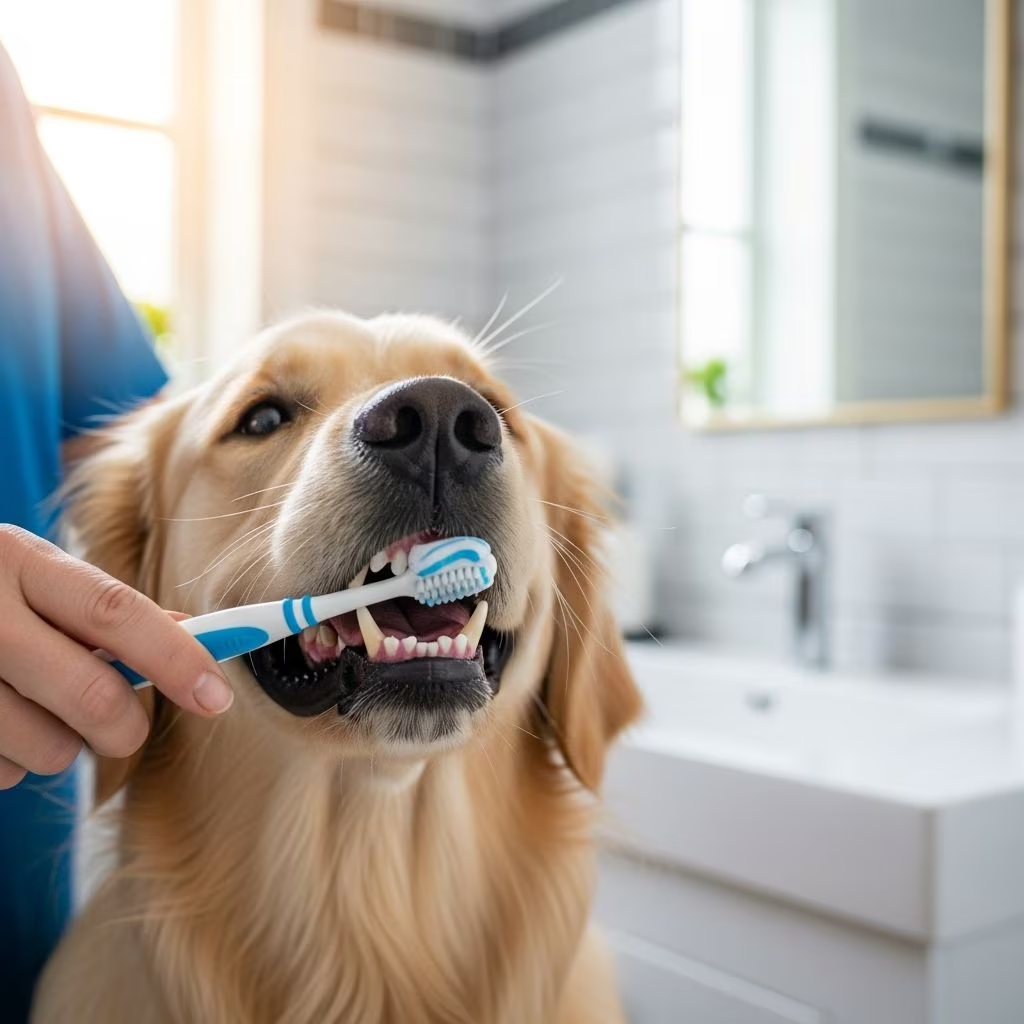
Brushing your dog’s teeth is one of the most effective ways to prevent periodontal disease, which affects a majority of dogs over age three. Daily brushing, or at least several times per week, removes plaque and tartar buildup, promoting overall health and reducing the risk of pain or tooth loss.
Why Brushing Your Dog’s Teeth Matters
Dogs develop plaque within hours of eating, which hardens into tartar if not removed, leading to gingivitis, periodontal disease, abscesses, and even systemic health issues. Owners report brushing to promote general health (47%), prevent future problems (33%), avoid pain (19%), and retain teeth (14%). Regular home care strengthens the pet-owner bond and keeps bad breath at bay, signaling potential health concerns.
Periodontal disease impacts chewing, eating, and quality of life. Studies show that establishing a routine early leads to sustained adherence, with motivated owners citing visible improvements like reduced tartar. Professional cleanings are essential but costly; home brushing bridges the gap.
How Often Should You Brush Your Dog’s Teeth?
Most veterinary experts recommend daily brushing for optimal prevention of oral health issues, though brushing 3–7 times weekly yields significant benefits. Start young—puppies can learn early, normalizing dental care like in puppy classes.
- Ideal frequency: Every day, aiming for 30–60 seconds per session.
- Minimum effective: 3 times per week to reduce plaque substantially.
- Check-ups: Regularly inspect during yawns for redness, swelling, or tartar.
Consistency builds habit; once routines stabilize, owners maintain them to avoid future issues. For seniors or those with diagnosed periodontitis, daily care post-professional cleaning is crucial.
What You’ll Need to Brush Your Dog’s Teeth
Gather pet-safe tools to ensure safety and efficacy. Human toothpaste contains xylitol, toxic to dogs—always use enzymatic dog toothpaste.
| Item | Description | Tips |
|---|---|---|
| Dog Toothbrush | Pet-specific, finger brush, baby toothbrush, or gauze-wrapped finger | Soft bristles for small breeds; dual-headed for reach |
| Dog Toothpaste | Enzymatic formula (poultry, beef flavors) | Tasty to encourage acceptance; avoid fluoride |
| Treats/Rewards | High-value treats dog loves | Praise immediately after for positive association |
| Treats for Calm | Optional calming chews | For anxious dogs during sessions |
Small breeds like Yorkshire Terriers pose challenges; opt for appropriately sized brushes.
Step-by-Step Guide: How to Brush Your Dog’s Teeth
Introduce gradually over weeks to build tolerance. Make it a positive, bonding experience with praise.
- Desensitize the mouth: Touch lips, lift gently, rub gums with clean finger daily until comfortable.
- Introduce flavors: Let dog taste toothpaste; sniff brush. Reward heavily.
- Finger brush first: Apply pea-sized toothpaste to finger; massage outer teeth/gumline in circles.
- Progress to brush: Add toothpaste to brush; start with front canines (easiest access). Use gentle circular motions along gumline—outside surfaces only, as saliva cleans insides.
- Build duration: Begin with 10 seconds, aim for 30–60 seconds total. Focus on molars where tartar accumulates.
- Reward and end positively: Treat, praise, play. Never force if stressed.
Technique matters: Brush quickly without scrubbing; quality over quantity for small dogs. If uncooperative, pause and consult vet for tips.
Tips for Success When Brushing Dog Teeth
- Choose quiet times: Post-walk or mealtime when relaxed.
- Position properly: Sit dog between legs facing away; lift lips gently.
- Handle resistance: Short sessions; use finger brush if needed. Train via puppy classes for stress-free habits.
- Monitor progress: Note reduced tartar; seek vet follow-up for technique checks.
- Patience is key: 42% of owners brush regularly once routine established.
For wiggly dogs, delegate training to obedience classes incorporating oral care.
What to Do If Your Dog Won’t Let You Brush Their Teeth
Not all dogs tolerate brushing; don’t neglect care. Alternatives reduce plaque effectively.
- Dental chews/treats: VOHC-approved (e.g., Greenies) for tartar control.
- Water additives: Enzymatic formulas added to drinking water.
- Dental wipes/gels: Swipe outer surfaces daily.
- Professional cleanings: Annual vet scaling under anesthesia.
- Natural methods: Raw bones or carrots (supervised); manual plaque removal best.
Combine methods; brushing remains gold standard, but persistence with alternatives prevents disease.
Common Dental Problems in Dogs and Prevention
Unchecked teeth lead to:
- Gingivitis: Inflamed gums from plaque.
- Periodontal disease: Advanced infection, bone loss (80% of dogs by age 3).
- Abscesses: Painful pus pockets.
- Fractured teeth: From chewing hard objects.
Prevention: Brushing + chews + vet exams. Early intervention retains teeth, aids eating.
Frequently Asked Questions (FAQs)
Can all dogs learn to have their teeth brushed?
Yes, with gradual introduction and rewards, most dogs adapt. Start young for best results; seek pro tips for challenging cases.
How long does it take to train a dog for teeth brushing?
Weeks of short sessions; build from touching to full brush. Patience yields routine adherence.
Is dog toothpaste necessary?
Essential—enzymatic action breaks plaque; flavors encourage participation. Never human varieties.
What if I miss a day of brushing?
Aim for consistency, but 3x/week suffices. Resume without stress.
When should I see a vet for my dog’s teeth?
Annually, or sooner for bad breath, drooling, pawing, or loose teeth.
Establishing a Lifelong Dental Routine
Integrate brushing like walks—daily habit for health. Track improvements; vets note better compliance with follow-ups. Healthy mouths mean happy, pain-free dogs and stronger bonds. Combine with diet, chews, and exams for comprehensive care.
References
- Adherence to dental home care in dogs with periodontitis — PMC/NCBI. 2023-12-01. https://pmc.ncbi.nlm.nih.gov/articles/PMC10731822/
- What Is the Best Way to Clean a Dog’s Teeth? — Kinship. 2024-01-01. https://www.kinship.com/dog-health/what-is-the-best-way-to-clean-a-dogs-teeth
- How Often Should You Brush Your Dog’s Teeth? — Kinship. 2024-01-01. https://www.kinship.com/dog-health/how-often-should-you-brush-your-dogs-teeth
- Tips for Getting Owners to Brush Their Dog’s Teeth at Home — Clinician’s Brief. 2023-01-01. https://www.cliniciansbrief.com/article/dog-tooth-brushing-cleaning-periodontal-disease
- Brushing Your Dog’s Teeth — Today’s Veterinary Nurse. 2019-02-01. https://todaysveterinarynurse.com/wp-content/uploads/sites/3/2019/02/TVN-2019_Brushing_Dog_Teeth.pdf



