

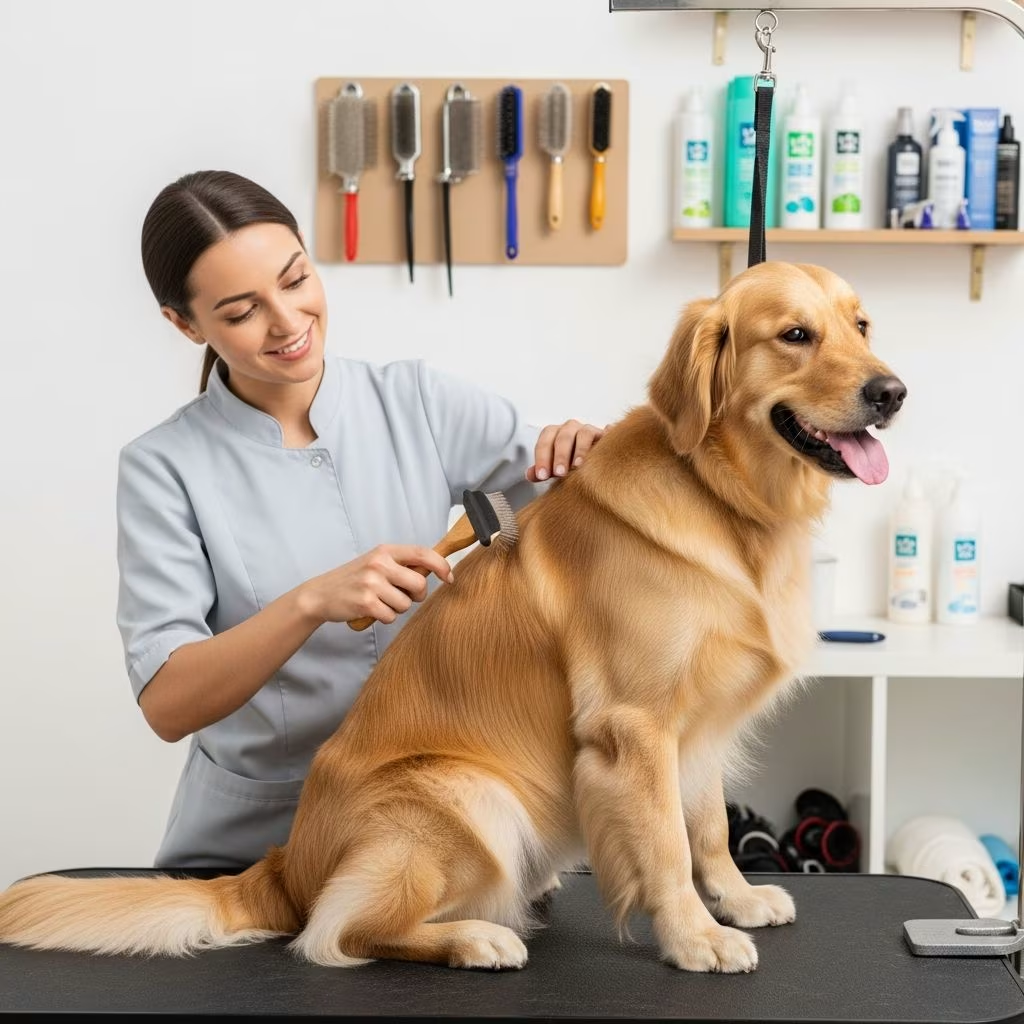
How To Brush a Dog: A Professional Groomer’s Complete Guide
Brushing your dog is one of the most essential aspects of pet grooming, yet many dog owners don’t realize that different coat types require different approaches. Using the wrong brush or technique can actually damage your dog’s fur, create mats, or cause skin irritation. Understanding your dog’s specific coat type and learning the proper brushing methods will help you maintain a healthy, beautiful coat while preventing common grooming problems.
Regular brushing offers numerous benefits beyond aesthetics. It helps distribute natural oils throughout your dog’s coat, improves circulation, allows you to check for skin abnormalities, and significantly reduces shedding around your home. Most importantly, proper brushing prevents painful matting and keeps your dog comfortable. The key to success is matching the right tools and techniques to your dog’s unique coat characteristics.
Why Brushing Your Dog Matters
Many pet owners underestimate the importance of regular brushing. Beyond keeping your dog looking polished, brushing serves critical health and wellness functions. When you brush your dog properly, you’re removing dead hair, preventing mats and tangles, and keeping your dog’s skin healthy. Regular brushing sessions also provide an opportunity to bond with your pet while checking for any unusual lumps, bumps, or skin conditions that might need veterinary attention.
During shedding season, which typically occurs in spring and fall, brushing becomes even more critical. Heavy shedding can lead to matted fur if not managed properly, and a good brushing routine can dramatically reduce the amount of loose hair throughout your home. Establishing a consistent brushing routine early in your dog’s life helps them become comfortable with the process and makes grooming time enjoyable for both of you.
Best Dog Brushes and Brushing Methods for Your Dog’s Coat Type
Not all dog brushes work for every coat type. Selecting the appropriate brush and using the correct technique is fundamental to effective grooming. Let’s explore the various coat types and the best grooming approaches for each.
Brushing Dogs With Short, Smooth Coats
Dogs with short, smooth coats typically don’t develop mats or tangles, making grooming relatively straightforward. These dogs benefit from light, regular brushing that removes loose hair and distributes natural oils throughout their coat. Short-haired breeds are generally easier to maintain than their longer-coated counterparts.
For these dogs, use a rubber brush or bristle brush several times per week. Apply gentle pressure and brush in the direction of hair growth. During non-shedding months, a quick brushing a few times weekly keeps their coat healthy and shiny. Short-haired dogs can be brushed while wet or dry, and you won’t encounter matte issues that plague longer-coated breeds.
Brushing Dogs With Medium Double Coats
Breeds like German Shepherds, Corgis, and Huskies have medium double coats consisting of a soft undercoat beneath longer guard hairs. These coats require more attention than short coats but are more manageable than long coats. Double-coated dogs shed considerably, especially during shedding season, making regular brushing essential.
Start with a slicker brush like the Evolution Self-Cleaning Dog Slicker Brush, using medium pressure and brushing in the direction of fur growth. After using the slicker brush, follow up with a metal comb or undercoat rake to remove loose undercoat hair. This two-step approach effectively reduces shedding and prevents matting. Be careful not to pull too hard when you encounter clumps of fur, as this can damage the coat and cause discomfort.
For medium double-coated dogs, aim to brush at least two to three times per week during regular seasons, increasing to daily brushing during shedding season. The undercoat rake is particularly effective at removing the dead undercoat without damaging the guard hairs.
Brushing Dogs With Long Double Coats
Long double-coated breeds require the most intensive grooming regimen. These dogs, which include breeds like Golden Retrievers, Australian Shepherds, and Border Collies, have thick undercoats and long guard hairs that are prone to matting and tangling if not properly maintained.
The proper technique for long double-coated dogs involves brushing down to the skin, which many owners overlook. Start at your dog’s feet and lift sections of hair, brushing underneath the raised sections. Move systematically up your dog’s body using this technique. This ensures you’re reaching the undercoat and not just brushing the top layer of fur.
Use a slicker brush followed by a metal comb to check for any missed mats or tangles. You should be able to run the comb smoothly through all of your dog’s fur. Long double-coated dogs need brushing at least three to four times per week, with daily brushing during shedding season.
If you discover mats that won’t brush out, use a dematting tool like the Master Grooming Tools Dematting Tool to gently pick them apart from top to bottom. Keep a comb between the mat and your dog’s skin to prevent accidentally cutting the skin, as these tools are quite sharp. For severe mats close to the skin, consult a professional groomer who can safely remove them.
Brushing Dogs With Curly or Wavy Coats
Curly and wavy-coated breeds, including Poodles, Doodle mixes, and Bichon Frises, have coats that are particularly prone to matting. These coats require frequent, thorough brushing to maintain their texture and prevent painful tangles and mats from forming.
For curly and wavy coats, start with a slicker brush, applying medium to firm pressure while brushing in the direction of hair growth. Follow this with a metal comb to identify any tangles or mats you may have missed. These coats need brushing at least three to four times per week, and ideally daily during shedding season.
Curly-coated dogs often require professional grooming every four to eight weeks to maintain their coat properly. Even with regular home brushing, professional groomers have specialized equipment and expertise to keep these coats in optimal condition.
Brushing Dogs With Straight Coats
Dog breeds with straight coats include Yorkshire Terriers, some Miniature Schnauzers, some Shih Tzus, some Havanese, and some Maltese dogs. These coats have a distinct texture that requires specific care.
Brush dogs with straight coats a couple of times per week using a slicker brush with medium pressure. Make sure to brush down to the skin, not just the surface. Straight-coated breeds need consistent maintenance to prevent matting, particularly in areas where friction occurs.
Brushing Dogs With Wiry Coats
Wiry-coated breeds, often terrier types, have coarse, textured coats that shed undercoat regularly. These dogs should be brushed about once a week to remove undercoats and maintain their characteristic appearance.
Use gentle pressure with a slicker brush, then follow up by running a metal comb through the hair. Wiry coats are less prone to matting than other coat types, but regular brushing keeps them looking neat and reduces shedding around your home.
Pro Tips for Effective Dog Brushing
No matter your dog’s coat type, follow these professional guidelines for optimal results:
Brush in the direction of hair growth: Always brush in the direction that the hair naturally grows. Brushing against the grain can damage the coat and cause discomfort for your dog.
Brush from skin to tips: A common mistake pet parents make is brushing only the top layer of their dog’s coat. Effective brushing includes reaching from the skin to the tips of the hair all over the body. This ensures you remove loose undercoat and prevent matting before it starts.
Pay special attention to friction areas: Focus extra attention on areas where friction occurs, including behind the ears, under the armpits, between the hind legs, and around the rear end. These areas are most prone to matting.
Be gentle on sensitive areas: Use a delicate touch on your dog’s spine, shoulders, and hips. These areas have thin skin and are more prone to irritation.
Use the right pressure: Apply appropriate pressure based on your dog’s coat type and sensitivity. Too much pressure can irritate the skin, while too little won’t effectively remove loose hair.
Brushing During Shedding Season
Shedding season typically occurs during spring and fall when dogs shed their coats to prepare for seasonal changes. During these periods, brushing becomes even more critical. Increase your brushing frequency to daily sessions to manage the heavy hair loss.
During shedding season, start by brushing your dog daily with a rubber brush or slicker brush to remove loose hair from the outer coat. Then, once a week, use a deshedding tool that suits their coat type to remove the undercoat. Deshedding tools are specifically designed to gather dead and loose hair efficiently. A gentle touch is essential when using deshedding brushes, as aggressive brushing can irritate the skin. This intensive approach during shedding season prevents mats from forming and significantly reduces the amount of loose hair throughout your home.
Common Brushing Mistakes to Avoid
Understanding what not to do is just as important as knowing proper techniques. Avoid these common grooming mistakes:
Brushing wet hair: Avoid brushing your dog while their coat is wet, as wet hair stretches and breaks more easily. Water can also make mats worse and tighten existing tangles. Always brush before bathing or after the coat has completely dried.
Only brushing the top layer: Brushing only the surface of your dog’s coat leaves mats forming underneath where you can’t see them. Always brush down to the skin.
Using the wrong brush: Using an inappropriate brush for your dog’s coat type can damage their fur and cause skin irritation. Always match your brush to your dog’s specific coat characteristics.
Ignoring mats: Small mats become large, painful mats when ignored. Address mats immediately when you discover them to prevent them from worsening.
Choosing the Right Brushing Tools
Having the right tools makes grooming easier and more effective. Here’s a breakdown of essential brushing tools:
Slicker brushes: These brushes have short, fine wires close together on a flat or slightly curved surface. They’re excellent for removing mats, tangles, and loose hair from medium and long-coated dogs. Slicker brushes work on most coat types when used with appropriate pressure.
Metal combs: Metal combs help identify mats and tangles you may have missed with a brush. They’re essential tools for double-coated dogs and work well after brushing to ensure thorough grooming.
Undercoat rakes: These specialized tools have widely spaced teeth designed to remove undercoat without damaging guard hairs. They’re particularly effective on double-coated breeds during shedding season.
Dematting tools: If your dog develops mats, a dematting tool helps gently separate them. These tools are sharp and require careful handling to avoid cutting your dog’s skin.
Deshedding brushes: Designed specifically to gather dead and loose hair, deshedding brushes are invaluable during heavy shedding seasons. Use them with a gentle touch to avoid skin irritation.
Rubber brushes: Ideal for short-haired dogs, rubber brushes remove dead hair and can be used even while bathing. They’re gentle on skin and effective at preventing excess shedding.
Bristle brushes: Natural or nylon bristles packed tightly together sweep away loose fur and distribute natural oils. These brushes work well for short-haired dogs and help shine and soften the coat.
Making Brushing a Positive Experience
Helping your dog become comfortable with grooming is crucial for establishing a routine they’ll tolerate throughout their life. Start grooming sessions early, especially with puppies. Make brushing a positive experience by associating it with treats, praise, and gentle handling.
Keep grooming sessions relatively short initially, gradually increasing duration as your dog becomes comfortable. Find a comfortable location and try to brush at consistent times to establish a routine. Use a calm, soothing voice and gentle touch to help your dog relax. For dogs that resist grooming, consider consulting a professional groomer or a certified dog trainer for desensitization techniques.
When to Seek Professional Help
While regular home brushing is essential, professional groomers play an important role in your dog’s grooming care. Consider professional grooming services if:
Your dog has severe matting close to the skin that you’re uncomfortable removing yourself. Your dog’s breed requires specialized grooming that needs professional expertise. You need help with desensitization if your dog is resistant to grooming. Your dog requires bathing, nail trimming, or ear cleaning in addition to brushing. You want to maintain a specific grooming style or breed standard.
Frequently Asked Questions About Dog Brushing
Q: How often should I brush my dog?
A: Brushing frequency depends on your dog’s coat type. Short-coated dogs need brushing 2-3 times weekly, while medium and long-coated dogs need 3-4 times weekly. During shedding season, increase to daily brushing for most dogs.
Q: Can I brush my dog while wet?
A: No. Always brush your dog before bathing or after their coat has completely dried. Wet hair stretches and breaks more easily, and water can worsen existing mats and tangles.
Q: What should I do if my dog has mats?
A: For mats you can brush out, work gently from the top of the mat to the bottom. Keep a comb between the mat and your dog’s skin to prevent cutting. For severe mats close to the skin, consult a professional groomer.
Q: How can I reduce my dog’s shedding?
A: Regular brushing, especially with deshedding tools during shedding season, significantly reduces loose hair. Daily brushing with a rubber brush or slicker brush, followed by weekly deshedding tool use, effectively manages shedding.
Q: Is it better to brush before or after bathing?
A: Brush before bathing to remove mats and tangles. Water can make mats worse, so addressing them beforehand is important. After bathing, wait until the coat is completely dry before brushing again.
Q: What pressure should I use when brushing?
A: Use medium pressure for most coat types, adjusting based on your dog’s sensitivity. Be gentle on sensitive areas like the spine and shoulders. Avoid aggressive brushing that could irritate the skin.
References
- How To Brush a Dog, According to a Pro Groomer — Chewy. 2025. https://www.chewy.com/education/dog/grooming/brushing-a-dog
- Your Guide to the Best Dog Brushes to Groom Your Pet — Chewy. 2025. https://www.chewy.com/education/dog/grooming/less-shedding-yes-please-your-guide-to-the-best-dog-brushes-to-groom-your-pet
- 6 Dog Grooming Mistakes to Avoid — Chewy. 2025. https://www.chewy.com/education/dog/grooming/dog-grooming-mistakes
- Home Pet Grooming: A Cheat Sheet for Pet Parents — Chewy. 2025. https://www.chewy.com/education/dog/grooming/home-pet-grooming-cheat-sheet
- How to Bathe a Dog: Step-by-Step Tips From a Professional Groomer — Chewy. 2025. https://www.chewy.com/education/dog/grooming/how-to-bathe-a-dog-step-by-step-tips-from-a-professional-groomer



