

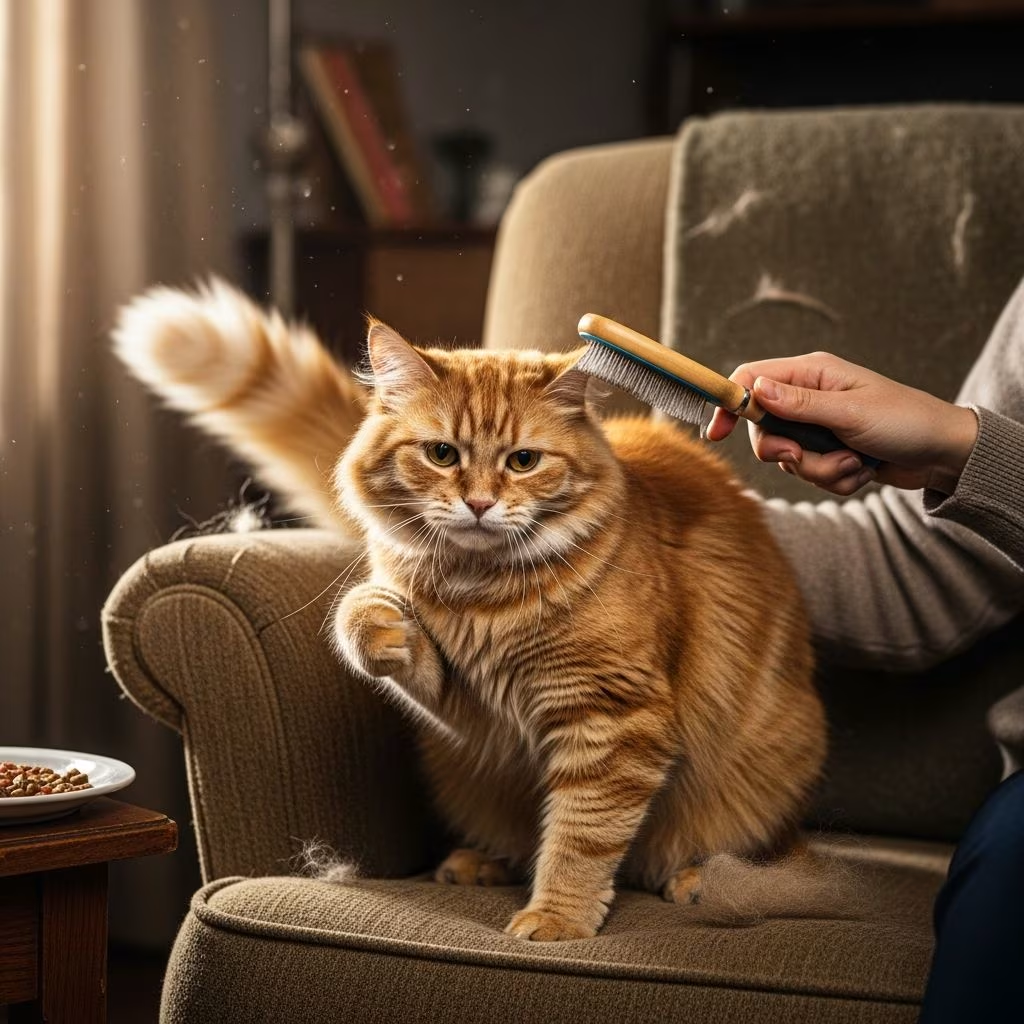
Brushing your cat offers numerous benefits, including reduced shedding, fewer hairballs, and a stronger bond between you and your pet. However, many cats resist grooming due to discomfort or unfamiliarity. This guide provides a step-by-step approach to make brushing tolerable and even enjoyable for reluctant felines, drawing from veterinary insights on tools, timing, and techniques.
Why Brush Your Cat?
Regular brushing removes loose fur, distributes natural oils for a shiny coat, and prevents mats that can lead to skin issues. For long-haired cats, daily sessions minimize hairballs, while short-haired breeds benefit from weekly maintenance. It also helps detect parasites, lumps, or wounds early. Despite these advantages, cats with negative past experiences or sensitive skin may flee at the sight of a brush. Patience and the right methods can overcome this resistance.
How to Brush a Cat That Doesn’t Want to Be Brushed
Transform your cat’s aversion into acceptance with these proven strategies. Start small, stay calm, and prioritize your cat’s comfort to build positive associations.
1. Choose the Right Type of Brush
Selecting an appropriate brush is crucial, as an uncomfortable tool exacerbates resistance. Match the brush to your cat’s coat type for gentleness and effectiveness:
- Bristle brush: Ideal for short-haired cats; provides a shiny finish and can serve as a secondary tool for long-haired ones.
- Deshedding brush: Excellent for long-haired or double-coated cats to remove undercoat and loose hair.
- Pin brush: Suited for medium to long or curly coats, gently detangles without pulling.
- Double-sided brush: Features bristles on one side and pins on the other; versatile for all coats, especially long-haired.
- Slicker brush: Removes mats and tangles effectively but use cautiously on sensitive skin.
- Undercoat rake: Targets undercoats prone to matting, ideal for thick-furred breeds.
- Curry brush: Silicone or rubber construction massages gently without removing tangles; perfect for brush-averse cats.
- Grooming glove: Mimics petting; great for shedders who dislike traditional brushes.
Begin with softer options like grooming gloves or curry brushes to ease your cat into the process. Avoid stiff or sharp tools that pull hair and cause pain.
2. Brush at the Right Time
Timing impacts success dramatically. Choose moments when your cat is relaxed, such as post-nap or during cuddle sessions, rather than during play or household chaos. A calm environment reduces anxiety, increasing the likelihood of cooperation. Observe your cat’s routine—many prefer quiet evenings over mornings.
3. Start Brushing When Your Cat Is Young
Kittens acclimate easiest to grooming. Introduce brushing during playtime from 8 weeks old, pairing it with treats or affection. For adult cats, mimic this gradual exposure. Early habituation prevents lifelong aversion, as cats over 1 year may require weeks of desensitization.
4. Use the Correct Brushing Technique
Proper technique minimizes discomfort. Begin at the head or neck—favorite spots for most cats—and stroke toward the tail in the direction of hair growth. Use light pressure; heavy brushing irritates skin. For tangles, tease with fingers first, then brush gently. Stop immediately if your cat signals distress (e.g., tail twitching, ears back). Sessions should flow naturally, respecting your cat’s boundaries.
5. Go Slowly
Rush nothing. Initial sessions last 5-10 seconds, gradually increasing to 2-5 minutes. Frequency depends on coat: daily for long-haired, weekly for short-haired. Build duration over days or weeks, always ending positively. This slow progression fosters tolerance and prevents burnout.
6. If All Else Fails, Break Out the Cat Treats
Positive reinforcement trumps force. Place the brush near treats initially, progressing to holding it during eating. Lick mats distract finicky eaters. High-value rewards like tuna or commercial cat treats create joyful links. Acclimatization may take 1-2 weeks, but consistency pays off.
7. Introduce the Brush Gradually
Let your cat investigate the brush freely before use. Place it in a safe spot for sniffing and rubbing. Reward curiosity with praise or pets. This reduces suspicion of novel objects, a common feline trait.
8. Brush Small Areas First
Overwhelm leads to flight. Start with the back for a few strokes, pause, and assess reactions. Offer treats for tolerance. Avoid restraining; let your cat move freely. Progress to legs, head, belly only after acceptance.
Dealing with Mats and Tangles
Mats cause pain and resistance. Assess severity: small ones yield to fingers or wide-tooth combs; large mats near skin require professional clipping to avoid injury. Apply conditioner to the brush (not directly) for slip. Never pull; cut parallel to skin if needed, but consult a vet or groomer for safety.
| Mat Size | Best Tool | Technique |
|---|---|---|
| Small (<1cm) | Fingers/Comb | Gently tease apart |
| Medium (1-3cm) | Slicker/Deshedding | Light strokes + conditioner |
| Large (>3cm) | Professional | Clip or shave |
Coat Type Grooming Guide
| Coat Type | Recommended Frequency | Best Brushes |
|---|---|---|
| Short-haired | Weekly | Bristle, Glove |
| Medium | 2-3x/week | Pin, Double-sided |
| Long-haired | Daily | Deshedding, Undercoat rake |
Frequently Asked Questions (FAQs)
What if my cat scratches during brushing?
Stop immediately, trim nails if needed, and resume shorter sessions. Use gloves for protection and consult a vet for aggression causes.
How often should I brush a shedding cat?
Daily during peak seasons; use deshedding tools to manage loose fur effectively.
Can I brush a kitten?
Yes, start gently from 8 weeks to build lifelong habits.
What if mats won’t come out?
Seek professional grooming to prevent skin ulcers from tight mats.
Is a grooming glove enough?
For short coats and light shedding, yes; supplement for tangles.
Final Thoughts
Brushing a resistant cat demands patience, but rewards include healthier skin, less shedding, and bonding time. Prioritize gentle tools like grooming gloves, optimal timing, and rewards. With consistency, even the most stubborn cats can learn to tolerate—or love—grooming sessions. Monitor for improvements and seek vet advice for persistent issues.
References
- Recognizing and Reducing Stress in Cats — Cornell University College of Veterinary Medicine. 2023-07-15. https://www.vet.cornell.edu/departments-centers-and-institutes/cornell-feline-health-center/health-information/feline-health-topics/recognizing-and-reducing-stress-cats
- Grooming Your Cat — American Animal Hospital Association (AAHA). 2024-02-10. https://www.aaha.org/your-pet/pet-owners-library/grooming-your-cat/
- Feline Skin Diseases — Merck Veterinary Manual. 2025-01-05. https://www.merckvetmanual.com/cat-owners/skin-disorders-of-cats/feline-skin-diseases
- Behavior Modification for Cats — International Cat Care. 2023-11-20. https://icatcare.org/advice/positive-reinforcement-training-for-cats/
- Coat Care in Cats — The Veterinary Nurse Journal (peer-reviewed). 2024-06-12. https://doi.org/10.12968/vetn.2024.005



