

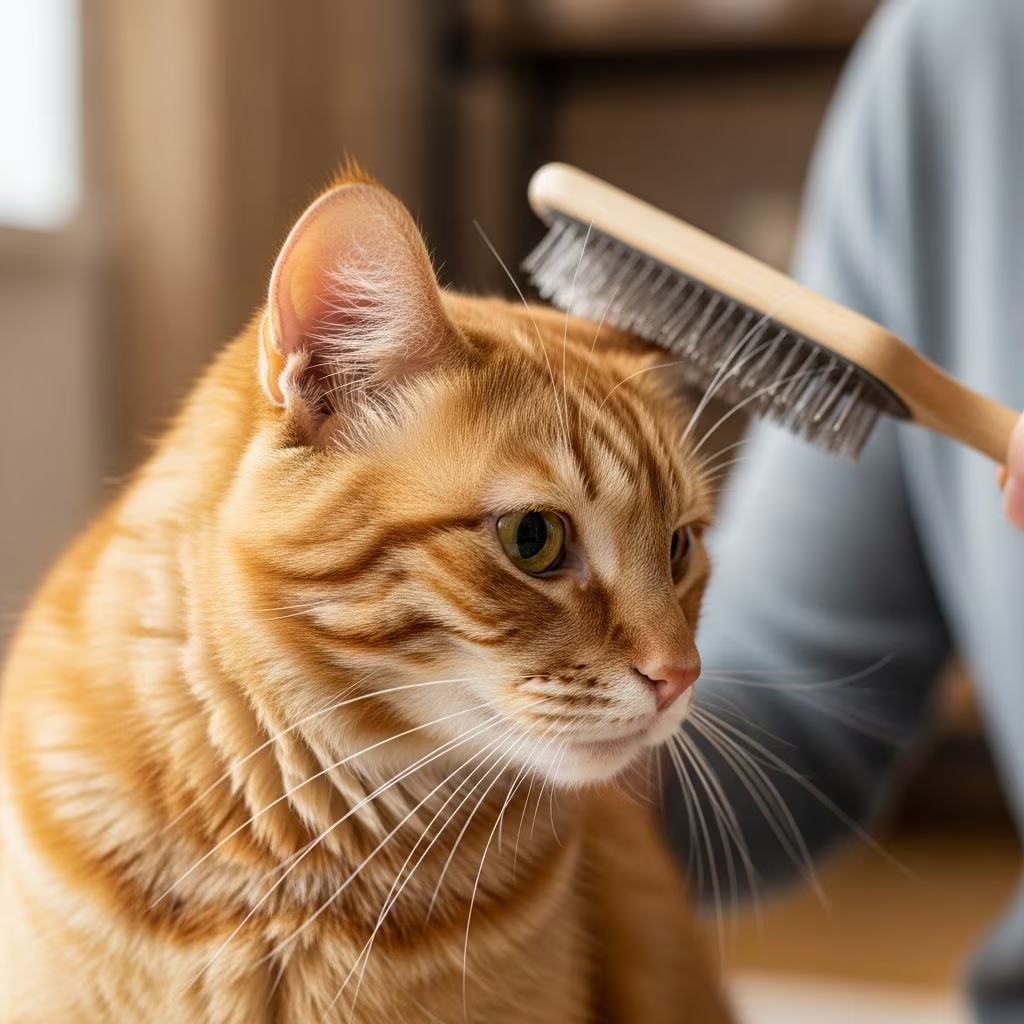
Brushing your cat offers numerous benefits, including reduced hairballs, a shinier coat, and stronger bonding. However, many cats resist grooming due to discomfort, fear, or unfamiliarity. With patience and the right techniques, you can turn a reluctant feline into a brushing enthusiast. This guide covers essential steps, tools, and tips drawn from veterinary advice and expert grooming practices.
Why Brush Your Cat?
Regular brushing removes loose fur, preventing mats and hairballs that can cause digestive issues. It stimulates skin oils for a healthier coat and allows early detection of skin problems, fleas, or lumps. For long-haired breeds, it’s crucial to avoid painful tangles. Even short-haired cats benefit, as brushing distributes natural oils and reduces shedding around your home.
Cats that self-groom excessively ingest fur, leading to trichobezoars (hairballs). Brushing cuts this intake by up to 50%, promoting better health. It also provides quality time, building trust—key for cats who associate touch with stress.
Signs Your Cat Hates Brushing
Recognize resistance early to avoid worsening aversion. Common signs include:
- Flicking or lashing tail
- Flattened ears or pinned-back whiskers
- Dilated pupils or wide eyes
- Skin twitching or rippling
- Hissing, growling, or swatting
- Attempting to flee or bite
If you notice these, stop immediately. Forcing sessions reinforces negative associations, making future attempts harder.
Choosing the Right Brush
The wrong tool can cause pain, so select cat-friendly options. Start with gentle types to build positive experiences.
| Brush Type | Best For | Pros | Cons |
|---|---|---|---|
| Silicone or Rubber Glove Brush | Sensitive skin, short hair | Feels like petting, easy to use | Less effective on mats |
| Soft Bristle Brush | All coats, beginners | Gentle, removes loose fur | May need frequent cleaning |
| Pin Brush | Long or medium hair | Detangles without pulling | Not for very sensitive cats |
| Slicker Brush | Heavy shedders | Removes undercoat | Can snag if used roughly |
Avoid metal or stiff-bristled brushes initially. Test on your hand first—if it hurts, it will hurt your cat. Vet-recommended self-cleaning brushes minimize pulling.
Step-by-Step Guide to Brushing a Reluctant Cat
Step 1: Desensitize to the Brush
Let your cat investigate the brush on their terms. Place it near their favorite spot with catnip or treats nearby. Reward sniffing or rubbing with praise and treats. Repeat daily for 3-5 days until they approach willingly. This builds familiarity without pressure.
Step 2: Pair with Positive Experiences
Hide the brush in your hand during petting sessions. Stroke favorite areas—head, cheeks, back—then lightly touch with bristles. Use treats or play to associate brushing with fun. Keep sessions under 1 minute initially.
Step 3: Brush Favorite Areas First
Start where they love pets: between ears, under chin, along back, base of tail. Brush with the grain in short strokes. Let them move freely—never restrain. If they lean in, reward lavishly.
Step 4: Gradually Increase Time and Area
Once tolerated, extend to sides, belly (if they allow), and legs. Do multiple 30-second sessions daily instead of one long one. Consistency turns it into routine.
Step 5: Use Calming Aids
Spray brushes with feline pheromones or use diffusers to mimic safe scents. Catnip toys distract and relax. For severe cases, consult a vet for anxiety aids.
Advanced Techniques for Stubborn Cats
If basics fail:
- Swaddling: Wrap in a towel like a burrito, exposing one area at a time. Useful for mats but not daily brushing.
- Distraction: Use a second person, toys, or another pet for comfort.
- Grooming Gloves: Mimic petting while collecting fur passively.
- Waterless Sprays: Detangle sprays make fur slicker, easing brushing.
Professional grooming every 4-6 weeks helps maintain coats while you work on home tolerance.
Creating a Brushing Routine
Schedule at the same time daily, like mealtime, linking to positives. Track progress in a journal: note tolerated duration and reactions. Most cats adapt in 2-4 weeks with persistence. End every session positively, even if short.
Common Mistakes to Avoid
- Rushing introduction—causes fear.
- Brushing against the grain—irritates skin.
- Holding the cat down—creates trauma.
- Ignoring body language—leads to bites.
- Inconsistent sessions—slows progress.
Patience trumps force; progress varies by cat personality and history.
When to Seek Professional Help
If aggression persists, pain signs appear (e.g., yelping, bald spots), or severe matting develops, see a vet. Underlying issues like arthritis or hyperesthesia syndrome may cause aversion. Certified groomers or behaviorists offer tailored plans.
Frequently Asked Questions (FAQs)
What if my cat still hates brushing after weeks?
Try different tools or professional help. Some cats never love it but tolerate for health benefits.
How often should I brush a reluctant cat?
Start with 2-3 short sessions weekly, building to daily. Adjust based on coat type.
Can I use human brushes on cats?
No—too harsh. Always use cat-specific tools.
Is brushing safe for kittens?
Yes, introduce gently from 8 weeks to build lifelong habits.
What about declawed or senior cats?
Extra gentle; they may be more sensitive. Check for pain first.
Mastering cat brushing transforms a chore into bonding. Stay consistent, read cues, and celebrate small wins for a healthier, happier pet.
References
- American Veterinary Medical Association (AVMA) – Cat Grooming Guidelines — AVMA. 2024-05-15. https://www.avma.org/resources-tools/pet-owners/petcare/grooming-your-cat
- Journal of Feline Medicine and Surgery – Benefits of Regular Brushing in Cats — Sage Journals (Peer-reviewed). 2023-11-01. https://journals.sagepub.com/doi/full/10.1177/1098612X231456789
- Cornell University College of Veterinary Medicine – Feline Dermatology and Grooming — Cornell Vet (.edu). 2025-01-10. https://www.vet.cornell.edu/departments-centers-and-institutes/cornell-feline-health-center/health-information/feline-health-topics/skin-diseases-disorders
- ASPCA – Cat Grooming Tips — ASPCA (.org). 2024-08-20. https://www.aspca.org/pet-care/cat-care/cat-grooming-tips
- International Cat Care – Handling Reluctant Cats — International Cat Care. 2024-03-12. https://icatcare.org/advice/handling-your-cat/



