

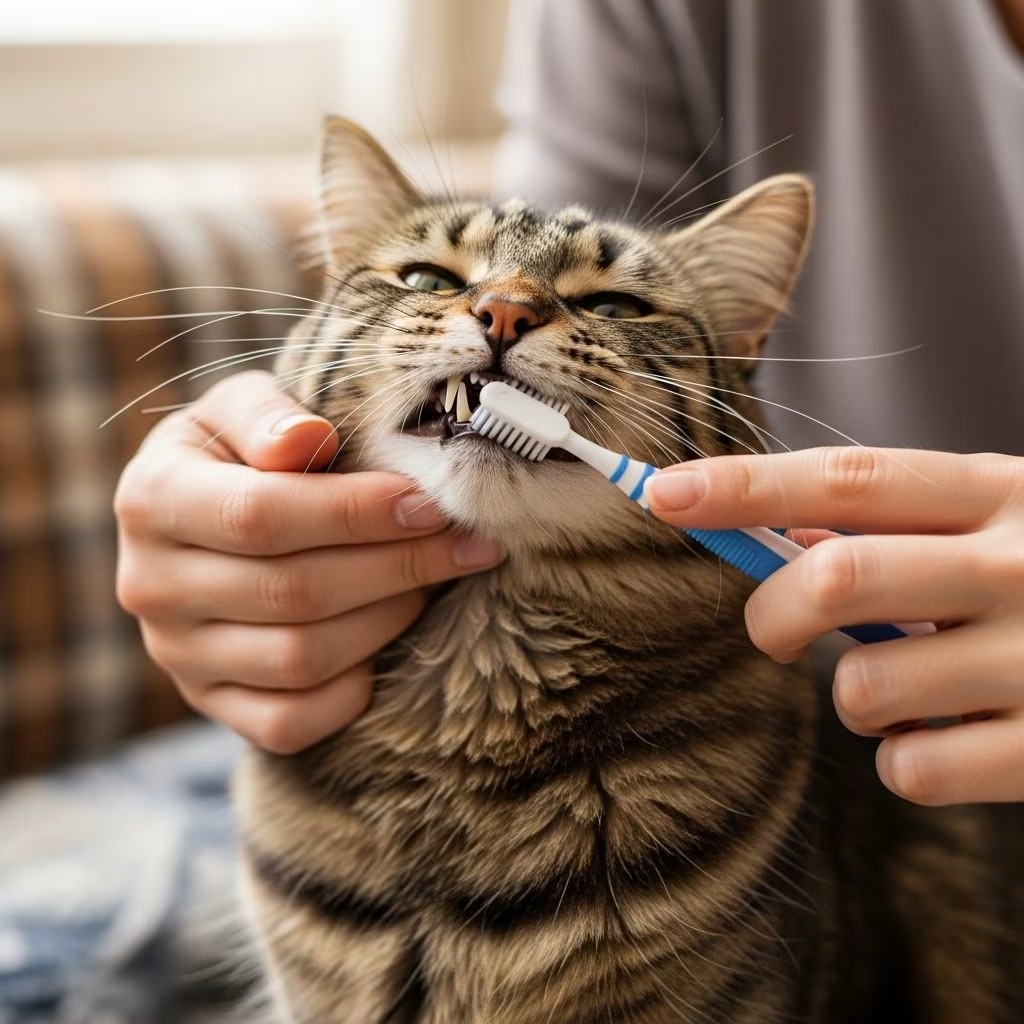
How to Brush Your Cat’s Teeth: A Complete Guide
Dental health is a crucial aspect of your cat’s overall wellness, yet it’s often overlooked by pet owners. Just like humans, cats accumulate plaque and tartar on their teeth, which can lead to serious dental disease, gum inflammation, and even tooth loss if left untreated. Regular tooth brushing is one of the most effective ways to prevent these problems and keep your feline friend’s teeth healthy for years to come. This comprehensive guide will walk you through everything you need to know about brushing your cat’s teeth at home, from preparation and acclimatization to the actual brushing technique.
Why Cat Dental Care Matters
Many cat owners don’t realize that plaque begins to harden into tartar within 24 hours of forming on your cat’s teeth. Once tartar develops, it cannot be removed by brushing alone and requires professional veterinary cleaning under anesthesia. By establishing a regular brushing routine, you can prevent plaque buildup before it becomes a more serious problem. Dental disease in cats can lead to pain, difficulty eating, and potential systemic health issues, so maintaining oral hygiene is essential for your cat’s quality of life.
Understanding What Brushing Can and Cannot Do
Before you begin, it’s important to understand the limitations of home brushing. While regular brushing is highly beneficial, it addresses only certain aspects of dental care.
What Brushing Can Remove:
- Soft plaque and food debris
- Bacteria on the tooth surfaces
- Early-stage buildup on tooth exteriors
What Requires Professional Veterinary Care:
- Hardened tartar (yellow or brown buildup)
- Gingivitis or bleeding gums
- Loose or broken teeth
- Foul-smelling breath accompanied by inflammation or swelling
- Signs of pain during eating or brushing
If your cat already shows visible tartar or signs of dental disease, schedule a professional dental cleaning with your veterinarian. Your vet can safely scale the teeth, assess gum health, and treat any underlying dental issues under anesthesia.
Step 1: Choose the Right Tools and Products
Selecting appropriate tools and products is the foundation of successful home dental care. The right equipment can make the process easier for both you and your cat.
Toothbrush Options
You have several choices when it comes to brushing tools. It’s best to use a toothbrush specifically designed for cats, as these brushes feature smaller heads and softer bristles to accommodate your cat’s sensitive mouth. However, if your cat resists a traditional toothbrush, don’t worry—alternatives work just as well:
- Finger toothbrushes (small rubber covers that fit over your finger with soft bristles)
- Gauze squares or soft cloth wrapped around your finger
- Small pieces of washcloth
The most important factor is choosing a tool that your cat will tolerate. Some cats prefer gauze or cloth to a brush, and that’s perfectly acceptable.
Toothpaste Selection
Never use human toothpaste on your cat, as it can be harmful and toxic to felines. Instead, select a veterinary-approved feline toothpaste. Many cat-specific toothpastes come in flavors like poultry or seafood that cats enjoy. Look for products approved by the Veterinary Oral Health Council (VOHC) to ensure quality and effectiveness.
Step 2: Prepare Your Cat for Brushing
The preparation phase is crucial for success. Taking time to acclimate your cat to dental care will make the actual brushing much easier and less stressful for both of you. This phase can take weeks or even months, but patience pays off.
Create a Calm Environment
Start by establishing a relaxed, comfortable setting for dental care. Choose a time when your cat is already calm and content—perhaps after playtime or feeding. Pet your cat gently and ensure they’re in a relaxed state before attempting any mouth handling.
Introduce Toothpaste as a Treat
Begin by letting your cat become familiar with the toothpaste taste and texture. Allow your cat to lick toothpaste directly from your finger for several days, even up to a week. This creates a positive association with the product and helps your cat accept it in their mouth. Reward this behavior with praise and treats.
Practice Gentle Mouth Handling
Gradually progress from simply petting your cat to gently touching around their mouth and lips. Slowly lift your cat’s lips slightly to familiarize them with having their mouth handled. Use your fingers to gently rub along the outside of the teeth and gums in a circular motion. This step may take several sessions, and that’s perfectly normal. If your cat shows resistance, stop the session and try again the next day.
Introduce the Gauze or Cloth
Once your cat is comfortable with your fingers in their mouth, wrap a moist, soft gauze sponge around your finger and gently move it along their teeth and gums in circular motions. The texture of gauze helps remove soft plaque while your cat becomes accustomed to the sensation.
Step 3: Introduce the Toothbrush
After your cat has accepted mouth handling and gauze, you can introduce the actual toothbrush. This should be a gradual process.
Familiarization Phase
Bring out the toothbrush and let your cat see and smell it. Touch it gently to your cat’s face and under the lips, allowing them time to acclimate to this new tool. Praise your cat for accepting the brush.
Taste Introduction
Apply your cat-specific toothpaste to the brush and allow your cat to lick it off. This helps them associate the brush with the pleasant-tasting paste they’ve already learned to enjoy. Continue rewarding with treats and praise.
Step 4: Master the Brushing Technique
Once your cat is comfortable with the toothbrush and toothpaste, you’re ready to begin actual brushing. Proper technique is essential for effective cleaning and your cat’s comfort.
Position and Angle
Approach your cat from behind and position their head at a 45-degree angle. Gently lift or peel back their upper lip to expose the teeth. Your cat should remain relatively calm and secure in your lap or on a comfortable surface.
Brushing Motion
Use gentle, circular motions along the gum line where the teeth meet the gums. This is where plaque accumulates most readily. Focus primarily on the outer surfaces of the teeth—the surfaces facing the cheeks. Your cat’s tongue naturally cleans the inner surfaces, so you don’t need to worry about reaching those areas.
Target Areas
Concentrate on the canine teeth and the large premolars inside the cheek, as these areas tend to accumulate the most plaque and tartar. Start with just a few outer teeth during initial sessions, and gradually increase coverage as your cat becomes more comfortable.
Duration and Frequency
Keep brushing sessions short—aim for about 30 seconds per side of the mouth or roughly 2-3 minutes for the entire mouth. Brushing should never take more than one minute initially. End the session before your cat becomes fussy, even if you’ve only brushed a few teeth. It’s better to have brief, positive sessions than lengthy, stressful ones.
Important Sensitivity Consideration
Be extremely gentle near the vomeronasal organ (also called Jacobson’s organ), located behind your cat’s upper front teeth. This area is very sensitive, so avoid applying firm pressure there. A couple of light passes over the front teeth is sufficient.
Establishing a Brushing Routine
Consistency is key to maintaining your cat’s dental health. Ideally, brush your cat’s teeth daily or at least every 1-2 days. Since plaque hardens into tartar within 24 hours, regular brushing prevents this hardening process.
Building the Habit
- Brush at the same time each day for consistency
- Make it part of your cat’s regular care routine
- Keep sessions short and positive
- Never force brushing if your cat is extremely resistant
- Gradually extend brushing duration as your cat becomes more comfortable
Alternative Methods: Dental Wipes and Other Tools
If your cat continues to resist traditional brushing, dental wipes offer a viable alternative. Wipes are often better tolerated than brushing and effectively help remove plaque. Approach your cat from behind and on the side with the wipe secured over your finger, using similar circular motions along the gum line.
Tips for Success
Use Positive Reinforcement Throughout
Never underestimate the power of rewards. Praise your cat enthusiastically and offer treats after each brushing session, even if you’ve only managed to brush a few teeth. This positive association makes future sessions easier.
Progress Gradually
Remember that this process unfolds over weeks, not days. If your cat is very nervous or head-shy, start extremely slowly by simply holding their head still and looking under their lips before attempting any brushing. Expect that early sessions might involve minimal actual tooth contact.
Don’t Aim for Perfection
Focus on consistency rather than achieving a perfect clean. Both you and your cat will improve with practice. Even occasional brushing is better than none, though daily brushing provides optimal benefits.
Young Cats Have an Advantage
Cats are never too young to start having their teeth brushed; in fact, starting young makes the process easier since they’re still developing their habits. If you have a kitten, begin brushing early to establish it as a normal part of their routine.
When to Seek Professional Help
If your cat shows any of the following signs, contact your veterinarian:
- Visible brown or yellow tartar buildup
- Red or swollen gums
- Bleeding from the mouth
- Bad breath with signs of inflammation
- Pain or resistance when eating
- Loose or broken teeth
Your veterinarian can assess whether professional cleaning is necessary and address any underlying dental disease.
FAQs About Cat Teeth Brushing
Q: How often should I brush my cat’s teeth?
A: Ideally, brush your cat’s teeth daily or at least every 1-2 days. Since plaque hardens into tartar within 24 hours, frequent brushing is essential for prevention.
Q: Can I use human toothpaste on my cat?
A: No, never use human toothpaste on cats as it can be toxic and harmful. Always use veterinary-approved feline toothpaste specifically formulated for cats.
Q: What should I do if my cat refuses to let me brush their teeth?
A: If your cat strongly resists brushing, try alternative methods such as dental wipes, use a different brushing tool (gauge, cloth, or finger brush), or consult your veterinarian for additional suggestions. Progress gradually and avoid forcing your cat.
Q: Is it ever too late to start brushing my cat’s teeth?
A: It’s never too late, though kittens and young cats adapt more easily to the routine. Even older cats can learn to accept brushing with patience and positive reinforcement.
Q: Do I need to brush the inside surfaces of my cat’s teeth?
A: No, you don’t need to pry your cat’s mouth open to brush the inside surfaces. Most tartar forms on the outside surfaces, and your cat’s tongue naturally cleans the inside.
Q: What tools do I need to start brushing my cat’s teeth?
A: You’ll need a cat-specific toothbrush or alternative tool (finger brush, gauze, or cloth) and veterinary-approved feline toothpaste. Many cats tolerate gauze or cloth as well as or better than traditional brushes.
Q: Can I use a regular toothbrush designed for humans?
A: It’s best to use a toothbrush specifically designed for cats, as they have smaller heads and softer bristles suited to feline mouths. However, alternatives like gauze or cloth work just as well if your cat prefers them.
References
- How to Brush Your Cat’s Teeth — Cat Friendly. Accessed 2025. https://catfriendly.com/how-to-brush-your-cats-teeth/
- How to Brush Your Cats Teeth At Home — Cats Only Veterinary Clinic. Accessed 2025. https://catsonlyvc.com/how-to-brush-your-cats-teeth-at-home/
- How To Brush Your Cat’s Teeth Using the Calm & Cozy Cat Wrap — Calm Cozy Cat. Accessed 2025. https://calmcozycat.com/blogs/tutorials/how-to-brush-cat-teeth-using-the-calm-cozy-cat-wrap
- How to Brush a Cat’s Teeth: 7 Tips for a Positive Experience — CareCredit. Accessed 2025. https://www.carecredit.com/well-u/pet-care/how-to-brush-cat-teeth/
- At-Home Cat Teeth Cleaning: How to Brush Cats’ Teeth — Chewy. Accessed 2025. https://www.chewy.com/education/cat/health-and-wellness/brush-cat-teeth-healthy-pet
- How to Brush Your Cat’s Teeth — Dupont Veterinary Clinic. Accessed 2025. https://dupontvetclinic.com/how-to-brush-your-cats-teeth/
- Brushing Your Cat’s Teeth — Today’s Veterinary Nurse. 2019. https://todaysveterinarynurse.com/wp-content/uploads/sites/3/2019/02/TVN-2019_Brushing_Cat_Teeth.pdf



