

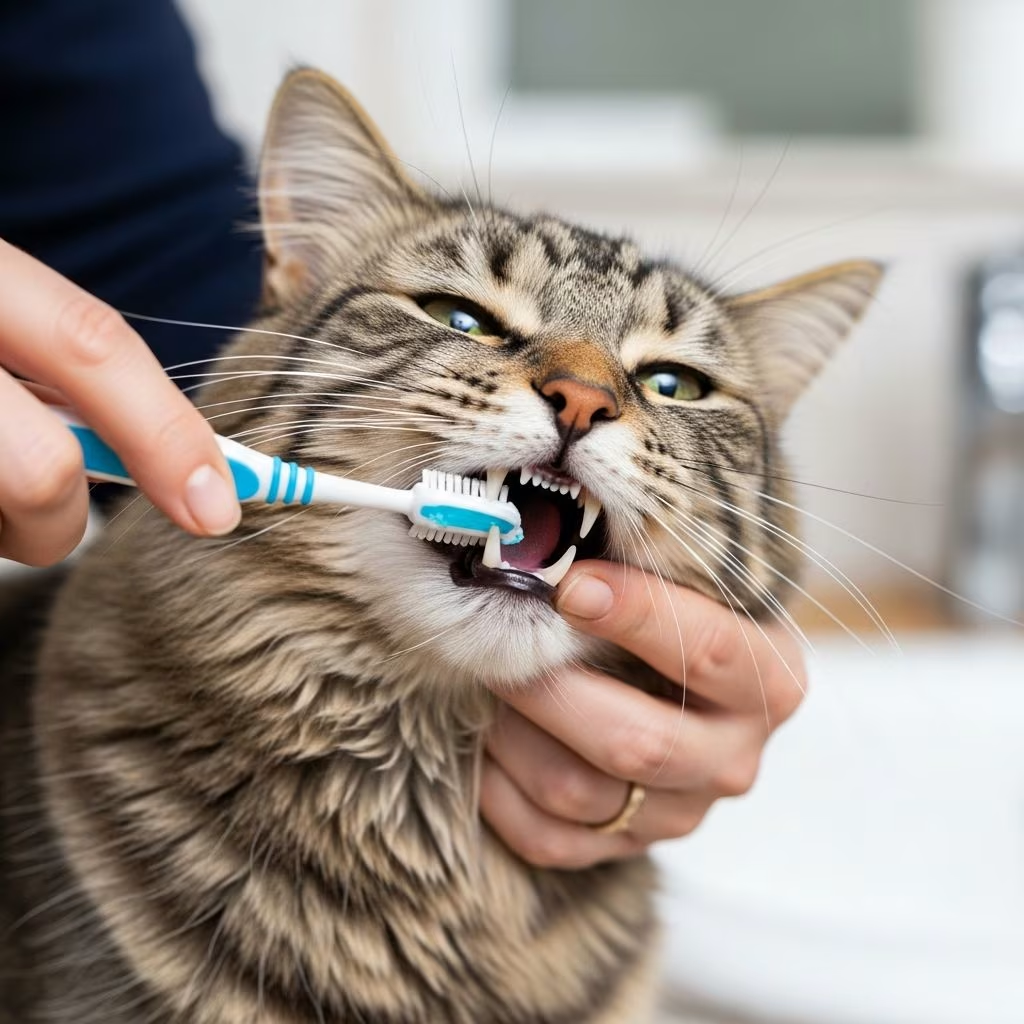
How to Brush Your Cat’s Teeth: A Complete Guide to Feline Dental Health
Cat dental health is often overlooked by pet parents, yet it’s one of the most critical aspects of your feline companion’s overall wellbeing. Just like humans, cats require consistent oral care to prevent painful dental diseases and maintain a healthy mouth. Brushing your cat’s teeth at home is the most effective way to prevent periodontal disease and other dental problems. While the idea of brushing your cat’s teeth might seem daunting, with the right approach, tools, and patience, it can become a manageable part of your regular pet care routine.
Why Brushing Your Cat’s Teeth Matters
Many cat owners are unaware of just how important dental hygiene is for their pets. Cats are prone to the same dental issues that affect humans, including plaque buildup, tartar accumulation, and gum disease. Without regular dental care, these issues can progress to more serious conditions like periodontal disease, which not only causes pain and discomfort but can also affect your cat’s ability to eat and impact their overall health.
The good news is that regular teeth brushing can significantly reduce the risk of these dental problems. By removing plaque before it hardens into tartar, you’re taking a proactive approach to your cat’s oral health. Professional veterinarians consistently recommend daily brushing as the gold standard, though brushing several times a week can still provide substantial benefits.
What You’ll Need to Brush Your Cat’s Teeth
Before starting your cat’s dental care routine, it’s essential to gather the proper supplies. Using the right tools makes the process easier and more comfortable for your cat. Here’s what you’ll need:
- Cat-specific toothbrush: Choose a small, soft-bristled toothbrush designed specifically for cats. Options include traditional cat toothbrushes or finger brushes, which some pet parents find easier to control and less intimidating for their cats.
- Cat-specific toothpaste: Never use human toothpaste, as it can be harmful to cats. Look for enzymatic toothpastes formulated for felines, available in flavors like poultry, beef, or seafood that cats typically enjoy.
- Dental gauze or wipes: These can be alternatives to toothbrushes and are particularly useful if your cat resists traditional brushing.
- Treats and rewards: Have plenty of treats on hand to reward your cat after brushing sessions. Positive reinforcement is crucial for building a positive association with dental care.
- Comfortable setting: Designate a quiet, comfortable space where you can sit with your cat in your lap during brushing sessions.
It’s important to emphasize that using human toothpaste or toothbrushes is not suitable for cats. Human toothpaste often contains ingredients that can be toxic to felines, and the bristles on human toothbrushes may be too stiff for a cat’s sensitive mouth.
How to Brush Your Cat’s Teeth: Step-by-Step Instructions
Successfully brushing your cat’s teeth requires patience, preparation, and a gradual approach. Rushing the process can create negative associations and make your cat resistant to future dental care attempts. Here’s a detailed breakdown of how to introduce your cat to teeth brushing:
Step 1: Practice Lifting Your Cat’s Lips
The first step in preparing your cat for teeth brushing is getting them comfortable with having their mouth and teeth touched. Sit down with your cat in a comfortable position on your lap with treats nearby. Gently pet their head and face, then slowly lift their lip to expose their teeth. Let your cat see and feel what’s happening, and reward them with treats and praise after just a few seconds. Repeat this process over several days until your cat remains relaxed and comfortable throughout. This foundational step is crucial for building trust and reducing anxiety.
Step 2: Introduce Your Cat to Toothbrushing Supplies
Once your cat is comfortable with lip lifting, introduce them to the toothpaste and toothbrush. Place a tiny bit of cat toothpaste on your finger and allow your cat to taste it. Most cats enjoy the flavor, which can actually make the process easier. Let your cat investigate and become familiar with their toothbrush during this stage. Don’t brush yet—simply allow them to get accustomed to the taste and feel of the supplies. Spend several days on this step, always ending with treats and praise.
Step 3: Get Brushing
Now it’s time to begin gentle brushing. Place your cat in your lap, lift their lips, and use your toothbrush to gently brush the cheek-facing surface of their teeth. Start with just the large canine teeth in the front of their mouth. Use gentle, circular motions along the gumline. Keep these initial sessions very short—even just brushing a few teeth counts as a success. End each session before your cat becomes fussy or uncomfortable. Remember that a quick, stress-free brush is far more valuable than a lengthy session that damages your cat’s trust.
Step 4: Work Up to a Full Cleaning
As your cat accepts having their front teeth brushed, gradually increase the number of teeth you clean during each session. Over time, work your way toward the back molars, where most plaque and tartar accumulate. This progression may take several weeks or even months, depending on your individual cat’s comfort level. The goal is to eventually brush all of your cat’s teeth, working from front to back. However, if your cat shows signs of stress or resistance, it’s better to maintain a shorter routine than to force a comprehensive session.
Step 5: Establish Consistency
Once your cat is comfortable with the brushing process, aim for daily brushing sessions. Each session should take approximately 30 seconds to one minute. This consistency is key to maintaining your cat’s oral health. However, if daily brushing isn’t possible, brushing several times per week will still provide significant benefits. The important thing is regular maintenance—missing an occasional day is fine, but going days or weeks without brushing allows plaque to harden into stubborn tartar.
How Often Should You Brush Your Cat’s Teeth?
The ideal frequency for brushing your cat’s teeth is daily. Plaque can begin to harden into tartar in just 24 to 48 hours, so frequent brushing is essential for preventing buildup. Daily brushing takes only about 30 seconds, making it an achievable goal for most pet parents. However, if daily brushing isn’t realistic for your household, brushing at least every other day can still be effective.
Anything less frequently than every other day won’t provide sufficient protection against plaque and tartar accumulation. If you miss a day here and there, don’t worry—consistency over time is what matters most. The key is to establish a routine that works for you and your cat, ensuring that dental care becomes a regular part of your pet care regimen.
Duration of Brushing Sessions
One of the most encouraging aspects of cat teeth brushing is that you don’t need lengthy sessions to see results. A minute-long brush should be plenty of time to remove plaque buildup effectively. In fact, shorter sessions are often more successful because they’re less likely to cause stress or resistance in your cat. Quality matters more than quantity—a consistent, gentle 30-second to one-minute session is far more effective than an occasional forceful attempt to brush all your cat’s teeth at once.
Alternative Dental Care Options
While brushing is the most effective method for maintaining cat dental health, several complementary approaches can support your efforts:
Dental Wipes and Gels
For cats that resist toothbrush brushing, dental wipes or gels can be a valuable alternative. These veterinary-approved products can be gently swabbed or massaged onto your cat’s teeth and gums. While not as effective as traditional brushing, they can help reduce plaque buildup when brushing isn’t an option.
Dental Treats and Chew Toys
Dental treats designed to promote oral health and chew toys can help reduce tartar naturally. These work by mechanically removing plaque as your cat chews. While they shouldn’t replace brushing, they’re an excellent supplementary tool.
Water Additives
Some pet parents use dental water additives that help maintain oral health. These products are added to your cat’s drinking water and work continuously throughout the day. However, they work best in combination with regular brushing.
Dietary Considerations
Avoid feeding sticky or sugary treats that contribute to plaque formation. Some dry foods can also help reduce tartar, though they shouldn’t be considered a replacement for active dental care.
When to Start Brushing Your Cat’s Teeth
The best time to start brushing your cat’s teeth is when they’re a kitten. Young kittens have clean teeth, and introducing them to dental care early establishes it as a normal part of their routine. Cats that grow up with regular teeth brushing often have fewer behavioral issues around the practice. However, it’s never too late to start—adult and senior cats can learn to accept and even enjoy teeth brushing with patience and positive reinforcement.
Professional Dental Cleanings
In addition to at-home brushing, professional veterinary dental cleanings play an important role in maintaining your cat’s oral health. While the frequency varies depending on your individual cat’s needs, veterinarians generally recommend professional cleanings every 1 to 2 years. These professional treatments remove tartar and plaque that home brushing alone may not completely address. Your veterinarian can assess your cat’s specific dental needs and recommend an appropriate cleaning schedule.
Tips for Success
Making teeth brushing successful for your cat requires strategy and consistency. Here are key tips for establishing a positive dental care routine:
- Start slowly and gradually: Don’t rush the introduction process. Spend as much time as needed on each step before progressing.
- Be organized and efficient: Have all your supplies ready before starting. Cats often dislike having their mouths manipulated, so being prepared and quick reduces stress.
- Use positive reinforcement: Always end sessions with treats, praise, and affection. Create a positive association with dental care.
- Stay consistent: Establish a regular schedule for brushing. Consistency is more important than duration.
- Don’t force the process: If your cat is genuinely distressed, take a break and try again another day. Forcing brushing can damage your relationship with your cat.
- Consult your veterinarian: Work with your vet to develop a customized dental care plan for your cat’s specific needs.
Frequently Asked Questions
Q: Can I use human toothpaste on my cat?
A: No, human toothpaste should never be used on cats. It can contain harmful ingredients and fluoride that may be toxic to felines. Always use toothpaste specifically formulated for cats.
Q: How long does it take to train a cat to accept teeth brushing?
A: The timeline varies by individual cat. Some cats may accept brushing within a few weeks, while others may need several months of gradual introduction. Patience is essential.
Q: What should I do if my cat refuses to have their teeth brushed?
A: If your cat strongly resists, try alternatives like dental wipes, gels, or water additives. Consult your veterinarian about options that might work better for your specific cat.
Q: Is professional dental cleaning necessary if I brush at home?
A: While home brushing is essential, professional cleanings every 1 to 2 years are still recommended to address tartar and plaque that home care may not completely remove.
Q: How can I tell if my cat has dental problems?
A: Signs of dental disease include bad breath, difficulty eating, drooling, swollen gums, or visible tartar on teeth. Contact your veterinarian if you notice any of these symptoms.
Q: Are dental treats effective for cats?
A: Dental treats can help reduce plaque when your cat chews them, but they shouldn’t replace regular brushing. They work best as a supplementary tool in your cat’s overall dental care routine.
References
- How To Keep Cat Teeth Clean: 7 Dental Care Tips From Vets — Chewy. 2024. https://www.chewy.com/education/cat/health-and-wellness/how-to-keep-cat-teeth-clean
- How To Brush Cats’ Teeth — PetMD. 2024. https://www.petmd.com/cat/general-health/how-to-brush-cats-teeth
- At-Home Cat Teeth Cleaning: How to Brush Cats’ Teeth — Chewy. 2024. https://www.chewy.com/education/cat/health-and-wellness/brush-cat-teeth-healthy-pet
- Cat Dental Cleanings: Are They Necessary? — Chewy. 2024. https://www.chewy.com/education/cat/health-and-wellness/is-professional-teeth-cleaning-necessary-for-adult-cats



