

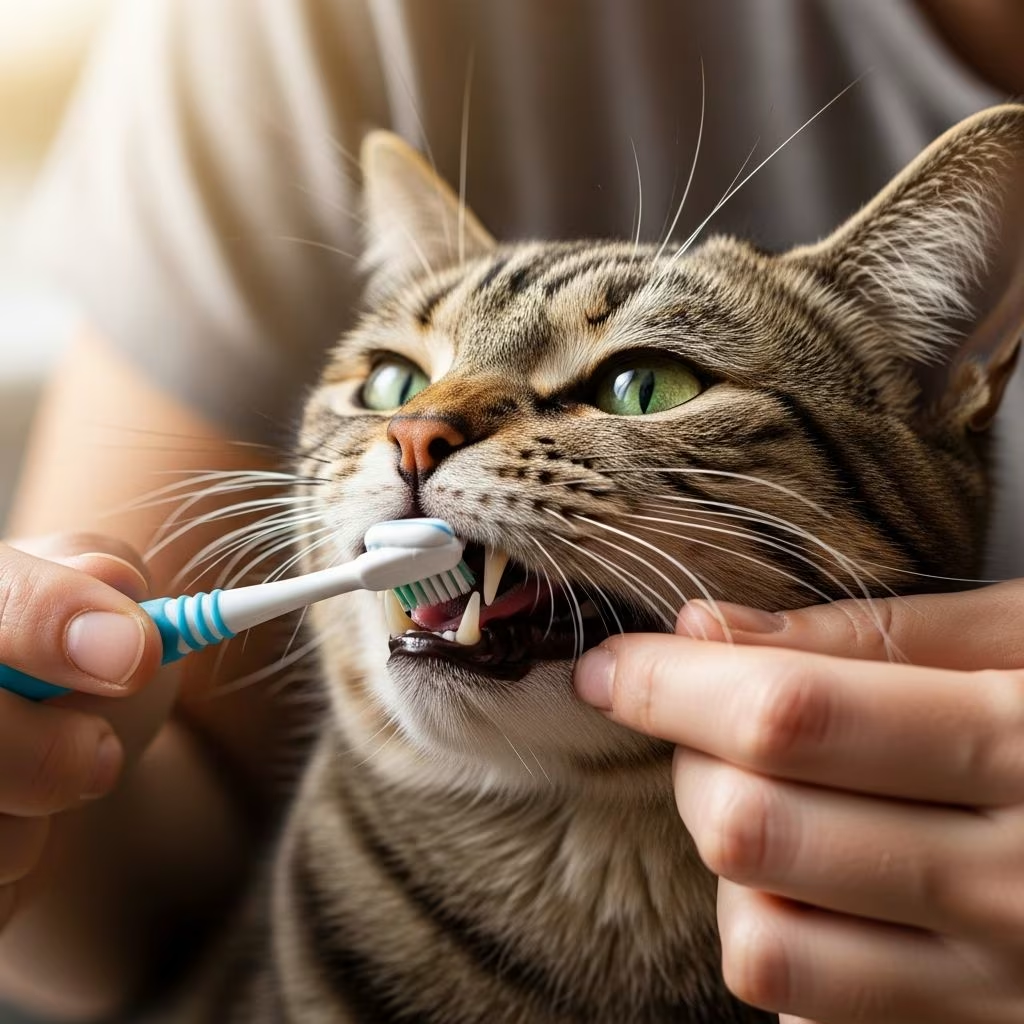
Brushing your cat’s teeth is one of the most effective ways to prevent dental disease, which affects a significant number of cats as they age. Regular brushing removes plaque before it hardens into tartar, reducing the risk of gingivitis, periodontal disease, and tooth loss. Starting early with kittens makes the process easier, but adult cats can learn too with patience and positive reinforcement. This guide covers everything from preparation to advanced techniques, ensuring a stress-free experience for you and your feline companion.
Why Brush Your Cat’s Teeth?
Dental health is crucial for cats, as poor oral hygiene can lead to painful conditions that impact eating, grooming, and overall well-being. According to veterinary experts, up to 70% of cats over three years old show signs of dental disease, including plaque buildup, inflamed gums, and bad breath.Daily brushing disrupts plaque formation, which begins to harden within 24-36 hours into tartar that cannot be removed at home.
Benefits include fresher breath, healthier gums, and fewer veterinary dental cleanings, which often require anesthesia. Brushing also allows early detection of issues like broken teeth or abscesses. While treats and water additives help, they don’t replace mechanical brushing, the gold standard for prevention.
- Prevents plaque and tartar accumulation on tooth surfaces.
- Reduces risk of painful gum infections and tooth resorption.
- Promotes overall health by avoiding bacterial spread to organs like the heart and kidneys.
- Saves money on expensive professional cleanings.
What You’ll Need
Gathering the right tools ensures safe and effective brushing. Avoid human products, as they contain harmful ingredients like xylitol and fluoride in high amounts for cats.
| Item | Description | Why It’s Essential |
|---|---|---|
| Cat-Specific Toothbrush | Small, soft-bristled brush or finger brush (e.g., dual-ended nylon/silicone). | Fits cat’s small mouth; gentle on enamel and gums. |
| Enzymatic Toothpaste | Poultry, beef, or seafood-flavored gels (e.g., Virbac C.E.T.). | Enzymes break down plaque; palatable taste encourages acceptance. |
| Gauze or Cotton Swabs | Plain or flavored dental wipes. | Ideal for beginners; abrasive enough for plaque removal. |
| Treats | High-value rewards like freeze-dried chicken. | Positive reinforcement builds tolerance. |
Start with gauze if your cat resists brushes. Sessions should last no more than 1-2 minutes to keep stress low.
Preparation: Get Your Cat Comfortable
Success hinges on desensitization. Cats associate mouth handling with vet visits, so build positive associations gradually over days or weeks.
- Daily Touch Sessions: Pet your cat in a quiet room. Gently stroke their face, then lift lips to touch teeth and gums for 5-10 seconds. Reward immediately if calm.
- Finger Brushing: Run a clean finger along gums in circular motions. Progress to moistened gauze wrapped around your finger.
- Introduce Tools: Let your cat sniff the toothbrush and lick toothpaste off your finger. Praise lavishly.
If resistance occurs, stop and retry later. Aim for 30 seconds of comfort before advancing. Nervous cats may need slower starts, like just holding the head.
Step-by-Step Guide to Brushing
Once comfortable, begin actual cleaning. Approach from behind or side to avoid startling your cat. Hold at a 45-degree angle, focusing on outer surfaces where tartar forms most.
Step 1: Apply Toothpaste
Place a pea-sized amount on the brush or gauze. Let your cat taste it first to build familiarity.
Step 2: Position Your Cat
Sit with cat in lap facing away. Gently tilt head back, peel back lips without forcing the mouth open.
Step 3: Brush Technique
- Use circular motions along the gumline, where plaque hides.
- Start with canines and cheek teeth; ignore inner surfaces (tongue cleans them).
- Spend 30 seconds per side, totaling 1-2 minutes daily or every other day.
Focus on back molars, plaque hotspots. Rinse brush between sessions.
Alternatives if Brushing Fails
Not all cats tolerate brushes. Try:
- Dental Wipes: Finger-secured wipes for quick plaque swipe.
- Finger Brush: Slips over finger for control.
- Water Additives/Treats: Supplements, not substitutes.
How Often Should You Brush?
Ideal: Daily for 2-3 minutes to prevent plaque hardening. Every other day maintains benefits if daily isn’t feasible. Kittens can start young for lifelong habits. Track progress; schedule vet checkups twice yearly for professional assessment.
Tips for Success
- Keep sessions short and positive—end on a high note with treats.
- Use flavored products your cat loves.
- Brush after meals when plaque is soft.
- Watch body language: Ears back or swatting means stop.
- Combine with diet: Dental kibble aids scraping.
- Patience pays off—full acclimation may take weeks to months.
For head-shy cats, start with play sessions involving face rubs. Video demos from vets can help visualize techniques.
Common Mistakes to Avoid
Steer clear of these pitfalls for better results:
- Using human toothpaste—toxic to cats.
- Forcing the mouth open—focus on exteriors only.
- Over-brushing sessions—keep under 1 minute.
- Skipping rewards—negative associations lead to resistance.
- Ignoring gums—gentle massage prevents recession.
When to See a Vet
Brushing prevents but doesn’t cure disease. Seek professional care if you notice drooling, pawing at mouth, loose teeth, or foul odor. Annual exams catch issues early; cleanings under anesthesia remove tartar fully. Home care complements vet dentistry.
Frequently Asked Questions (FAQs)
Can I use a regular toothbrush for my cat?
No, opt for cat-specific brushes. They are smaller with softer bristles to suit sensitive mouths and prevent injury.
How long does it take to train a cat to accept brushing?
Weeks to months, depending on the cat. Consistency and rewards speed it up.
Is human toothpaste safe for cats?
Absolutely not—it contains xylitol and high fluoride, which can cause poisoning.
What if my cat hates the toothbrush?
Use gauze, wipes, or finger brushes as gentler starters.
How do I know if brushing is working?
Look for cleaner teeth, less tartar, pink gums, and fresh breath. Vet confirmation is best.
Advanced Dental Care Tips
Beyond brushing, integrate:
- VOHC-approved treats/diets for plaque control.
- Regular lip checks for abnormalities.
- COHAT (cleaning under anesthesia) every 1-3 years if needed.
Monitor for breed predispositions—Persians and others prone to issues.
References
- How to Brush Your Cat’s Teeth — Cat Friendly Homes. Accessed 2026. https://catfriendly.com/how-to-brush-your-cats-teeth/
- How to Brush Your Cats Teeth At Home — Cats Only Veterinary Clinic. Accessed 2026. https://catsonlyvc.com/how-to-brush-your-cats-teeth-at-home/
- How To Brush Cats’ Teeth — PetMD. Accessed 2026. https://www.petmd.com/cat/general-health/how-to-brush-cats-teeth
- How to Brush a Cat’s Teeth: 7 Tips — CareCredit. Accessed 2026. https://www.carecredit.com/well-u/pet-care/how-to-brush-cat-teeth/
- At-Home Cat Teeth Cleaning — Chewy. Accessed 2026. https://www.chewy.com/education/cat/health-and-wellness/brush-cat-teeth-healthy-pet
- How to Brush Your Cat’s Teeth — Dupont Veterinary Clinic. Accessed 2026. https://dupontvetclinic.com/how-to-brush-your-cats-teeth/
- Brushing Your Cat’s Teeth — Today’s Veterinary Nurse. 2019-02. https://todaysveterinarynurse.com/wp-content/uploads/sites/3/2019/02/TVN-2019_Brushing_Cat_Teeth.pdf
- How to Brush Your Cat’s Teeth | Vet Tutorial — YouTube (Vet Tutorial). Accessed 2026. https://www.youtube.com/watch?v=3dBySVcgIYI



