

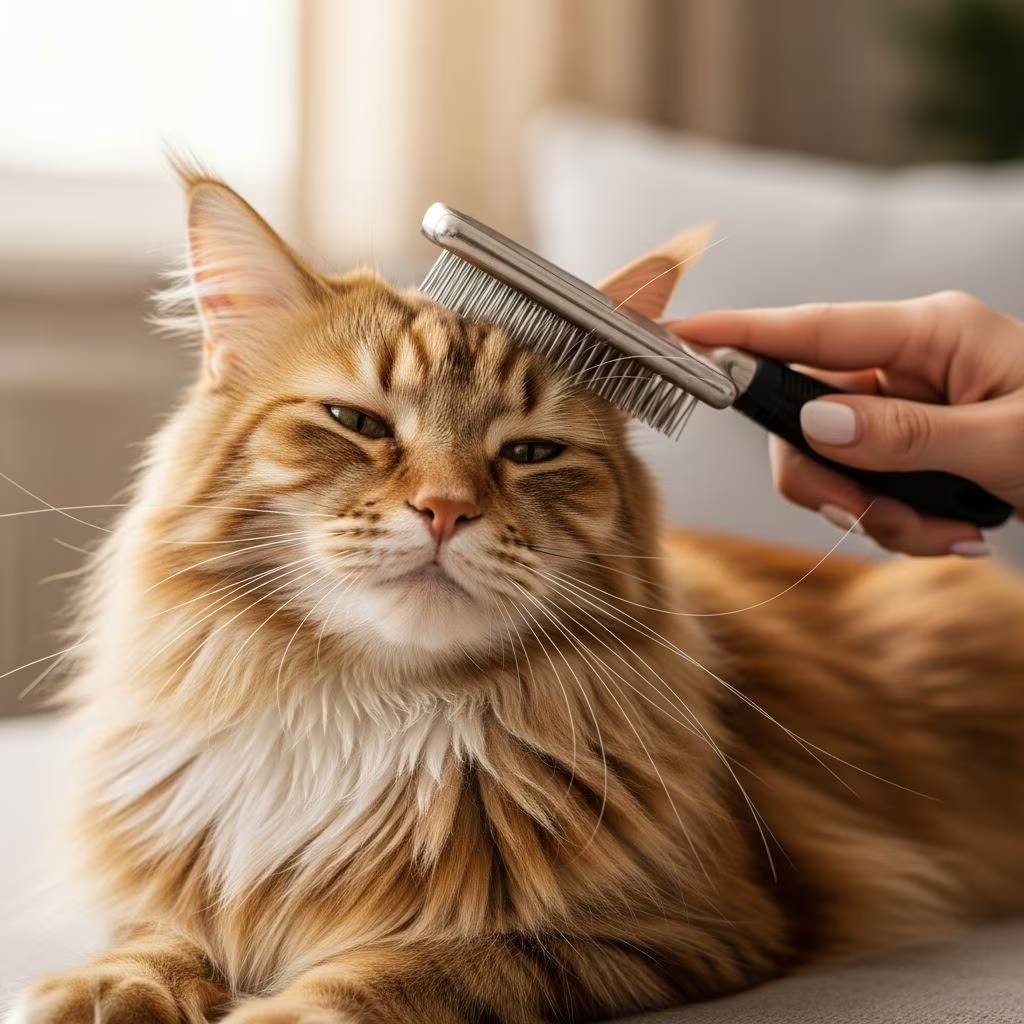
How to Brush a Cat: Complete Guide to Feline Grooming
Grooming is an essential aspect of cat care that extends far beyond maintaining a beautiful coat. Regular brushing not only keeps your feline companion looking pristine but also plays a vital role in their overall health and well-being. When done correctly and consistently, brushing removes dirt, grease, and dead hair from your cat’s coat, while simultaneously stimulating blood circulation and promoting a healthier skin condition. This comprehensive guide will walk you through everything you need to know about brushing your cat, from selecting the right tools to mastering various grooming techniques.
Why Brushing Your Cat Matters
Understanding the importance of regular brushing helps reinforce why this grooming habit should be part of your routine pet care. Brushing your cat not only removes dirt, grease and dead hair from her coat, but it helps to remove skin flakes and stimulates blood circulation, improving the overall condition of her skin. Beyond the physical benefits, regular grooming sessions provide an excellent opportunity to bond with your cat and monitor their health by checking for any unusual skin conditions, lumps, or parasites.
One or two brushings per week will help kitty to keep her healthy glow—and you’ll find that regular sessions are especially beneficial when your cat ages and is no longer able to groom so meticulously on her own. As cats mature, their self-grooming abilities may diminish, making your assistance increasingly valuable. Additionally, regular brushing can significantly reduce the amount of hair shed around your home and minimize hairballs, which are common concerns for cat owners.
Essential Grooming Tools and Supplies
Before you begin brushing your cat, it’s important to have the right tools on hand. Different coat types and grooming needs require specific implements, and investing in quality grooming supplies will make the process more effective and comfortable for both you and your feline friend.
Tools for Short-Haired Cats
For short-haired cats, a metal comb is an excellent primary tool. Metal combs work through the fur efficiently to remove dirt and debris while being gentle on the skin. A rubber brush can be especially effective for removing dead hair on cats with short fur, providing a gentler alternative that many cats find more comfortable. These tools allow you to work systematically through your cat’s coat while maintaining control and precision.
Tools for Long-Haired Cats
Long-haired cats require more specialized grooming tools to manage their thicker coats. You’ll want to have a wide-tooth comb for initial detangling, a slicker brush for general grooming, and a mat-splitter for any stubborn knots. Long-haired cats who live indoors shed throughout the year and need grooming sessions every few days to remove dead hair and prevent tangles. Having these varied tools ensures you can address different grooming challenges as they arise throughout the year.
Brushing Techniques for Short-Haired Cats
Short-haired cats generally require less intensive grooming than their long-haired counterparts, but proper technique is still essential for effective results. With a metal comb, work the brush through your cat’s fur from head to tail to remove dirt and debris. Work along the lie of her fur, brushing in the direction the coat grows. Brush all over her body, including her chest and abdomen, concentrating on one section at a time to remove dead hair and tangles. This methodical approach ensures you don’t miss any areas and allows you to assess your cat’s skin condition as you work.
Starting from the head and working toward the tail follows the natural direction of hair growth, making the process more comfortable for your cat and more effective at capturing loose hair. Pay special attention to areas where tangles commonly form, such as around the ears, under the arms, and in the abdominal region. The chest and abdomen can be particularly sensitive areas, so use gentle, light pressure when brushing these zones.
Brushing Techniques for Long-Haired Cats
Long-haired cats require a more detailed grooming approach to maintain their coats and prevent matting. Start with her abdomen and legs, gently combing the fur upward toward her head. This upward motion helps lift the coat and allows you to work through the denser undercoat more effectively. The abdominal area and inner legs are particularly prone to matting, so these regions deserve your careful attention.
Comb the neck fur upward, toward her chin, working methodically through any tangles before moving to other areas. Make a part down the middle of her tail and gently brush out the fur on either side, as the tail can collect significant mats if left unattended. This technique ensures both sides of the tail are properly groomed and reduces the likelihood of painful tangles forming.
Handling Stubborn Mats and Tangles
When you encounter stubborn tangles, proper removal techniques prevent pain and damage to your cat’s coat. You can sprinkle talcum powder over knots and gently use your fingers to tease them apart, which provides grip and helps separate tangled hair. If the knots don’t come out by hand, try using a mat-splitter, which is specifically designed to break apart mats without pulling out healthy hair. Never use scissors on mats, as you risk accidentally cutting the skin underneath, which can cause serious injury.
Step-by-Step Brushing Guide
Following a systematic approach ensures you brush your cat effectively and thoroughly. This step-by-step guide works for both short and long-haired cats, with modifications based on your specific feline’s coat type.
Step 1: Create a Comfortable Environment
Choose a quiet, comfortable location where your cat feels at ease. Many cats respond better to grooming when they’re already in a relaxed state, so consider brushing after they’ve eaten or during their natural calm periods. Having a designated grooming space helps your cat associate that location with a positive activity.
Step 2: Assess Your Cat’s Mood
Before beginning, observe your cat’s body language. If they seem stressed, anxious, or unwell, postpone grooming for another time. A willing participant makes the entire process more enjoyable for both of you. If your cat seems receptive, begin with gentle strokes to warm them up to the activity.
Step 3: Work Systematically
Start at the head and work toward the tail, moving from one side of the body to the other. This systematic approach ensures you don’t miss any areas and helps you maintain a consistent rhythm that your cat can anticipate.
Step 4: Use Proper Brushing Motion
Work along the lie of her fur, brushing in the direction the coat grows. Use gentle, smooth strokes rather than aggressive tugging, which can cause discomfort and discourage your cat from future grooming sessions. Let the brush do the work rather than applying excessive pressure.
Step 5: Take Breaks
Even cooperative cats may have limits to their patience. Take regular breaks, praise your cat for their cooperation, and offer small treats or play time as rewards. This positive reinforcement builds positive associations with grooming.
Step 6: Pay Attention to Problem Areas
Focus extra attention on areas prone to matting and tangling, such as the abdomen, inner thighs, behind the ears, and under the tail. These regions typically have denser coats that are more susceptible to problems.
Grooming Frequency Recommendations
How often you should brush your cat depends on their coat type, age, and individual shedding patterns. Establishing a regular grooming schedule helps maintain coat health and allows you to monitor your cat’s skin condition consistently.
| Coat Type | Recommended Frequency | Additional Notes |
|---|---|---|
| Short-haired cats | Once to twice per week | Increases during shedding seasons |
| Long-haired cats (indoor) | Every few days to daily | Year-round shedding requires frequent grooming |
| Long-haired cats (outdoor) | Several times per week | Depends on exposure to elements |
| Older cats | More frequent sessions | As self-grooming ability declines with age |
Additional Grooming Considerations
While coat brushing is the primary focus of feline grooming, several other aspects deserve attention to maintain your cat’s complete health and appearance.
Bathing Your Cat
Most cats are excellent self-cleaners and rarely need baths. However, when bathing is necessary, preparation is key. Gently massage your pet with a solution of one part cat shampoo (human shampoo can dry out her skin) to five parts water, working from head to tail, in the direction of hair growth. Take care to avoid the face, ears and eyes. Thoroughly rinse the shampoo off your cat with a spray hose or pitcher; again, be sure the water is lukewarm. Always use warm water, never hot, and work quickly to minimize stress.
Dental Care
Oral health is often overlooked but critically important for feline wellness. Brush your cat’s teeth at home by following these simple steps: First get your cat used to the idea of having her teeth brushed. Start by gently massaging her gums with your fingers or touching a cotton swab to them. After a few sessions, put a little bit of cat-formulated toothpaste on her lips to get her used to the taste. Introduce a toothbrush designed especially for cats—it will be smaller than human toothbrushes and have softer bristles. Apply the toothpaste to her teeth for a gentle brushing. Regular dental care prevents serious health issues and maintains fresh breath.
Nail Trimming
Regular nail maintenance prevents overgrowth and keeps your furniture safer. Most cats benefit from nail trimming every two to three weeks, though frequency depends on how quickly their nails grow and their lifestyle.
Frequently Asked Questions About Cat Brushing
Q: How do I get my cat used to being brushed if they’ve never been groomed before?
A: Start with very short sessions of just a few seconds. Gradually increase the time as your cat gets more comfortable. Use treats and praise as positive reinforcement, and let your cat set the pace. Patience and consistency are key to building positive associations with grooming.
Q: Why is my cat shedding so much even after regular brushing?
A: Excessive shedding can indicate various issues including stress, allergies, or underlying health conditions. While regular brushing significantly reduces loose hair, some shedding is normal. Consult your veterinarian if you notice abnormal hair loss or changes in your cat’s coat quality.
Q: Can I use human grooming tools on my cat?
A: No, you should use grooming tools designed specifically for cats. Human tools may be too rough for feline skin and coat, and cat-specific tools are designed with their unique needs in mind. Using inappropriate tools can cause discomfort and discourage your cat from future grooming.
Q: What should I do if my cat is resistant to brushing?
A: Respect your cat’s boundaries and take a gradual approach. Let them investigate the grooming tools, start with very gentle touches, and never force interaction. Some cats naturally resist grooming, and patience combined with positive reinforcement typically yields the best results.
Q: Is brushing necessary for indoor cats?
A: Yes, even indoor cats benefit significantly from regular brushing. Indoor cats still shed, and they cannot groom every part of their body as effectively as outdoor cats. Regular brushing maintains coat health, reduces hairballs, and keeps your living space cleaner.
Tips for Success
Making cat brushing a positive experience requires strategy and patience. Consistency in timing, location, and technique helps your cat know what to expect and reduces anxiety. Reward cooperation with treats and praise, always keeping grooming sessions positive and never punishing resistance. Watch for signs of stress or discomfort, and be willing to adjust your approach based on your individual cat’s preferences and personality.
Remember that building a grooming routine takes time, especially if your cat has no prior grooming experience. Some cats may never become enthusiasts, but most can learn to tolerate and eventually enjoy regular brushing when introduced gradually and handled gently. The investment in establishing this habit pays dividends in your cat’s health, appearance, and your bond together.
References
- Cat Grooming Tips — American Society for the Prevention of Cruelty to Animals (ASPCA). https://www.aspca.org/pet-care/cat-care/cat-grooming-tips
- Brushing Your Cat’s Teeth: A Step-By-Step Guide — Royal Canin US. https://www.royalcanin.com/us/cats/health-and-wellbeing/brushing-your-cats-teeth-a-step-by-step-guide
- Brushing Your Cat’s Teeth — VCA Animal Hospitals. https://vcahospitals.com/know-your-pet/brushing-teeth-in-cats
- Step-by-Step Guide to Brushing Your Pet’s Teeth — Gaia Vets. https://gaiavets.com/blog/dog-cat-teeth-brushing
- Step-by-Step Guide to Introduce a Brush to a Shy Cat — PawSwing. https://paw-swing.com/blogs/cat-self-groomer-reviews-stories/step-by-step-introduce-a-brush-to-a-shy-cat-fear-free
- How to Brush Your Cat’s Teeth — Purina US. https://www.purina.com/articles/cat/health/routine-care/how-to-brush-cats-teeth
- How to Brush Your Cat — Wahl USA. https://wahlusa.com/how-to/pet-grooming-guides/cat-care/brushing



