

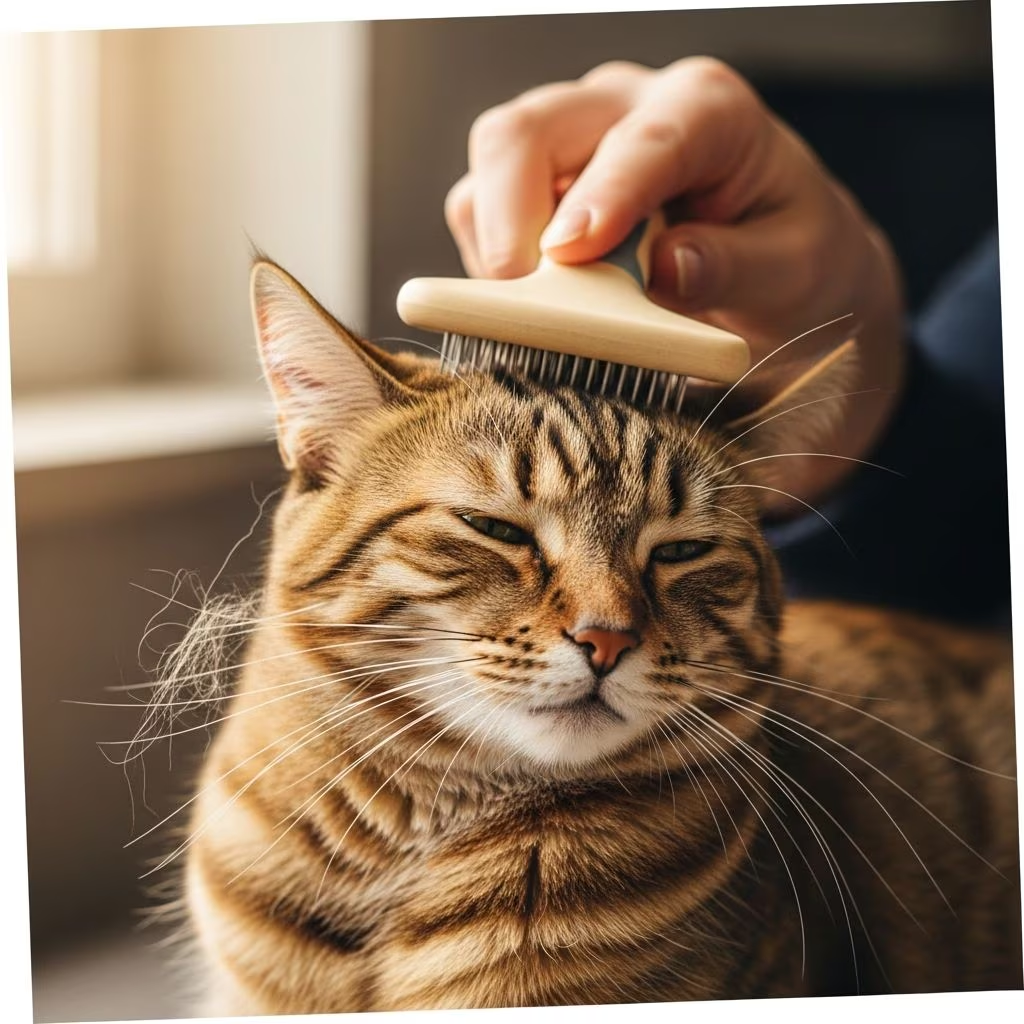
Brushing your cat is a vital grooming practice that promotes a healthy coat, minimizes shedding around the home, and strengthens the bond between you and your feline companion. While many cats self-groom effectively, regular brushing removes loose fur, distributes natural oils, prevents mats, and reduces hairball formation. This comprehensive guide outlines eight vet-verified steps to brush your cat successfully, even if they initially resist. We’ll cover selecting appropriate tools, optimal timing, techniques, frequency, and benefits to ensure your cat’s coat remains shiny and tangle-free.
Why Brush Your Cat?
Cats are meticulous groomers, but brushing provides benefits beyond their natural abilities. It removes dead hair before ingestion, significantly cutting down on hairballs that can cause discomfort or vomiting. Brushing stimulates skin circulation, spreads sebum for a glossy coat, and allows early detection of skin issues, lumps, or parasites. For long-haired breeds like Persians or Maine Coons, it’s essential to prevent painful mats that lead to skin infections. Short-haired cats benefit too, with reduced shedding on furniture and floors. Regular sessions also build trust, making vet visits less stressful as cats acclimate to handling.
1. Choose the Right Grooming Tools
Selecting the appropriate brush is crucial for comfort and effectiveness, depending on your cat’s coat type—short, medium, long, curly, or double-coated. Using the wrong tool can cause irritation or ineffectiveness. Here’s a breakdown of common types:
- Bristle Brush: Ideal for short-haired cats; soft or stiff bristles smooth the coat, remove dust, and add shine. Use as a finisher for long-haired cats.
- De-shedding Brush: Perfect for heavy shedders with double coats; pulls out undercoat without cutting skin. Best for long-haired or seasonal shedders.
- Pin Brush: Suited for medium to long hair or curly coats; gentle pins detangle without pulling.
- Double-Sided Brush: Versatile with bristles on one side and pins on the other; great for all coats, especially long-haired.
- Slicker Brush: Removes mats and tangles; fine wire pins work well but use gently on sensitive skin.
- Undercoat Rake: Targets dense undercoats prone to matting; effective for breeds like Siberian cats.
- Curry or Rubber Brush: Silicone or rubber nubs massage gently; ideal for brushing-averse cats, though less effective on tangles.
- Grooming Glove: Worn on the hand for natural petting motion; excellent for haters of traditional brushes and heavy shedders.
For multi-cat households or varied coats, consider a versatile option like the Hepper Cat Brush with angled stainless-steel bristles that massage while de-shedding efficiently. Always opt for high-quality tools with comfortable handles to avoid hand fatigue during sessions.
2. Brush at the Right Time
Timing influences success; brush when your cat is relaxed, such as post-meal, during a nap, or while lounging in a sunny spot. Avoid chaotic times like play sessions or when visitors arrive, as stress heightens resistance. Evening routines after dinner often work best, associating brushing with calm wind-down periods.
3. Start Brushing When Your Cat Is Young
Kittens adapt easiest; introduce brushing early during play or petting to normalize it. For adult cats, patience is key—begin with brief, positive sessions offering treats or praise. Consistency turns grooming into a rewarding ritual.
4. Use the Correct Brushing Technique
Begin at the head or neck, areas most cats enjoy, using short, gentle strokes in the direction of hair growth. Progress to sides, back, then sensitive zones like belly, legs, tail, and rear last. Avoid counter-brushing to prevent irritation. If encountering tangles, tease them out with fingers first; never force the brush. Stop if your cat signals discomfort via ears back, tail flicking, or skin rippling.
5. Start with the Head
Head and cheeks are low-stress zones. Use light pressure, mimicking petting, to build tolerance before moving elsewhere. This positive start encourages continuation.
6. Go Slowly
Rush not; initiate with 10-30 second sessions, gradually increasing to 5-10 minutes. Slow builds confidence, reducing future aversion. Frequency depends on coat: weekly for short-haired, 2-3 times weekly for medium, daily for long-haired.
7. How Often Should You Brush Your Cat?
Tailor to coat and shedding:
| Coat Type | Recommended Frequency | Notes |
|---|---|---|
| Short-haired | Weekly | Maintenance; reduces loose fur. |
| Medium-haired | 2-3 times/week | Prevents minor tangles. |
| Long-haired | Daily | Essential to avoid mats. |
| Double-coated/Heavy Shedders | Every other day | Focus on undercoat removal. |
Over-brushing risks skin irritation if using harsh tools excessively, so monitor for redness. Under-brushing long coats leads to matting.
8. Make It a Positive Experience
Reward with treats, toys, or affection post-session. Pair with favorites like catnip or play. For resistant cats, use gloves or rubber brushes mimicking touch. Professional groomers help for severe cases, but home routines suffice for most.
Benefits of Regular Brushing
- Reduces Shedding: Captures loose hair before it spreads.
- Prevents Hairballs: Limits ingestion during self-grooming.
- Healthy Coat: Distributes oils for shine and skin health.
- Bonding: Enhances trust and handling comfort.
- Health Checks: Spots issues early.
Tips for Cats That Hate Brushing
If your cat bolts at brush sight:
- Start with grooming gloves for pet-like feel.
- Brush in laps or short bursts.
- Use treats liberally.
- Try de-shedding tools for quick results.
- Consult vets for underlying issues like pain.
Patience yields results; many resistant cats learn to love it.
Frequently Asked Questions (FAQs)
Can you brush a cat too much?
Yes, excessive brushing with improper tools irritates skin. Stick to recommended frequencies and gentle methods.
Do cats like being brushed?
Many do once accustomed, enjoying massages; technique and tool matter.
Should I brush against the grain?
No, always follow hair growth to avoid discomfort.
What if my cat has mats?
Use slicker or fingers; severe cases need vet or groomer clipping.
Final Thoughts
Mastering cat brushing transforms a potential battle into a bonding ritual. With the right tools, timing, and technique, you’ll enjoy a cleaner home, healthier cat, and closer relationship. Start slow, stay consistent, and watch your cat’s coat thrive. For long-haired cats, daily commitment prevents issues; short-haired owners can maintain weekly. Consult your vet for personalized advice, especially for seniors or those with health concerns.
References
- How to Brush a Cat That Doesn’t Want to Be Brushed: Vet-Reviewed — Catster. 2023. https://www.catster.com/cat-health-care/how-to-brush-cat-that-doesnt-want-to-be-brushed/
- Can You Brush Your Cat Too Much? Vet-Reviewed Facts & FAQ — Catster. 2023. https://www.catster.com/cat-health-care/can-you-brush-cat-too-much/
- 8 Common Types of Cat Brushes (With Pictures) — Catster. 2023. https://www.catster.com/cat-health-care/common-types-of-cat-brushes/
- 11 Best Cat Brushes in 2026 – Reviews & Top Picks — Catster. 2026-01-01. https://www.catster.com/lifestyle/best-cat-brush/
- How to Brush a Cat: 8 Vet-Verified Steps — Catster. 2023. https://www.catster.com/cat-health-care/how-to-brush-a-cat/
- Do Cats Need Professional Groomers? Cleaning Facts & Tips — Catster. 2023. https://www.catster.com/cat-health-care/do-cats-need-professional-groomers/



