
How to Bottle Feed Kittens: Complete Guide
Master the art of bottle feeding orphaned kittens with our comprehensive step-by-step guide.
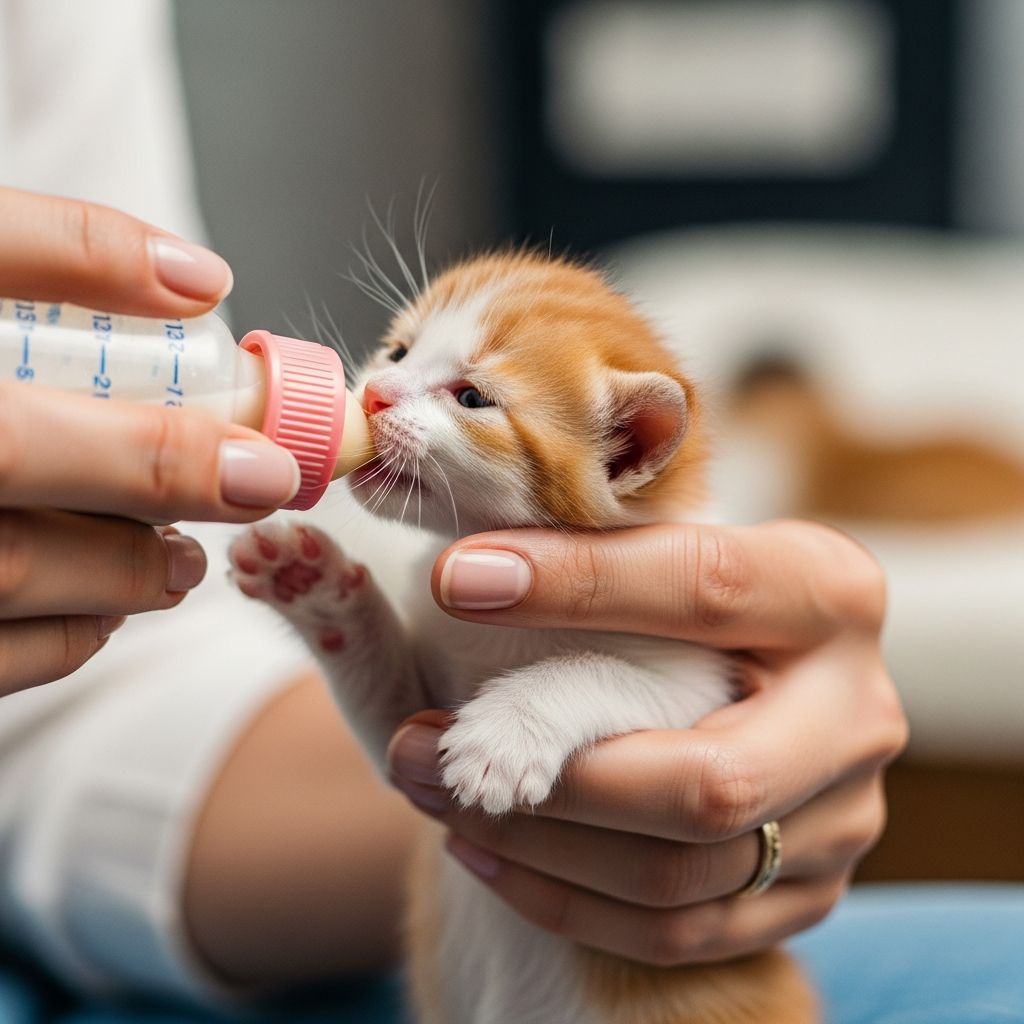
How to Bottle Feed Kittens: A Complete Guide for Caregivers
Caring for orphaned or abandoned kittens requires dedication, patience, and knowledge of proper feeding techniques. Bottle feeding is a critical skill for anyone involved in kitten rescue and care. Whether you’re a shelter worker, foster parent, or concerned individual, understanding the fundamentals of bottle feeding can mean the difference between a thriving kitten and one that struggles with health complications. This comprehensive guide will walk you through every step of the bottle feeding process, ensuring you have the knowledge and confidence to care for bottle babies successfully.
Getting Started: Essential Supplies and Equipment
Before you begin bottle feeding a kitten, you’ll need to gather the proper supplies. Having everything prepared in advance ensures a smooth feeding experience and reduces stress for both you and the kitten.
Selecting the Right Bottle and Nipple
Pet supply stores, feed stores, and online retailers offer bottles specifically designed for bottle feeding kittens. The bottles typically come with nipples that require modification before use. The nipple hole is crucial and must be cut to the correct size. The hole should be large enough that formula slowly drips out when the bottle is inverted, but not so large that it flows freely. Test the nipple by holding the bottle upside down—you should see one drop of formula emerge at a time, mimicking the natural nursing pace a kitten would experience with its mother.
Quality bottle and nipple options include brands such as PetAg, Pet Nurser, and Miracle Nipple. Many experienced kitten rescuers prefer cutting the nipple at an angle to create a small, controlled opening that provides optimal formula flow.
Choosing the Correct Formula
Never feed kittens cow’s milk or standard dairy products, dairy alternatives, or human baby formula. These substances can be dangerous or even fatal to kittens. Instead, purchase kitten formula specifically formulated for feline nutritional requirements. Kitten formula is available at pet supply stores, feed stores, and online retailers.
Once opened, store formula according to manufacturer instructions, typically in the refrigerator. Before each feeding, prepare fresh formula according to the package instructions, ensuring it is free of clumps and mixed thoroughly.
Pre-Feeding Assessment and Safety Checks
Before offering any formula to a kitten, conduct a thorough assessment to ensure feeding is safe and appropriate.
Temperature Stabilization
Temperature regulation is paramount when caring for orphaned kittens. If a kitten feels cold to the touch or has a body temperature of 95 degrees Fahrenheit or lower, it is unsafe to feed until the kitten has been gradually warmed. Never feed a kitten that is overheated either, as extreme temperatures can shock the system and prevent proper digestion.
Warm kittens slowly using heated towels from the dryer, heating pads designed for pets, or by tucking the kitten against your own body heat. While warming, gently massage the kitten’s body and extremities to encourage blood circulation throughout the body.
Assessing Swallowing Ability
Verify that the kitten is capable of swallowing before attempting to feed. Place a small drop of formula on the kitten’s tongue and feel the throat area with one finger to confirm the swallowing reflex is functioning properly. A kitten that cannot swallow safely should not be fed orally and may require alternative feeding methods.
Evaluating Overall Health
Check for physical abnormalities such as cleft palate, which may make bottle feeding riskier or require special techniques. Assess the kitten’s overall body condition and stability before proceeding with feeding.
Preparing Your Bottle and Formula
Proper formula preparation is essential for kitten health and nutrition.
Mixing Formula Correctly
Follow the manufacturer’s instructions precisely when preparing formula. Most kitten formulas require mixing one scoop of powdered formula with two scoops of water. Use a blender bottle or container with a secure lid and shake vigorously to ensure all clumps are broken up and ingredients are thoroughly combined. Lumpy or unevenly mixed formula can cause blockages in the bottle nipple and digestive upset in the kitten.
Warming the Formula
Formula should be warmed to body temperature before feeding—approximately skin temperature. Never microwave the bottle directly, as this can destroy essential proteins and other vital nutrients in the formula. Instead, place the bottle in a container of hot water and allow it to warm gradually. Continuously dip and warm the bottle during feeding sessions to maintain proper temperature throughout the meal.
Test the temperature by feeling the bottle against your wrist or inner arm—it should feel warm but not hot to the touch. Overheated formula can burn the kitten’s sensitive mouth and throat.
The Bottle Feeding Process: Step-by-Step Instructions
Proper positioning and technique are critical components of safe and effective bottle feeding.
Positioning the Kitten
Always position the kitten on its stomach in a natural, belly-down posture. The kitten should be comfortably lying or seated with the belly toward the floor. Never feed a kitten on its back, as this position risks aspiration and mimics an unnatural feeding position. Place the kitten on a clean towel, which allows the kitten to grip with its nails and provides stability and comfort.
Lift the kitten’s head to approximately a 45-degree angle with the neck extended naturally, but not excessively. This angle prevents air from entering the stomach and keeps the formula at the front of the nipple where the kitten can access it easily. A towel placed underneath can help achieve and maintain the desired angle throughout the feeding.
Holding the Kitten Steady
Use your non-dominant hand to hold the kitten’s head and body stable. Don’t be afraid to hold the kitten’s head firmly—this guidance is how you direct the kitten toward the food and help them understand what’s happening. Young kittens don’t inherently understand the feeding process, so stable, confident handling is essential for success.
Introducing the Nipple
Gently slide the nipple into the kitten’s mouth with your dominant hand. You may need to open the kitten’s mouth slightly with your finger to help them understand what you’re doing. Once the kitten becomes comfortable with bottle feeding, they will search out the nipple enthusiastically and you’ll feel a distinct “vacuum effect” as they enter suckle mode.
Monitoring Formula Flow
Invert the bottle so that formula can slowly flow into the kitten’s mouth at a natural pace. Never forcefully squeeze the bottle into the kitten’s mouth, as this can cause the formula to enter the lungs (aspiration) rather than going down the esophagus safely. Allow the kitten to suckle at their own pace and control the intake.
If you’re having difficulty controlling the formula flow, consider syringe feeding as an alternative method that provides more precise control over the amount and speed of formula delivery.
Troubleshooting Common Bottle Feeding Challenges
Many kittens require patience and troubleshooting before they master bottle feeding. If a kitten is having difficulty latching or feeding, try these helpful strategies:
- Check your technique: Ensure you’re holding the kitten’s head and body stable to guide them. Provide clear, confident direction through your handling.
- Inspect the bottle and nipple: Verify there are no issues such as a nipple cut too large or too small, or formula clumps blocking the opening. Adjust the nipple hole as needed.
- Use swaddling: Wrap the kitten in a small baby blanket to help them feel secure, focused, and comforted, while maintaining proper belly-down positioning.
- Stimulate feeding instincts: Gently rub the kitten’s face with a soft cloth or toothbrush to simulate a mother cat’s tongue and prepare them psychologically for eating.
- Practice patience: Bottle feeding is an art form that improves with experience. Don’t give up if the kitten doesn’t latch immediately—many kittens need multiple attempts before they become proficient.
Feeding Schedules and Portion Sizes
Establishing an appropriate feeding schedule ensures kittens receive adequate nutrition without overfeeding.
Frequency and Amount
Most bottle baby kittens require feeding 4-6 times daily until they are full but not bloated. For the first feeding attempt, you may need to feed a smaller amount than expected to allow the kitten time to adjust to the formula and the feeding process. Weak, sick, or underweight kittens typically need more frequent feedings.
Reference feeding charts specific to the kitten’s age and weight to determine appropriate portion sizes. Feeding amounts will fluctuate based on individual kitten needs and growth rate. Monitor the kitten’s growth and weight gain regularly, and adjust feeding amounts gradually as the kitten grows.
Avoiding Overfeeding
Exceeding the kitten’s stomach capacity during a single feeding can result in aspiration, vomiting, diarrhea, and uncomfortable gas buildup. It’s better to err on the smaller side initially and adjust gradually while monitoring growth and overall health.
Post-Feeding Care and Hygiene
What happens after the feeding is just as important as the feeding itself.
Cleaning and Hygiene
After each feeding session, gently wipe away any formula residue from the kitten’s face using a warm, wet cloth or baby wipe. Formula left on the face can cause crusty buildup or moist dermatitis, which damages the fur and creates skin irritation. Maintaining proper facial hygiene is essential for preventing these complications.
Stimulation and Elimination
After feeding, stimulate the kitten to encourage urination and bowel movements by gently massaging the genital and anal areas with a warm, damp cloth. This mimics the stimulation a mother cat would provide and is essential for young kittens that cannot eliminate on their own.
Return to Safe Environment
Once the kitten has been cleaned and has eliminated, place them back in their warm, safe sleeping area. Ensure the environment maintains appropriate temperature and provides comfort and security for rest between feedings.
Common Mistakes to Avoid
Understanding what not to do is equally important as learning proper technique:
| Mistake | Why It’s Harmful | Correct Alternative |
|---|---|---|
| Feeding on back or upright | Increases aspiration risk and is unnatural | Always use belly-down position at 45-degree angle |
| Squeezing the bottle | Causes formula to flood into lungs | Allow kitten to suckle at natural pace |
| Using cow’s milk or human formula | Can be dangerous or fatal to kittens | Use kitten-specific formula only |
| Microwaving formula | Destroys proteins and nutrients | Use hot water bath for warming |
| Feeding cold kitten | Prevents proper digestion and causes shock | Stabilize temperature before feeding |
| Overfeeding | Causes aspiration, vomiting, and gas | Follow stomach capacity guidelines and monitor growth |
| Impatience with latching | Causes stress and feeding refusal | Allow time for kitten to adjust and learn |
Frequently Asked Questions
Q: At what age can I transition a kitten from bottle feeding to solid food?
A: Kittens can begin eating soft, wet food at around 3-4 weeks of age while continuing bottle feeding. Gradual weaning typically occurs over several weeks as the kitten’s interest in solid food increases. Consult with a veterinarian for specific guidance based on your kitten’s development.
Q: Can I use regular baby bottles instead of kitten-specific bottles?
A: While human baby bottles can work in a pinch, bottles designed specifically for kittens are preferable because they have nipples and flow rates appropriate for feline anatomy and feeding behavior.
Q: How do I know if my kitten is getting enough nutrition?
A: A kitten receiving adequate nutrition will show steady weight gain, have a rounded belly after feeding, exhibit active and playful behavior, and produce regular elimination. Monitor weight weekly and consult a veterinarian if growth seems inadequate.
Q: What should I do if my kitten develops diarrhea?
A: Diarrhea can result from overfeeding, formula sensitivity, or illness. Reduce feeding portions, ensure formula is mixed correctly and kept fresh, and consult a veterinarian if diarrhea persists or the kitten shows signs of illness.
Q: Is it safe to bottle feed very young neonatal kittens?
A: Neonatal kittens require specialized care, proper temperature maintenance, and frequent feedings. While bottle feeding is possible, syringe feeding may be safer for very young kittens until they develop stronger suckling reflexes. Consult with experienced rescuers or veterinarians for guidance.
Q: How long can prepared formula be stored?
A: Follow manufacturer instructions for storage duration, as it varies by product. Generally, prepared formula should be used within 24 hours and stored in the refrigerator. Always prepare fresh formula for each feeding when possible.
References
- Bottle Feeding — Kitten Lady (Hannah Shaw). 2024. https://www.kittenlady.org/bottlefeeding
- Everything You Need to Know About Bottle Feeding a Kitten — PetMD. 2024. https://www.petmd.com/cat/general-health/bottle-feeding-a-kitten
- Kitten Bottle Feeding Guide — ASPCApro. 2023. https://www.aspcapro.org/resources-and-research/kitten-bottle-feeding-guide
- Caring for Kittens from Birth to Eight Weeks — Shelter Medicine, University of Wisconsin. 2024. https://sheltermedicine.wisc.edu/library/guidebooks/guide-to-raising-unweaned-underage-kittens/
- Kitten Bottle Feeding and Stomach Capacity Chart — Maddie’s Fund. 2023. https://www.maddiesfund.org
- Neonatal & Newborn Kittens: Care, Feeding Help & Burping Tips — Alley Cat Allies. 2024. https://www.alleycat.org/community-cat-care/caring-for-neonatal-kittens/
Similar Articles








Read full bio of Sneha Tete




