

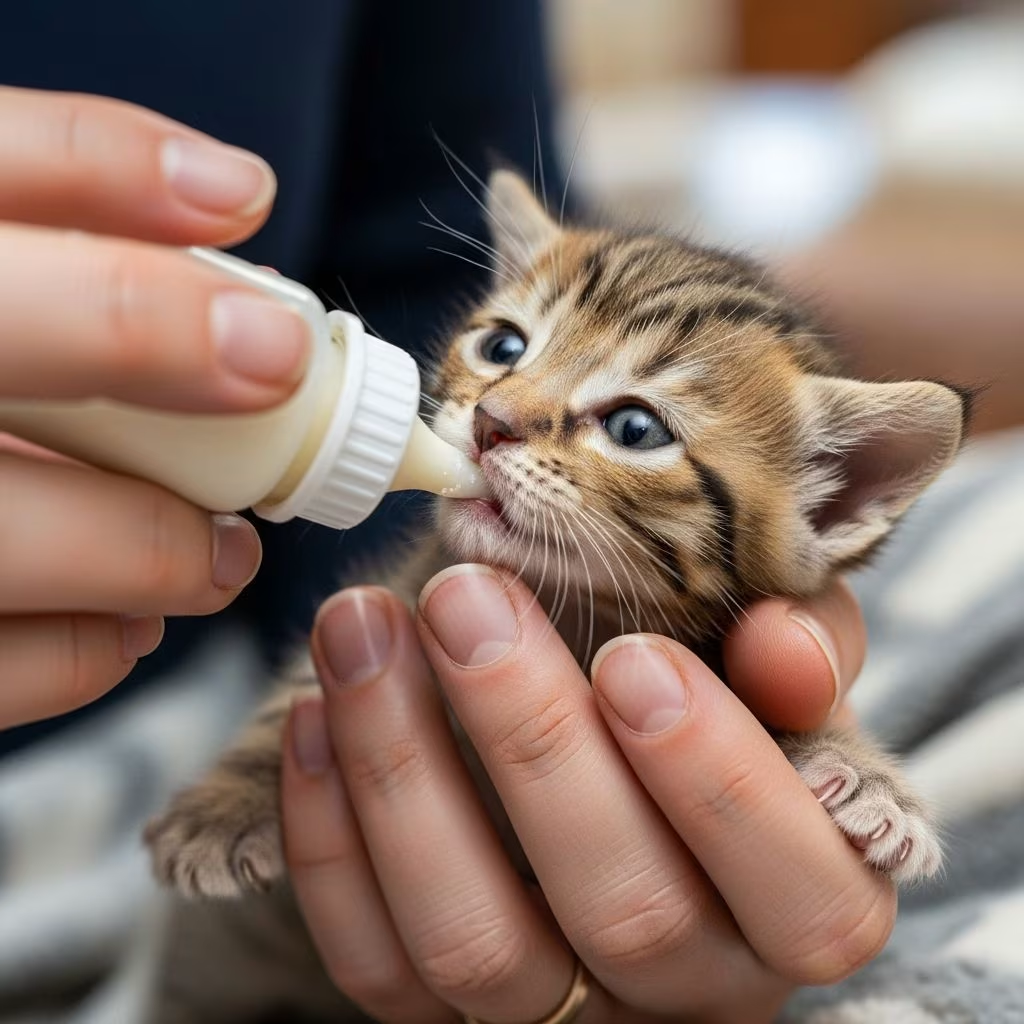
How to Bottle Feed a Kitten: Complete Guide
Bottle feeding a kitten is a rewarding but demanding responsibility that requires knowledge, patience, and attention to detail. Whether you’re caring for orphaned kittens, supporting a mother cat with a large litter, or assisting with rescue situations, understanding proper bottle feeding techniques is essential for ensuring healthy growth and development. This comprehensive guide covers everything you need to know about bottle feeding kittens, from formula selection to feeding schedules and weaning.
What to Consider When Bottle Feeding a Kitten
Before you begin bottle feeding a kitten, there are three main considerations that form the foundation of successful care:
- The type of formula you use
- The correct formula-to-water ratio
- Proper warming techniques for the formula
Each of these elements plays a critical role in your kitten’s nutrition and overall health. Using an unapproved formula or incorrect ratios can lead to digestive issues, inadequate nutrition, or other health complications. Always consult with your veterinarian before beginning bottle feeding to ensure you have the right formula and feeding plan for your specific kitten.
Choosing the Right Formula
The foundation of successful bottle feeding is selecting a veterinarian-approved kitten formula. Never attempt to use cow’s milk, goat’s milk, or human infant formula as substitutes, as these do not contain the proper nutritional balance for kittens. Your veterinarian can recommend commercial kitten milk replacers that closely mimic the composition of mother cat’s milk.
When you obtain your formula, carefully read and follow all preparation instructions on the label. Most kitten formulas require a specific powder-to-water ratio, typically two parts water to one part formula powder. Following these instructions precisely ensures your kitten receives proper nutrition without gastrointestinal upset.
Understanding Formula-to-Water Ratios
Accurate measurement is crucial when mixing kitten formula. The standard ratio of two parts warm water to one part formula powder should be followed consistently. Using too much powder creates an overly concentrated formula that can cause constipation or dehydration, while too much water provides insufficient nutrition.
Always use clean water for mixing. If your household water has high chlorine or mineral content, you may consider using filtered or distilled water. Warm the water before adding the formula powder—this ensures the powder dissolves completely without leaving clumps that could clog the bottle nipple or cause digestive issues.
How to Prepare Kitten Formula
Step 1: Read and Follow Instructions
Begin by familiarizing yourself with the preparation instructions on your kitten formula label. Different brands may have slightly different ratios or preparation methods, so careful attention to the label ensures you’re preparing formula correctly for your specific product.
Step 2: Heat Water to the Right Temperature
Warm your water before adding formula powder. Water heated to approximately 100°F is ideal. Warm water helps the powder dissolve more completely and prevents lumps from forming in the mixture.
Step 3: Mix Thoroughly
Add the appropriate amount of formula powder to your warm water and stir thoroughly until completely dissolved. Take your time with this step to ensure there are no remaining clumps, as these can interfere with feeding and cause digestive upset.
Step 4: Store Properly
Once mixed, pour the formula into a clean container and label it with the current date and time. Properly prepared formula remains safe in the refrigerator for up to 24 hours. This labeling system ensures you don’t accidentally feed your kitten expired formula. You can prepare enough formula for one full day’s feeding schedule to maintain consistency and convenience.
Step 5: Warm Before Each Feeding
When it’s time to feed your kitten, pour the appropriate amount of formula into a clean bottle. Never use a microwave to heat kitten formula, as this can create hot spots that burn the kitten’s mouth. Instead, place the bottle in a container of hot water or use a bottle warmer designed for infant bottles. The formula should reach approximately the same temperature as your skin—around 98 to 102 degrees Fahrenheit.
Testing Formula Temperature
Before offering the bottle to your kitten, always test the formula temperature. Place a few drops on your inner wrist—this sensitive area will help you determine if the formula is too hot. The formula should feel warm but not uncomfortably hot. This safety step prevents mouth burns and ensures your kitten’s comfort during feeding.
How to Bottle Feed a Kitten
Positioning Your Kitten Correctly
Proper positioning is essential for safe and comfortable feeding. Your kitten should be in a natural nursing position, lying on their stomach or semi-upright, never vertical or on their back. This natural position mimics how kittens would nurse from their mother and prevents formula from entering the lungs or causing aspiration issues.
Hold the kitten gently but securely in your hands or on a soft, warm surface. Warm a small blanket or heating pad before placing the kitten on it, as kittens cannot regulate their body temperature effectively and appreciate the warmth during feeding sessions. This also creates a bonding experience similar to nursing with a mother cat.
Holding the Bottle at the Correct Angle
The bottle should be held at a 45-degree angle and positioned at face level with the kitten. Never hold the bottle vertically or allow the kitten to strain their neck to reach it. Maintaining a firm and steady grip on the bottle is important—don’t follow the kitten’s tugging motions, as this prevents them from creating the proper vacuum needed for suckling.
The correct angle and grip ensure that the kitten can suckle naturally while preventing excess air from being ingested, which causes gas, bloating, and discomfort.
Introducing the Bottle Nipple
Turn the bottle upside down and allow a single drop of formula to emerge from the nipple to confirm the hole size is appropriate. Gently open the kitten’s mouth with your finger and slip the bottle nipple inside. Once the kitten becomes familiar with the bottle, they will search out and latch onto the nipple enthusiastically.
If the kitten doesn’t immediately latch, wait a few minutes and try again. You’ll feel a “vacuum effect” when the kitten enters suckle mode, and you may notice their ears pulsing back and forth—this is a sign they’re feeding successfully.
Monitoring Feeding Progress
Watch for signs that your kitten is feeding well. A properly feeding kitten’s belly will become round but not hard or distended. If the bottle appears to be collapsing during feeding, gently remove the nipple and allow air back into the bottle. When your kitten has had enough, they’ll usually unlatch from the nipple on their own, and their tummy will be very rounded, almost pear-shaped.
Nipple Hole Size Importance
The hole size in your bottle nipple significantly affects feeding success. To test the hole, place the nipple on a bottle of formula and turn it upside down. The formula should drip slowly out of the hole. If the hole is too large, kittens will ingest too much formula too quickly, leading to choking, vomiting, or diarrhea. If the hole is too small, kittens will exhaust themselves trying to eat and won’t consume enough for proper nutrition. Adjust or replace nipples as needed to achieve the proper flow rate.
Kitten Feeding Chart by Age
Proper feeding amounts and schedules vary significantly based on your kitten’s age and weight. Use the following chart as a guideline, but always consult with your veterinarian for personalized recommendations based on your specific kitten’s needs.
| Age | Weight | Amount per Feeding | Feeding Schedule |
|---|---|---|---|
| 0–1 week | 50–150 grams | 2–6 milliliters | Every 1–2 hours |
| 1–2 weeks | 150–250 grams | 6–10 milliliters | Every 2–3 hours |
| 2–3 weeks | 250–350 grams | 10–14 milliliters | Every 3–4 hours |
| 3–4 weeks | 350–450 grams | 14–18 milliliters | Every 4–5 hours |
| 4–5 weeks | 450–550 grams | 18–22 milliliters | Every 5–6 hours |
| 5–8 weeks | 550–850 grams | Start weaning | Every 6 hours |
Calculating Daily Formula Requirements
A kitten should consume approximately 8 milliliters of formula per ounce of body weight per day. Nursing bottles are marked with measurements in either milliliters (ml) or cubic centimeters (cc)—these measurements are equivalent, as 1 cc equals 1 ml. Use these markings to ensure you’re providing appropriate portions at each feeding.
Smaller or weaker kittens might eat less per feeding and will require more frequent feedings. Monitor your individual kitten’s appetite and growth to ensure they’re receiving adequate nutrition.
Feeding Multiple Kittens
When bottle feeding several kittens, feed them in rotation. Feed the first kitten until they stop nursing, then begin feeding the second kitten, continuing this pattern until all kittens have been fed. Then restart the cycle with the first kitten. Usually one to three complete rounds will provide sufficient nutrition. When a kitten stops nursing, they’ve indicated they’ve had enough food. This method ensures fair distribution of food and allows you to monitor each kitten’s intake individually.
Hygiene and Safety Guidelines
Maintaining proper hygiene during bottle feeding is critical for preventing infection and illness:
- Always wash your hands thoroughly with soap and water before and after handling kittens and bottles
- Wash all bottles and nipples thoroughly before each use
- Never squeeze the bottle, as this may cause milk to flood into the kitten’s mouth
- Never force-feed milk or water; young kittens lack a gag reflex and can aspirate fluids
- Avoid overfeeding, which can lead to vomiting, diarrhea, and gas buildup
- Never feed formula that is too hot or too cold
Weaning Bottle-Fed Kittens
Weaning typically begins around 4 weeks of age. Start by offering formula on a spoon, allowing kittens to lap the liquid. Once they’re comfortable lapping from a spoon, transition to offering formula in a shallow saucer. As kittens master this skill, gradually introduce small amounts of wet, canned kitten food mixed with formula to create a gruel-like consistency.
Slowly increase the proportion of solid food while decreasing the formula in the mixture. Some kittens catch on quickly while others need several days to adjust. Continue bottle feeding a few times daily alongside solid food until kittens are eating well independently. Ensure they’re receiving adequate nutrition during this transition without overfeeding.
Signs of Proper Nutrition
A well-nourished bottle-fed kitten will display several positive indicators:
- Steady weight gain appropriate to their age
- Round but not hard or distended belly after feeding
- Alertness and activity between feedings
- Normal bowel movements (not constipated or experiencing diarrhea)
- Healthy coat and skin
- Strong suckling response and enthusiasm for feeding
When to Contact Your Veterinarian
Seek veterinary assistance immediately if your kitten exhibits any of the following:
- Difficulty suckling or refusal to eat
- Diarrhea, vomiting, or constipation
- Lethargy or lack of responsiveness
- Labored breathing or wheezing
- Swollen or distended belly
- Signs of infection or illness
- Failure to gain weight appropriately
Frequently Asked Questions
Q: Can I use regular cow’s milk for bottle feeding kittens?
A: No. Cow’s milk lacks the proper nutritional balance for kittens and can cause digestive upset. Always use veterinarian-approved kitten formula specifically designed for young cats.
Q: How long can prepared formula stay in the refrigerator?
A: Properly prepared kitten formula remains safe in the refrigerator for up to 24 hours. Always label bottles with the date and time prepared, and discard any unused formula after this period.
Q: What’s the ideal formula temperature for feeding?
A: Formula should be warmed to 98 to 102 degrees Fahrenheit, approximately the same temperature as your skin. Always test a few drops on your inner wrist before feeding to ensure it’s not too hot.
Q: How often should newborn kittens be fed?
A: Newborn kittens aged 0-1 week require feeding every 1-2 hours. Feeding frequency gradually decreases as kittens grow older, reaching every 6 hours by 5-8 weeks of age.
Q: What does a properly fed kitten’s belly look like?
A: A well-fed kitten’s belly should be round but not hard or distended. If the belly appears too full or tight, you may be overfeeding. When satisfied, the kitten will unlatch on their own.
Q: Can I use a microwave to heat kitten formula?
A: No. Never use a microwave, as it creates hot spots that can burn the kitten’s mouth. Instead, use a bottle warmer or place the bottle in a container of hot water.
References
- How to Bottle Feed a Kitten: Vet-Approved Tips & Feeding Chart — Catster. 2025. https://www.catster.com/cat-health-care/how-to-bottle-feed-a-kitten/
- Bottle-Feeding Kittens: A Comprehensive Guide — Best Friends Animal Society. 2024. https://bestfriends.org/pet-care-resources/bottle-feeding-kittens-comprehensive-guide
- Kitten Bottle Feeding Guide — ASPCApro. 2023. https://www.aspcapro.org/sites/default/files/2023-06/aspca-kitten-bottlefeeding-guide.pdf
- Kitten Bottle Feeding and Stomach Capacity Chart — Maddie’s Fund Institute. https://www.maddiesfund.org/assets/documents/institute/kitten%20bottle%20feeding%20and%20stomach%20capacity%20chart.pdf
- What to Feed a Kitten: Vet-Verified Guide For Each Stage — Catster. 2025. https://www.catster.com/cat-health-care/what-to-feed-kittens/



