

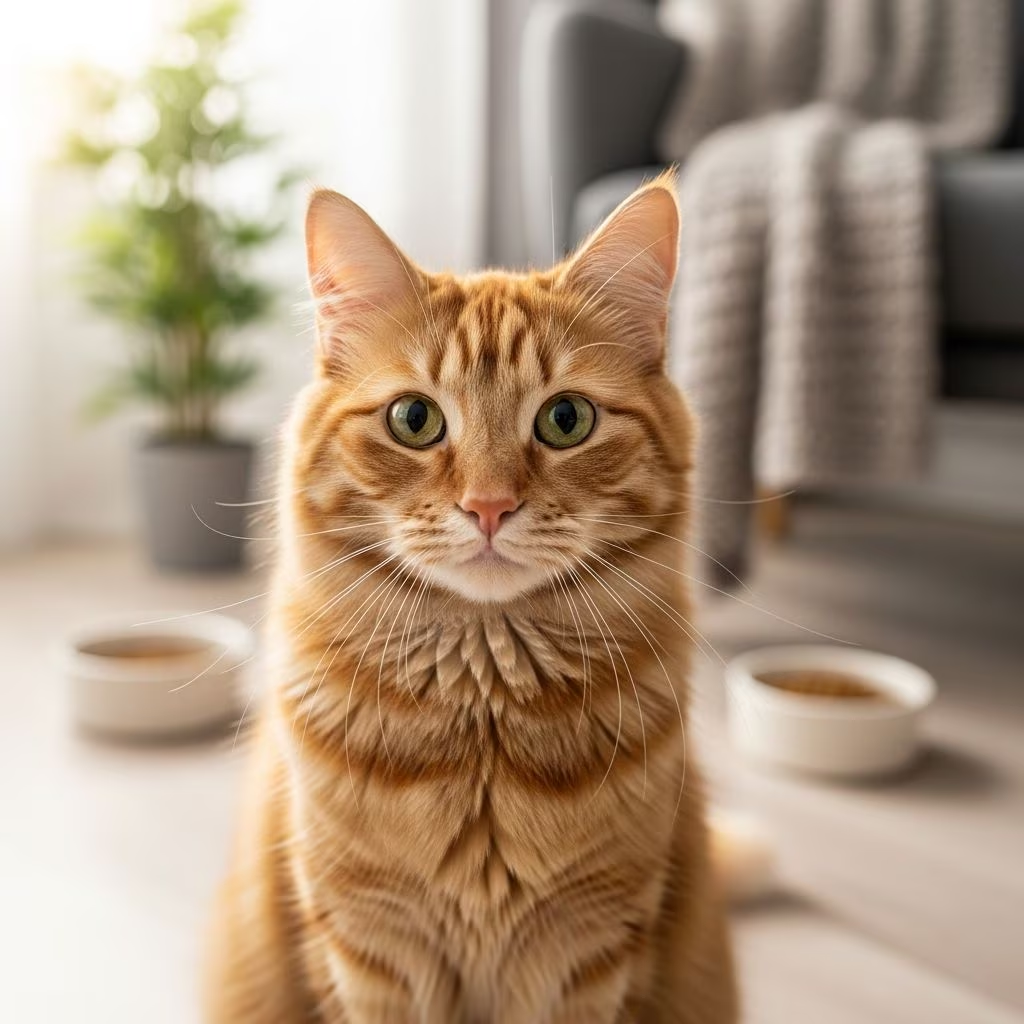
A strong immune system is vital for your cat’s overall health, helping them fight off infections, viruses, and diseases like FIV and FeLV. Cats’ immune systems can weaken due to poor diet, stress, age, or environmental factors, but proactive steps like nutrition, supplements, and lifestyle changes can significantly enhance immunity. This guide covers comprehensive strategies to fortify your feline friend’s defenses.
Why Boosting Your Cat’s Immune System Is Important
Your cat’s immune system acts as the first line of defense against pathogens, including bacteria, viruses, and parasites. A robust immune response enables quick recovery from illnesses and reduces susceptibility to common issues like upper respiratory infections or herpesvirus. Factors such as genetics, age, nutrition, and stress influence immune function; kittens and seniors often need extra support. Research indicates that targeted nutrition and supplements can modulate immune cells, improving T-lymphocyte activity and overall resilience. Boosting immunity not only prevents disease but also enhances quality of life, vitality, and longevity.
The Role of Nutrition in Cat Immunity
Diet forms the foundation of a healthy immune system for cats, obligate carnivores requiring high-quality animal proteins. A nutrient-rich diet provides essential amino acids, antioxidants, and fatty acids that support white blood cell production and antibody formation. Avoid fillers like grains or gums that offer little nutritional value; opt for minimally processed foods with named meat sources. Key nutrients include:
- High-quality proteins: Chicken, fish, or beef for muscle repair and immune cell synthesis. Arginine, an essential amino acid, enhances T-cell function and wound healing.
- Omega-3 fatty acids: From salmon oil or marine microalgae, these reduce inflammation and boost cardiovascular and joint health, indirectly supporting immunity.
- Antioxidants: Vitamins C and E, beta-carotene from pumpkin or blueberries, combat oxidative stress and cell damage.
- Probiotics and fiber: Promote gut health, where 70% of the immune system resides, aiding nutrient absorption.
Home-cooked or raw diets tailored to energetic needs can optimize immunity, but consult a vet for balance. Studies show cats on diets supplemented with arginine, nucleotides, and salmon oil exhibit significantly higher immune function than those on plain diets.
Top Supplements for Cat Immune Support
Supplements bridge nutritional gaps, especially for cats with deficiencies, chronic conditions, or during stress. Always consult a veterinarian before starting, as dosages vary by age, weight, and health. Effective options include:
- Sodium Ascorbate Vitamin C: An over-the-counter antioxidant that regenerates immune cells, destroys pathogens, and provides anti-inflammatory benefits. Easy to administer and widely available.
- L-Lysine: Essential amino acid that inhibits herpesvirus replication, reducing symptoms like sneezing and conjunctivitis in FIV or URI cases. Dose: 500mg twice daily for adults, 250mg for kittens; mix in food.
- Lymphocyte T-Cell Immunomodulator (LTCI): USDA-approved natural protein for FeLV/FIV cats; administered via injections to enhance T-cell activity.
- Probiotics and Beta-Glucans: Support gut microbiome and immune modulation; combined with colostrum for faster recovery from illness.
- Omega-3s and Antioxidants: From fish oil or greens like cranberry/dandelion for anti-inflammatory and cellular protection.
A study confirmed arginine supplementation yields the strongest immune boost, followed by nucleotides and salmon oil.
Lifestyle Changes to Strengthen Immunity
Beyond diet and supplements, daily habits profoundly impact your cat’s immune health.
Provide Fresh Water and Hydration
Clean, fresh water encourages intake, preventing dehydration that weakens immunity. Fountains stimulate drinking, supporting kidney function and toxin flushing.
Encourage Exercise and Play
Regular activity improves circulation, maintains healthy weight, reduces stress, and bolsters immunity. Interactive toys, laser pointers, or climbing trees provide mental stimulation; aim for 15-30 minutes daily.
Minimize Toxins and Chemicals
Limit exposure to household cleaners, pesticides, and litter dust, which burden the immune system. Choose natural products and dust-free litter.
Reduce Stress
Stress suppresses immunity; create enrichment with scratching posts, hiding spots, and pheromone diffusers. Avoid changes like new pets without gradual introduction.
Veterinary Care and Preventative Measures
Partner with your vet for core vaccines like distemper (covering herpesvirus), which reduce viral shedding even if not fully preventive. Routine check-ups detect issues early; bloodwork assesses immune status. For sick cats, LTCI or prescription immunomodulators may be recommended. Spaying/neutering reduces stress hormones, indirectly aiding immunity. Parasite control prevents immune drain from worms or fleas.
Common Myths About Cat Immunity
Myth 1: Cats don’t need supplements if fed commercial food. Reality: Many kibbles lack bioavailable nutrients; targeted supplements fill gaps.
Myth 2: All vitamins are safe in excess. Reality: Overdosing vitamin C can cause diarrhea; follow vet-guided doses.
Myth 3: Indoor cats have perfect immunity. Reality: They still face stress, poor diet, or latent viruses.
Sample Immune-Boosting Diet Plan
| Meal | Ingredients | Benefits |
|---|---|---|
| Breakfast | High-protein wet food + lysine powder | Antiviral support, satiety |
| Lunch Treat | Pumpkin puree + blueberries | Fiber, antioxidants |
| Dinner | Fish-based raw/dehydrated + omega-3 oil | Anti-inflammatory, heart health |
| Daily Supplement | Vitamin C + probiotics | Pathogen defense, gut health |
Adjust portions for weight; transition slowly to avoid digestive upset.
Frequently Asked Questions (FAQs)
What are the signs of a weak immune system in cats?
Symptoms include frequent infections, slow healing, lethargy, poor coat, or recurrent URIs. Consult a vet for diagnosis.
Can stress weaken my cat’s immunity?
Yes, stress hormones suppress immune function, making cats prone to flare-ups like herpesvirus.
Are natural supplements safe for all cats?
Most are, but kittens, pregnant cats, or those with conditions need vet approval to avoid interactions.
How long until I see immune improvements?
Noticeable changes in energy and resilience may take 2-4 weeks with consistent diet and supplements.
Is raw food better for immunity?
It can provide superior nutrients if balanced, but risks bacteria; vet-supervised raw or gently cooked is ideal.
Implementing these strategies holistically ensures your cat thrives with peak immunity.
References
- 5 Effective Immune Boosters for Cats You Must Know About — Franklin TN Vet. 2021-02-22. https://franklintnvet.com/5-effective-immune-boosters-for-cats-you-must-know/
- 10 Ways to Boost Your Cat’s Immune System — RAWZ Natural Pet Food. Accessed 2026. https://rawznaturalpetfood.com/boost-cat-immune-system/
- Fortify your cat’s immune system with L-lysine — VCA Animal Hospitals. Accessed 2026. https://vcahospitals.com/shop/home/supplements-articles/fortify-your-cats-immune-system-with-l-lysine
- Study Shows Supplement Improves Feline Immune Function — Pet Health Network. Accessed 2026. https://www.pethealthnetwork.com/news-blogs/a-vets-life/study-shows-supplement-improves-feline-immune-function
- Understanding Immune System Support for Cats — Hill’s Pet. Accessed 2026. https://www.hillspet.com/cat-care/nutrition-feeding/understanding-immune-system-support-for-cats



