

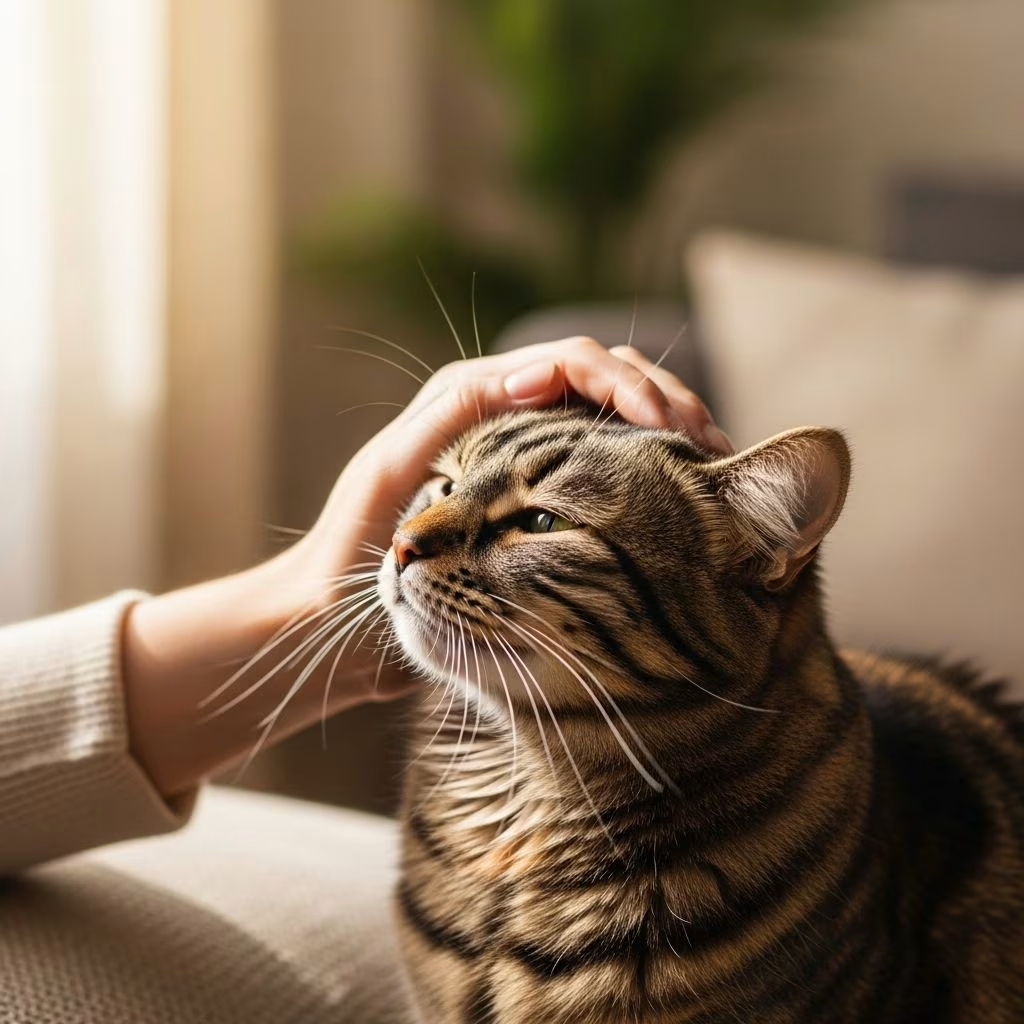
Building a strong bond with your cat requires patience, understanding, and respect for their unique personality. Cats form deep emotional connections with humans, often characterized by secure attachment and social support, as identified in studies of cat-owner relationships.
What influences your cat’s bond
Every cat is unique, shaped by their history, personality, and preferences. Some cats crave close connection, while others prefer independence. Research from a study on cat-owner bonds identifies five relationship types: open relationship, remote association, casual relationship, co-dependence, and friendship. These vary in the cat’s need for owner proximity, aloofness, and acceptance of others, influenced by the cat’s sociability and owner’s emotional investment. Factors like early socialization, past experiences, and household dynamics play key roles. For instance, kittens bond through provision of food, comfort, attention, play, and safety, mimicking maternal care. Recognizing these influences helps tailor your approach, fostering trust without forcing intimacy.
Ten ways to bond with your cat
Strengthening your bond involves consistent, positive interactions. Here are ten evidence-based strategies drawn from feline behavior experts.
Create a safe environment
Cats are instinctively prey animals, wired to seek security. A safe home encourages them to relax and bond. Provide multiple resources like litter boxes, food stations, and resting spots distributed throughout the house to reduce competition and stress. Keep outdoor threats at bay by securing doors and windows, and introduce other pets gradually. A secure cat lets its guard down, paving the way for affection. Studies show that meeting these environmental needs enhances emotional bonds, as cats in low-stress settings exhibit more sociable behaviors. Research your cat’s specific needs—some prefer high perches, others cozy hides—to make them feel protected indoors and out.
Respect their boundaries
Honor your cat’s personal space and preferences. While you might love belly rubs, many cats dislike them, associating touch in sensitive areas with vulnerability. Observe body language: tail flicks, ear flattening, or skin rippling signal discomfort—stop immediately. Let your cat initiate contact. This respect builds trust, making them more receptive over time. Individual differences matter; a 2021 study notes tolerance of physical contact varies widely among cats, impacting bond strength. By avoiding over-handling, you affirm their autonomy, deepening mutual respect.
Create positive shared experiences
Associate yourself with good things to build warm associations. For shy cats, start slow: sit nearby and offer treats from afar. For outgoing ones, engage in gentle play or cuddles. Consistency reinforces that you’re a source of joy. Positive interactions reduce fear and increase proximity-seeking, key to attachment-like bonds. Track progress—over weeks, your cat may approach voluntarily, signaling growing comfort.
Use positive reinforcement
Reward desired behaviors with treats, praise, or play exactly when they occur. Praise approaching you, calm sitting, or tolerating pets. This technique, rooted in operant conditioning, strengthens bonds by linking you to pleasure. Avoid punishment, which erodes trust. Experts recommend it for all cats, especially nervous ones, as it promotes relaxation around humans.
Play!
Daily play mimics hunting, burning energy and reducing stress—crucial for bonding. Use wand toys with lures to simulate prey, engaging their predatory instincts. Sessions of 10-15 minutes twice daily suffice. Play fosters teamwork, as your cat ‘hunts’ with you as partner. It’s vital for physical and mental health, making cats more open to affection. Behaviorists note play meets instinctual needs, enhancing overall well-being. Vary toys to prevent boredom and sustain interest.
Eliminate boredom
Boredom breeds stress, hindering bonds. Enrich their world with food puzzles, treat hunts, scratching posts, and window perches for sensory stimulation. Rotate toys and create climbing structures. Brain games like hiding kibble challenge their intelligence, improving quality of life. Stressed, bored cats withdraw; enriched ones engage more. Aim for a dynamic environment mirroring wild foraging and exploration.
Try clicker training
Clicker training pairs a distinct ‘click’ sound with rewards, marking precise behaviors. Teach sits, comes, or tricks—hands-on collaboration builds partnership. Ideal for fearful cats, diverting focus from anxiety to tasks. Full of treats, it’s inherently positive. Start simple: click for eye contact, reward. Progress builds confidence and closeness. Cat psychologists endorse it for enhancing cognitive and social skills.
Limit stress in the home
Chronic stress from loud noises, changes, or conflicts blocks bonding. Identify triggers—vacuums, strangers, other pets—and mitigate with desensitization, pheromone diffusers, or safe spaces. Ensure ample resources to avoid territorial fights. If severe, consult certified behaviorists. Low-stress cats form stronger attachments. Proactive management creates a calm backdrop for connection.
Additional strategies include grooming sessions for allogrooming-like bonding (mutual licking signals affection in bonded cats), mealtime routines where you hand-feed to associate you with sustenance, and quiet companionship—simply being present without demands. Observe bonded cat pairs: they sleep entwined, groom mutually, rub, and play gently, traits you can nurture singly. Patience is key; bonds deepen gradually.
Frequently Asked Questions (FAQs)
Can any cat bond deeply with humans?
Yes, most cats form bonds, but types vary from friendship to co-dependence based on personality and experiences. Even aloof cats can warm up with consistent positive efforts.
How long does it take to bond with a new cat?
Weeks to months, depending on the cat’s history. Kittens bond faster via maternal-like care. Respect their pace to avoid setbacks.
What if my cat seems uninterested?
Assess stress or health issues first. Use play and enrichment; some prefer ‘casual’ bonds without clinginess. Professional help aids persistent cases.
Does spaying/neutering affect bonding?
It reduces stress hormones, often improving sociability and focus on human bonds over mating behaviors.
Can multiple cats bond with one owner?
Absolutely. Fair attention and resources prevent rivalry. Bonded pairs may still seek human interaction.
Signs Your Bond is Strengthening
Look for:
- Slow blinks and head butts (trust signals).
- Seeking you out for play or rest.
- Purring during pets, kneading paws.
- Greeting you at the door.
- Grooming you (rare honor).
These mirror bonded cat behaviors. Track in a journal for motivation.
| Bond Stage | Cat Behaviors | Your Actions |
|---|---|---|
| Early | Wary observation | Safe space, treats from distance |
| Building | Approaches, plays | Daily play, positive reinforcement |
| Strong | Cuddles, follows you | Maintain routines, respect boundaries |
This table outlines progression, helping gauge success.
In summary, bonding thrives on respect for your cat’s individuality. By prioritizing safety, play, and positivity, you’ll cultivate a fulfilling friendship. Research affirms cats’ capacity for secure attachments akin to dogs, responsive to empathetic care. Commit daily, and watch your cat flourish alongside you.
References
- Are Your Cats Bonded? Here’s How to Tell — TheCatSite. 2023-05-15. https://thecatsite.com/c/how-to-tell-if-cats-are-bonded/
- How to Reinforce the Bond With Your Cat — Kinship. 2024-08-20. https://www.kinship.com/cat-behavior/how-to-bond-with-your-cat
- My Cat and Me—A Study of Cat Owner Perceptions of Their Bond — PMC (National Library of Medicine). 2021-06-25. https://pmc.ncbi.nlm.nih.gov/articles/PMC8228645/
- Will My Kitten Bond With My Other Pets? — Kinship. 2024-03-10. https://www.kinship.com/cat-behavior/bonding-with-kitten
- What’s going on inside your cat’s head? — American Psychological Association. 2023-11-12. https://www.apa.org/news/podcasts/speaking-of-psychology/cat-human-bond



