How to Bird-Proof Your Home: Keep Pet Birds Safe
Essential guide to bird-proofing your home and protecting pet birds from common household hazards.
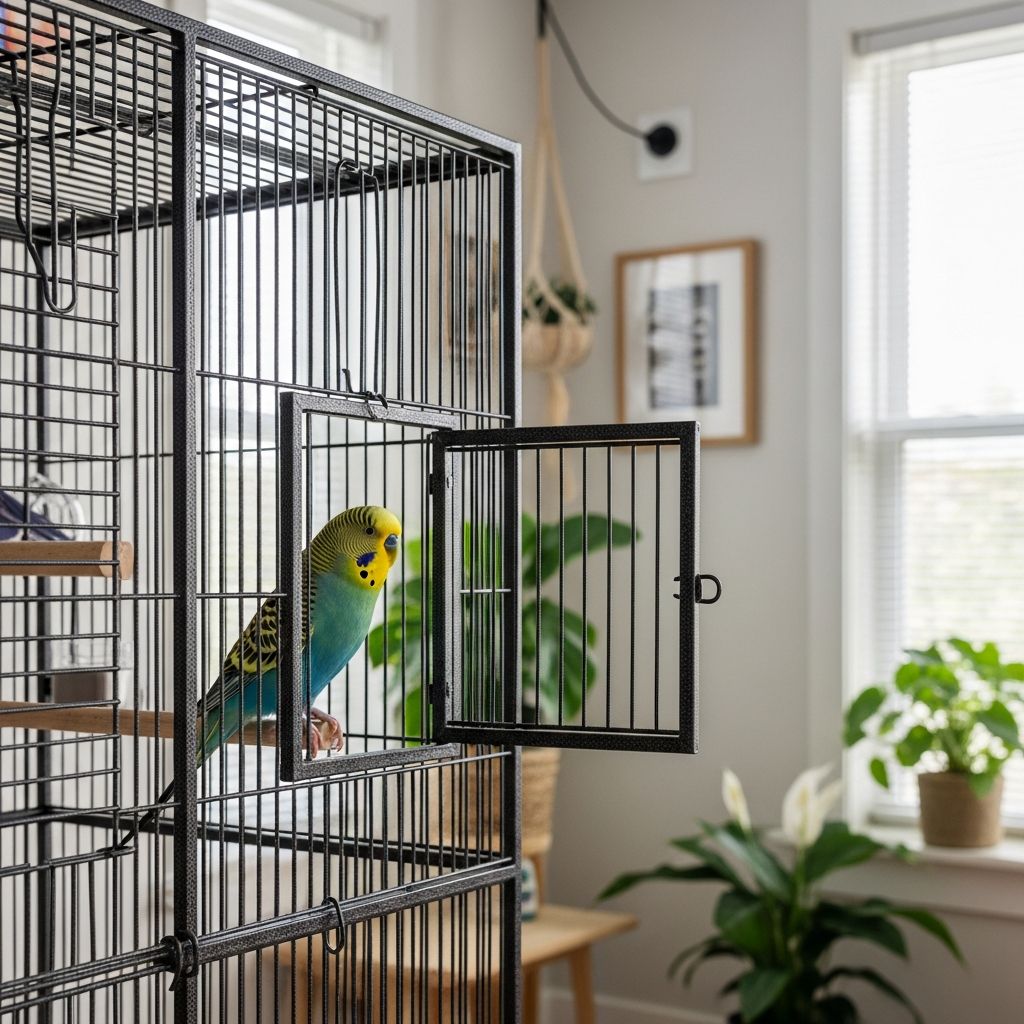
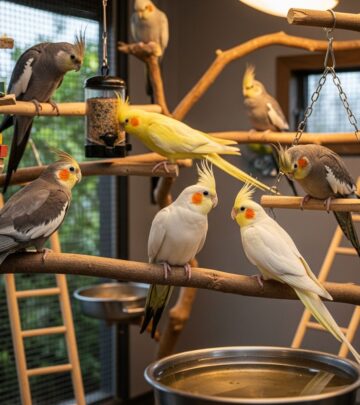
Pet birds bring joy, companionship, and vibrant energy into our homes. As responsible caregivers, providing a safe living environment for our feathered companions is paramount. While achieving a completely risk-free environment can be challenging, understanding and mitigating common household hazards significantly reduces dangers to pet birds. This comprehensive guide explores the essential steps to bird-proof your home and protect your avian friends from potentially life-threatening situations.
Understanding Common Household Hazards for Pet Birds
Pet birds face unique vulnerabilities in typical household environments. Their delicate respiratory systems, small bodies, and curious nature make them susceptible to various dangers that might seem harmless to humans or other pets. By identifying these hazards and implementing preventative measures, you can create a secure sanctuary for your birds.
Electrical Outlets, Cords, and Ceiling Fans
Electrical hazards represent one of the most critical threats to pet birds in the home. Birds are notorious chewers, and allowing them access to exposed electrical cords or outlets can result in fatal injuries. When a bird chews through an electrical cord, the consequences are often immediately catastrophic and life-ending.
Ceiling fans pose an equally serious danger to flying birds. Birds may fail to perceive the rapidly spinning blades in time to avoid collision, resulting in severe injuries including concussions, broken necks, and wing damage. To protect your feathered friends, always turn off all ceiling fans when birds are free-flying in your home. Additionally, secure electrical cords behind protective barriers or conduits, cover unused outlets with safety plates, and keep power strips out of reach.
Carbon Monoxide Detection and Prevention
Carbon monoxide (CO) is particularly dangerous for birds because they are affected by significantly lower concentrations than humans. Their efficient respiratory systems, designed for high oxygen absorption during flight, paradoxically make them more susceptible to carbon monoxide poisoning. Installing a carbon monoxide detector in your home provides crucial early warning of dangerous gas leaks.
Beyond detection, ensure your bird’s living area maintains excellent ventilation. Proper airflow helps prevent the accumulation of carbon monoxide and other harmful gases. Check heating systems regularly, ensure chimneys are clear, and never leave vehicles running in attached garages, as exhaust fumes can seep into living spaces.
Pesticides and Chemical Hazards
Never use pesticides in any form within areas where birds spend time. This includes sprays, fly strips, foggers, powders, mothballs, flea collars, flea shampoos, and miticide discs. Birds can ingest pesticides, inhale toxic fumes, or have chemicals adhere to their feathers and skin. The combination of a bird’s rapid metabolism and sensitivity to chemical compounds makes even trace amounts potentially fatal.
Be especially cautious with common household pest control methods. Aerosol insecticides, flea treatments for other pets, and garden pesticides must be completely avoided when birds are present. If pest control becomes necessary, temporarily relocate birds to another location and ensure thorough ventilation before allowing them to return.
Toxic Wood Products: Plywood and Particleboard
Not all wood materials are safe for birds. Plywood and particleboard are toxic to avian species because they are manufactured using adhesives and resins that release formaldehyde and other harmful compounds. These materials break down over time, releasing toxic fumes that damage a bird’s respiratory system.
When creating perches, toys, play stands, or other items for your bird, use only raw, untreated wood such as apple wood, willow, or specifically bird-safe wood varieties. Avoid treated wood, painted wood, and any composite materials. Always research wood safety before introducing any wooden items into your bird’s environment.
Houseplants and Landscaping Hazards
Many common houseplants and landscaping plants are toxic to birds and can cause serious illness or death if ingested. Pet birds are naturally curious and may chew on or eat plant material, making plant selection crucial for home safety. Common toxic plants include lilies, poinsettias, oleander, avocado, and chocolate-containing plants.
Conversely, providing bird-safe plants offers valuable enrichment opportunities. Birds enjoy shredding and chewing on safe foliage, which provides mental stimulation and entertainment. Incorporate safe plants such as spider plants, African violets, and bird-safe palm varieties into your home. Ensure any live plants in or around bird areas are verified as non-toxic through reliable sources.
Soil Contamination and Fungal Risks
Beyond toxic houseplants themselves, soil presents hidden dangers. Garden soil and potting soil can contain pesticide residues and fertilizer chemicals that accumulate from treatment applications. Even organic soils harbor fungi such as Aspergillus, which causes potentially fatal fungal infections in birds.
If you allow your birds to play with plants or wander in your yard, maintain constant supervision to prevent soil ingestion. Provide only sanitized substrates if your birds require ground-level enrichment activities. Never allow birds unrestricted access to untreated soil or yard areas.
Heat Hazards and Kitchen Safety
Heat sources throughout the home present multiple dangers to pet birds. Pots and pans simmering on the stove attract birds through visual and olfactory stimulation. A curious bird landing near cooking food can make contact with dangerously hot surfaces, causing severe burns or fatal injuries.
When cooking, always confine your bird to a secure, safe location away from the kitchen. Close kitchen doors to prevent accidental entry. Additionally, avoid nonstick cookware, air fryers, slow cookers, pressure cookers, cooking bags, and self-cleaning ovens. When heated, nonstick coatings release polytetrafluoroethylene (PTFE) fumes that are rapidly fatal to birds, causing acute respiratory failure within minutes of exposure.
Wood stoves, fireplaces, and space heaters present additional heat hazards. Limit your bird’s access to open heat sources, and ensure your home maintains good ventilation to prevent dangerous fume accumulation that damages the delicate avian respiratory system.
Introducing New Birds: Quarantine and Health Screening
Like all animals, birds can carry contagious diseases. Bringing a new bird into your home without proper quarantine and veterinary assessment risks exposing your entire flock to potentially deadly illness. Disease transmission can occur through direct contact, airborne particles, or contaminated food and water bowls.
Establish a quarantine protocol when introducing new birds. House the new bird in a separate room, ideally with a dedicated air system to prevent airborne pathogen transfer. Before integrating the new bird with existing birds, schedule a veterinary examination to confirm the bird’s health status. Once the veterinarian provides clearance, gradually introduce the new bird to your flock under supervision.
If you keep poultry such as chickens alongside pet birds, maintain strict separation between poultry and parrot supplies and living spaces. Disease can rapidly spread between different bird species and prove lethal to your valuable pets.
Selecting and Maintaining Bird Cages
The bird cage represents your pet’s primary living space, making cage selection a critical safety decision. Purchase cages exclusively from trusted, reputable brands known for quality and safety standards, including HQ, King’s, Prevue Hendryx, Avian Adventures, and A&E. While off-brand cages may offer lower prices, they often utilize flimsy, dangerous materials that injure birds.
If purchasing a used cage, inspect it thoroughly before purchase. Look for rust, missing door latches, and unsafe materials including iron and zinc, which can cause toxicity through ingestion. The only safe cage materials are stainless steel, ceramic powder coating, and acrylic.
Cage Substrate Selection
Improper cage substrate creates significant health risks. Litter of any kind can become impacted in a bird’s crop if ingested, causing blockages and digestive emergencies. Clay-based litters produce excessive dust that causes respiratory inflammation and long-term lung damage.
Pine, cedar, and redwood shavings emit aromatic oils that irritate and inflame the respiratory tract, leading to chronic breathing problems. Use only paper-based substrates such as newspaper for cage flooring. Change the substrate frequently to prevent harmful mold and bacteria growth that cause infections and respiratory disease.
Essential Bird-Proofing Checklist
Use this practical checklist to systematically bird-proof your home:
- Cover all electrical outlets with safety plates
- Secure electrical cords with protective conduit or barriers
- Turn off ceiling fans when birds are free-flying
- Install and regularly test carbon monoxide detectors
- Eliminate all pesticides, sprays, and chemical treatments
- Replace plywood and particleboard items with untreated wood alternatives
- Remove toxic houseplants or verify all plants as bird-safe
- Supervise outdoor access and prevent soil ingestion
- Replace nonstick cookware with safer alternatives
- Establish kitchen restrictions during cooking
- Create proper quarantine space for new birds
- Select cages from reputable manufacturers using safe materials
- Use paper-based substrates and change frequently
- Ensure adequate home ventilation throughout
- Keep bird supplies completely separate from poultry supplies
Frequently Asked Questions About Bird-Proofing
Q: How quickly can nonstick fumes harm my bird?
A: Polytetrafluoroethylene fumes from heated nonstick surfaces can cause fatal respiratory failure in birds within minutes. Never use nonstick cookware, air fryers, or self-cleaning ovens around pet birds.
Q: What should I do if my bird is exposed to pesticides?
A: Contact your avian veterinarian immediately. Pesticide exposure is a medical emergency in birds. Provide the veterinarian with information about the specific pesticide if possible, and seek emergency care without delay.
Q: Can I use air fresheners or scented candles around my bird?
A: No. Scented products, essential oil diffusers, and strong fragrances can damage bird respiratory systems. Use only unscented products and maintain good natural ventilation in your home.
Q: How long should a new bird remain in quarantine?
A: Typically, quarantine should last a minimum of 30 days after veterinary clearance. This allows time to observe for any delayed symptoms of contagious disease before introducing the bird to your existing flock.
Q: What wood is safe for bird perches and toys?
A: Safe woods include apple wood, willow, birch, and other untreated natural woods. Always verify wood safety with an avian veterinarian before introducing new wood items to your bird’s environment.
Q: Is my bird safe around my pet cat or dog?
A: Never leave birds unsupervised with other pets. Predatory instincts can trigger attacks even in friendly households. Always supervise interactions and provide safe, inaccessible spaces where birds cannot be reached.
Creating a Bird-Safe Home Environment
Bird-proofing your home requires awareness, planning, and commitment to ongoing safety practices. By systematically identifying and eliminating household hazards, you create an environment where your feathered companions can thrive. Regular safety audits, staying informed about new hazards, and consulting with avian veterinarians about specific concerns ensures your bird receives the best possible protection.
Remember that bird safety is an ongoing responsibility extending throughout your bird’s life. As you make home modifications, introduce new products, or rearrange living spaces, continuously evaluate safety implications for your avian pets. The investment in bird-proofing yields significant rewards through years of healthy, happy companionship with your beloved birds.
References
- How to Bird-Proof Your Home to Keep Pet Birds Safe — Best Friends Animal Society. Accessed November 28, 2025. https://bestfriends.org/pet-care-resources/how-bird-proof-your-home-keep-pet-birds-safe
- Avian Medicine and Surgery — Association of Avian Veterinarians. https://www.aav.org
- Pet Bird Safety Guidelines — The Veterinary Information Network (VIN), Avian Medicine. https://www.vin.com
Similar Articles






Read full bio of Sneha Tete