

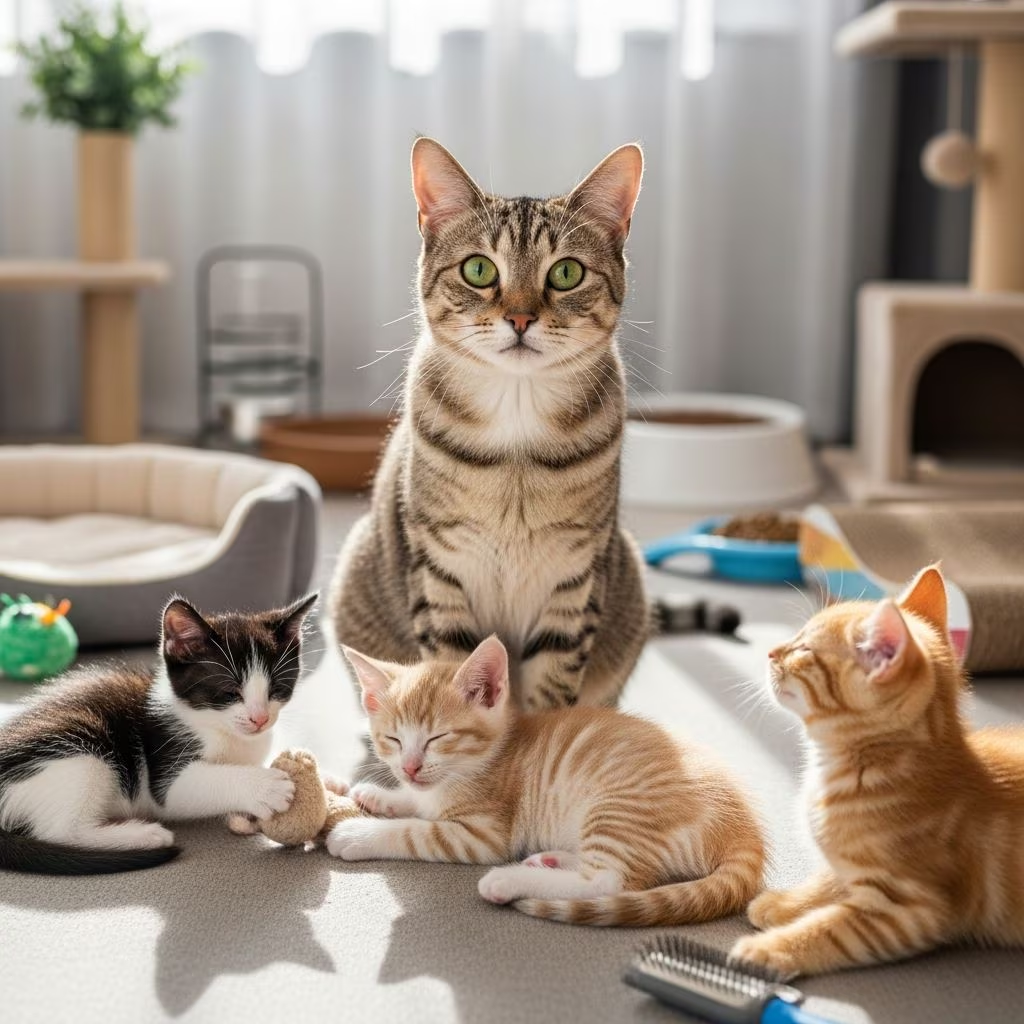
How to Become a Cat Breeder: Ethics & Standards
Cat breeding is a significant responsibility that requires dedication, knowledge, and a genuine commitment to the health and welfare of both parent cats and their offspring. Before considering breeding cats, prospective breeders must understand that responsible breeding goes far beyond simply pairing two cats together. It involves extensive research, health testing, proper registration, and adherence to ethical standards and legal regulations. This comprehensive guide outlines the essential steps and considerations for anyone interested in becoming a responsible and ethical cat breeder.
Understanding the Importance of Research and Ethics
The foundation of responsible cat breeding begins with thorough research and a clear understanding of breeding ethics. Breeding may be justified in cases of attempting to maintain or improve a specific cat breed, but only under strict conditions. Prospective breeders must recognize that they are not simply producing kittens for profit; they are making decisions that will affect the health, genetics, and future welfare of multiple generations of cats.
Ethical breeding practices prioritize the well-being of individual animals above all other considerations. This means understanding genetic health issues, breed-specific problems, and the responsibility that comes with creating new life. Brachycephalic cat breeds, for example, may have ongoing health and welfare issues throughout their lives due to poor conformation, and breeding such animals is considered irresponsible and damaging to the cats themselves, their offspring, and the breed in general.
Step 1: Research Cat Breeding Thoroughly
Before taking any concrete steps toward becoming a breeder, spend considerable time researching the breed you’re interested in. This research should include:
- Learning the breed’s history, temperament, and physical characteristics
- Understanding common genetic health issues and hereditary conditions
- Studying breed standards established by recognized cat councils and associations
- Connecting with experienced breeders in your chosen breed
- Attending cat shows and competitions to see breed examples in person
- Reading breed-specific literature and scientific publications
- Researching local, state, and federal regulations affecting breeders
This foundational research phase is critical and should not be rushed. Many successful breeders spend a year or more learning about their chosen breed before acquiring their first breeding cats.
Step 2: Register With a Notable Cat Council
One of the most important steps in becoming a legitimate cat breeder is registering with a recognized cat council or breed association. These organizations maintain breed standards, enforce ethical guidelines, and provide credibility to your breeding program. The most prominent organizations include:
- The Cat Fanciers’ Association (CFA)
- The International Cat Association (TICA)
- The Governing Council of the Cat Fancy (GCCF)
- World Cat Federation (WCF)
- The American Cat Association (ACA)
Registration with a recognized organization ensures that your breeding program adheres to established standards and contributes to the preservation and improvement of the breed. These organizations typically require breeders to follow strict breeding rules and member club guidelines, as well as comply with local government laws concerning animal protection. The registration process often involves demonstrating knowledge of the breed, providing proof of proper facilities, and committing to ethical breeding practices.
Step 3: Acquire Breeding Stock
Selecting appropriate breeding cats is perhaps one of the most critical decisions a breeder will make. Your first requirement is a healthy female cat with no outstanding faults that is typical of the breed, with a good temperament. When acquiring breeding cats, consider the following essential criteria:
- Health status: Both cats must be in excellent health with no serious genetic conditions
- Pedigree: Choose cats with strong pedigrees that match breed standards
- Temperament: Select cats with stable, friendly dispositions suitable for breeding
- Conformation: Ensure cats conform closely to breed standards established by recognized organizations
- Age requirements: Females should not breed before 18 months of age, and breeding should not exceed once per year
- Genetic diversity: Consider the genetic background to minimize inbreeding and hereditary problems
Many new breeders benefit from purchasing quality kittens or young cats from established, reputable breeders. These foundational cats should have proper documentation, health records, and pedigree certificates. Avoid acquiring cats from unknown sources, pet stores, or irresponsible breeders, as these cats may carry hidden genetic problems that could compromise your breeding program.
Step 4: Register Your Cats
Once you have acquired your breeding cats, they must be registered with the appropriate breed association or council. Registration is essential for several reasons: it establishes your cats’ pedigree, ensures their bloodline is documented, and certifies that they meet breed standards. The registration process typically requires:
- Complete pedigree information (at least three generations)
- Documentation of breed, pattern, and color according to official standards
- Proof of ownership and breeder information
- Health certifications and genetic test results
- Registration fees paid to the breed association
The registers should contain at least the registered name of the cat, the registered cattery name of the breeder, the registration number of the cat, the breed, pattern and color of the cat (as well as other relevant features, like coat length, eye color, ear shape, tail, etc.), the date of birth of the cat, the sex of the cat, the name of the breeder and the name of the registered owner. This documentation is crucial for establishing credibility and maintaining accurate breeding records.
Step 5: Conduct Health Testing and Genetic Screening
Genetic and health testing is a crucial first step before even considering breeding a particular animal. Responsible breeders understand that health testing is not optional; it is a fundamental obligation. Before breeding, both male and female cats should undergo comprehensive health evaluations, including:
- Complete veterinary examination by a qualified veterinarian
- Screening for breed-specific genetic conditions (such as polycystic kidney disease, hypertrophic cardiomyopathy, progressive retinal atrophy)
- Hip and elbow dysplasia screening where applicable
- Genetic testing through accredited laboratories
- Blood work and urinalysis
- Feline leukemia (FeLV) and feline immunodeficiency virus (FIV) testing
- Documentation of all test results
Animals with poor conformation or known genetic issues should not be used for breeding, regardless of their other qualities. Ethical breeders prioritize the long-term health of the breed over short-term financial gain.
Step 6: Understand Legal and Regulatory Requirements
Cat breeders must comply with various legal requirements that vary by location. At the federal level in the United States, commercial breeders engaged in selling animals may be subject to the Animal Welfare Act (AWA) and USDA regulations. These regulations establish minimum standards of care, including requirements for humane handling, shelter, space requirements, feeding, watering, sanitation, ventilation, veterinary care, and transport.
Many states have enacted their own laws establishing standards of care for commercial breeders. These standards typically cover kennel size, limitations on cage stacking, access to water and food, sanitation, flooring material, temperature and ventilation, lighting, exercise, socialization, and veterinary care. Some municipalities require breeders to obtain specific licenses and permits. For example, Los Angeles requires breeders of dogs and cats to comply with sterilization requirements unless they are registered with approved breed registries and meet specific competition requirements.
Before breeding, research your local, state, and federal regulations. Contact your city or county animal control department, your state’s Department of Agriculture, and relevant breed associations to understand all applicable legal requirements for your breeding operation.
Step 7: Establish Proper Breeding Facilities
Responsible breeding requires proper facilities that meet or exceed regulatory standards. Your breeding facility should include:
- Structurally sound primary structures in good repair
- Adequate climate control (temperature, humidity, ventilation)
- Proper lighting that mimics natural day-night cycles
- Clean, sanitary living areas with regular cleaning protocols
- Separate spaces for pregnant females and nursing mothers
- Safe, enriched environments that promote exercise and socialization
- Access to clean, fresh water and high-quality nutrition
- Proper waste management and sanitation systems
- Isolation areas for sick or potentially contagious cats
- Records management systems for breeding documentation
Step 8: Develop a Breeding Philosophy and Plan
Successful breeders develop a clear breeding philosophy that guides all decisions. Your breeding plan should include:
- Specific goals for the breed you’re developing
- Long-term vision for genetic diversity and breed improvement
- Criteria for selecting breeding pairs
- Health screening protocols for all breeding animals
- Plans for retiring breeding cats and providing them appropriate homes
- Commitment to taking back any cats or kittens from your breeding program if owners cannot keep them
- Detailed record-keeping systems
- Pricing structure that reflects the costs of responsible breeding
Step 9: Prioritize Veterinary Care
Exceptional veterinary care is non-negotiable in responsible breeding. Your breeding cats require:
- Annual or bi-annual wellness examinations
- Current vaccinations appropriate for breeding cats
- Regular dental care and professional cleanings
- Parasite prevention and control
- Immediate veterinary attention for any health concerns
- Prenatal and postpartum care for breeding females
- Neonatal care and socialization for kittens
- Health guarantees and support for kitten buyers
Build relationships with veterinarians experienced in feline reproduction and breed-specific health issues. Their expertise will be invaluable throughout your breeding career.
Step 10: Implement Responsible Breeding Practices
Once you have established the foundation for your breeding program, responsible practices must be consistently implemented:
- Never breed animals with genetic health issues or poor temperament
- Maintain detailed breeding records for every mating and litter
- Space breeding cycles appropriately to ensure mother cats recover between pregnancies
- Provide excellent nutrition and prenatal care for pregnant females
- Socialize kittens extensively from an early age
- Screen potential kitten buyers carefully
- Provide written contracts and health guarantees
- Maintain contact with kitten buyers throughout their cats’ lives
- Be prepared to take responsibility for any cats or kittens that need rehoming
- Continuously educate yourself about breed health, genetics, and breeding practices
Frequently Asked Questions (FAQs)
Q: What is the minimum age at which a cat can be bred?
A: Cats should reach physical maturity before breeding, but they should not be bred before reaching 18 months of age. Even at this age, many breeders wait until 2-3 years old to allow for full physical and emotional maturity. Additionally, female cats should not be bred more than once per year.
Q: How much does it cost to become a responsible cat breeder?
A: Initial costs can range from several thousand to tens of thousands of dollars, including purchasing quality breeding cats, health testing, registration fees, facility setup, veterinary care, and establishing proper documentation systems. Ongoing costs include veterinary care, nutrition, utilities, and breed association memberships.
Q: Do I need a license to breed cats?
A: Licensing requirements vary by location. Some jurisdictions require specific breeder licenses or registrations, while others require registration with breed associations. Some municipalities, like Los Angeles, have specific regulations for breeders. You must research your local and state requirements before beginning your breeding program.
Q: What should I include in a kitten sales contract?
A: A responsible breeding contract should include health guarantees, spay/neuter requirements for non-breeding kittens, return policies, veterinary care recommendations, breed information, pedigree documentation, and a commitment that you will take back the kitten if the owner can no longer care for it at any point in the cat’s life.
Q: How do I know if my cats are suitable for breeding?
A: Breeding cats must be in excellent health with no genetic issues, have stable and friendly temperaments, conform closely to breed standards, have documented pedigrees, and pass comprehensive health screenings and genetic testing. Consult with experienced breeders and breed associations to evaluate whether your cats meet these standards.
Q: What breeds should not be bred due to health concerns?
A: Brachycephalic cat breeds with poor conformation may have ongoing health and welfare issues throughout their lives and should not be bred, as this is considered irresponsible and damaging to the cats themselves, their offspring, and the breed in general. Always prioritize the health and welfare of individual animals over aesthetic or market considerations.
Q: How should I retire my breeding cats?
A: Responsible breeders have a plan for retiring their breeding cats. This typically involves spaying or neutering the cat and either keeping them as beloved household pets or finding loving, carefully-screened homes where they can enjoy a comfortable retirement. Retired breeding cats deserve excellent care and comfortable living conditions for the remainder of their lives.
References
- Standards of Care for Dog and Cat Breeders — Connecticut General Assembly. 2013-09-27. https://www.cga.ct.gov/2013/rpt/2013-R-0309.htm
- Breeding Rules — World Cat Federation (WCF). Accessed 2026-01-14. https://wcf.de/en/breeding-rules/
- S/N Exemptions and Breeder’s Permit Page — LA Animal Services. Accessed 2026-01-14. https://www.laanimalservices.com/breeders-permits
- Table of State Commercial Pet Breeders Laws — Animal Legal and Historical Web Center. Accessed 2026-01-14. https://www.animallaw.info/topic/table-state-commercial-pet-breeders-laws
- How to Become a Cat Breeder: Vet-Reviewed Ethics & Standards — Catster. Accessed 2026-01-14. https://www.catster.com/cat-health-care/how-to-become-a-cat-breeder/
- Breeding for Beginners — The Governing Council of the Cat Fancy (GCCF). Accessed 2026-01-14. https://www.gccfcats.org/breeding-cats/what-you-need-to-know-before-you-start-breeding/breeding-for-beginners/



