

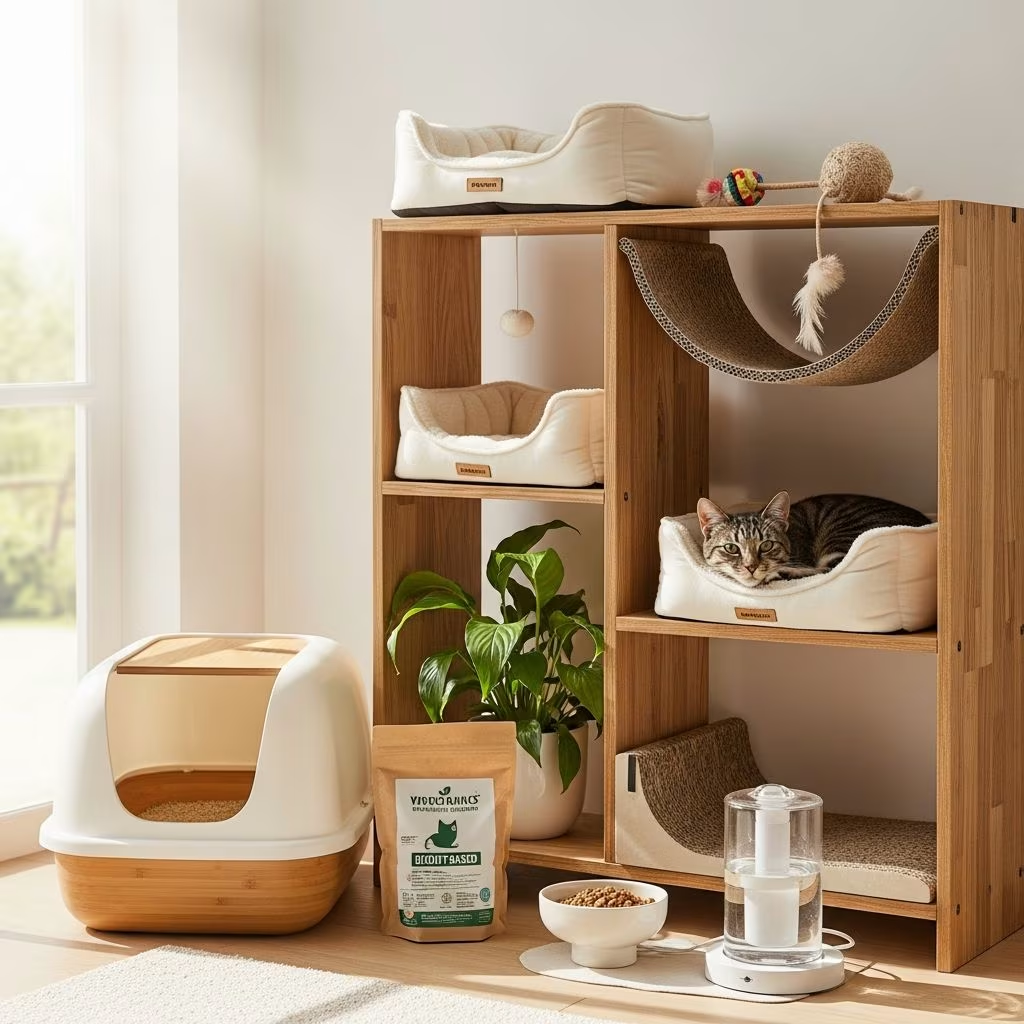
Being a cat parent comes with joy, but also responsibility—not just for your feline’s well-being, but for the planet too. Traditional cat care often involves single-use plastics, non-biodegradable litter, and resource-heavy products that contribute to waste and pollution. Fortunately, you can make simple switches to eco-friendly alternatives without sacrificing quality or convenience. This guide covers everything from litter and food to toys and daily habits, helping you minimize your cat’s environmental footprint.
Why Go Green as a Cat Parent?
Cats generate significant waste: the average cat uses about 8 pounds of litter per month, much of which ends up in landfills if using clay-based options. Pet food production consumes vast resources, and discarded toys add to plastic pollution. By adopting sustainable practices, you reduce landfill waste, lower greenhouse gas emissions, and support ethical manufacturing. Plus, many green products are safer for your cat, free from chemicals and toxins.
Start with the **Three Rs: Reduce, Reuse, Recycle**. Reducing packaging cuts waste; reusing items extends their life; recycling ensures proper disposal. These principles apply across cat care, from bulk-buying food to DIY toys.
Choose Eco-Friendly Cat Litter
Clay litter, mined from non-renewable sources, is dusty, non-biodegradable, and landfill-bound. Switch to plant-based alternatives for a greener option.
- Corn-based litter: Made from renewable corn, it clumps well, controls odors, and biodegrades naturally.
- Wheat-based litter: Gentle on paws, excellent clumping, and derived from agricultural byproducts.
- Recycled paper litter: Soft, absorbent, dust-free—ideal for sensitive cats.
- Wood or pine pellets: From reclaimed wood, naturally scented, biodegradable.
- Soy or tofu litter: Flushable, compostable, highly absorbent with low dust.
Opt for litters in recyclable packaging and scoop daily to extend use. For composting, use plant-based litters only on non-edible plants to avoid pathogens. DIY litter boxes from repurposed crates further reduce waste.
Opt for Sustainable Cat Food and Feeding
Pet food production impacts land, water, and emissions. Choose brands with responsibly sourced ingredients like sustainable fish or organic meats, minimal packaging, and recyclable materials.
- Buy in bulk to cut packaging waste.
- Select foods with ethical sourcing certifications.
- Practice portion control to prevent overfeeding and obesity, which increases resource use.
- Consider raw or homemade recipes with local ingredients, consulting a vet first.
Durable stainless steel or ceramic bowls last longer than plastic, reducing replacements.
Select Green Toys and Accessories
Plastic toys break down into microplastics; opt for natural materials instead.
- Natural fibers: Sisal, hemp, organic cotton for scratching posts and toys.
- Recycled fabrics: DIY from old t-shirts or scraps.
- Sustainable furniture: Cardboard scratchers, FSC-certified wood cat trees.
- Avoid single-use plastics; choose durable items that withstand play.
Upcycle cardboard boxes into hideouts—cats love them, and they divert landfill waste.
Adopt Waste-Reduction Habits
Minimize disposables throughout your cat’s routine.
- Washable liners: Reusable over plastic ones for litter boxes.
- Reusable grooming tools: Metal brushes over plastic.
- Non-toxic cleaners: Vinegar, baking soda for safe, green cleaning.
- Water conservation: Use fountains to encourage drinking without waste; fix leaks.
Energy-Efficient Cat Care
Litter boxes in warm spots save heating; LED night lights for low-energy visibility. Keep cats indoors to prevent wildlife impact and reduce flea treatments.
Recycle, Donate, and Adopt
Extend item life cycles: donate used toys, beds, carriers to shelters. Recycle packaging per local rules. Adopt from rescues to promote sustainable ownership—no breeding mills.
Spay/neuter to control populations, reducing shelter overcrowding.
Potential Challenges and Solutions
| Challenge | Solution |
|---|---|
| Cat rejects new litter | Mix gradually with old litter over 1-2 weeks. |
| Higher upfront cost | Bulk buys and durability save money long-term. |
| Odor control concerns | Plant litters often outperform clay; scoop frequently. |
| Availability | Shop online or pet stores with green sections. |
Frequently Asked Questions
Is eco-friendly litter safe to flush?
Some soy or corn litters are flushable in small amounts; check local plumbing rules and avoid if on septic.
Can I compost cat litter?
Yes, for plant-based litters, but only on ornamental plants—not veggies—due to bacteria.
Are sustainable toys as fun?
Absolutely; cats prefer natural textures like sisal over plastic.
How does keeping cats indoors help the environment?
Prevents hunting birds/insects and reduces chemical pest control needs.
What’s the best starter switch?
Litter—biggest impact with easy transition.
Embracing eco-friendly cat parenting benefits your pet, wallet, and planet. Small changes add up to big impact.
References
- The Green Cat Parent’s Guide to Creating an Eco-Friendly Home — SoyKitty. 2023. https://soykitty.com/blogs/news/creating-an-eco-friendly-home-for-you-and-your-kitty
- Eco-Friendly Cat Care: Try Out These Sustainable Products — Healthy Pet. 2023. https://www.healthy-pet.com/blogs/blog/eco-friendly-cat-care-try-out-these-sustainable-products-for-your-cat
- Sustainable Cat Parenting: Eco-Friendly Tips — The Environmental Blog. 2025-01-01. https://www.theenvironmentalblog.org/2025/01/sustainable-cat-parenting/
- Eco-friendly Cat Hacks for Green Living — Felix Cat Insurance. 2023. https://www.felixcatinsurance.com/blog/eco-friendly-cat-parenting/
- 8 Most Important Habits Cat Owners Can Adopt — Rover. 2023. https://www.rover.com/blog/eco-friendly-cat-owner-habits/



