

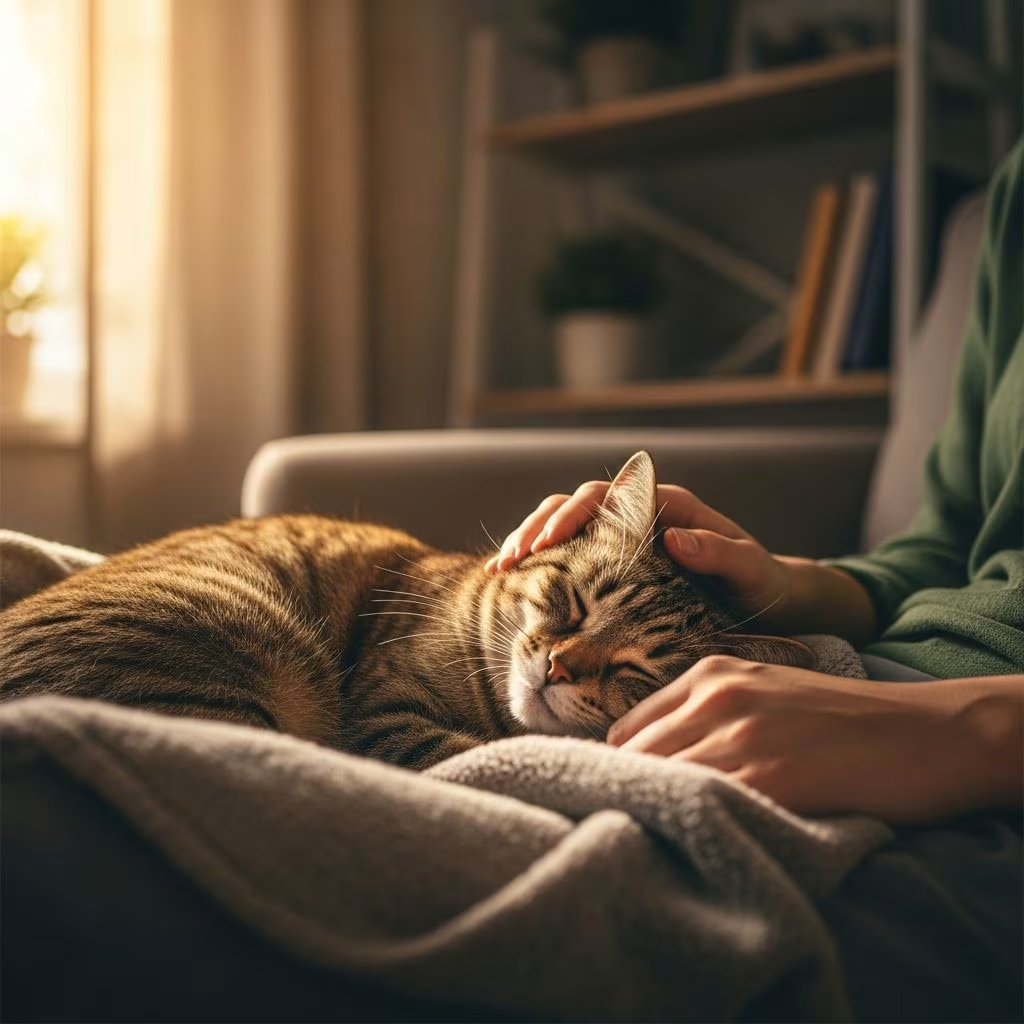
Being a good cat owner means committing to your feline friend’s physical health, emotional well-being, and overall happiness. Cats are independent creatures, but they rely on you for nutrition, safety, medical care, and enrichment. This guide covers essential practices, from daily routines to life-stage adjustments, ensuring your cat lives a long, healthy life—often into their late teens or 20s with proper care.
1. Provide Proper Nutrition and Fresh Water
A balanced diet is the foundation of good cat ownership. Feed your cat high-quality, age-appropriate food that meets their nutritional needs. Kittens require growth-supporting formulas rich in protein, while senior cats may need lower-calorie options to prevent obesity. Avoid overfeeding, as weight gain can signal issues like hypothyroidism or diabetes.
Always provide fresh, clean water daily. Senior cats are prone to dehydration, which can lead to constipation or kidney problems. Use cat water fountains to encourage drinking, and consider wet food to boost hydration. Monitor intake to ensure they’re eating well; sudden changes warrant a vet visit.
2. Set Up an Ideal Litter Box Environment
A clean litter box is non-negotiable for cat comfort and hygiene. Place it in a quiet, accessible location away from food and water. Scoop daily and fully change litter weekly to prevent urinary issues or avoidance.
- Use clumping, unscented litter preferred by most cats.
- Provide one box per cat plus one extra in multi-cat homes.
- For seniors, choose low-sided boxes for easy access due to mobility issues.
Issues like inappropriate elimination often stem from stress, medical problems, or dirty boxes—address promptly with vet advice.
3. Monitor Your Cat’s Health Daily
Regular at-home checks catch problems early. Weigh your cat weekly; sudden loss or gain indicates issues like hyperthyroidism, cancer, or diabetes.
Check Skin, Coat, and Nails
Run your hands over their body for lumps, fleas, or dull coat. Healthy skin is smooth without redness or flakiness; trim nails if overgrown.
Examine Ears, Eyes, Nose, and Mouth
Ears should be clean and odor-free—watch for wax or head-shaking. Eyes clear without discharge or cloudiness. Nose varies in moisture but check for crusting or sneezing. Inspect mouth for tartar, sores, or bad breath; dental disease affects many cats.
| Area | Healthy Signs | Warning Signs |
|---|---|---|
| Skin/Coat | Shiny, full fur; no parasites | Hair loss, dandruff, itching |
| Ears | Clean, no smell | Redness, discharge, odor |
| Eyes | Clear, no tearing | Cloudy, red, pawing |
| Mouth | Pink gums, clean teeth | Tartar, sores, drooling |
4. Ensure Regular Veterinary Care
Annual checkups for adults, bi-annual for kittens and seniors, are crucial for vaccinations, parasite control, and early detection. Core vaccines protect against feline calicivirus, herpesvirus, panleukopenia, and rabies. Bloodwork spots hidden issues like kidney disease.
Never skip care due to cost—budget for it before adopting. Signs of pain like hiding or appetite loss demand immediate vet attention.
5. Spay or Neuter Your Cat
Perform by 5-6 months to prevent litters, reduce cancers (mammary, womb), and curb behaviors like spraying. It’s a legal and ethical must for responsible ownership, easing shelter overpopulation. Consult your vet on timing.
6. Prevent Parasites Year-Round
Fleas, ticks, worms threaten health. Use vet-recommended preventatives monthly; kittens often get roundworms from nursing. Check fur for flea dirt and treat environments too.
7. Groom and Exercise Your Cat
Brush weekly to monitor health and reduce hairballs, especially seniors with limited flexibility. Provide toys, scratching posts, and playtime for physical and mental stimulation. Vertical spaces like cat trees satisfy climbing instincts.
- Interactive toys mimic hunting.
- Daily 15-20 minute sessions prevent obesity.
8. Create a Safe, Stress-Free Environment
Secure windows, hide cords, and use secure litter areas. For stress (hiding, aggression), add pheromone diffusers, hiding spots, and routines. Freedom from pain means prompt vet care for limping or illness.
9. Understand Cat Life Stages
Tailor care to stages: kitten (vaccines, spay), adult (annual checks), senior (bi-annual, hydration focus).
- Kitten: Frequent vet visits, deworming.
- Adult: Balanced diet, play.
- Senior (11+): Soft beds, grooming help, weight monitoring.
10. Provide Comfort and Enrichment
Soft, warm beds for achy joints; multiple resources in multi-cat homes. Train with positive reinforcement—no spray bottles. Litter train naturally, redirect bad behaviors.
Frequently Asked Questions (FAQs)
What are the daily basics of cat ownership?
Feed quality food and fresh water, clean litter, playtime, and quick health checks.
How often should my cat see the vet?
Adults yearly, kittens/seniors every 6 months.
Is spaying/neutering necessary?
Yes, by 5-6 months for health and behavior benefits.
How do I monitor health at home?
Check weight, coat, eyes, ears, mouth weekly.
What if my senior cat loses weight?
Schedule vet check for diseases like hyperthyroidism.
Can cats live long with good care?
Yes, into 20s with nutrition, vet care, enrichment.
References
- 10 Ways to Monitor Your Cat’s Health at Home: Vet Verified — Catster. 2023. https://www.catster.com/cat-health-care/monitor-cats-health/
- Cat Life Stages Explained (Plus 12 Vet-Approved Tips) — Catster. 2023. https://www.catster.com/cat-health-care/cat-life-stages/
- How to Take Care of a Cat: Vet-Approved Beginner’s Guide — Catster. 2023. https://www.catster.com/cat-health-care/how-to-take-care-of-a-cat/
- How to Care for Senior Cats: 12 Vet-Approved Tips — Catster. 2023. https://www.catster.com/cat-health-care/how-to-take-care-of-senior-elderly-cats/
- Cat Health & Care — Catster. 2023. https://www.catster.com/category/cat-health-care/



