

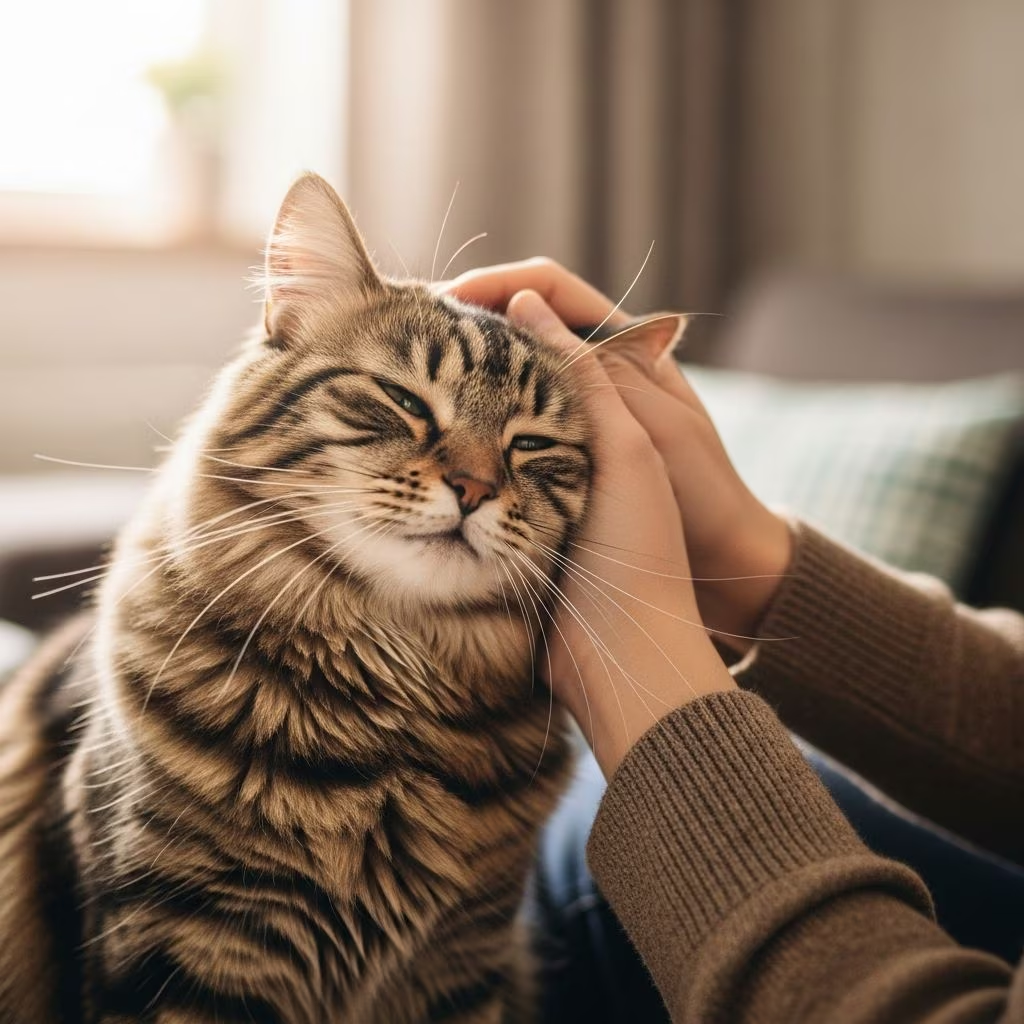
Being a good cat owner means committing to your feline companion’s physical, emotional, and mental well-being throughout their life stages. Cats are independent yet deeply reliant on their humans for nutrition, healthcare, safety, and enrichment. This guide covers essential practices, drawing from veterinary expertise to help you provide the best care possible.
Understanding Cat Life Stages
Cats progress through distinct life stages—kitten, adult, and senior—each with unique needs for nutrition, healthcare, and activity. Recognizing these stages allows you to tailor care effectively, promoting longevity often into the late teens or 20s.
- Kitten (Birth to 1 Year): Rapid growth demands high-protein kitten food, frequent meals, and monthly vet visits for vaccinations and deworming.
- Adult (1-7 Years): Maintain peak health with balanced adult diet, annual checkups, and parasite prevention.
- Senior (7+ Years): Shift to senior formulas for joint support and kidney health; schedule biannual vet exams.
1. Provide Proper Nutrition
Nutrition forms the foundation of good cat ownership. Cats are obligate carnivores, requiring diets rich in animal-based proteins, taurine, and essential fatty acids. Choose age-appropriate, high-quality commercial cat food meeting AAFCO standards.
Feed kittens 3-4 times daily, adults twice, and seniors smaller, frequent meals to support metabolism. Monitor weight: obesity affects 60% of indoor cats, leading to diabetes and arthritis. Fresh water is non-negotiable—consider fountains to encourage hydration.
| Life Stage | Daily Calories (Avg. 10lb Cat) | Key Nutrients |
|---|---|---|
| Kitten | 200-300 | High protein, DHA for brain |
| Adult | 200-250 | Balanced protein/fat |
| Senior | 180-220 | Joint support, reduced phosphorus |
Avoid dog food, human scraps, or milk, as they cause digestive issues. Transition foods gradually over 7-10 days.
2. Schedule Regular Vet Checkups
Annual wellness exams are crucial; kittens need monthly visits until maturity, seniors biannual ones. Vets assess weight, vital signs, heart/lung function, eyes, coat, and perform bloodwork for early detection of issues like kidney disease or hyperthyroidism.
Senior checks include blood profiles (liver, kidney, thyroid), electrolytes, complete blood counts, and blood pressure monitoring—hypertension is silent but deadly. Early intervention improves outcomes dramatically, as cats hide illness masterfully.
- Physical exam: Palpate for tumors, check kidneys, assess pain/arthritis.
- Dental inspection: Spot gum disease or tumors.
- Parasite screening: Fecal tests, flea/tick discussions.
3. Keep Up with Vaccinations and Preventatives
Core vaccines protect against feline calicivirus (FCV), herpesvirus (FHV-1), panleukopenia (FPV), and rabies (legally required in many areas). FeLV for kittens under one year. Boosters maintain immunity.
Parasite control is essential: monthly flea/tick/heartworm preventatives for all cats, plus deworming. Indoor cats aren’t immune—fleas hitch rides indoors. Discuss natural options with your vet.
4. Practice Good Grooming Habits
Regular grooming prevents hairballs, mats, and detects skin issues early. Brush short-haired cats weekly, long-haired daily with a soft brush. Baths are rare—use vet-approved wipes for spot cleans.
Nail trims every 2-3 weeks prevent scratches and overgrowth. Introduce gradually to avoid stress. Ear cleaning with vet solution checks for mites; dental care via brushing or dental diets combats periodontal disease, common in 70% of cats over 3 years.
5. Create a Safe and Stimulating Environment
Safety first: Secure windows/screens, hide cords, store toxins (lilies, antifreeze deadly to cats). Provide litter boxes (1 per cat +1), scooped daily, deep cleaned weekly.
Enrichment combats boredom: scratching posts, cat trees, toys, window perches. Rotate toys to maintain interest. Multiple resources reduce conflict in multi-cat homes.
6. Ensure Proper Litter Box Maintenance
A clean litter box is vital—cats are fastidious. Use unscented clumping litter; place in quiet, accessible spots. Issues like avoidance signal health problems (UTI, constipation)—vet promptly.
Seniors may need low-sided boxes for arthritis. Track usage: changes in frequency/odor warrant checks.
7. Provide Plenty of Fresh Water
Dehydration risks kidney issues; flowing fountains entice picky drinkers. Multiple bowls around home; change daily. Wet food boosts moisture intake.
8. Offer Mental and Physical Stimulation
Cats need play: 15-20 minutes daily with wand toys mimics hunting. Puzzle feeders dispense food, reducing obesity. Training via clicker reinforces bonds—teach sit, come, high-five.
Vertical space (shelves, trees) satisfies climbing instincts. Companionship matters—lonely cats develop stress behaviors.
9. Monitor for Signs of Illness
Act on subtle cues: lethargy, appetite loss, hiding, litter changes, vomiting >2x/month, weight loss. Early vet visits save lives—cats mask pain until advanced stages.
10. Spay or Neuter Your Cat
Spaying/neutering prevents litters, reduces cancers, roaming, spraying. Best at 4-6 months; benefits outweigh risks per veterinary consensus.
Special Care for Senior Cats
Seniors demand extra: joint supplements, low-phosphorus diets, pain management for arthritis. Biannual bloodwork catches silent killers like CKD (chronic kidney disease, affects 30-50% seniors). Mobility aids, soft bedding enhance comfort.
Financial Responsibility in Cat Ownership
Budget for exams ($50-100), vaccines ($20-50), emergencies ($500+). Pet insurance or savings funds mitigate costs. Can’t afford basics? Reconsider ownership—wellness trumps all.
Frequently Asked Questions (FAQs)
How often should I take my cat to the vet?
Kittens monthly until 6 months, then quarterly to year 1; adults annually; seniors every 6 months.
What is the best food for my cat?
Age-specific, AAFCO-approved, high-protein kibble/wet food. Consult vet for specifics.
How do I know if my cat is in pain?
Signs: hiding, aggression, limping, appetite drop, litter avoidance. Vet exam confirms.
Do indoor cats need preventatives?
Yes, for fleas, worms, heartworm—dangers enter homes.
Can cats be trained?
Absolutely—use positive reinforcement for litter, scratching, tricks.
References
- Senior Cat Wellness Checks & Care (Vet Reviewed) — Catster. 2024. https://www.catster.com/cat-health-care/senior-cat-wellness/
- How to Take Care of a Cat: Vet-Approved Beginner’s Guide — Catster. 2024. https://www.catster.com/cat-health-care/how-to-take-care-of-a-cat/
- The Importance of Regular Cat Checkups: 4 Vet Reviewed Benefits — Catster. 2024. https://www.catster.com/cat-health-care/importance-of-regular-cat-checkups/
- Cat Life Stages Explained (Plus 12 Vet-Approved Tips) — Catster. 2024. https://www.catster.com/cat-health-care/cat-life-stages/
- How to Train Your Cat: Vet-Approved Cat Training Guide — Catster. 2024. https://www.catster.com/cat-health-care/how-to-train-your-cat/



