

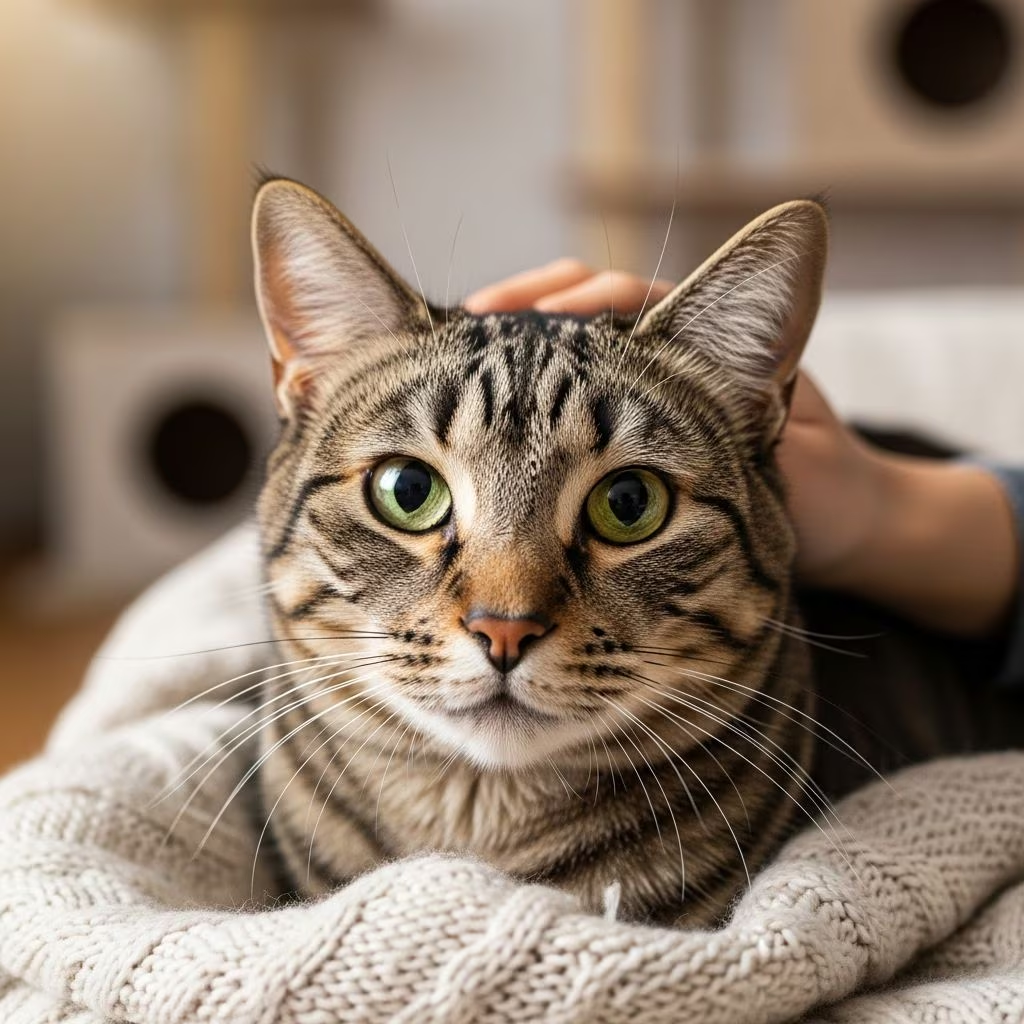
Being a good cat owner means committing to your feline friend’s physical, emotional, and mental well-being. Cats are independent creatures, but they rely on you for nutrition, health monitoring, safety, and enrichment. This guide outlines essential practices, drawing from veterinary expertise to help your cat live a long, happy life—potentially into their late teens or 20s with proper care.
Understanding Cat Life Stages
Cats progress through distinct life stages—kitten, adult, and senior—each with unique needs for nutrition, healthcare, and lifestyle adjustments. Recognizing these stages allows you to tailor care effectively, promoting longevity and vitality.
- Kitten (Birth to 1 Year): Rapid growth demands high-protein diets, frequent meals, and socialization. Vaccinations and deworming are critical during this phase.
- Adult (1-7 Years): Peak activity levels require balanced nutrition, exercise, and annual vet checkups to maintain optimal health.
- Senior (7+ Years): Metabolism slows, increasing risks for conditions like kidney disease or arthritis. Bi-annual vet visits and dietary tweaks are essential.
Provide Proper Nutrition and Hydration
A high-quality diet is the foundation of good cat ownership. Cats are obligate carnivores, needing diets rich in animal-based proteins, taurine, and essential fatty acids. Feed age-appropriate, AAFCO-approved food to prevent deficiencies.
- Portion control to maintain ideal body weight—obesity leads to diabetes and joint issues.
- Fresh water daily; consider fountains to encourage drinking, especially for seniors prone to constipation.
- Wet food boosts hydration; transition gradually to new foods to avoid digestive upset.
Monitor eating habits: sudden changes in appetite signal health issues.
Health Monitoring at Home
Daily checks catch problems early, reducing vet bills and suffering. Perform weekly exams covering eyes, ears, skin, teeth, and more.
| Body Part | Healthy Signs | Warning Signs |
|---|---|---|
| Skin & Coat | Clean, glossy, no flakes | Hair loss, redness, parasites |
| Ears | Clean, odor-free | Discharge, odor, head shaking |
| Eyes | Clear, no discharge | Cloudiness, tearing, redness |
| Mouth | Pink gums, clean teeth | Tartar, sores, drooling |
| Weight | Stable, ribs palpable | Sudden gain/loss |
Feel for lumps, check nails, and assess abdomen for bloating or pain.
Veterinary Care Essentials
Regular vet visits are non-negotiable. Annual checkups for adults, bi-annual for kittens and seniors detect issues like dental disease or hyperthyroidism early.
- Vaccinations: Core shots (FCV, FHV-1, FPV, FeLV, rabies) protect against lethal diseases. Boosters maintain immunity.
- Parasite Prevention: Monthly flea, tick, heartworm, and dewormers safeguard against infestations.
- Spay/Neuter: By 5-6 months; prevents cancers, infections, and behaviors like spraying.
Budget for emergencies—pet insurance can help.
Grooming and Hygiene
Regular grooming prevents matting, detects skin issues, and strengthens bonds. Brush weekly, especially long-haired breeds.
- Trim nails every 2-3 weeks to avoid overgrowth.
- Bathe only if necessary; use cat-safe shampoos.
- Assist seniors with grooming due to mobility limits.
- Clean litter box daily—scoop, full change weekly.
Creating a Safe and Enriching Environment
Cats need security and stimulation. Provide scratching posts, climbing trees, and toys to curb boredom and destructive behavior.
- Secure windows/screens to prevent falls.
- Multiple litter boxes (n+1 rule, where n=cat count).
- Quiet resting spots and pheromone diffusers for stress.
Enrichment like puzzle feeders and playtime prevents obesity and supports mental health.
Exercise and Weight Management
Interactive play 15-20 minutes daily mimics hunting, controlling weight and building muscle. Laser pointers, feather wands work best.
Track body condition score: ideal is visible waist, palpable ribs without excess fat. Senior weight fluctuations may indicate thyroid issues or cancer.
Special Care for Seniors
Elderly cats (7+) face arthritis, kidney disease, and cognitive decline. Adapt care:
- Soft, heated beds for joint comfort.
- Ramp access to high spots.
- Senior diets lower in phosphorus, higher in protein.
- Monitor thirst/urination—increased signals kidney problems.
Behavioral Training and Mental Stimulation
Positive reinforcement trains litter use and curbs scratching. Clicker training builds trust; avoid punishment like spray bottles.
Cats benefit human mental health too, offering companionship and stress relief[10].
Common Challenges and Solutions
Litter Box Issues: Rule out UTIs; try different litters.
Aggression: Vet check for pain; increase play.
Overgrooming: Stress or allergies—consult vet.
Frequently Asked Questions (FAQs)
How often should I take my cat to the vet?
Adults annually, kittens/seniors every 6 months, plus as-needed for issues.
What’s the best way to monitor my cat’s health at home?
Weigh weekly, check eyes/ears/teeth/gum weekly, note appetite/stool changes.
Should I spay or neuter my cat?
Yes, around 5-6 months to prevent health/behavior problems and overpopulation.
How can I encourage my senior cat to drink more?
Use fountains, wet food, multiple bowls.
Is dental care important for cats?
Yes, daily brushing prevents painful disease affecting eating and organs.
References
- 10 Ways to Monitor Your Cat’s Health at Home: Vet Verified — Catster. 2023. https://www.catster.com/cat-health-care/monitor-cats-health/
- Cat Life Stages Explained (Plus 12 Vet-Approved Tips) — Catster. 2023. https://www.catster.com/cat-health-care/cat-life-stages/
- How to Take Care of a Cat: Vet-Approved Beginner’s Guide — Catster. 2023. https://www.catster.com/cat-health-care/how-to-take-care-of-a-cat/
- How to Care for Senior Cats: 12 Vet-Approved Tips — Catster. 2023. https://www.catster.com/cat-health-care/how-to-take-care-of-senior-elderly-cats/
- How to Do A Health Check At Home: Dr. Karyn’s Guide — Catster. 2023. https://www.catster.com/felines-weekly/how-to-do-a-health-check-at-home/



