

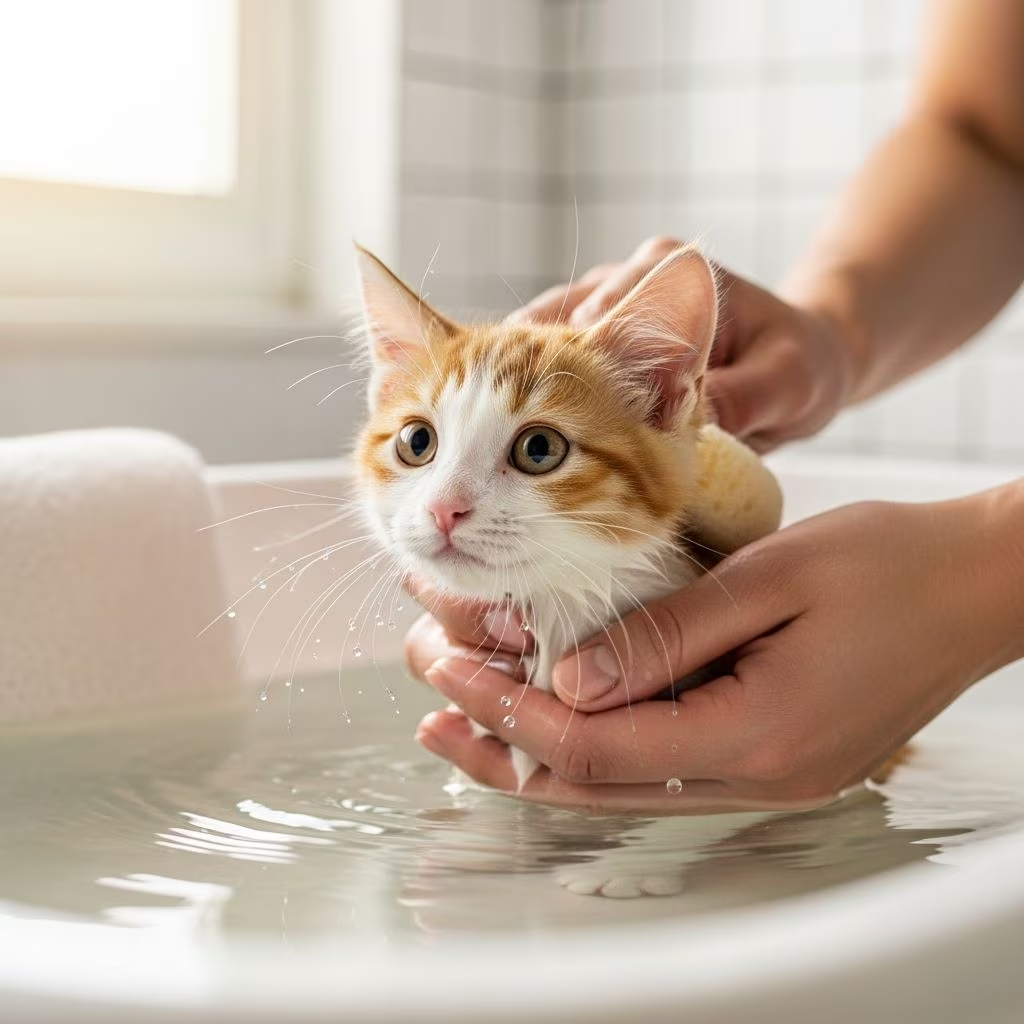
Water and kittens don’t always mix well, but there are times when a bath is essential for their health. Whether treating fleas, skin issues, or cleaning an orphaned kitten without a mother’s help, our comprehensive guide provides a stress-free, vet-approved process to keep your little one clean and comfortable.
Bathing a kitten requires preparation to avoid chills or panic. Kittens under 4 weeks old cannot regulate body temperature effectively, making warmth crucial. This article covers the 5 key steps, special techniques for orphans, FAQs, and pro tips drawn from veterinary insights.
The 5 Steps to Bathe Your Kitten
Follow these structured steps for a successful bath. Preparation minimizes stress, ensuring safety for both you and your kitten.
1. Prepare Your Equipment
Gather all supplies beforehand to avoid mid-bath scrambles. Essential items include:
- Kitten-safe shampoo: Choose pH-balanced, irritant-free formulas like those with colloidal oatmeal and aloe vera for soothing clean without drying skin. Avoid human shampoos, which disrupt feline pH and cause irritation.
- Warm towels: Multiple super-absorbent towels, ideally warmed in a dryer, for immediate drying.
- Non-slip mat or towel: Place in the basin to prevent slipping and reduce anxiety.
- Spray bottle or cup: For controlled rinsing without overwhelming water flow.
- Comb or brush: For pre- and post-bath grooming to remove tangles.
- Treats and toys: For positive reinforcement.
Having everything ready streamlines the process, reducing the kitten’s exposure to water.
2. Warm the Room
Kittens lose heat quickly, so maintain a post-bath room temperature of about 80°F (27°C). Use a space heater, heating pad, or warm cat bed to create a cozy drying area. Avoid drafts, and monitor with a thermometer for safety.
A warm environment prevents hypothermia, especially vital for young kittens whose thermoregulation is immature.
3. Bathe Your Kitten
Select a bathroom sink or shallow basin with lukewarm running water (around 100°F or 38°C, like baby bath water). Test on your wrist—it should feel comfortably warm, not hot.
- Secure the kitten gently: Hold with one hand under the chest, supporting the body. Speak calmly in a soothing tone.
- Wet the body: Use a gentle stream or cupped hand to wet fur from neck down, avoiding the head initially.
- Apply shampoo: Massage a ring around the neck first for flea baths to trap pests. Lather thoroughly over body, legs, and tail, skipping face.
- Clean head carefully: Use a damp, soapy cloth for face, eyes, nose, and ears—never submerge. Wipe gently outward.
- Rinse completely: Residual shampoo irritates skin. Use lukewarm water until it runs clear.
Keep sessions under 5 minutes. If fleas are present, repeat if needed but consult a vet for treatments.
4. Dry Your Kitten
Immediately wrap in a warm towel, patting gently—do not rub, to avoid tangles. Absorb as much moisture as possible.
- Towel drying: Focus on belly, paws, and armpits first.
- Hairdryer option: On low heat, medium speed, keep 12 inches away, constantly moving. Watch for distress; stop if needed.
- Post-dry wrap: Bundle in a fresh warm towel or heating pad (low, supervised) until fully dry and warm.
Full dryness prevents chills and skin issues. Brush gently afterward to restore fluff.
5. Reward and Monitor
End positively with treats, play, or cuddles. Watch for signs of stress or cold (shivering, lethargy) over the next hours. Limit baths to every 4-6 weeks unless medically advised.
Bathing an Orphaned Kitten
Orphaned kittens lack maternal grooming, often soiled with milk, food, or feces, risking infections. Tailor baths to age and need, prioritizing minimal stress.
Spot Dry Bath
Best for light dirt. Use a damp (not soaking) paper towel or cotton pad with warm water. Wipe gently, then dry immediately with a towel. Ideal for faces or paws.
Spot Wet Bath
For targeted areas like soiled bottoms. Wet only that section with diluted kitten shampoo, rinse, and dry thoroughly. Keeps most fur dry.
Full Bath
Reserve for heavy soiling. Follow the 5 steps above, but use extra caution with neonates. For kittens under 3 weeks, mimic maternal licking with damp cloths first.
Always dry orphans extra carefully; they chill fastest. Consult a vet for fostering advice.
How to Get Your Kitten to Like Water: 4 Vet-Reviewed Methods
Desensitize early for future ease. Gradual exposure builds tolerance.
- Empty tub play: Let kitten explore and play with toys for 5-10 minutes daily. Reward with treats.
- Damp washcloth: Rub body gently with warm, damp cloth. Praise calmly.
- Add shallow water: 1 inch lukewarm water with non-slip towel. Supervise short sessions.
- Full intro: Progress to wetting and shampooing as comfort grows.
Consistency over days works wonders.
Extra Tips for Stress-Free Baths
- Timing: Bathe after play (tired kittens resist less) or naps.
- Helpers: Enlist a second person for holding.
- Tools: Showerhead attachments or gloves for protection.
- Fleas: Neck shampoo ring prevents migration.
- Pheromones: Feliway diffusers calm nerves.
- Frequency: Healthy kittens rarely need baths; cats self-groom effectively.
Frequently Asked Questions (FAQs)
Q: How often should I bathe my kitten?
A: Only when necessary, like for medical reasons or heavy soiling. Over-bathing strips natural oils.
Q: Can I use human shampoo on kittens?
A: No—it’s too harsh and alters skin pH, causing dryness or infections.
Q: What if my kitten hates water?
A: Use desensitization methods, spot cleaning, or vet-recommended dry shampoos.
Q: How do I bathe a very young orphaned kitten?
A: Spot clean preferably; full baths only if essential, with extreme warmth and drying.
Q: Is a hairdryer safe for kittens?
A: Yes, on low heat, kept moving, if the kitten tolerates it. Monitor closely.
This guide ensures safe, effective kitten baths. With patience, bath time becomes manageable, promoting a healthy, shiny coat.
References
- How to Bathe Your Kitten: 5 Vet-Approved Steps (With Video) — Catster. 2023. https://www.catster.com/cat-health-care/how-to-bathe-your-kitten/
- Is Bathing a Cat Necessary: Or Is It Just a Myth? Vet-Verified — Catster. 2023. https://www.catster.com/cat-health-care/is-bathing-a-cat-necessary/
- How to Get Your Kitten to Like Water: 4 Vet-Reviewed Methods — Catster. 2023. https://www.catster.com/cat-health-care/get-your-kitten-to-like-water/
- How to Give a Cat a Bath (Without Getting Scratched) — Catster. 2023. https://www.catster.com/cat-health-care/how-to-give-cat-a-bath/
- How to Give Your Cat a Bath: Dr. Karyn’s Tips (With Video) — Catster. 2023. https://www.catster.com/felines-weekly/how-to-give-your-cat-a-bath-dr-karyns-tips/
- How to Dry a Cat After a Bath: Vet-Approved Step-by-Step Guide — Catster. 2023. https://www.catster.com/cat-health-care/how-to-dry-a-cat-after-bath/



