

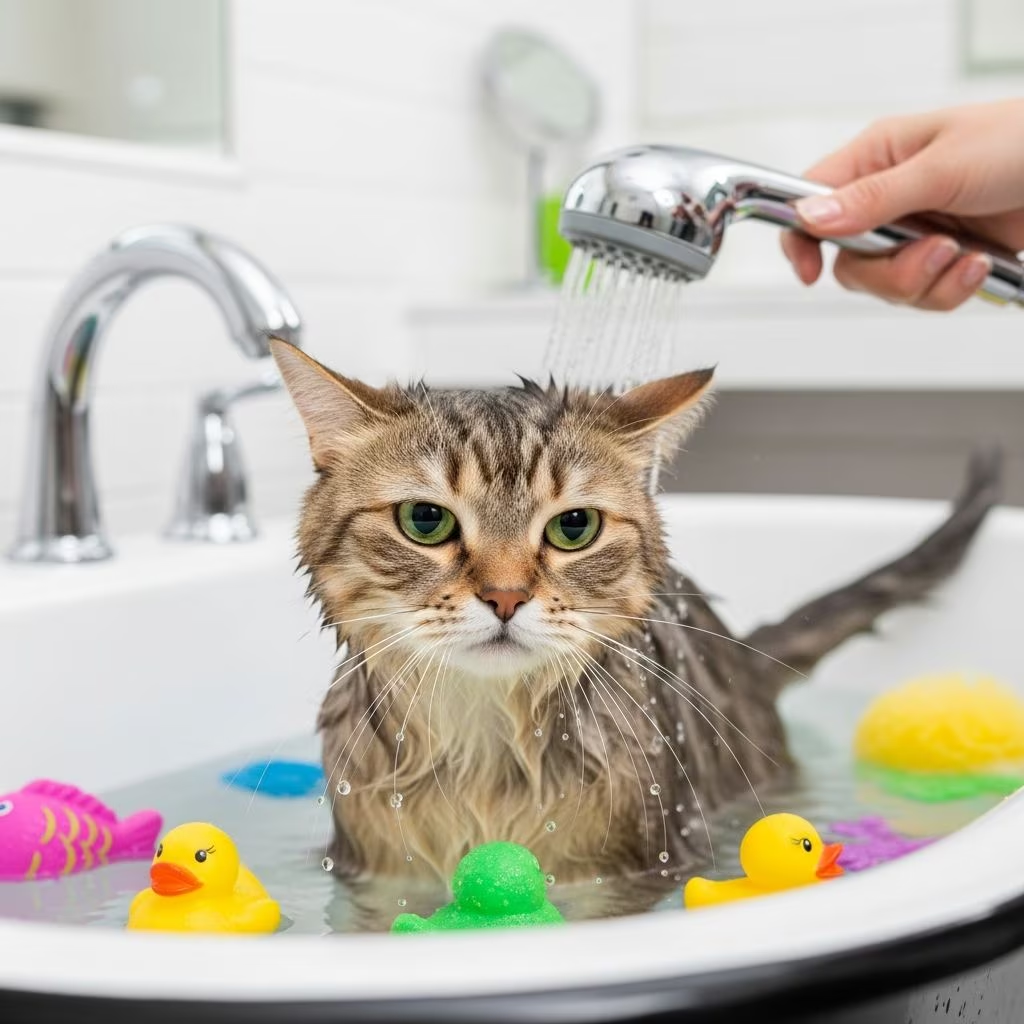
How to Bathe Your Cat: A Complete Guide
Bathing a cat might seem as challenging as folding a fitted sheet, but it doesn’t have to be an ordeal. While cats are naturally self-cleaning animals equipped with specially barbed tongues designed for grooming, there are legitimate reasons you might need to give your feline friend a bath. Understanding when bathing is necessary and how to approach it correctly can make the experience less stressful for both you and your pet.
Why Would You Ever Need to Bathe a Cat?
Most cats do not require regular bathing, but there are specific circumstances where a bath becomes necessary. According to veterinary professionals, several situations warrant taking matters into your own hands.
One common reason is when your cat gets into a mess they cannot groom their way out of. More importantly, a proper bath can significantly reduce excessive shedding and help minimize the spread of allergens throughout your home. This is particularly beneficial for people who are allergic to cats.
Certain breeds have special bathing needs. Hairless cats, for example, tend to overproduce sebum and benefit from routine baths to maintain healthy skin. Additionally, cats with specific dermatological skin conditions may require bathing with medicated shampoos as recommended by your veterinarian. Some pet owners also choose to bathe their cats weekly to reduce dander levels for household members with allergies.
Do All Cats Really Hate Water?
The popular belief that all cats despise water is largely a myth. While most felines do dislike being immersed in water, there are notable exceptions. Some cats actually enjoy water and may take to bathing readily if introduced to it early in life.
Kittens introduced to bathing gradually and consistently may grow comfortable with the experience as they mature. In rare cases, cats can develop a genuine fondness for water. Veterinarians report cases where cats started young with bathing have learned to love water so much they actively swim in bathtubs.
Even cats that resist full immersion may show interest in other water-related activities. Some felines are intrigued by moving water in the shower or enjoy playing with water dripping from a faucet. These cats may happily interact with water in a controlled environment with minimal risk, especially when introduced to small amounts of water initially and properly supervised.
Essential Supplies You’ll Need
Bathing your cat requires minimal equipment. Here’s what you should gather before beginning:
- Moisturizing pet shampoo – Essential for cleaning without drying out their skin
- Washcloth – Useful for gently cleaning the face and head area
- Towel – For drying your cat afterward
- Water source – A sprayer attachment is ideal, but a cup works equally well
- Helper – Having someone assist you to hold your cat prevents escape attempts
A bathroom sink is preferable to a full bathtub, as it’s easier to contain your cat and control the process. Optional comfort items include dimmed lighting and soothing music to create a calm atmosphere—primarily for your own stress management during the experience.
Step-by-Step Instructions for Bathing Your Cat
Preparation and Safety Considerations
Before you begin, take precautions to protect yourself. Cats experiencing fear or panic may redirect these feelings toward their owners through scratching or biting. Consider wearing gloves and a long-sleeved shirt for protection. Starting slowly and gently, combined with tasty treats as positive reinforcement, helps cats acclimate to the process more comfortably.
Running the Bath
Fill your sink with just a few inches of warm water—never deep water that could overwhelm your cat. Place a towel on the bottom of the sink to prevent your cat from slipping around. This simple precaution significantly reduces their anxiety.
Gently place your cat into the sink and begin wetting their coat using either a sprayer attachment or a cup. The key throughout this process is to maintain at least one hand on your cat at all times. Even if your cat yowls dramatically as though being tortured, maintain your composure and continue with the procedure.
Lathering and Shampooing
Squeeze only a few dollops of shampoo onto your cat’s coat—a small amount goes a long way. Massage the shampoo into their fur, working up a good lather while ensuring you clean all areas thoroughly, including their belly and under their tail. These areas often accumulate dirt and oils that require attention.
Use the washcloth specifically for cleaning your cat’s head and face area. Be extra gentle around the eyes, ears, and mouth to prevent water from entering these sensitive areas.
Rinsing Thoroughly
Rinse every last bit of shampoo from your cat’s coat. Soap residue left behind will cause flakiness and itchiness, leading to further grooming problems. Ensure the water runs clear and no shampoo remains on their fur.
The Drying Process
Once bathing is complete, blot as much water as possible from your cat’s coat using the towel. Avoid rubbing the towel around, particularly if you have a long-haired cat, as this creates tangles and mats.
Instead, wipe gently in the direction the hair grows, using a squeezing motion to absorb moisture. This technique is gentler on the coat and minimizes damage to their fur structure.
Monitoring Your Cat’s Response to Bathing
Pay close attention to how bathing affects your individual cat. Different cats respond differently to the bathing experience, and what works for one may not work for another.
If bathing creates dry, irritated skin, you should reduce bathing frequency or discontinue it entirely. Watch for signs of discomfort such as excessive scratching or visible irritation.
Additionally, if getting water in your cat’s ears consistently leads to ear infections, this is a clear signal to stop bathing your cat. Each cat’s skin and ear health are unique, requiring personalized care approaches.
What to Expect After the Bath
After the ordeal concludes, prepare yourself for entertainment. Your cat will likely spend the next several hours in a state of melodramatic indignation. You can expect them to pace around, dramatically shake one leg at a time, and pause periodically to glower at you accusingly.
Don’t be discouraged by their apparent displeasure. Cats are forgiving creatures, and while they may hold grudges temporarily, they will eventually forgive you. Consider treating yourself to something enjoyable—you’ve earned it after successfully navigating the bathing process.
Frequently Asked Questions
Q: How often should I bathe my cat?
A: Most cats don’t need regular bathing. Only bathe when necessary—such as when they’re visibly dirty, have a medical condition requiring medicated shampoo, or in cases of hairless breeds or excessive shedding concerns.
Q: Can I use human shampoo on my cat?
A: No. Always use a moisturizing pet shampoo specifically formulated for cats. Human shampoo can disrupt their skin’s pH balance and cause irritation.
Q: What water temperature is best for bathing a cat?
A: Use warm water—similar to lukewarm shower temperature. Never use hot water, as cats have sensitive skin and can burn easily.
Q: What should I do if my cat panics during the bath?
A: Stop immediately if your cat shows severe signs of distress. Forcing an unwilling cat through the bathing process can damage your relationship and create lasting water anxiety. Consult your veterinarian for alternative solutions.
Q: Is it safe to bathe kittens?
A: Yes, kittens can be bathed safely when introduced gradually and gently. Starting early helps them become comfortable with water as they grow, potentially reducing resistance as adults.
Q: Should I bathe my long-haired cat more often than a short-haired cat?
A: Not necessarily. Frequency depends on lifestyle and condition rather than coat length. However, long-haired cats may benefit from professional grooming between baths to maintain coat health.
Key Takeaways for Successful Cat Bathing
- Most cats don’t need regular bathing unless specific circumstances warrant it
- Preparation with proper supplies and a helper makes the process significantly easier
- Starting early with kittens increases the likelihood of acceptance as adults
- Gentle handling and positive reinforcement help minimize stress
- Always rinse thoroughly to prevent skin irritation
- Monitor your cat’s individual response and adjust frequency accordingly
- Protect yourself from scratches and bites with appropriate clothing
- Not all cats hate water—some may develop genuine fondness for it
Bathing your cat doesn’t have to be a battle. With the right preparation, supplies, and approach, you can make the experience manageable for both you and your feline companion. Remember that patience, gentleness, and positive reinforcement are your best tools for success.
References
- How to Bathe Your Cat — Kinship. 2024. https://www.kinship.com/uk/cat-health/cat-bath



